

One of the small joys of living in Japan is discovering the many Shinto shrines dotted throughout cities and countryside alike. Even someone like me — an atheist — can appreciate the serenity of a well-maintained shrine and enjoy the charm of smaller, more rustic ones. But how do you actually visit these sacred spaces, and when is the best time to go? In this article, I’ll share my personal experiences, offer practical tips on etiquette, and show you how you can make the most of your visit to a Japanese shrine.
Dress Code: From Casual to Formal
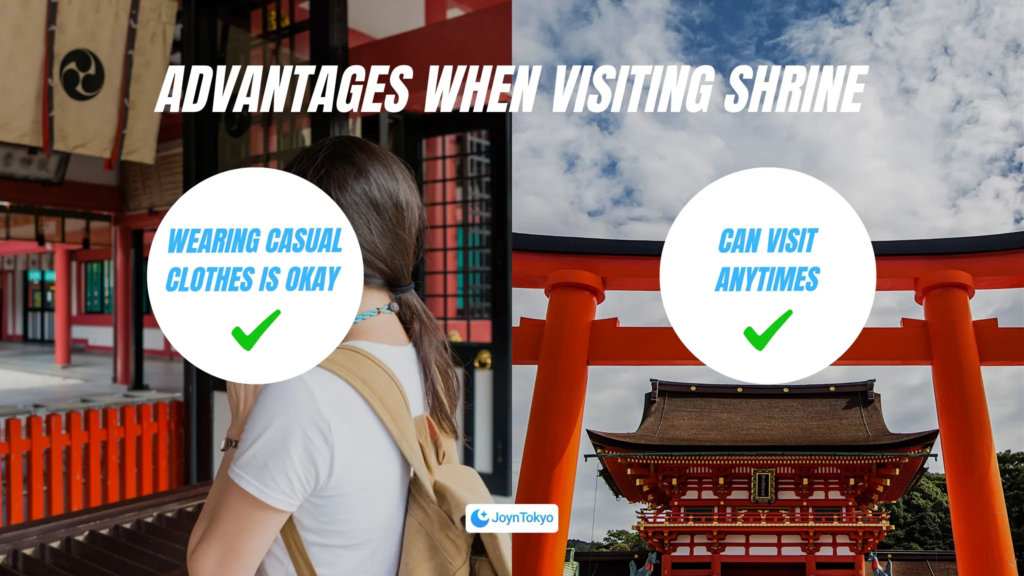
Visiting a place of worship in your home country might bring to mind wearing your “Sunday Best,” but dress guidelines at Shinto shrines can be surprisingly flexible. I don’t really think about what I’m wearing when I pop into a shrine. While it’s certainly acceptable to wear something formal — especially at major shrines or for special occasions — casual outfits are also very common, T-shirts, shorts, and trainers are totally fine, in my experience.
What to Wear and When
Shrines play a central role in their communities, so it’s not unusual to see people stopping by on their way to or from work. Personally, I’ve gone in full business attire, casual wear, and even 浴衣. The key is respect: no one expects you to be in a tuxedo, but avoid anything that might be seen as too sloppy or disrespectful. I’ve never been in my pajamas, and I don’t think I ever will.
Above all, shrines are spaces for the community; people of all backgrounds and clothing choices come to appreciate the peaceful atmosphere. So as long as you remain mindful of your environment, you’ll be fine. Because of this more tranquil vibe, I’ve also found that I’ve never been asked questions like, “where are you from? Do you like Japan?”, etc. People generally stick with their friends and family, and leave others alone, so it’s a nice place if you’re feeling overwhelmed.
Timing Your Visit: Any Day is a Good Day
Unlike other faiths with specific worship days (such as Sunday for Christian churches or Friday for mosque visits), Shinto shrines typically welcome visitors whenever they feel like coming. You’ll see people drop by in the morning for a quick prayer or on their way home from the grocery store. If you’re out for a walk on a Sunday and spot a nearby shrine, it’s perfectly fine to stop in spontaneously.
Major Occasions: New Year’s and More
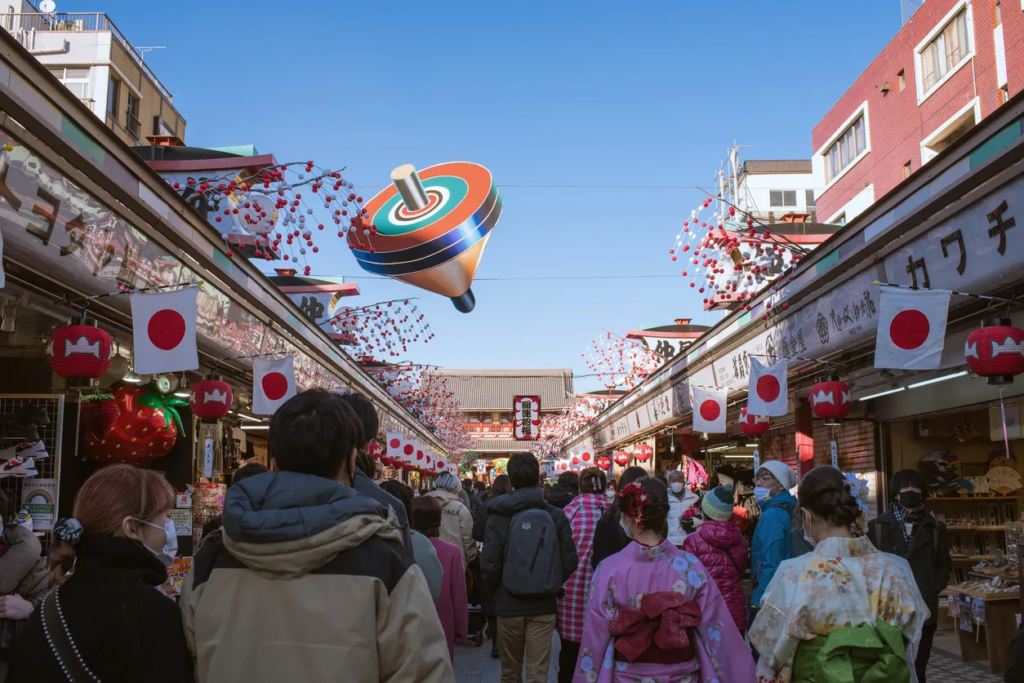
One time when shrines get particularly busy is during the New Year’s holiday (January 1st to 3rd). This first visit of the year, known as 初模 (初詣), is when many people dress in suits or even kimono to show respect for their local shrine. My own first 初模 in 2020 was memorable: I bundled up against the cold, admired everyone else’s elegant outfits, bought a lucky arrow (hamaya), and drew an omikuji (a fortune slip). Seeing how locals celebrate the start of the year at the shrine gave me a glimpse into how deeply these traditions are woven into everyday life.
Festivals: Shrine Visits Turned Community Parties
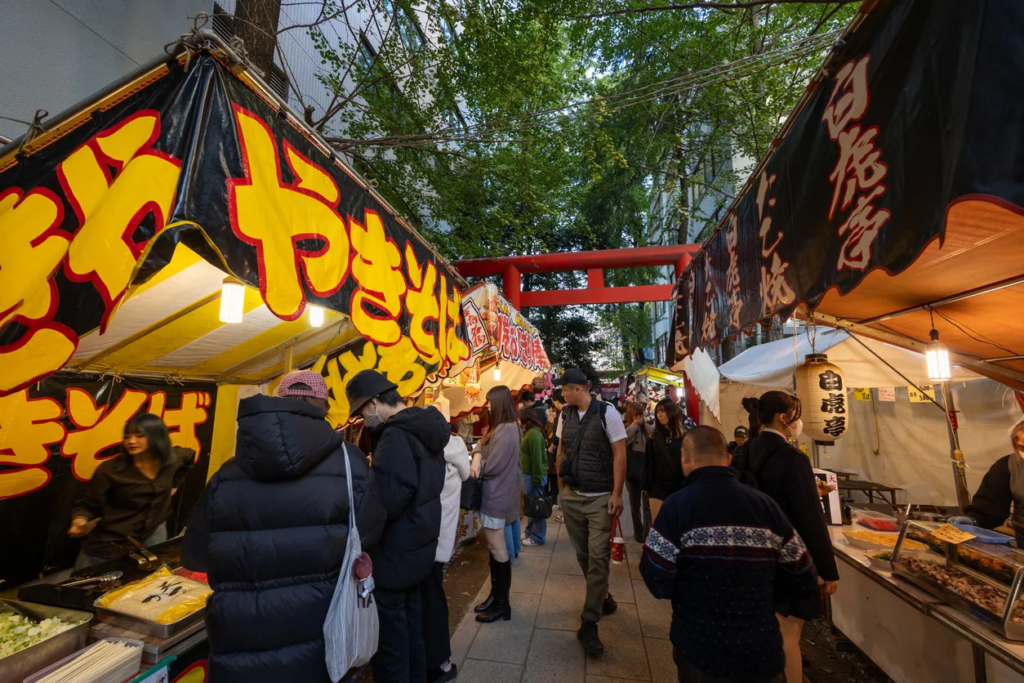
Shrines aren’t just about quiet reflection — they also host lively festivals, often in the summer or early fall. These festivals can be a highlight of the year: the grounds fill with food stalls selling takoyaki, okonomiyaki, and shave ice, while visitors indulge in beer or other drinks. If you have a 浴衣, festivals are a great time to wear it, but casual clothes are perfectly fine too. I have an enduring memory of three women in 浴衣 cooling down after a traditional dance drinking fresh beers outside of a nearby convenience store — an incredibly ‘Japan’ moment.
For me, the best part of any festival is the chance to experience the community spirit. Unlike the more solemn visits to pray, festivals are a time to socialize, enjoy delicious street food, and immerse yourself in local traditions. Of course, you can still pray if you want, but there’s no requirement to do so — everyone’s there to have a good time!
Praying at a Shinto Shrine
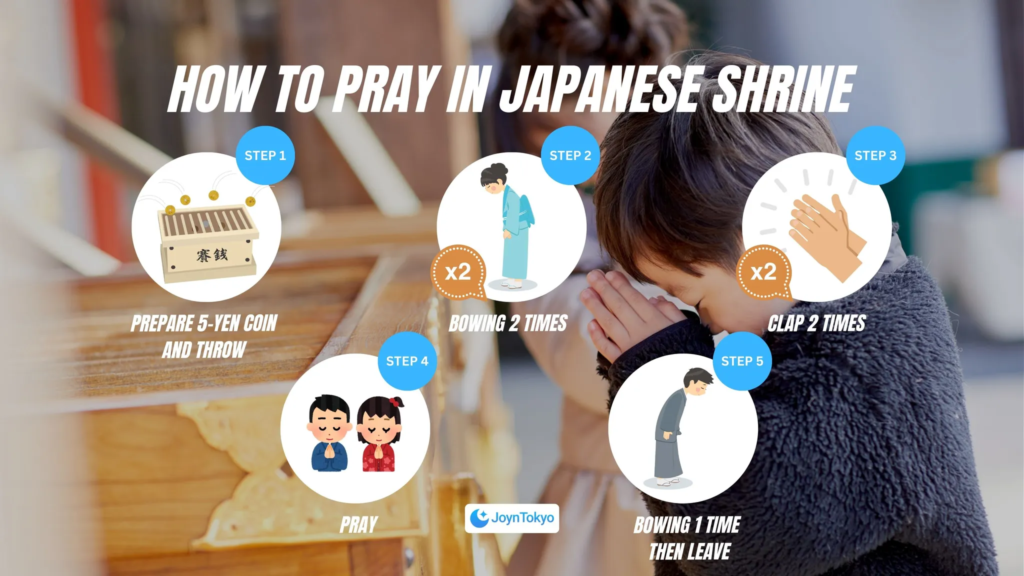
Though many shrines post pictorial guidelines, smaller or more rural ones might not. Many people know the basic rules: throw in an offering (¥5 is usually fine: it’s a small amount of money, but it is a homophone for “good fortune”), bow twice, clap twice, pray, bow again, then leave. But sometimes I’ve gotten mixed up. More than once I’ve clapped before bowing, then had to awkwardly bow with my hands clasped. This isn’t a big deal, though. People won’t get offended, and Japanese people are usually just happy that people from abroad are taking an interest. I remember going to a shrine not long after I arrived, and after praying, an old woman smiled with curiosity and approval.
最终想法
Even if you aren’t religious, visiting a Shinto shrine can offer moments of tranquility or lively celebration, depending on the occasion. Whether you’re intrigued by the architecture in the early morning light or drawn by the aroma of festival food, these shrines are a core part of Japanese community life. I highly recommend exploring both neighborhood shrines and iconic sites like Meiji Jingu in Harajuku. Whatever you wear or whenever you go, simply show respect, and you’ll walk away with a memorable cultural experience.