

For many students around the world, school lunch is simply a midday break to refuel. In Japan, however, the midday meal is considered a “living textbook.” Known as kyushoku, the Japanese school lunch program is a meticulously planned educational activity designed to foster healthy eating habits, community spirit, and gratitude.
Unlike typical cafeteria systems where students line up to choose from various options, kyushoku is a communal experience where everyone – including the teacher – eats the exact same meal. This unique approach has gained international attention for its role in maintaining Japan’s low childhood obesity rates and high nutritional standards.
A Brief History of Kyushoku
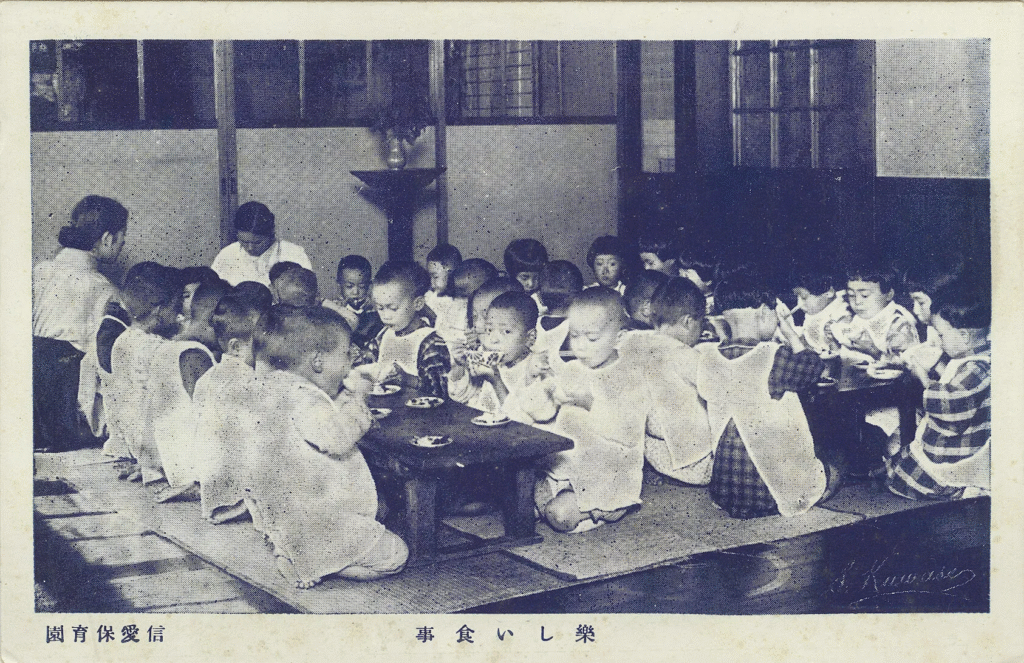
The roots of kyushoku run deep. The first recorded school lunch in Japan was served in 1889 at a private school within a Buddhist temple in Tsuruoka City, where priests provided free meals to children from low-income families.
The program expanded significantly following World War II. Facing severe food shortages, the government passed the School Lunch Program Act in 1954, mandating safe and nutritious meals for students nationwide. Today, the coverage is nearly universal. As of May 2021, 99.7% of public elementary schools and 98.2% of junior high schools in Japan provide school meals.
更多信息

How the Program Works
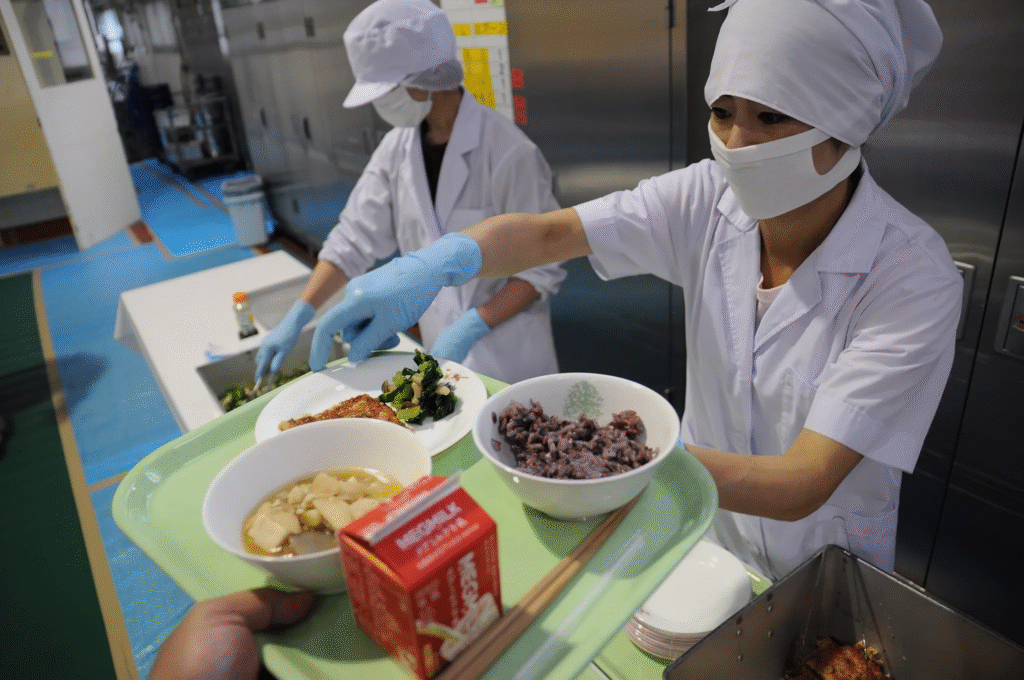
The daily operations of kyushoku are distinct from Western models. There are no janitors or lunch ladies serving the food in a large hall. Instead, the students themselves take charge.
The Role of Students
At lunchtime, students transform their classroom into a dining area. They arrange their desks into groups to face one another. A rotating team of students, known as kyushoku-toban, dons white aprons, masks, and caps. They transport heavy carts of food from the kitchen to the classroom and serve portions to their classmates. Afterward, all students participate in the cleanup process, reinforcing responsibility and teamwork.
The “Diet and Nutrition Teacher”
Menus are not random. They are carefully constructed by licensed professionals known as diet and nutrition teachers (eiyo kyoyu). As of 2017, there were over 6,000 of these specialists working in Japanese schools. They manage nutritional intake, hygiene standards, and dietary education, ensuring that meals meet strict national guidelines.
Shokuiku: Food and Nutrition Education
Kyushoku is deeply intertwined with shokuiku, a concept meaning “food and nutrition education.” Solidified by the Basic Act on Shokuiku in 2005, this philosophy treats food as a critical pillar of physical and mental growth.
Through kyushoku, students learn about:
- Local Agriculture: Schools are encouraged to use locally sourced ingredients. In 2021, approximately 56% of food purchases by participating schools were locally produced.
- Cultural Heritage: Traditional Japanese cuisine (washoku) is a staple, helping children appreciate their culinary history.
- Gratitude: Before and after eating, students recite traditional greetings (itadakimasu 和 gochisosama deshita) to express thanks for the plants, animals, farmers, and cooks involved in the meal.
What is on the Menu?
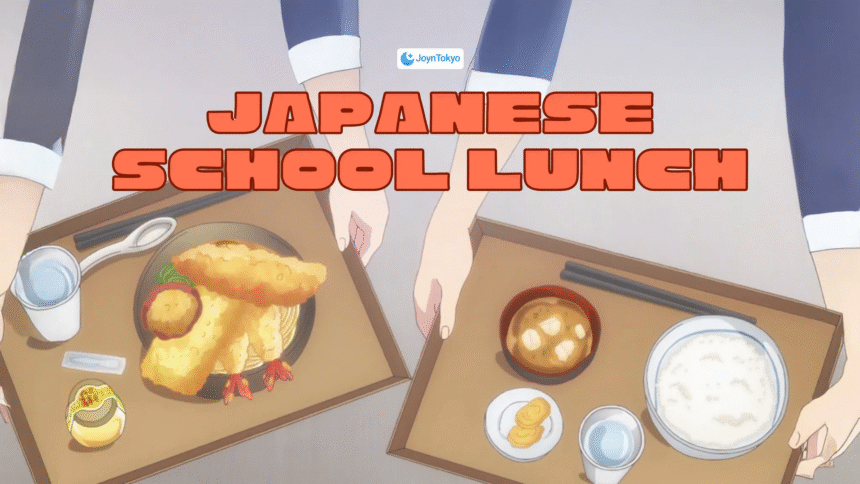
A typical kyushoku meal is balanced and diverse. It generally consists of a carbohydrate (usually rice, occasionally bread or noodles), a soup, a main protein dish (fish, meat, or tofu), a side dish of vegetables, and a carton of milk.
The nutritional balance is strictly monitored. In April 2021, the government revised its School Lunch Nutrition Standards to further optimize student health, adjusting requirements for energy, sodium, and essential vitamins. For example, sodium limits were reduced to under 2 grams per meal for junior high students to discourage excessive salt intake early in life.
The Cost of Healthy Eating
One of the most appealing aspects of the kyushoku system is its affordability. The program is heavily subsidized by the government. Municipalities typically cover labor, facility maintenance, and administrative costs.
Parents are responsible only for the cost of ingredients. This fee usually amounts to around 4,000 to 5,000 yen (roughly $25 to $35 USD) per month. For families struggling financially, social welfare programs cover these costs entirely, ensuring that no child goes hungry or feels stigmatized.
Building a Healthier Future
The kyushoku system demonstrates that school lunch can be more than just food on a tray. By integrating nutrition, education, and community responsibility, Japan has created a model that supports the physical health of its children while instilling values that last a lifetime. For nations grappling with childhood health crises, the Japanese “living textbook” offers a compelling lesson in how to nourish the next generation.