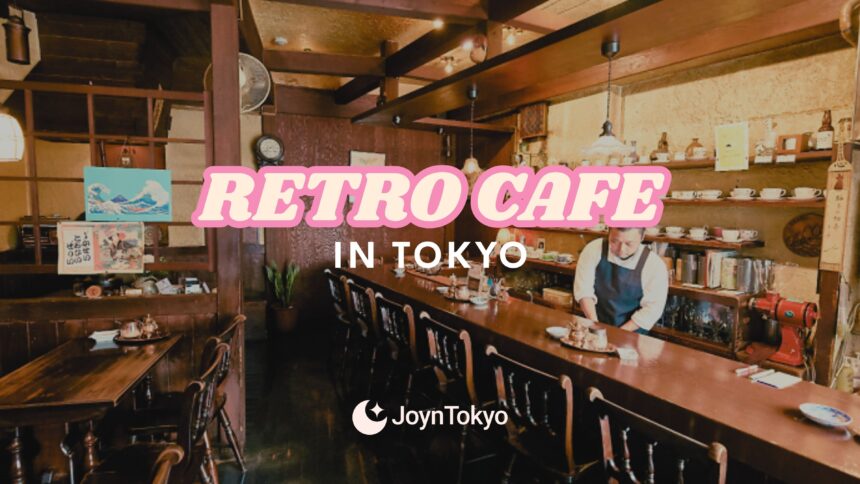

Stepping through the beaded curtains of a kissaten is like stepping back in time: the aroma of flannel-filtered coffee, the gleam of mahogany jukeboxes, and the low hum of Showa-era pop songs immediately drown out 5G Tokyo. This guide shows you where, and how, to savor that deliciously unhurried past.
Top Retro Cafés in Japan
A nation wide hunt is fun, yet four cities guarantee density and easy rail access. Tokyo, 大阪, 京都, and Nagoya each support their own kissaten culture, shaped by commuters, artists, and long standing neighborhood regulars who treat these cafés as daily rituals rather than destinations.
更多信息
Parlor Kimuraya — Shinbashi, Tokyo
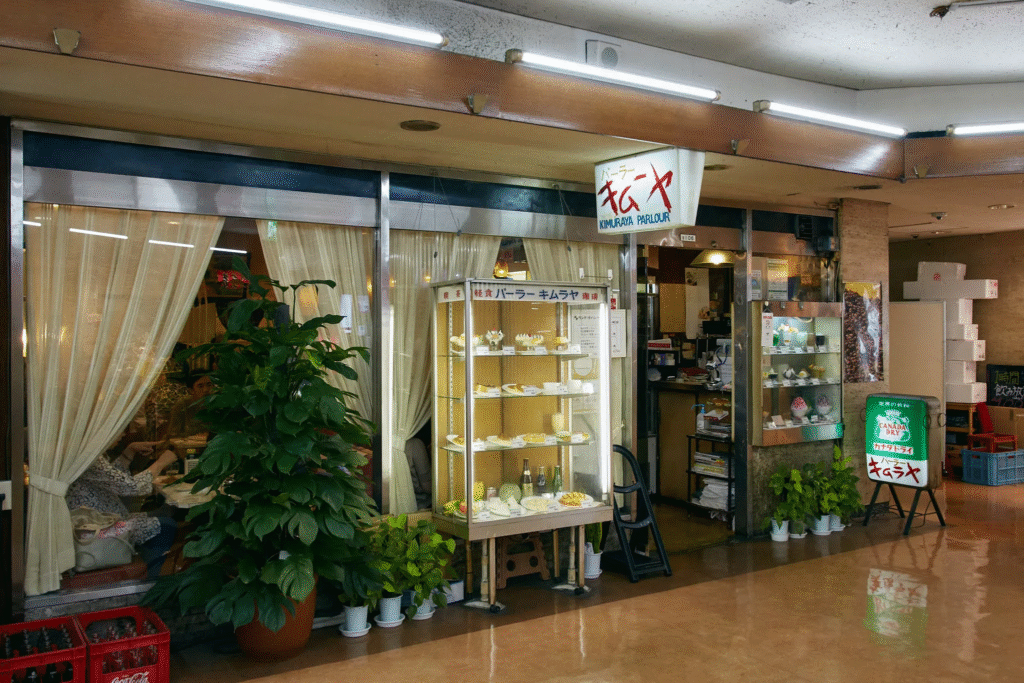
Hidden beneath elevated tracks, this salary man refuge opens early and feels deliberately untouched by time. Buttery toast arrives on thick porcelain plates alongside neatly folded morning newspapers, the kind locals still read cover to cover. Ask for a nel drip dark roast and watch the master pour. Showa era jazz hums softly in the background, blending with the distant rattle of trains overhead.
LADRIO — Kanda, Tokyo
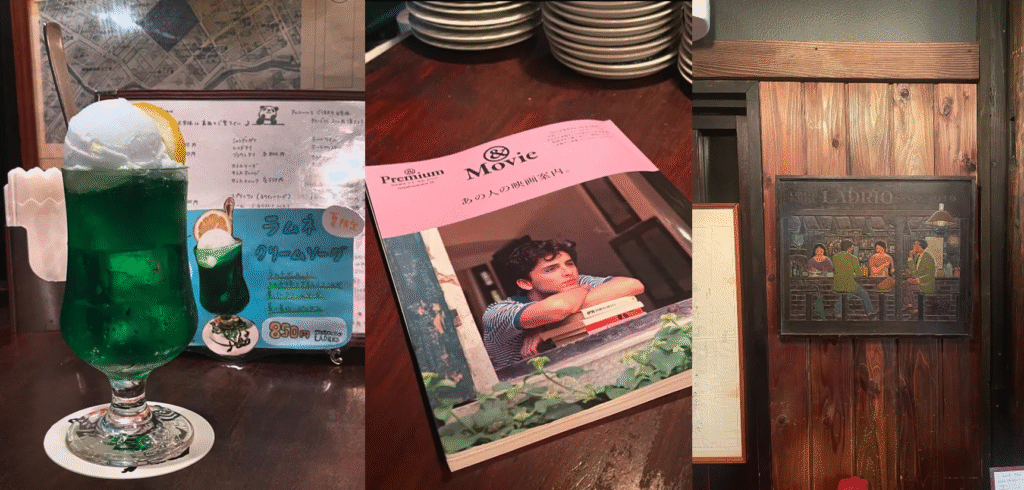
Polished wood panel walls and narrow aisles give LADRIO the intimacy of a private club, even during busy hours. Vintage speakers play European jazz from the 1930s, warm and slightly muffled, like the sound itself has aged with the room. Order the Vienna coffee, capped with thick cream that slowly melts into the medium roast below. Stained glass lamps hang low, casting amber shadows that make every table feel like late afternoon.
Hakusendo — Jōtō-ku, Osaka
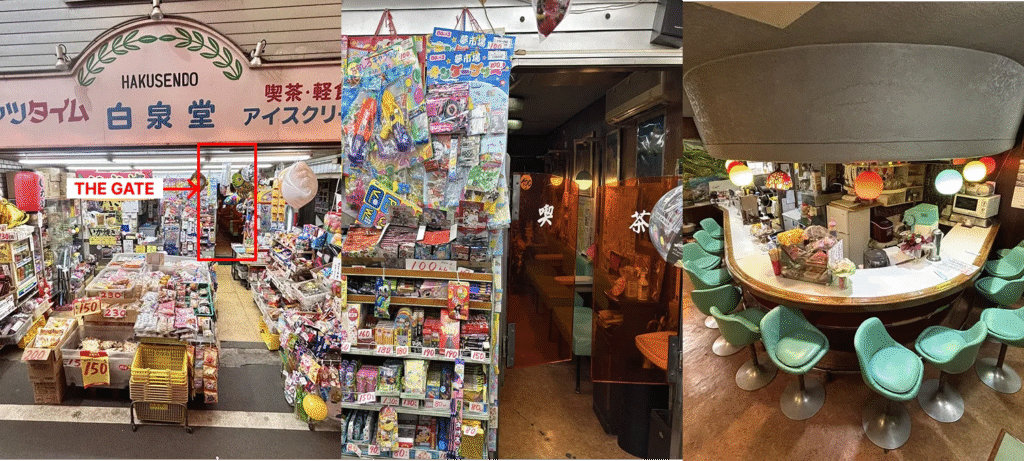
Part dagashi shop, part café, Hakusendo makes you work for the seating. You pass rows of penny sweets, colorful wrappers and childhood nostalgia, before reaching the walnut toned parlor tucked behind. The siphon coffee is syrup smooth, with a rounded sweetness that lingers. Locals insist it shines brightest alongside the crumbly butter toast, served plain and unapologetic, exactly how it has always been.
Smart Coffee — Teramachi, Kyoto
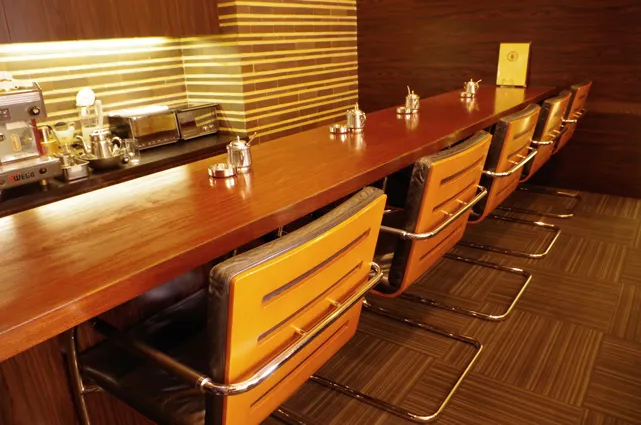
Founded in 1932, Smart Coffee balances refinement with comfort in a way only Kyoto seems to manage. Its fluffy French toast is lightly sweet, crisp at the edges, and paired with dependable medium roast siphon brews. It feels less like a café and more like a preserved morning routine from another era.
Café Soirée — Shijō, Kyoto
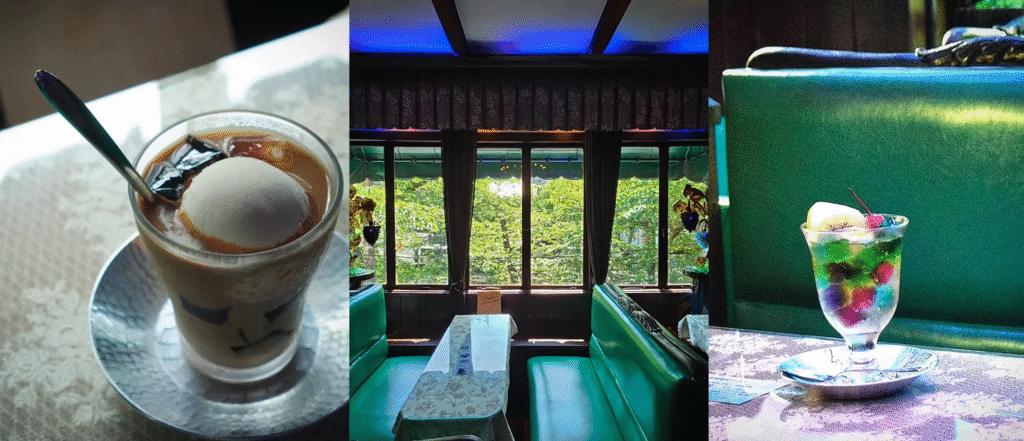
Step inside and everything shifts to cobalt. Neon lights bounce off mirrored walls, blurring reflections and stretching the space beyond its actual size. The signature Jelly Punch arrives glowing, rainbow cubes floating in clear soda like stained glass brought to life. Opened in 1948, this café has long been a favorite for evening conversations, first dates, and anyone drawn to Kyoto’s more theatrical side.
Kissa Dope — Sakae, Nagoya
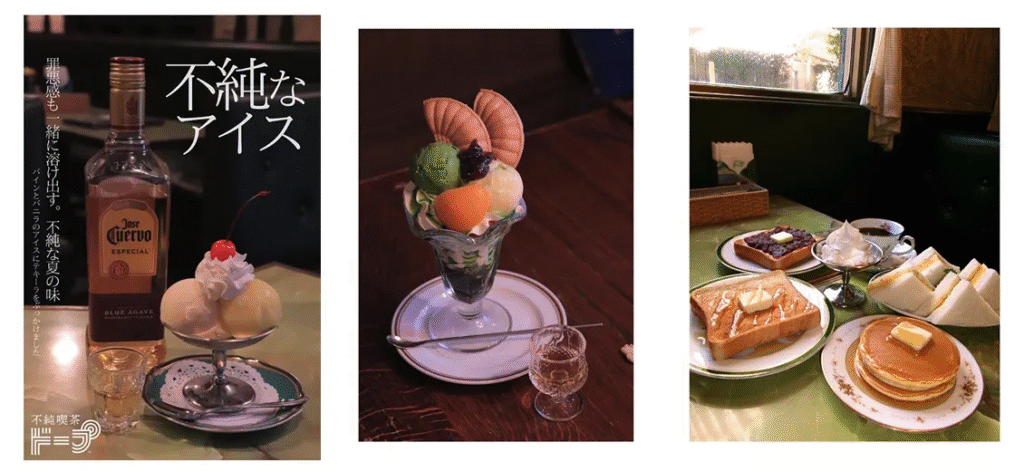
Minimalist from the street, unapologetically generous once seated. The morning service is the real draw, bringing complimentary toast, salad, and even miso soup without a hint of fuss. The house blend leans nutty and deeper roasted, aligning with Nagoya’s preference for bolder flavors. Regulars linger longer here, treating breakfast as an unhurried affair rather than a quick stop.
Handy Japanese Phrases
| 英语 | 日语 | Pronunciation |
|---|---|---|
| Hand-drip coffee | ハンドドリップコーヒー | hando-dorippu kōhī |
| Cream soda | クリームソーダ | kurīmu sōda |
| The bill, please | お会計お願いします | okaikei onegaishimasu |
Bringing the Nostalgia Home
Many cafés sell branded mugs or enamel keyrings. For a deeper rabbit hole, head to retro districts like Kōenji (Tokyo) or Amerikamura (Osaka) where record shops and glassware dealers stock Showa-era crockery, which serve as ideal souvenirs that will survive long after the caffeine rush fades.
Stepping Back in Time
Retro cafés are like living museums, preserving the furniture, recipes and social tempo that shaped modern Japan. Whether you crave flannel-filtered coffee, neon-blue jelly punch or simply a slower afternoon, a kissaten offers a soft-focus reboot of everyday life. Choose one from our quick picks, brush up on the phrases above, and let Showa warmth flavor your next city wander.