


Meet Pascale, an American student who chose Japan not because it was the easiest path, but because an early exchange experience made Japan feel personal. What started as curiosity about languages and cultures turned into a decision to study in Japan, even without strong Japanese ability at the beginning.
In this interview, Pascale shares what first sparked the interest, how the school choice was made, what felt difficult to adjust to, and what made the whole experience worth it in the end.
采访

1. Why study in Japan instead of studying in the U.S.?
“I originally studied Chinese and Arabic in high school, and I went to China for a couple months to study. After being abroad, I wanted to explore more cultures, different societies, and different languages. Then I got the opportunity to go to Japan for two weeks for an exchange program, and I really liked it. I went to Tokyo and Gifu, and I stayed with a host family. I didn’t really understand what they were saying because only one person spoke English, but I was like, I wish I could understand them. So I wanted to learn Japanese and explore more.”
2.您是如何在日本找到留学地点的?
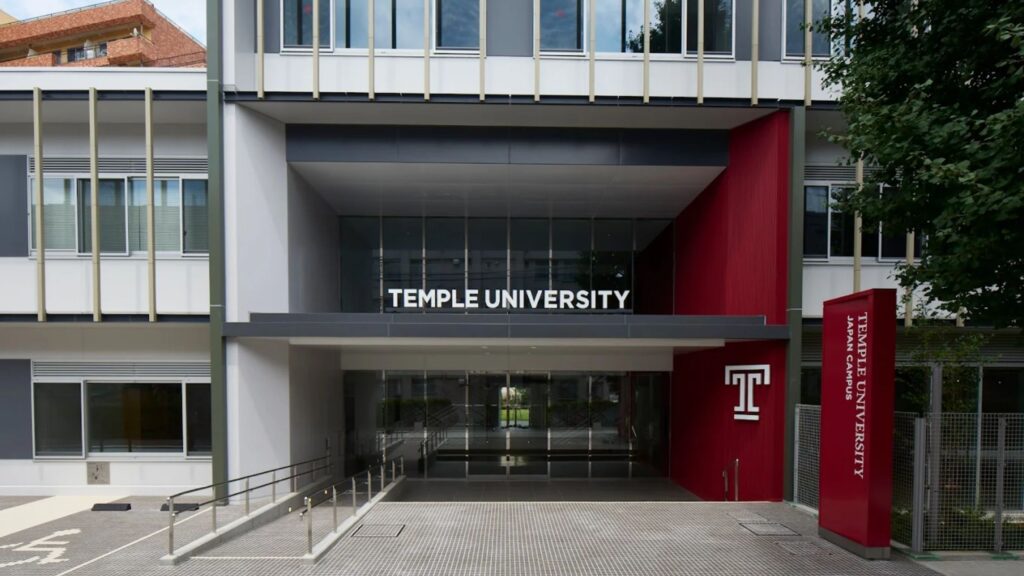
“I kind of took the easy route. I just found Temple university because they have a Japan campus. I was like, oh, just apply, and that’s what I did. There are other ways that are better, less expensive, and quite interesting, but that’s the route I took.”
3.找到留学日本的地方后,您有什么感觉?
“I was excited. I was really excited. I was kind of nervous because you’re going to a whole different country, and I didn’t really speak much Japanese, but I was really excited.”
4.您遇到了哪些困难,又是如何克服的?
“Finding a place to live can be kind of a challenge. And tax and stuff, you have to go to the ward office, and it’s very mental-time. My school is kind of American, so most classes were more American style, but my Japanese classes were kind of strict, and that was hard. It was hard to adjust to Japanese study culture.”
5.在日本学习的最大收获是什么?
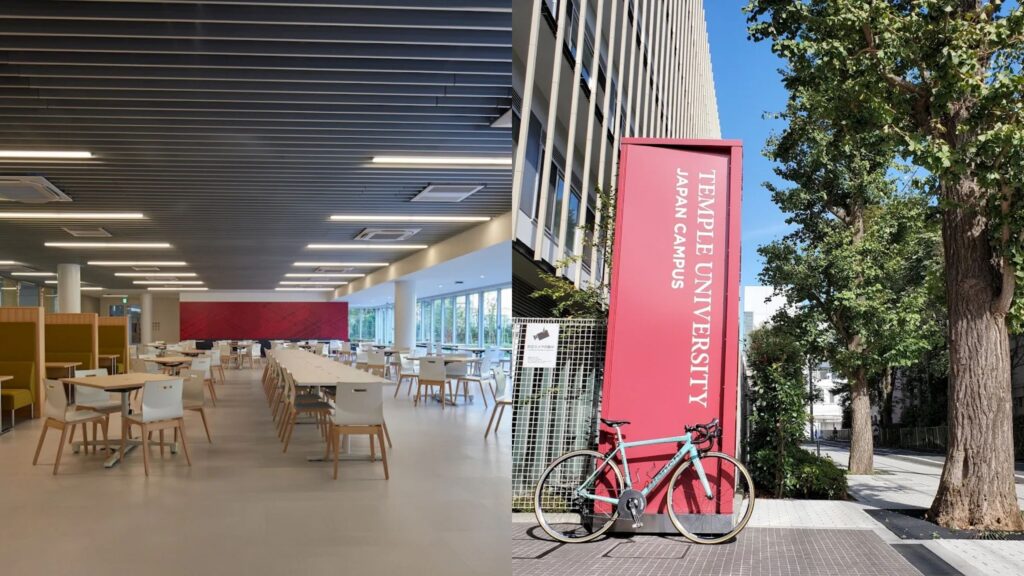
“Maybe the culture. Also, my school had a lot of different cultures, which was really cool.”
6.在日本学习如何为你现在的生活做好准备?
“I think it helped with cultural sensitivity and having a more open mind. When you leave your country to go study, you have to adapt to everyone, and that can really help going forward, understanding people and empathizing with people. I think it can help a lot. And it’s also a big motivation on communicating with people.”
7.您对想去日本留学的人有什么建议?
“I would say study for your JLPT. If you have N1, you can kind of go anywhere. Don’t give up. Japanese is a lot of paperwork, but you can do it.”
8. Final thoughts on the experience of studying in Japan?
“Each school is unique, and you’re going to have a different experience wherever you go, but it’s worth it. The good outweighs the negative.”
最后的想法
Pascale’s story shows how studying in Japan can start from a small moment, like wanting to understand a host family, and turn into something bigger. Even with paperwork, housing stress, and cultural adjustment, the experience can still feel worth it, especially when it expands how you communicate, empathize, and adapt in the world.
更多信息