


移居日本 - 免费咨询 免费咨询

Working Part-Time as a Barista in Japan: Hien’s Story

JoynTokyo 团队

想成为 JoynTokyo 的特色人物?

如果您目前在日本工作,并愿意分享您的经验,请申请在我们的故事文章中发表。.

我们将通过一份简单的表格对您进行采访,撰写文章,并在发表前将草稿发送给您,供您审批。.

申请专题报道

Meet Hien, originally from Vietnam, who has lived in Japan for about one year. While studying, Hien started working part-time in Japan at a coffee shop as a barista. It’s a very real “starter job” path for students and new arrivals looking up 在日本工作在日本的工作 because it’s accessible, it fits around class schedules, and it forces you to level up Japanese quickly.

In this interview, Hien shares what the daily job actually looks like, how the hiring process felt, what was hardest (spoiler: keigo), and what Hien would tell anyone trying to figure out 如何在日本找工作 as a student.

1. Can you introduce yourself

working part-time as a barista in Japan - working in japan 2

“My name is Hien. I’m from Vietnam, and I’ve lived in Japan for one year. Right now I’m studying here, and I also work part-time, so my life is kind of a balance between school and work.

2.能否介绍一下您目前在日本的工作?您每天都做些什么?

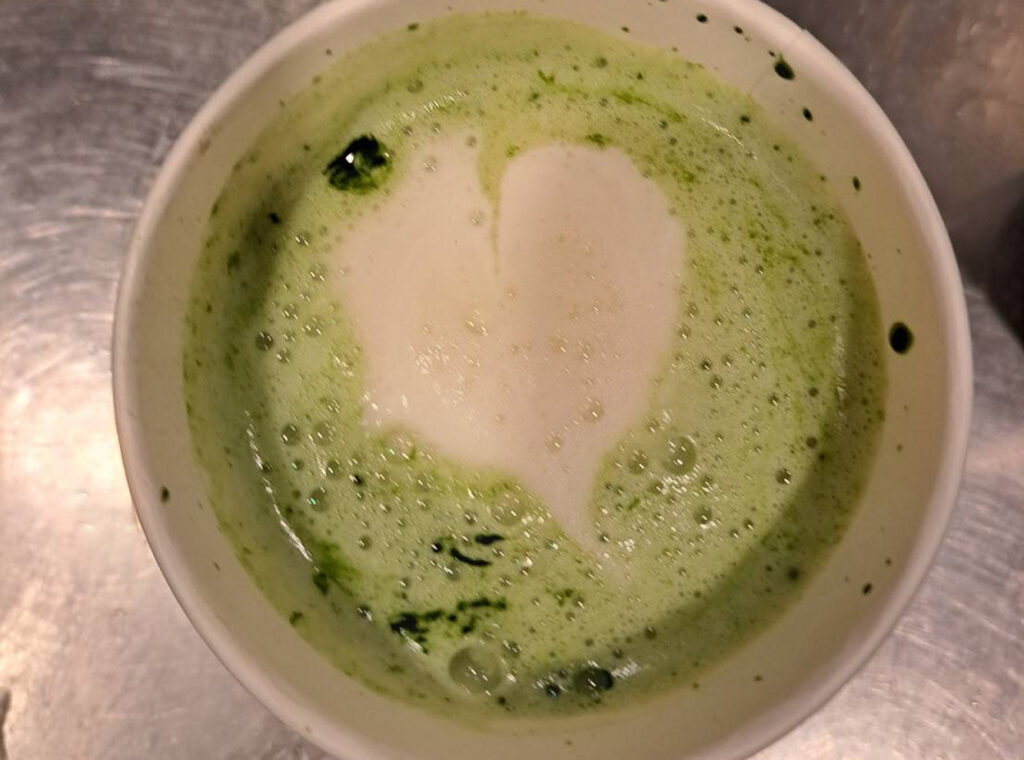
“Now I’m working in a coffee shop as a barista. My workplace has both morning and night shifts, and I usually work the night shift because it fits my school calendar better.

“When I start my shift, firstly I clean the coffee machine area and make sure the barista station is ready. I check stock and ingredients to see what we have and what is running low. I also check the half-day profits or the handover information from the previous shift, so I know what happened earlier.”

“After that, most of my time is standing at the barista area. I check orders, make drinks carefully based on the order, and I also pay attention to customers. If they have questions about the menu, ingredients, or anything else I need to respond politely and clearly.”

“At the end of the shift, I clean the whole shop, check stock again, and write notes for the morning team. If something is low, if there was an issue, or if there’s anything the next shift needs to know, I leave it clearly so they can start smoothly.”

3. Why did you want to work in Japan specifically, instead of your home country (or another country)?

working part-time as a barista in Japan - IMG 1247 1

“To be realistic, the pay in Japan is quite high compared to what I expected, so that was one reason I wanted to work here.”

“Another reason is language. I know some English and Japanese, so working here lets me actually use those skills in real life. My coffee shop doesn’t only have Japanese customers there are foreign customers too so sometimes English is useful, and sometimes Japanese is necessary. ”

4.您是如何在日本找到工作的?

“I found the job on the internet and applied. I didn’t get it through connections or referrals. I just searched, found the listing, and sent my application.”

5.您的申请和面试过程是怎样的?

“It was only one interview. They asked me basic questions about my life and my personality like what kind of person I am, what my schedule looks like, and if I can handle customer service.”

“I think because it’s a part-time job, the process was much easier than full-time job hunting in Japan.”

6. What were the biggest difficulties you encountered in the job search or starting work? How did you overcome them?

“The biggest difficulty is language especially keigo. Working as a barista means talking to customers all the time, and in Japan you’re expected to speak politely. Keigo is hard, and I’m not Japanese, so I made a lot of mistakes in the beginning.”

“To overcome it, I asked my colleagues to help me practice speaking every day. I learned by copying their phrases, listening to how they respond, and then trying it myself. ”

7.迄今为止,在日本工作的最大收获是什么?

working part-time as a barista in Japan - image 27

“My working environment is really nice. People are friendly and supportive. That matters a lot when you’re a foreigner and still learning Japanese.”

9.在日本工作对您个人或职业有什么改变?

“I think working here made me stronger in communication. Before, I only studied Japanese in class, but work forces you to use Japanese in real situations, with real pressure customers waiting, coworkers depending on you, and the need to respond quickly.”

9. If someone wants to work in Japan, what should they prepare in advance?

“I think confidence and language skills are the most important. Even for part-time jobs, communication matters a lot. If you can’t speak at all, it becomes very stressful, especially in customer service.”

受到这个故事的启发?

开始 您自己的日本之旅 专家指导

就像您上面读到的那个人一样,您也可以成功移居日本。为您在日本的工作、学习或生活提供个性化支持。.

预约免费咨询

✓ 500 多次预订 ✓ 会讲英语的搬迁支持专家

10. Any final thoughts you’d like to share about the experience of working in Japan?

“Overall it was a great experience. It’s not always easy, especially with Japanese language and keigo, but it helped me improve fast. I feel like part-time work in Japan is not only about earning money it’s also one of the fastest ways to understand real Japanese life and grow your confidence.”

- 赞助
分享本文
我们将为您提供见解、指导和实用建议,帮助您在东京安顿下来,适应外国人的生活,并充分利用您的新体验。.