


我的故事获得日本工作签证

托比亚斯-沃特斯

When I first received a job offer in Japan, I felt both excitement and anxiety. I quickly realized that a job offer and a plane ticket alone wouldn’t be enough—I needed an official work visa. Obtaining a visa in Japan can be a lengthy process, so here’s my personal experience, along with practical tips to help you prepare.

Understanding Which Visa You Need

Before diving into any application process, it’s crucial to confirm the correct visa category. In many cases, you’ll need an “Engineering/Humanities/International Services” work visa—an umbrella category covering a wide range of professional roles. If you plan to work in a public school, however, you’ll typically need an Instructor visa, while highly specialized workers might apply for a Highly Skilled Professional visa. For some individuals, a Working Holiday visa could also be an option if their home country has a reciprocal agreement with Japan.

提示

Always verify the specific requirements for your particular visa category on the official websites of the Ministry of Foreign Affairs (MOFA) or Immigration Services Agency of Japan.

My Visa Journey

The Importance of the Certificate of Eligibility

Japan work visa - 6 1

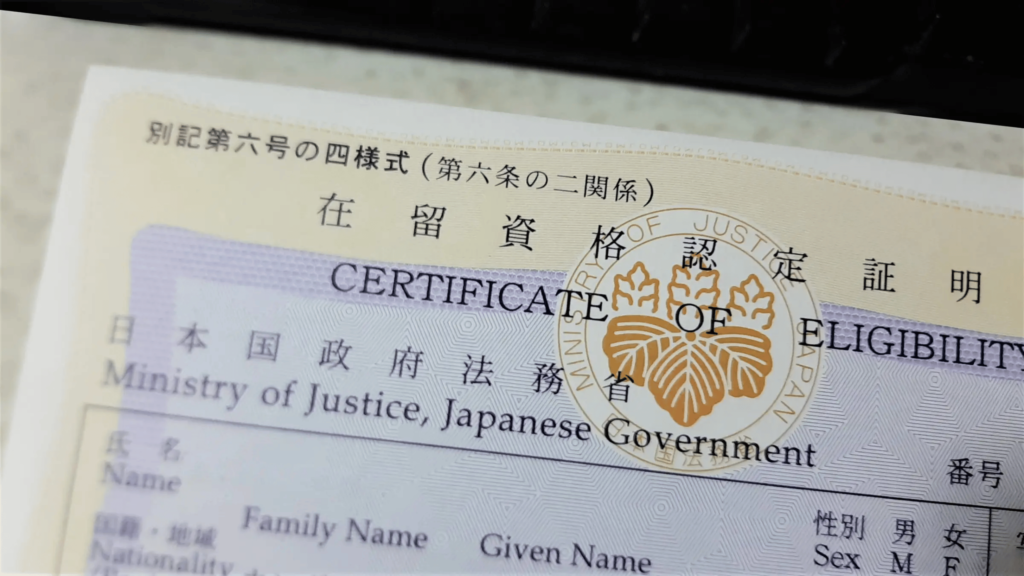
My experience began when I received a job offer while I was already visiting Japan. Although it sounds convenient, it’s nearly impossible to convert a tourist visa to a work visa directly. Generally, you must leave Japan and apply through a Japanese embassy or consulate in your home country.

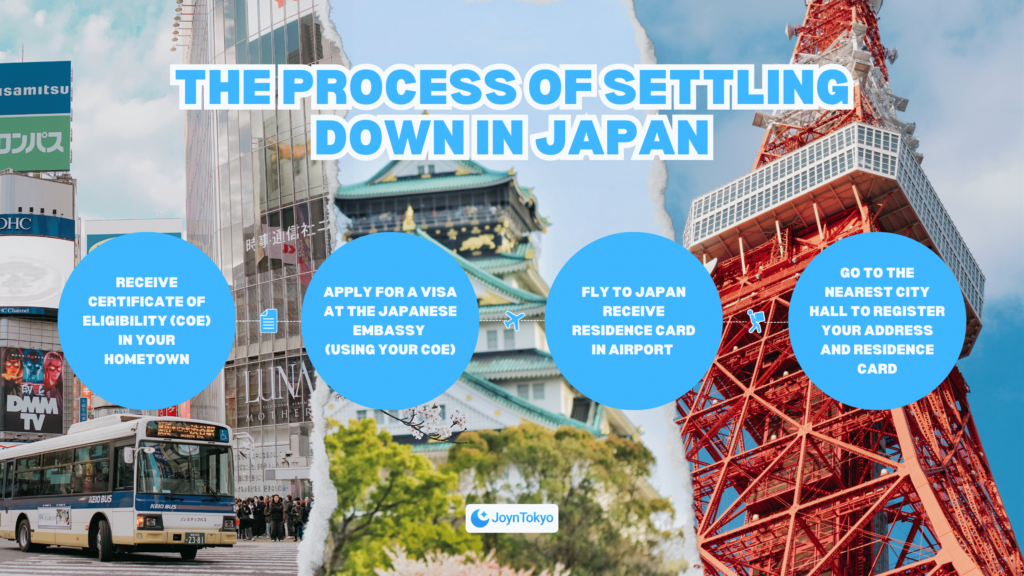
Before you can apply for a work visa, your employer or sponsor in Japan must secure a Certificate of Eligibility (COE). This document proves you meet the visa’s requirements—adequate financial support, relevant academic qualifications (often a Bachelor’s degree), and a genuine job offer. My prospective boss had to sign off on paperwork stating they’d cover any repatriation costs if I somehow couldn’t afford to return home. Though rare in practice, Japan’s immigration system likes to ensure every detail is formally documented.

Visiting the Immigration Bureau at Shinagawa

I was in the unique position of personally submitting my paperwork at the Immigration Bureau in Shinagawa, sometimes referred to (half-jokingly) as the “Disneyland of bureaucracy.” It’s a busy place, so plan for a full day. Bring a book or something to keep you occupied.

  • Language Support: Fortunately, there are English signs to help you navigate.
  • Errors: If you make a minor mistake on your forms, staff will usually flag it and guide you on how to correct it. They want to help you succeed, but any edits must be done by you—the officials cannot modify your forms themselves.

The Waiting Game: From Submission to Approval

Once the Immigration Bureau accepts your COE application, the real wait begins. Expect anywhere from one to three months for processing (though in my case, it took nearly five!). Unfortunately, there’s no surefire way to speed things up.

Note

Increased digitalization has reportedly shortened wait times in some cases, but be prepared for delays. Maintaining patience is key.

Receiving the Certificate of Eligibility

When the COE is finally issued, it’s often sent to your employer’s address. They’ll forward it to you so you can complete the next stage of applying for your visa at a Japanese embassy or consulate. Make sure you don’t postpone this step—if you fail to enter Japan within three months of the COE’s issuance, it becomes invalid.

Finalizing Your Visa at the Embassy or Consulate

After you receive the COE, head to the nearest Japanese embassy or consulate in your home country. Submit your COE alongside the required visa application documents. Typically, you’ll wait a few business days before returning to collect your new visa.

Crucial Reminder

Different embassies may have varying procedures or required forms. Double-check the details on your local Japanese embassy’s website or contact them directly for up-to-date instructions.

Arriving in Japan: Post-Visa Steps

Getting Your Residence Card

With your newly issued visa, you can finally board your flight to Japan! Upon arrival, let airport officials know you have a work (or other long-term) visa. They’ll guide you to the right counter for additional paperwork and taking your photo. You’ll then receive your Residence Card (在留カード), commonly called a “Zairyu Card.” Make sure you have your Japanese address ready, if possible.

Registering at Your Local City Hall

Once you have your Residence Card, you must register your address at your local city or ward office within two weeks. You’ll need to repeat this process any time you move to a new residence in Japan.

Conclusion

Japan work visa - 7 1

Acquiring a work visa for Japan can be a lengthy and occasionally nerve-wracking process, but with the right preparation and realistic expectations, it’s entirely achievable. From securing your Certificate of Eligibility to surviving long lines at the Immigration Bureau, every step brings you closer to starting your new life in Japan. Remember to consult official resources, stay organized, and lean on employer or community support when possible. Once you’ve completed these final steps and have your Residence Card in hand, you’re all set to begin your adventure in the Land of the Rising Sun!

分享本文
托比亚斯从事编辑和作家工作已有十余年,最初在伦敦一家法律出版社工作,2019 年移居东京。 搬到日本首都后,他担任过助理翻译,撰写或编辑过各种主题的文章,包括汽车、医药、电子游戏、经济、葡萄酒、教育和旅游。他甚至还评论过日本推出的第一款 CBD 啤酒! 业余时间,他喜欢看电影、玩电子游戏、唱卡拉 OK 和去当地的公共澡堂洗澡。他最喜欢的神奇宝贝是神狐,最喜欢的食物是咖喱。他从不谈论 2008 年金融危机如何影响了现代世界的一切。.