


Japan offers a unique mix of modern NSAIDs, gentle paracetamol doses, and centuries-old Kampo herbal formulas. This guide will take foreign residents and visitors through how to choose, buy, and use fever medicine in Japan, both safely and cost-effectively.
The Basics of Japanese Antifever Medicines
Before grabbing a familiar brand, note that Japan regulates dosages conservatively and leans heavily on pharmacist guidance. Average over the counter tablets contain 100 mg of ibuprofen or 300 mg of acetaminophen, about 30% lower than many Western equivalents.
Always monitor your temperature: if a fever tops 38.5°C (101.3 °F) or lasts more than three days, seek medical advice.
Key Over The Counter Ingredients
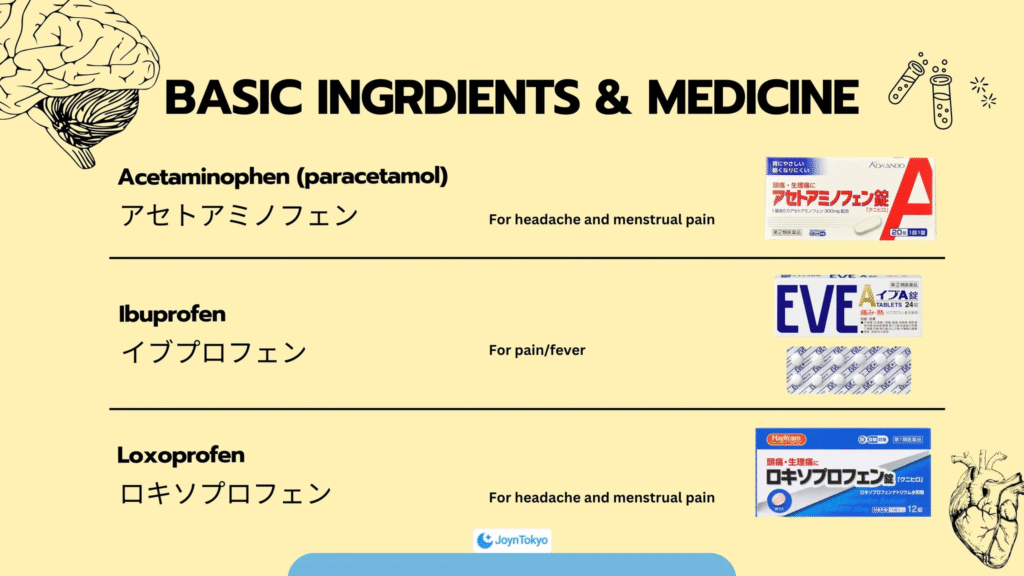
| Ingredient | 日本名称 | Typical Adult Dose per Tablet | 说明 |
|---|---|---|---|
| Paracetamol | アセトアミノフェン | 300 mg | Gentler on the stomach |
| Ibuprofen | イブプロフェン | 100 – 200 mg | Fast anti-inflammatory effect |
| Loxoprofen | ロキソプロフェン | 60 mg | Stronger than ibuprofen, but tough on the liver. |
Over-the-Counter Options
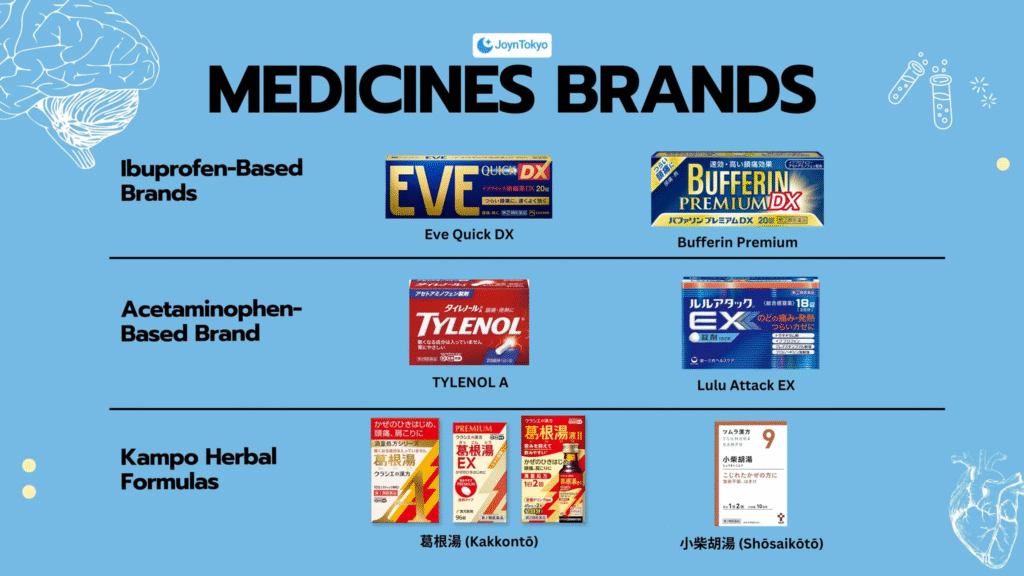
First-time visitors should be aware that Type 2 OTC drugs can be picked up freely, whereas Type 1 OTC drugs require a quick counselling session, and sometimes a signature of consent.
Ibuprofen-Based Brands
- Eve Quick DX, Bufferin Premium
- Adult dose: 2 tablets (200 mg ibuprofen). Take after food to protect the stomach and never mix with alcohol.
Acetaminophen-Based Brands
- Tylenol A, Lulu Attack EX
- Tylenol supplies 300 mg per tablet. Lulu adds vitamin B₆ and herbal extracts for fatigue relief.
Kampo Herbal Formulas
- Kakkontō for the “chill‐and-stiff-neck” stage of a cold.
- Shōsaikōtō for lingering low-grade fevers. Caution: Kampo can interact with prescription drugs, so inform your pharmacist of any medication you take.
When to See a Doctor
If you have a high fever, as well as a stiff neck, rash, or dehydration warrants professional care. Show your health-insurance card at check-in; national insurance covers 70% of costs, keeping most consultations under ¥3,000.
Common Prescription Antifever Drugs
| Drug | Form | Indication | Typical Out-of-Pocket Cost* |
|---|---|---|---|
| Loxoprofen (Loxonin) | Tablets | Post-operative or bacterial fever | ¥650 – ¥900 (3 days) |
| Diclofenac | Suppository | Severe inflammatory fever | ¥700 – ¥1,000 |
| Intravenous Acetaminophen | IV drip | Hospitalized patients | +¥1,500 |
Preparing for a Clinic Visit
It is a good idea to bring written allergy information, your residence card, and if you are visiting with children, the maternal and child health handbook. Having these documents ready can speed up registration and help staff understand your medical background more clearly. Many clinics in Japan now accept credit cards, especially larger facilities, but smaller neighborhood clinics may still require cash, so carrying some yen is a sensible precaution.
Safe Shopping at Drugstores
In Japanese drugstores, medicines are usually organized by symptom rather than by brand name. Shelves often use color coded tags and clear labels to group items for things like colds, stomach issues, or allergies, which makes browsing easier even if you do not read much Japanese. Taking a moment to match your symptoms to the shelf categories can save time and reduce confusion.
Reading Labels
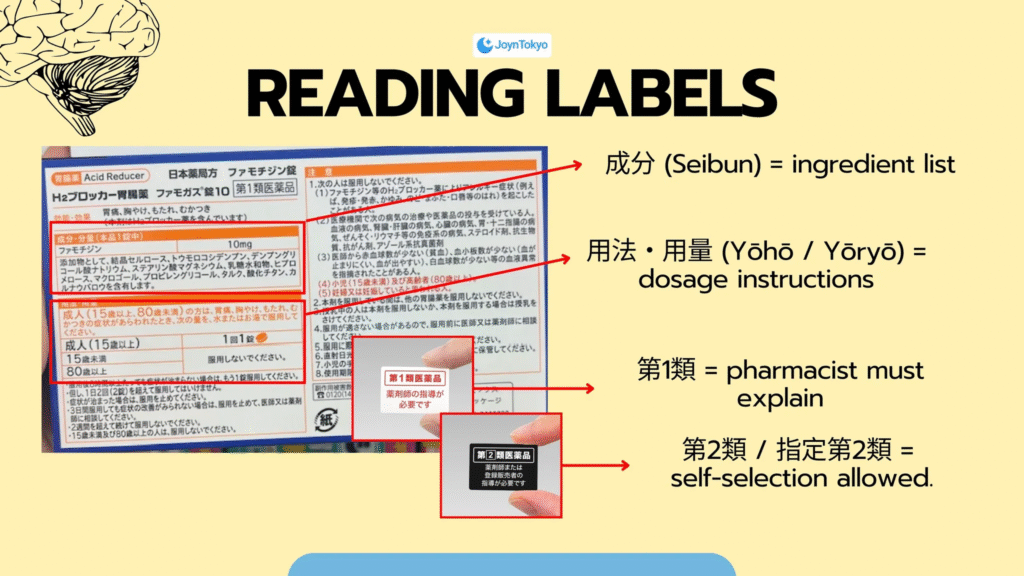
- Seibun (成分) = ingredient list
- Yōhō / Yōryō (用法・用量) = dosage instructions
- 第1類 = pharmacist must explain
- 第2類 / 指定第2類 = self-selection allowed.
Children’s Medicine
When buying medicine for children in Japan, avoid using adult tablets and never split them. Look instead for products clearly labeled, which means they are made specifically for children, and these often come as powders or syrups, such as Bufferin Kids Syrup. Dosage is usually calculated by weight rather than age, so take time to check the dosage chart printed on the side of the package before giving any medicine.
Interaction Warnings
Avoid doubling up on ibuprofen or caffeine when taking multi-symptom cold remedies. If you use anticoagulants, consult a doctor before using any NSAID.
Quick Reference Table
| 情况 | Best First Step |
|---|---|
| Mild post-vaccine fever | Acetaminophen (Tylenol A) |
| Stiff neck and chills | Take kakkontō sachets |
| Fever of over 38.5 °C for 72 h | Visit your local clinic |
| A Child 12 kg with a fever of 38 °C | Take Bufferin Kids Syrup (per the label) |
| Fever in an adult at night | Call #7119, locate 夜間救急薬局 (Night Time Emergency Pharmacy) |
Key Take Aways
Managing a fever in Japan is straightforward once you understand dosage norms, drug classes, and when to seek help. Combine pharmacist advice with careful label reading, and you’ll stay comfortable, and safe through cold season, vaccinations, or unexpected illnesses.
免责声明
This article is for informational purposes only and does not constitute medical advice. We are not medical professionals. Always consult a qualified healthcare provider before starting any medication or treatment, especially if you have underlying conditions or are taking prescription drugs.
更多信息