
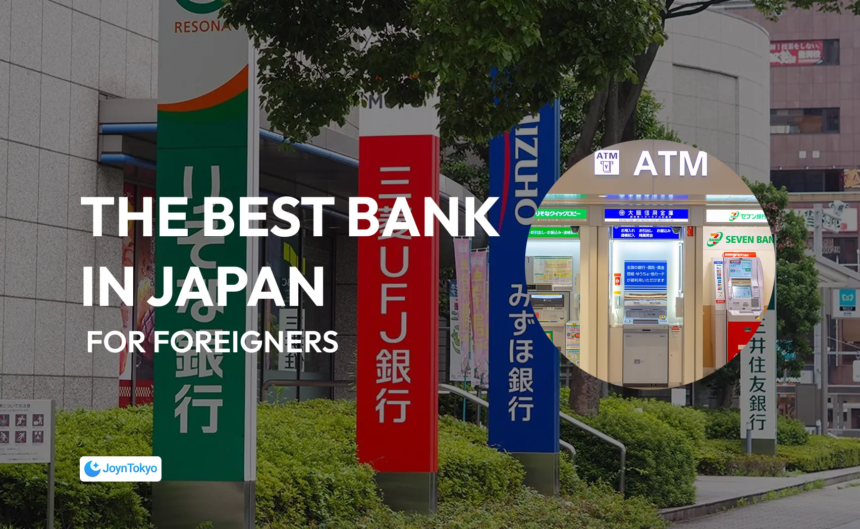

Finding a good bank in Japan as a foreign resident is mostly about English support, ATM access, app usability, and transfer fees. Some banks are great for everyday salary and bill payments, while others are better if you send money overseas often. Below are the best options, plus quick tips to help you choose the right one without wasting time.
New to life here? This moving to Japan guide covers all the ways you can start a new life in Japan.
更多信息

Top Banks in Japan for Foreigners
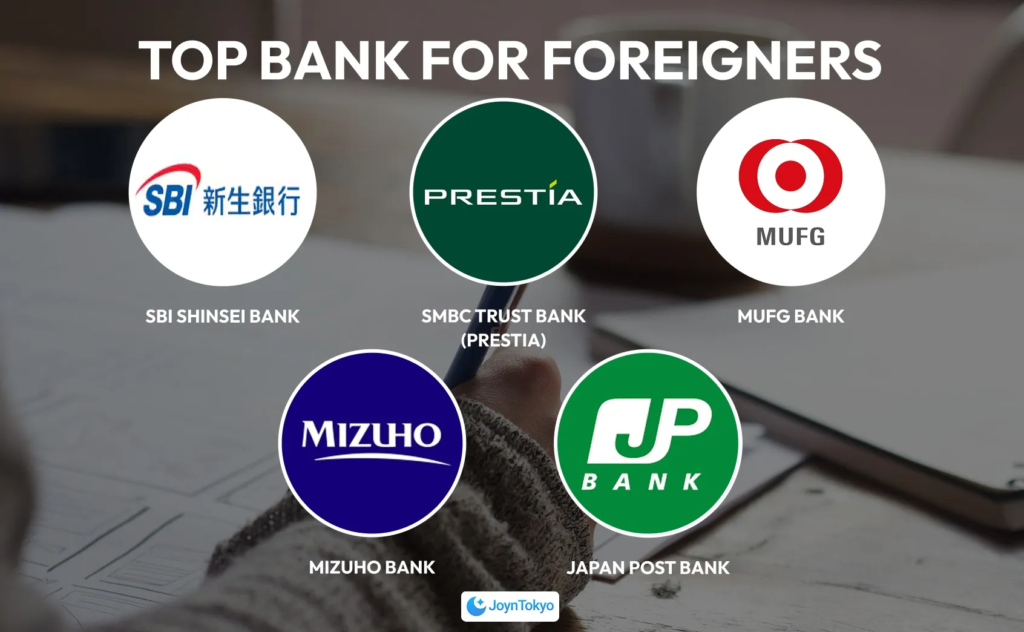
These banks are popular with foreign residents because they’re easier to use, more accessible, or offer better support than the average local branch.
SBI Shinsei Bank
SBI Shinsei is one of the most foreigner friendly banks in Japan, mainly because it offers strong English support and a clean online banking experience. It’s a good choice if you want to manage most things digitally instead of visiting a branch. Branch locations are limited compared to megabanks, but ATM partnerships make everyday withdrawals manageable.
SMBC Trust Bank (Prestia)
Prestia is a solid option if you need international features, like foreign currency services or overseas friendly banking. English statements and global style support make it appealing for long term residents, business professionals, and people who transfer money abroad often. Just keep in mind that fees can be higher than regular domestic banks.
MUFG Bank
MUFG is Japan’s biggest megabank and one of the easiest choices if you want maximum convenience. It has a huge branch and ATM network, and it’s widely accepted for salary deposits, direct debits, and general daily banking. English support exists in major cities, but it can be inconsistent outside central areas.
Mizuho Bank
Mizuho is another megabank with strong nationwide coverage and reliable everyday banking services. It works well if you want a stable, familiar setup for things like salary payments and bills. English support varies by branch, and the overall process can feel a bit rigid compared to more digital friendly banks.
Japan Post Bank
With a presence in practically every post office in Japan, Japan Post Bank is extremely convenient for everyday transactions. While it may not excel in comprehensive English support, its massive reach and comparatively low domestic service fees make it appealing for many residents. It is also highly accommodating to those on work holidays visas. Check out this article on opening Japan Post Bank from cross the border.
Practical Tips for Choosing the Best Bank in Japan
Selecting the right bank hinges on matching its services to your lifestyle and financial habits. Here are a few final pointers to keep in mind:
- Assess Your Most Common Transactions If you make frequent overseas remittances, an international-friendly bank might save you in fees and language hassle. If you rarely send money abroad and focus on local transactions, you may prefer a large domestic bank or Japan Post Bank for easy ATM access.
- Compare Digital Offerings Check whether the bank’s website, mobile app, and notifications are available in English — or if they are at least intuitive. Digital functionality can make or break your banking experience, especially if visiting a branch in person is inconvenient.
- Stay Up to Date Bank policies, fees, and English support can change over time. Always confirm the latest information on official websites or by calling customer service. Reading user reviews can also provide insights into the actual experience.
- Be Clear on ‘Power Bank’ vs. ‘Banking Services’ The term “best power banks in Japan” can appear as a popular search phrase but refers to portable chargers, not financial institutions. Keep that in mind when researching options online.
Deciding is one part of the battle, the next step is the actual process of opening a bank account in Japan!
更多信息
Domestic Banks
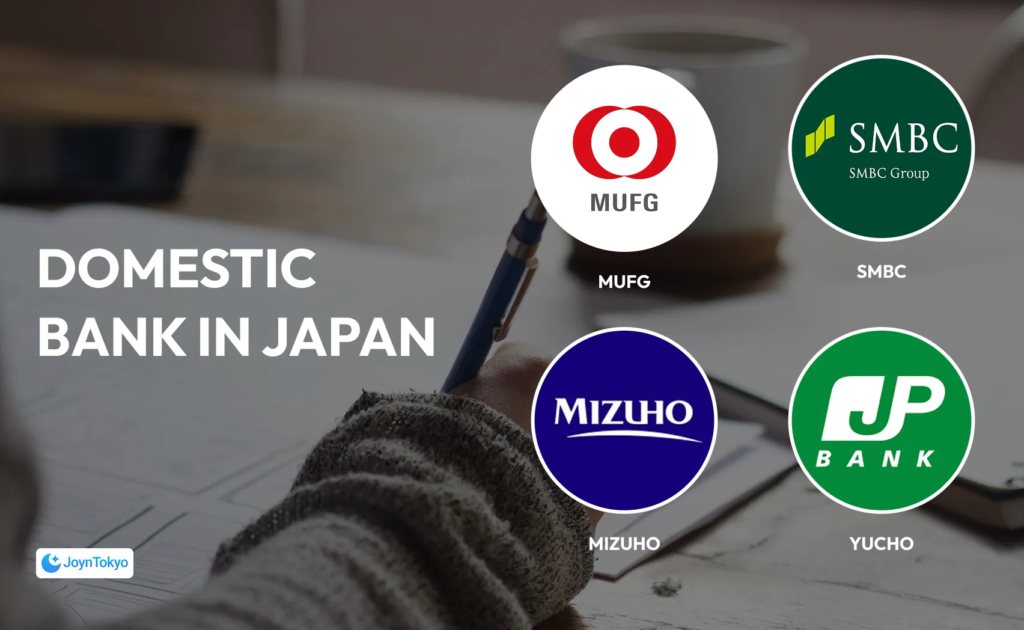
Domestic banks like MUFG, SMBC, and Mizuho are often considered top banks in Japan due to their nationwide presence and extensive ATM networks. They are convenient for salary deposits and other routine transactions. However, English-speaking staff and documents are not always available at every branch — and this is particularly true outside of major cities.
International Banks
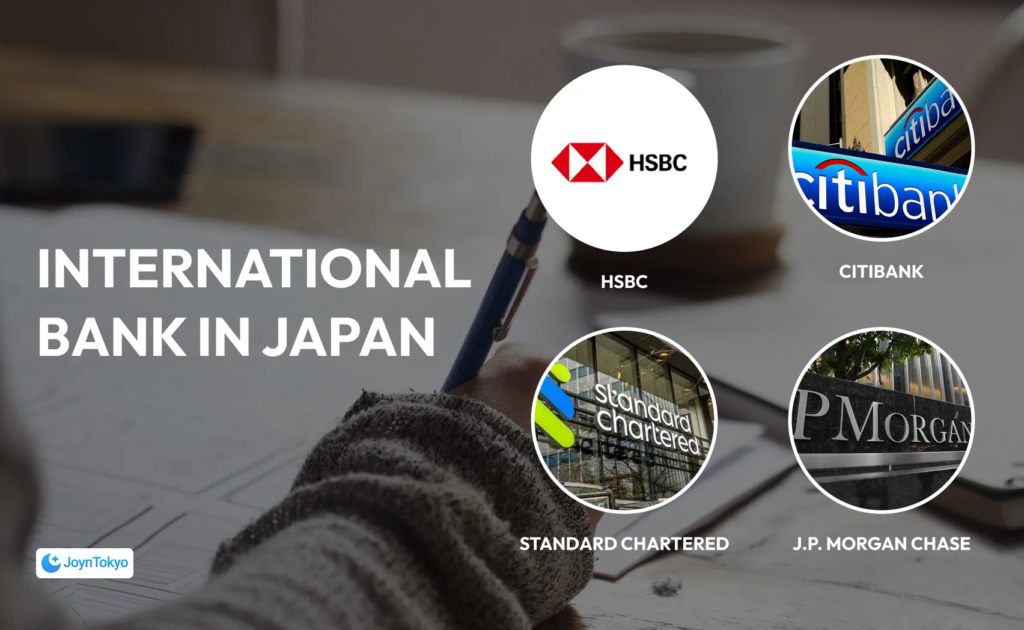
On the other hand, international banks and foreign-based institutions may offer better language support, especially for account opening, international remittances, and customer service. Their smaller physical footprint means you might not find branches or ATMs as easily, but if you frequently transfer money abroad or need English-language services, an international-oriented bank might be your best bet.
Key Factors for Foreigners to Consider
Choosing a bank is not just about location or name recognition; it involves several other practical considerations. By focusing on language support, fee structures, and digital services, you can greatly enhance your banking experience in Japan.
Language Support
One of the main concerns for newcomers is language. A few Japanese banks excel in offering multilingual customer service and comprehensive English-language tools. SBI Shinsei Bank, for example, is well-known for its English-language phone support, online banking interface, and relatively straightforward application process. For many non-Japanese speakers, these services can remove much of the stress associated with managing finances abroad.
Fee Structures
Fees are another important aspect. These may include monthly maintenance fees, ATM withdrawal fees (especially outside regular hours), and international transfer fees. For example, Japan Post Bank generally has lower domestic fees and a massive network of ATMs, but its international transfer fees may not be as competitive. Be sure to research both domestic and overseas charges, especially if you anticipate sending money to your home country.
Accessibility and Technology
In Japan, cash is still king, with some stores not yet accepting credit or debit cards. This makes ATM availability a key consideration. Domestic banks usually have extensive ATM coverage, while foreign-based banks might rely on partner ATMs or convenience store machines. However, smaller institutions sometimes excel in digital services. Their mobile apps may offer English interfaces, making daily tasks — such as checking balances or transferring funds — much easier. If you frequently use mobile payment systems (like PayPay, LINE Pay, or other e-wallets), check whether your chosen bank integrates seamlessly with these platforms.
If you need recommendations for credit cards in Japan:
更多信息
Disclaimer
This article provides general information only and does not constitute professional financial advice. For the most accurate and detailed guidance, consult each bank’s official website or contact a financial professional. Requirements, fees, and available services may vary based on changes in regulations or individual circumstances.
By carefully assessing each bank’s features — language support, fee structure, ATM coverage, and digital integration — you can find the perfect partner for your financial life in Japan. A well-chosen bank account will not only simplify everyday transactions but also give you greater peace of mind as you settle into your new environment.