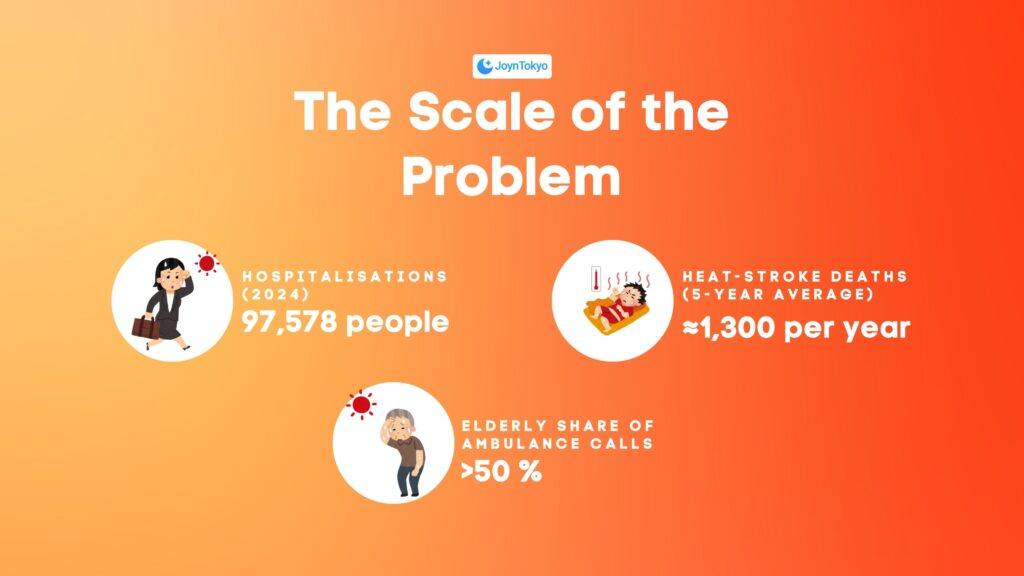
Every summer, high heat and humidity cause many people to fall ill, including locals and visitors alike. The danger comes less from raw temperature and more from humidity, routine, and hesitation to stop and rest. Knowing how heat stroke develops, how to prevent it step by step, and how to treat it based on severity can save your health and even your life.
Why heat stroke is such a problem in Japan

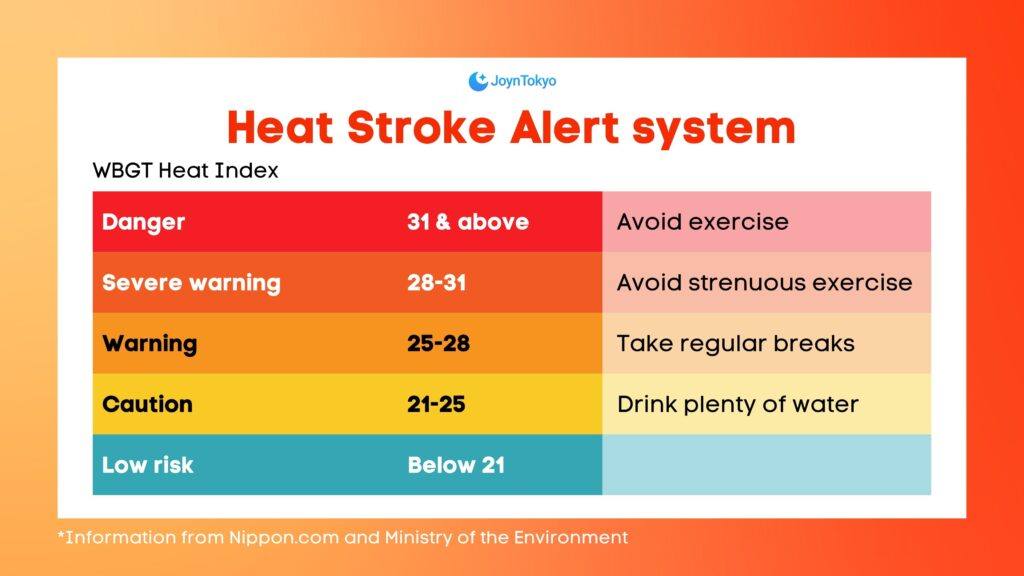
Japan’s summers combine high humidity with temperatures often above safe levels, making it harder for the body to cool itself through sweat. The official Heat Stroke Alert system – issued when the wet bulb globe temperature (WBGT) is predicted to be dangerously high.
Urban environments often trap heat, and long days spent commuting, working outdoors, or sightseeing increase risk. Heat stroke can happen during everyday activities, not just during strenuous exercise.
Common symptoms of heat stroke by severity

As heat stroke develops in stages, early symptoms are often ignored, allowing the condition to worsen quickly.
| Severity level | Signs to watch for |
|---|---|
| Mild | Dizziness, light headache, muscle cramps, heavy sweating, general fatigue |
| Moderate | Strong headache, nausea, vomiting, weakness, difficulty concentrating |
| Severe | Confusion, slurred speech, trouble walking, very hot or dry skin, fainting, unconsciousness |
How to prevent heat stroke in Japan (step by step)
Hydration strategies

Staying ahead of dehydration is essential. Drink water before you feel thirsty. In Japan you’ll find sports drinks like Pocari Sweat 和 Aquarius widely available at convenience stores and vending machines; they replace both fluids and electrolytes lost through sweat better than plain water alone.
Tips:
- Carry a refillable bottle and top up at public water stations.
- Keep chilled drinks frozen the night before to prolong cool hydration.
Cooling clothing and accessories

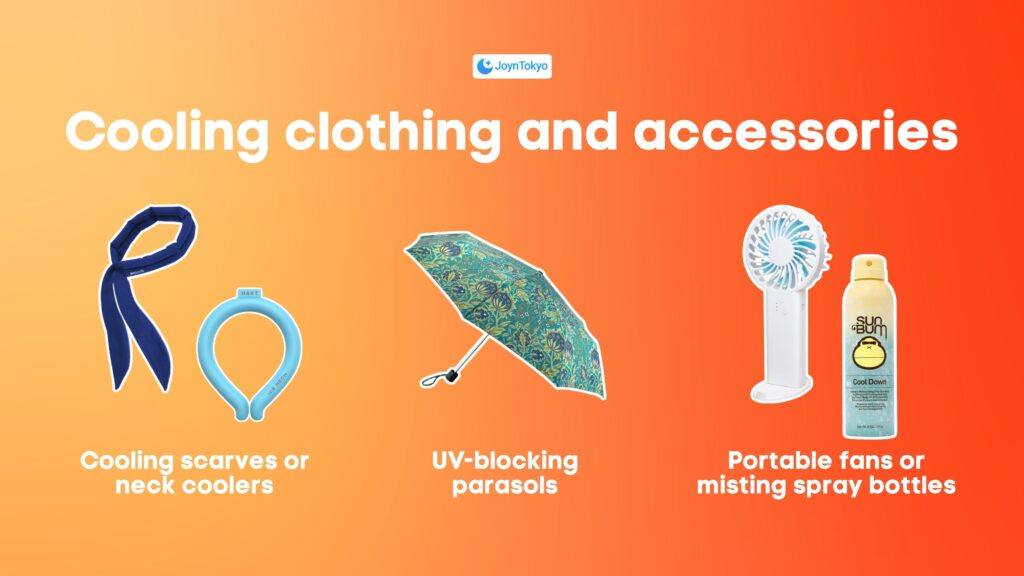
Light, breathable clothing helps heat escape from your body. In Japan you can easily find:
- Cooling scarves or neck coolers that soak up water to keep skin cooler.
- UV-blocking parasols to shade yourself during outdoor walks.
- Portable battery-powered fans or misting spray bottles to increase air circulation and evaporation.
These items are often sold at convenience stores, drugstores and electronics shops throughout Japan, especially in summer.
更多信息
Smart breaks and shade habits
Avoid being outside midday when the heat and humidity peak. Seek shade in parks, under trees, or at shaded rest areas. Public facilities like libraries, malls, community centers, or designated cooling shelters are often open during heat waves to offer respite.
Use air conditioning wisely
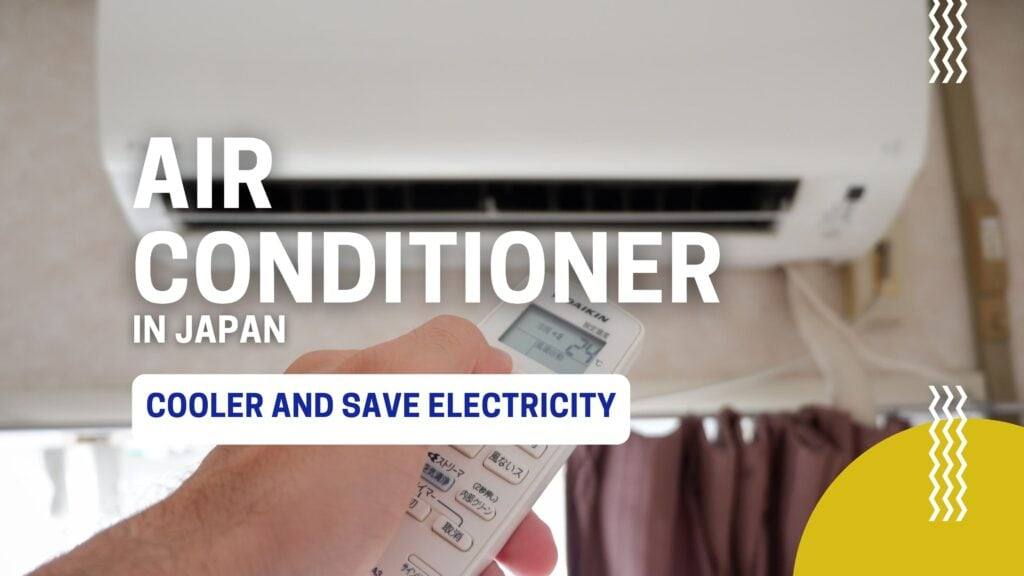
Heat stroke often occurs indoors when rooms are poorly ventilated. Use air conditioning to keep interiors cool. If electricity costs are a concern, keep curtains closed to block sunlight and focus cooling on one room rather than the whole home.
更多信息
Recognize official alerts and act on them
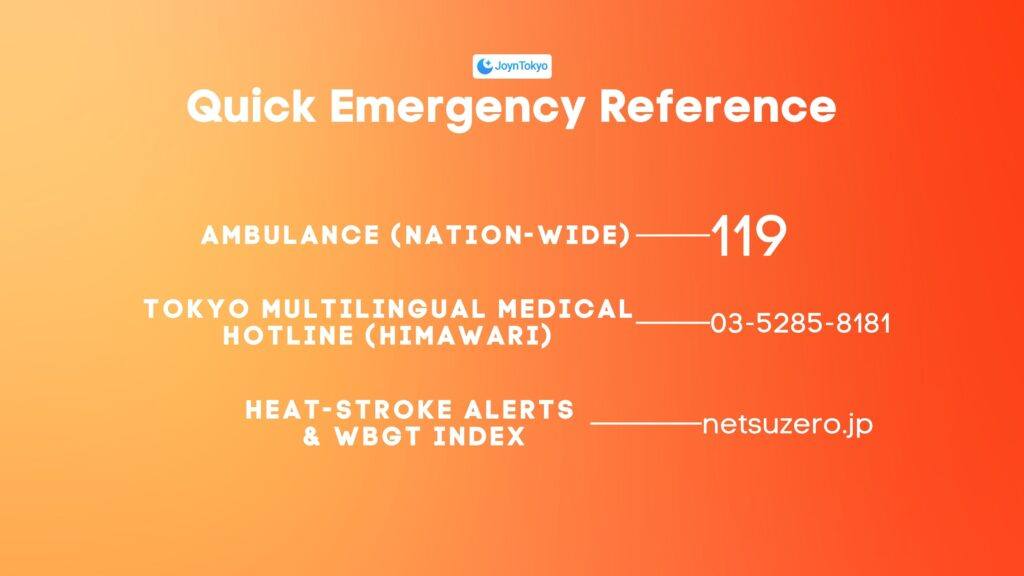
Japan’s heat stroke alerts from the Ministry of the Environment and Japan Meteorological Agency are issued daily during summer and can guide decisions about outdoor activity. Checking these before you head out helps you plan safer routes or postpone plans.
How to treat heat stroke based on severity
Treating mild heat stroke
If someone feels dizzy, crampy, or unusually fatigued:
- Move them to a cooler location right away.
- Loosen clothing and apply cool, damp towels.
- Give small sips of water or a sports drink like Pocari Sweat.
If symptoms improve within minutes, rest and hydration are usually sufficient.
Treating moderate heat stroke
For stronger symptoms like nausea or inability to focus:
- Increase cooling by placing ice packs or cold towels on the neck, armpits, and groin.
- Encourage slow hydration if tolerated.
- If symptoms persist or worsen, seek medical help or go to a clinic.
Treating severe heat stroke

Severe signs – confusion, trouble walking, unconsciousness – require urgent attention:
- Call 119 immediately for an ambulance.
- Do not force fluids if the person is vomiting or confused.
- Continue active cooling (ice packs, airflow) while waiting for professional help.
Emergency services in Japan are well equipped for heat stroke cases, and early action can prevent complications.
Preventing and treating heat stroke in Japan means planning ahead, using simple tools and products, and reacting early at the first sign of trouble. With the right habits and awareness of your body’s limits, you can stay safe and enjoy summer without turning discomfort into danger.