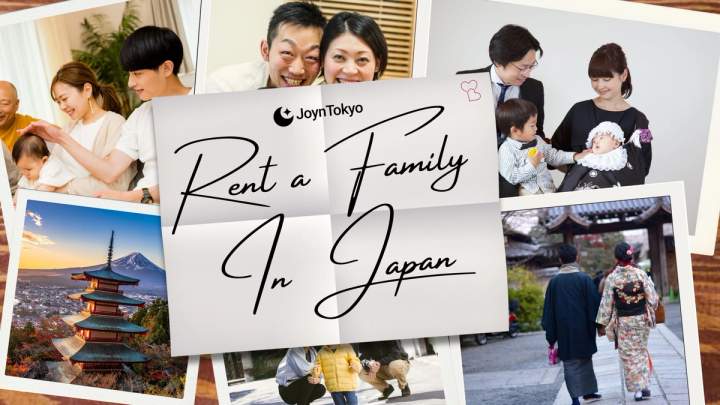
Rent a Family in Japan: Inside the Unique Service Helping People Combat Loneliness

JoynTokyo 团队

In Japan, you can hire actors to play your spouse, children, parents, or friends for a few hours or an entire day. These “rental family” services have become a quietly thriving industry, offering companionship and social support in one of the world’s most isolated societies.

What Does It Mean to Rent a Family?

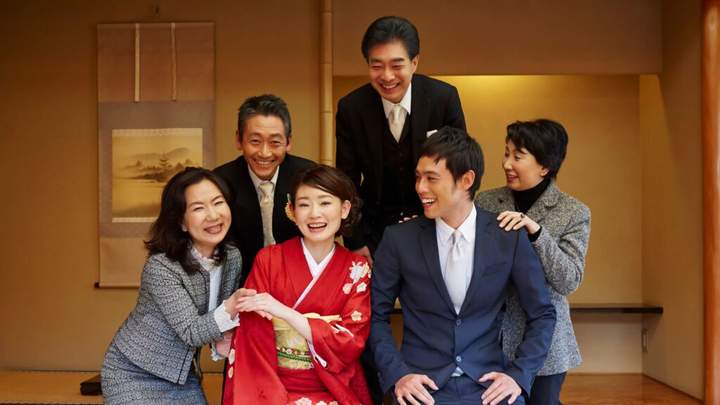
rent a family in japan - rent a family 1

Rental family services in Japan allow clients to hire professional actors to fill specific roles in their lives temporarily. Companies like Family Romance and Hagemashi Tai match clients with performers who attend events, share meals, pose for photos, or simply provide conversation and companionship.

The service isn’t about deception in most cases. Clients know they’re hiring actors, and the goal is to experience the emotional comfort of family connection, even if temporary. A typical session might involve a “daughter” visiting an elderly parent for tea, a “husband” attending a school event with a single mother, or “friends” celebrating a birthday with someone who has few social connections.

Why Do People Rent Families?

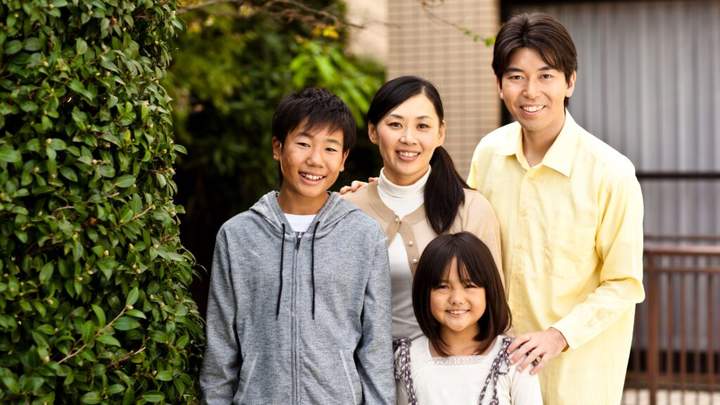
rent a family in japan - rent a family in japan 2

Japan’s rental family phenomenon reflects deeper social challenges facing the nation. Several factors drive demand for these services:

Social isolation and loneliness. Japan has one of the highest rates of social isolation among developed nations. The phenomenon of “hikikomori” (social withdrawal) affects hundreds of thousands of people, while many elderly Japanese live alone with minimal family contact.

Changing family structures. Traditional multigenerational households have declined sharply. Adult children often live far from aging parents due to work obligations, and Japan’s demanding work culture leaves little time for family connections.

Social pressure and appearances. Japanese society places significant emphasis on social harmony and meeting expectations. Parents may rent “children” to avoid questions from neighbors about estranged family members. Singles might hire “partners” for weddings to avoid the stigma of attending alone.

Grief and loss. Some clients rent family members who resemble deceased loved ones, seeking brief moments of comfort and familiar interaction.

有兴趣移居日本?

开始 您自己的日本之旅 专家指导

大多数人从未到过日本,因为起步阶段令人困惑和疲惫。签证路线错误。低估了预算。因困惑而浪费了几个月的时间。.

为您在日本的新生活提供个性化支持。.

预约免费咨询

✓ 500 多次预订 ✓ 会讲英语的搬迁支持专家

How the Service Works

Most rental family companies operate through websites or phone consultations. The process typically follows these steps:

Clients contact the agency and explain their needs, including the role required, duration, location, and any specific traits they want in the actor. The agency matches them with suitable performers from their roster. Rates vary but generally range from ¥10,000 to ¥20,000 per hour (roughly $70-140 USD), with some services charging more for complex scenarios or multiple actors.

Actors receive briefings about their roles and any background information needed to make the interaction feel authentic. Professional rental family actors often excel at emotional intelligence, active listening, and improvisation.

The Largest Rental Family Companies

Family Romance is perhaps the most well-known service, founded by Yuichi Ishii. The company employs hundreds of actors and handles thousands of requests annually. Family Romance gained international attention through a documentary film and has expanded to offer services beyond family roles, including fake coworkers and friends.

Hagemashi Tai focuses specifically on providing emotional support and encouragement to clients facing difficult life situations.

Several smaller agencies operate regionally throughout Japan, each with their own specialties and client bases.

Ethical Considerations and Criticism

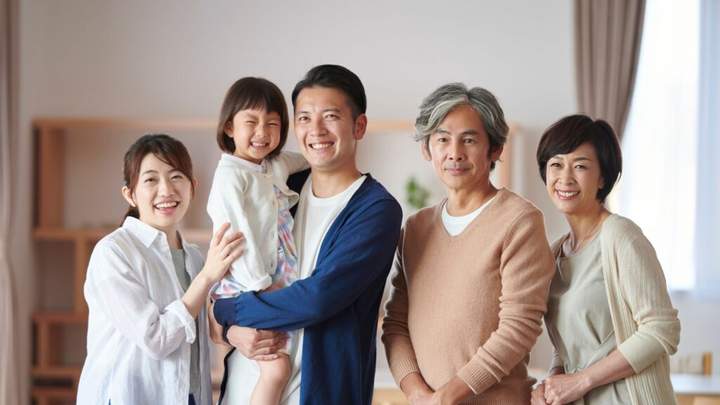
rent a family in japan - rent a family in japan 3

The rental family industry raises complex questions about authenticity, emotional health, and societal values. Critics argue that paying for fake relationships might prevent people from addressing underlying issues like social anxiety or family estrangement. Some mental health professionals worry these services could become a substitute for genuine connection rather than a temporary bridge.

Others question whether the service exploits loneliness for profit or whether it enables clients to avoid difficult but necessary conversations with real family members.

Supporters counter that rental families provide legitimate emotional comfort and harm reduction. For someone grieving, a few hours with a “daughter” who resembles their late child might offer therapeutic relief. For elderly people whose children genuinely cannot visit, rented companionship may be preferable to total isolation.

Cultural Context: Why Japan?

While loneliness affects people worldwide, several aspects of Japanese culture make it particularly conducive to rental family services. The concept of “tatemae” (public facade) versus “honne” (true feelings) means many Japanese people are accustomed to maintaining appearances while keeping genuine emotions private.

Japan also has a long tradition of commercialized social services, like 主办俱乐部女主人俱乐部, rental girlfriendsrental boyfriends, and even professional cuddlers. Rental families represent an extension of this broader acceptance that certain social and emotional needs can be met through commercial transactions.

The service also reflects “omotenashi,” the Japanese cultural emphasis on hospitality and anticipating others’ needs without them having to ask directly.

The Future of Rental Families

As Japan’s population continues aging and social isolation intensifies, demand for rental family services will likely grow. Some companies are exploring technology integration, though most agree that human connection cannot be fully replaced by AI or virtual interactions.

The phenomenon has also attracted international attention, with similar services emerging in other countries facing loneliness epidemics, though none have reached the scale or social acceptance seen in Japan.

What This Tells Us About Modern Society

The rental family industry ultimately serves as a mirror reflecting broader societal challenges. It highlights how urbanization, changing work patterns, and shifting family structures have left gaps in many people’s lives. Whether these services represent a troubling symptom of social breakdown or a pragmatic solution to real human needs remains open to interpretation.

The existence and growth of these services in Japan serves as a reminder that loneliness is not merely a personal failing but often a structural issue requiring societal attention. As we grapple with similar challenges globally, Japan’s rental family phenomenon offers both a cautionary tale and a creative, if imperfect, response to one of modern life’s most persistent problems.

- 赞助
分享本文
我们将为您提供见解、指导和实用建议,帮助您在东京安顿下来,适应外国人的生活,并充分利用您的新体验。.