熊本有什么好玩的?城堡、火山口和文化指南

JoynTokyo 团队

Located in the center of Kyushu, Kumamoto is a prefecture defined by dramatic contrasts. It is known as the “Land of Fire” due to its world-famous active volcano, yet it is equally renowned for its pristine groundwater and lush gardens. For travelers, this region offers a compelling mix of resilient history, geological wonders, and unique cultural experiences.

To make the most of your visit, it is helpful to balance time between the urban city center and the rugged natural landscapes that surround it. The following guide highlights the essential experiences Kumamoto has to offer.

Witness the Resilience of Kumamoto Castle

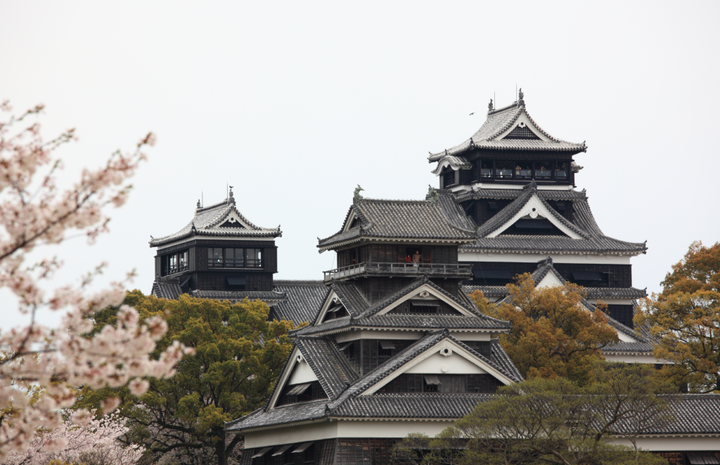
No visit to the city is complete without seeing Kumamoto Castle. Constructed in 1607 by Kato Kiyomasa, a feudal lord celebrated for his expertise in castle design, the fortress is considered one of Japan’s three premier castles alongside Himeji and Matsumoto.

The castle is visually striking, characterized by its formidable black exterior and “musha-gaeshi” stone walls – steep, curved slopes designed to prevent ninjas and samurais from climbing them. However, the site offers more than just architectural history. It stands as a symbol of the city’s resilience following the severe earthquakes in 2016.

While restoration work on the stone walls and turrets continues and is expected to take decades, the main castle tower (tenshukaku) has been fully restored. Visitors can enter the tower to view historical exhibits and ascend to the top floor for a panoramic view of the city. The contrast between the pristine main tower and the ongoing reconstruction of the surrounding grounds provides a unique look at how Japan preserves its heritage.

Stroll Through Suizenji Jojuen Garden

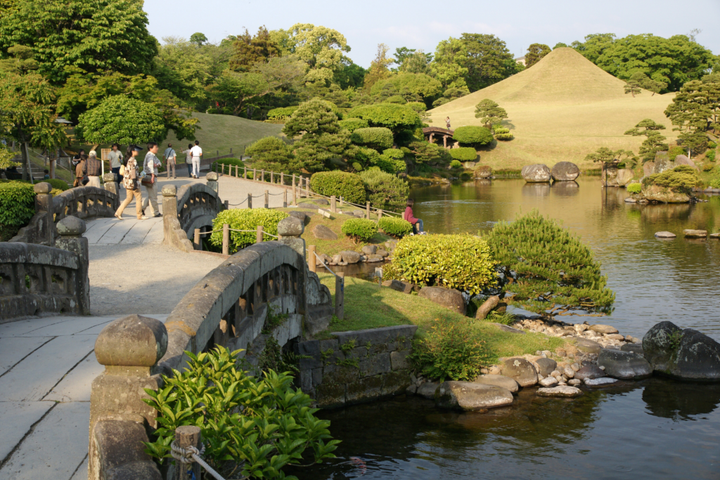
A short tram ride from the city center brings you to Suizenji Jojuen, a traditional Japanese landscape garden that offers a quiet retreat from the urban environment. Built by the Hosokawa clan in the 17th century, the garden is designed around a spring-fed pond, with water so clear it was historically used for tea ceremonies.

The garden is a “momoyama” style stroll garden, meaning it is intended to be viewed while walking along a circular path. The standout feature of Suizenji Jojuen is its miniature reproduction of the 53 Stations of the Tokaido, the ancient road connecting Kyoto and Tokyo. This includes a perfectly manicured, miniature grass replica of Mount Fuji, which serves as the garden’s focal point.

Near the entrance stands the Izumi Shrine, dedicated to the ancestors of the Hosokawa family. After exploring the grounds, visitors often stop at the Kokin-Denju-no-Ma teahouse. This thatched-roof building, originally part of the Imperial Palace in Kyoto, allows guests to enjoy matcha and traditional sweets while overlooking the pond.

Experience the Steam and Streamers of Tsuetate Onsen

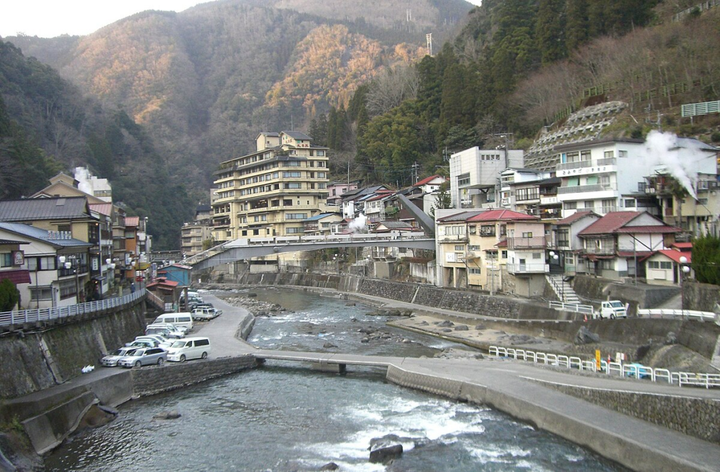
For those willing to venture outside the city limits into the Oguni distinct, Tsuetate Onsen offers an atmosphere entirely different from the polished resorts found elsewhere in Japan. Located in a valley along the Tsuetate River, this hot spring town feels suspended in the Showa era, with narrow alleyways and steam rising from the ground at every turn.

Tsuetate Onsen is historically significant for its high-temperature waters, which can reach 98 degrees Celsius (208 degrees Fahrenheit). Local residents and inns utilize this heat for “mushiba”—communal steamers found throughout the town. Visitors can purchase eggs or vegetables and steam them freely in these wooden boxes, a unique culinary activity rooted in local daily life.

The town is most famous, however, for its annual Koinobori (Carp Streamer) Festival. From early April to early May, approximately 3,500 colorful carp streamers are strung across the river valley. The tradition, which began here before spreading to other parts of Japan, creates a vibrant canopy of color fluttering against the backdrop of green mountains. It is a visually spectacular time to visit, celebrating Children’s Day with a massive display that draws photographers and families from across the country.

Explore the Power of Mount Aso

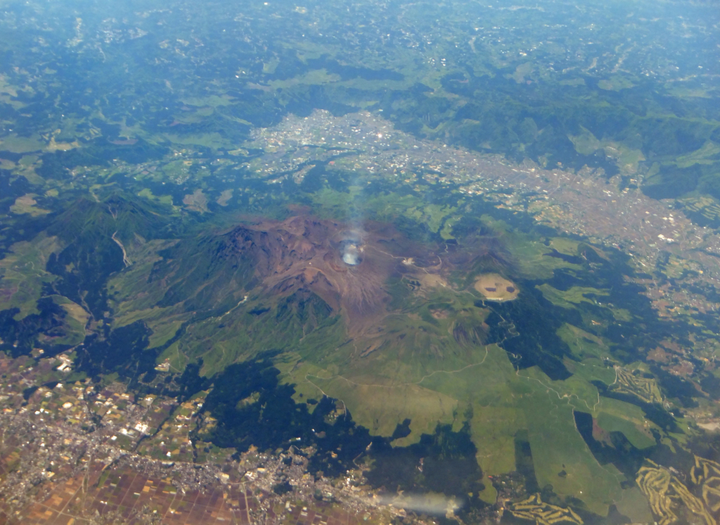
Kumamoto is dominated geographically by Mount Aso, home to one of the world’s largest volcanic calderas. The caldera spans 25 kilometers (15 miles) across and contains smaller active peaks, as well as towns and railway lines.

The main attraction is the Nakadake Crater. When volcanic activity levels are safe, visitors can approach the rim to look down into the steaming, turquoise crater lake. The smell of sulfur and the desolate, rocky landscape provide a stark reminder of the earth’s power.

Nearby lies Kusasenri, a vast, grassy plain located inside the remains of a double crater. Here, horses graze against the backdrop of the smoking volcano, offering a serene counterpoint to the rugged crater. The Aso Volcano Museum provides context on the geological formation of the area, making it a worthwhile stop for those interested in science and nature.

Sample Kumamoto’s Culinary Specialties

Kumamoto’s food culture is distinct and flavorful, making culinary exploration a key part of any itinerary.

Kumamoto Ramen

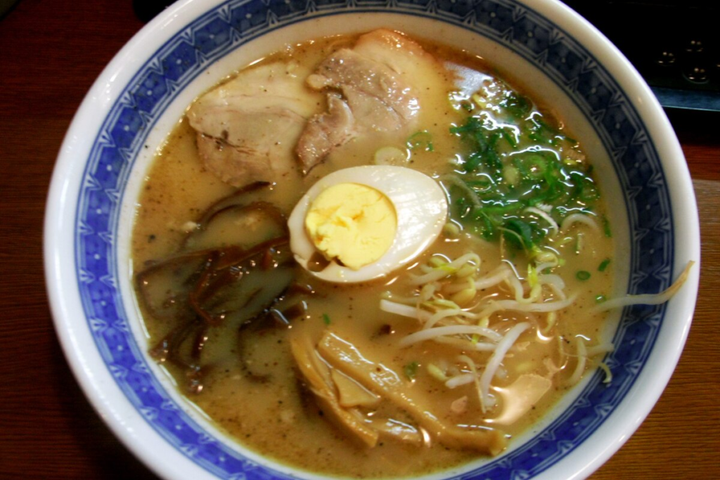
While Kyushu is famous for tonkotsu (pork bone) ramen, the Kumamoto variation adds a specific twist: burnt garlic oil (mayu) and fried garlic chips. This addition gives the broth a complex, nutty, and savory depth that distinguishes it from the Hakata style found in Fukuoka.

Ikinari Dango

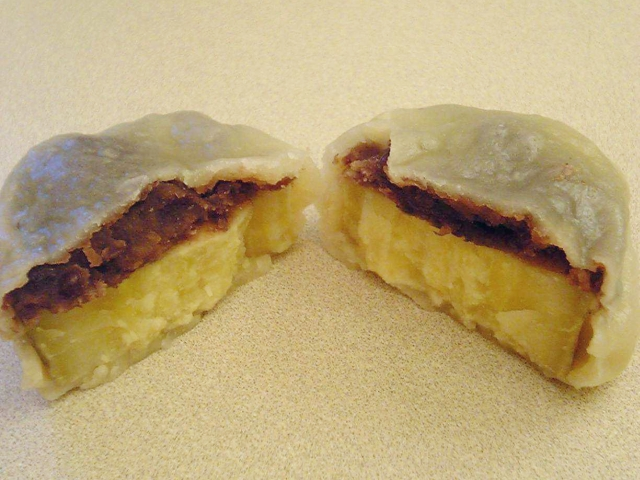
For a sweet treat, look for Ikinari Dango. This simple dumpling consists of a slice of sweet potato and red bean paste wrapped in dough and steamed. It is a rustic, filling snack often sold at street stalls, particularly in the Sakura-no-baba Josaien complex located at the foot of Kumamoto Castle.

Basashi

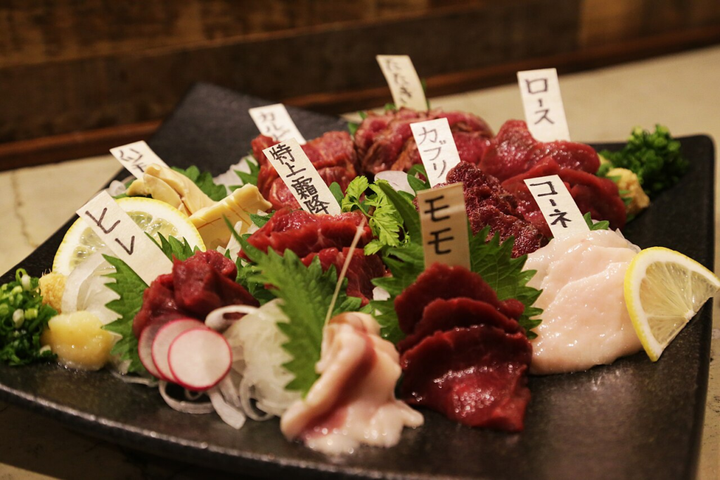
The prefecture is also the leading producer of horse meat in Japan. Basashi (horse sashimi) is a local delicacy served raw with soy sauce, ginger, and garlic. It is known for being lean and tender, though it may not be for every traveler.

Practical Travel Tips

Getting around Kumamoto City is straightforward thanks to an efficient tram system that connects major stations, the castle, and Suizenji Garden. For destinations like Mount Aso or Tsuetate Onsen, renting a car provides the most flexibility, though buses and trains do service the Aso region.

Travelers should check the volcanic alert levels for Mount Aso before visiting, as access to the crater is restricted during periods of high activity.

Start Your Journey in the Land of Fire

Kumamoto offers a travel experience that balances educational historical sites with raw natural beauty. Whether you are observing the reconstruction of a feudal castle, steaming eggs in a retro onsen town, or standing on the edge of a volcano, the prefecture provides a diverse range of activities. By stepping off the main shinkansen line to explore this region, you gain a deeper appreciation for the geology and culture that shape the island of Kyushu.

分享本文
我们将为您提供见解、指导和实用建议,帮助您在东京安顿下来,适应外国人的生活,并充分利用您的新体验。.