Move to Japan - Free Consultation Free Consultation

移居日本终极指南:签证、工作和教育

JoynTokyo 团队

日本仍然是最受外籍人士欢迎的目的地之一,其丰富的历史、安全和独特的现代文化每年吸引着数百万游客。虽然对许多国家的人来说,访问日本很简单,但在日本建立长期居留权也是可能的,但需要通过复杂的官僚程序。.

移居日本并不是一个单一的过程;它是一系列不同途径的集合,每种途径都有自己的一系列要求、成本和好处。了解具体的签证类别是成功迁居的第一步,无论您打算 求学, 掌握语言, 或 就业. .本指南详细介绍了前往日本的主要方法,包括教育路线、教学机会和特殊签证身份。.

途径 1:在日本大学学习
移居日本 - 图片 20
消息来源 早稻田大学

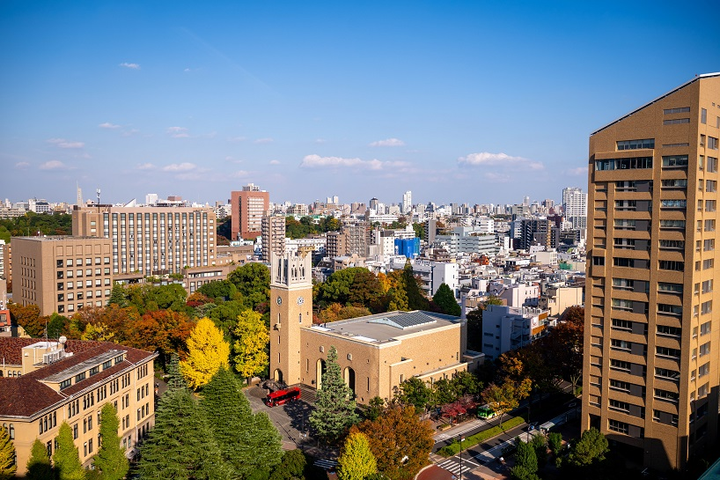
就读日本大学是寻求高等教育者获得居留权的直接途径。日本拥有世界一流的教育机构,政府积极通过 “日本留学生计划 "提高留学生入学率。“顶级全球大学项目.”

根据学生签证身份,个人可在学业期间居住在日本,本科学位一般为四年。这种途径为适应日本的生活提供了一个有序的环境,并为学生提供了交流机会和毕业后进入当地就业市场的机会。.

值得一提的是,日本的一些大学提供转学分,因此即使您已经开始了您的课程,也有机会到日本学习。我们团队的一位成员就是通过这种途径赴日留学的,您可以查看 他在东京国际大学的求学之路.

常见问题:日本大学

日本大学要求 SAT 成绩吗?
不同院校和具体课程的要求有很大差异。对于用日语授课的传统课程 日本留学考试(EJU) 而不是 SAT。但是,对于英语授课的学位课程,许多大学接受或要求 SAT、ACT 或 IB 文凭等标准化考试成绩来评估学术准备情况。.

日本大学用英语授课吗?
是的。虽然日本的大部分课程以日语授课,但以英语授课的本科生和研究生课程也在大幅增加。主要大学包括东京大学、, 早稻田大学, 和 索非亚大学, 这些学校提供全英文授课的学位课程,通常被称为 “全球 ”或 “国际 ”方向。.

日本大学的学费是多少?
日本的学费一般低于美国或英国。.

  • 国立大学: 每年的学费标准约为 535,800 日元(另加入学费),第一年的学费总额约为 820,000 日元。.
  • 公立大学: 略高,第一年平均约为 930 000 日元。.
  • 私立大学: 这些费用差别很大,但非医疗项目的费用通常在每年 110 万日元至 160 万日元之间。.
您对自己究竟有资格申请哪些日本签证感到困惑?

了解您的 专家支持下的签证选择

我们的顾问会帮助您了解您有资格申请哪些途径,以及在申请前需要做哪些准备。.

预约免费咨询

✓ 英语支持 ✓ 500 多次预订

途径 2:就读语言学校

移居日本 - 图片 21
消息来源 日本 TLS

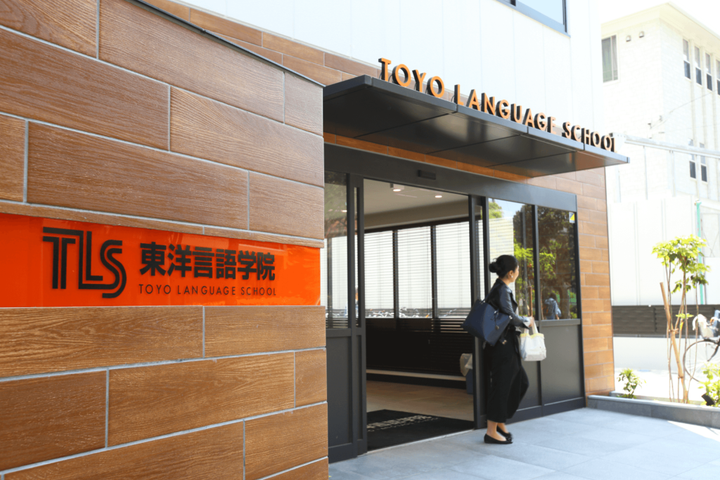
对于那些日语还不流利或还没有准备好攻读大学学位的人来说,日语学校是一个很好的选择。 日语学校 (Nihongo Gakko) 是一个受欢迎的切入点。这些机构只专注于语言学习和文化适应。.

这种学习方式的学生通常学习六个月到两年。许多学生的主要目标是达到熟练水平(通常是日本语能力测试 N2 或 N1),以便进入日本大学、职业学院或就业市场。.

Ang
Ang
内幕消息

这就是我前往日本的道路。如果您考虑走这条路,我能给您的最好建议就是确保您选择了一所好学校。这个选择会影响你学习日语的速度,以及你日后找到工作的机会,前提是这是你语言学校毕业后想要的。.

常见问题:语言学校

日语学校的费用是多少?
费用取决于学校的地理位置和声誉。一般来说,每年的学费从 700,000 日元到 1,000,000 日元不等。此外,学生还需为课本费、注册费和生活费做好预算,这些费用不包括在学费中。.

日语学校毕业后可以获得工作签证吗?
是的,但仅仅就读语言学校并不能使您获得工作签证。要从学生签证转为工作签证,您必须获得日本公司的工作邀请。最重要的是,移民局要求您持有学士学位(来自任何国家)或拥有丰富的相关工作经验。如果您没有学位,通常必须在语言学校毕业后进入日本大学或职业学院学习,以获得就业所需的资格。.

途径 3:在日本教授英语
移居日本 - 图片 22
消息来源 国际 TEFL 学院

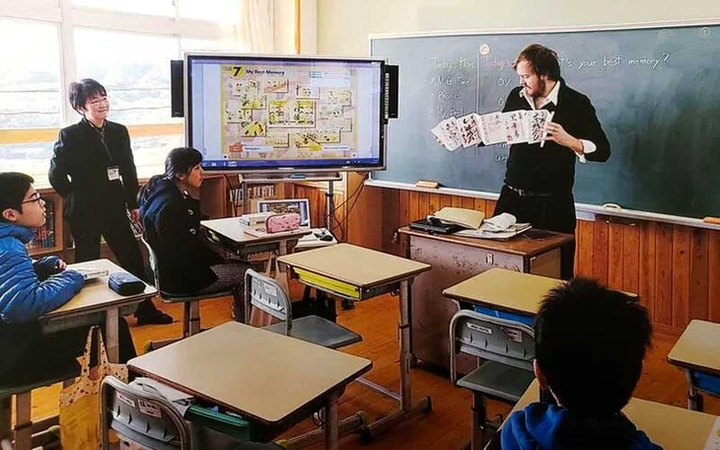
英语教学可能是以英语为母语的人移居日本的最常见方式。对英语教学的需求居高不下,为外国居民创造了源源不断的机会。.

英语教学主要有三种途径:

  1. JET 计划: 日本交流与教学(JET)计划是一项由政府资助的计划,旨在为日本的教育机构和研究机构提供交流机会。 助理语言教师 (ALT) 在日本各地的公立学校工作。该职位竞争激烈,但提供良好的支持和福利。.
  2. ALT 调度公司: 私营公司(如 Interac 或 Borderlink)聘用教师到公立学校担任助理语言教师。薪酬一般低于 JET,但全年都会招聘。.
  3. Eikaiwa(会话学校): 私立语言学院(如 AEON 或 ECC)为所有年龄段的学生提供晚间和周末课程。教师通常轮班工作,而非标准上课时间。.

常见问题:英语教学

在日本教英语需要学位吗?
是的。要获得教学所需的 “讲师 ”或 “人文专家 ”签证,日本移民法规定必须获得任何学科的学士学位。另外,没有学位的人如果有三年或三年以上有证明文件的全职 ESL 教学经验,也可以获得资格,不过这种途径不太常见,审查也更严格。.

在日本,英语教师的收入是多少?
整个行业的薪资相对标准化。.

  • JET 计划: 起始年薪为 336 万日元(约合每月 28 万日元)。.
  • Eikaiwa 和 Dispatch ALT: 月薪通常在 20 万至 27 万日元之间。虽然这些工资足以维持日常生活,但通常被视为入门级工资。.

获得住院医师资格的其他途径

如果教育或教学与您的目标不符,还有其他几类签证允许您在日本居留。.

标准工作签证
移居日本 - 图片 23
消息来源 Linkedln

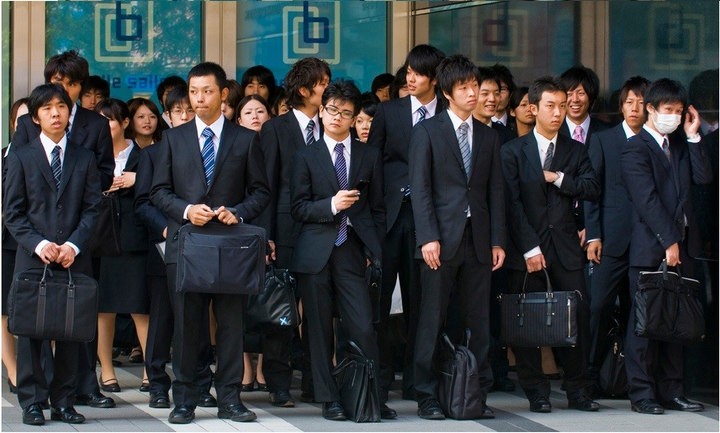
拥有信息技术、工程、金融或市场营销技能的专业人员可申请标准的 工作签证 (例如“工程师/人文/国际服务专家“).这就要求有学士学位(或 10 年工作经验),并有愿意作为担保人的日本公司的确认工作邀请。.

要求摘要

  • 教育或经验: 您必须持有与工作相关的大学学位(学士或更高),或至少在该领域有 10 年的专业经验。.
  • 赞助: 与日本公司签订的雇佣合同。.
  • 工资: 报酬必须等于或高于日本国民担任相同职务的报酬。.
  • 无犯罪记录 在日本没有犯罪记录或违反移民规定的前科。.

工作假期签证

移居日本 - 工作假期签证

该指定签证 该计划允许澳大利亚、加拿大、英国和法国等参与国的年轻人(通常为 18-30 岁)在日本兼职生活和工作一年(因国家而异)。主要目的是文化交流和旅行,工作则是补充资金的一种手段。美国目前没有参与该计划。.

要求摘要

  • 年龄 申请时一般在 18 岁至 30 岁之间
  • 国籍 必须持有伙伴国家/地区(如澳大利亚、加拿大、英国、法国、韩国等)的有效护照。.
  • 财务证明: 证明有足够的资金支持自己的初期生活(通常为 $2,500 至 $4,000 美元,视国家而定)。.
  • 旅行机票: 回程机票或购买回程机票的足够资金。.
  • 健康: 身体健康,通常有医疗保险证明。.

数字游民签证

移居日本 - 图片 24
来源:iStock

于 2024 年 3 月正式启动 数字游民签证 (特定活动)允许远程工作者在日本居住长达六个月。与旅游签证不同,这种身份允许您为海外雇主合法远程工作,是在日本生活的绝佳 “试驾 ”机会。.

需要注意的是,该签证不可延期。您必须在 6 个月后离开日本,并且在离开日本 6 个月后才能重新申请。此外,"数字游民 "签证持有者不会获得居留卡(Zairyu Card),这可能会使开设当地银行账户或签订长期合同等日常工作变得复杂。.

要求摘要

  • 收入阈值: 年收入证明 ≥ 1,000 万日元(约合 $65,000 美元,视汇率而定)。.
  • 就业: 必须为日本以外的公司/客户提供远程服务(或为海外客户提供自由职业者服务)。.
  • 保险 涵盖受伤、疾病和死亡的私人医疗保险,保额≥ 1,000 万日元。.
  • 资格: 与日本签有税务条约和免签协议的国家/地区的公民。.
  • 持续时间 最长逗留 6 个月(不可延期)。.

创业签证

移居日本 - 图片 25
消息来源 Freepik

为了促进创新,一些城市(如福冈、神户和东京)提供了“创业签证。.”这允许创业者在日本居住长达一年,为创业做准备。这有效降低了创业初期的障碍,让创始人有时间获得资金并完成注册,然后再转为长期商务经理签证。.

要求摘要

  • 商业计划: 指定市政当局批准的详细计划
  • 市政府批准: 当地政府办公室出具的推荐信或确认证明。.
  • 常驻: 必须在发放签证的城市居住。.
  • 进展回顾: 定期与市政官员面谈,以确保企业朝着公司化的方向发展。.
  • 过渡计划: 在 6-12 个月的签证期内达到 “业务经理 ”全部要求的明确途径。.

商务经理签证

移居日本 - 图片 26
消息来源 iStock

该签证 是为那些 创办公司 或管理在日本的现有企业。要求非常严格:申请人一般必须为企业投资至少 500 万日元,确保有专门的实际办公空间,并证明企业的可持续性。.

要求摘要

  • 资本投资: 投资至少 500 万日元(或雇用两名日本居民的全职员工)。.
  • 实体办公室: 在日本有专门的实际办公场所(一般不接受虚拟办公室或住宅地址)。.
  • 商业计划: 稳健的业务计划,展示可持续性和稳定性。.
  • 管理角色: 申请人必须拥有实际权力并参与业务运营。.

高技能专业人员签证

日本采用积分制吸引高端人才。计分标准包括学历、专业经验、年薪和年龄。获得 70 分或以上的申请人有资格获得 “高技能专业人员 ”签证,该签证可提供优惠待遇,如五年的逗留期和 更快地获得永久居留权。.

要求摘要

  • 类别 申请人的预期活动必须符合以下三个类别之一:高级学术研究、高级专业/技术或高级商业管理。.
  • 得分: 在入国管理局的计算表上至少达到 70 分(基于年龄、收入、教育程度和日语能力)。.
  • 赞助: 必须在日本有担保机构(雇主)。.
  • 工资: 满足特定年龄组和类别的最低年薪要求。.

Cost of Living in Japan: What to Budget For

Understanding your monthly expenses before you move is essential — and Japan’s 生活费用 is more nuanced than many people expect. Tokyo ranks among the world’s pricier capitals, but cities like Osaka and Fukuoka offer dramatically more affordable lifestyles without sacrificing quality. Here is a realistic breakdown of what you can expect to spend.

租金

Housing is almost always the largest monthly expense for expats. Costs vary enormously by city, neighborhood, and apartment type. As a general rule, expect to pay between ¥60,000 and ¥120,000 per month for a one-room apartment in a major city.

城市Studio / 1BR (City Centre)Studio / 1BR (Suburban)vs. Tokyo
东京¥100,000–¥150,000¥60,000–¥90,000
大阪¥70,000–¥100,000¥40,000–¥65,000~30% cheaper
京都¥70,000–¥120,000¥50,000–¥70,000~15–20% cheaper
福冈¥60,000–¥95,000¥40,000–¥60,000~25–30% cheaper

重要: When signing a new lease in Japan, initial move-in costs typically total four to six months’ rent. This includes a security deposit (usually one to two months), key money (reikin — a non-refundable gift to the landlord, typically one to two months), and agency fees. Budget for this upfront cash requirement before you arrive.

食品

Japan’s grocery culture makes eating relatively affordable if you cook at home and stick to seasonal, locally produced ingredients. International imports and western-style products are noticeably more expensive.

  • Home cooking: approximately ¥30,000–¥40,000 per month for one person
  • Dining out (budget): a ramen or teishoku lunch set costs ¥600–¥1,200
  • Dining out (mid-range): a dinner for two at a sit-down restaurant runs ¥3,000–¥6,000
  • Convenience stores (konbini): meals cost ¥400–¥700 and are a staple for many expats

Tip: Most supermarkets heavily discount fresh food, particularly fish, meat, and bento boxes, in the final hours before closing, often by 20–50%.

交通运输

Japan’s public transport network is arguably the best in the world. Most expats in major cities do not own a car, and with good reason — train and subway coverage is comprehensive, punctual, and clean.

Transport TypeApproximate Cost
Monthly commuter pass (train/subway)¥8,000–¥15,000 depending on distance
Single subway/bus fare¥180–¥320 per ride
Taxi (starting fare)¥410–¥500
Shinkansen Tokyo–Osaka (one way)~¥14,500

Most expats use an IC card (Suica or Pasmo) for all daily travel. These prepaid cards work on trains, buses, and even at convenience stores. Car ownership is possible but expensive: mandatory bi-annual inspections (shaken), insurance, annual road tax, and a required parking space certificate in urban areas add significant cost on top of the purchase price.

公用设施

Standard monthly utility costs for a single-person household run approximately ¥10,000–¥15,000 per month, broken down roughly as electricity (¥7,000), gas (¥3,500), and water (¥2,500). Internet (fiber, 1 Gbps) costs around ¥4,000–¥6,000 per month. A mobile phone plan on an MVNO budget SIM starts from around ¥2,000 per month.

Monthly Budget Summary

类别Tokyo (monthly)Osaka/Fukuoka (monthly)
Rent (studio, city centre)¥100,000–¥130,000¥65,000–¥95,000
食品¥40,000–¥60,000¥35,000–¥50,000
运输¥10,000–¥15,000¥8,000–¥12,000
Utilities + Internet¥15,000–¥20,000¥13,000–¥18,000
Entertainment / misc.¥20,000–¥40,000¥15,000–¥30,000
Total (approx.)¥185,000–¥265,000¥136,000–¥205,000

Taxes in Japan: What Every Expat Needs to Know

Tax obligations are one of the most frequently overlooked aspects of moving to Japan. Understanding the basics before you arrive, especially if you are a US citizen, can save you from expensive penalties and surprises.

Japan’s Income Tax System

Japan operates a progressive income tax system at the national level, plus a flat local (inhabitant) tax of 10% of annual income. Your tax residency status determines what income Japan can tax.

StatusTime in JapanWhat is Taxed?
Non-residentUnder 1 year, no permanent homeJapan-sourced income only, flat 20.42%
Non-permanent residentLess than 5 of last 10 yearsJapan-sourced income + foreign income remitted to Japan
Permanent resident (tax)5+ of last 10 yearsWorldwide income

National Income Tax Brackets (Residents)

Annual Taxable Income (JPY)Tax Rate
Up to ¥1,950,0005%
¥1,950,001 – ¥3,300,00010%
¥3,300,001 – ¥6,950,00020%
¥6,950,001 – ¥9,000,00023%
¥9,000,001 – ¥18,000,00033%
¥18,000,001 – ¥40,000,00040%
Over ¥40,000,00045%

In addition to national income tax, residents pay a 10% local inhabitant tax (住民税) plus a 2.1% reconstruction surtax, bringing the effective top marginal rate to approximately 55%. Consumption tax (VAT) stands at 10%, with a reduced 8% rate on food and non-alcoholic drinks.

Japan’s tax year runs January to December, and residents must file by March 15 of the following year.

For US Citizens: The Double-Tax Question

The United States is one of only two countries in the world that taxes its citizens on worldwide income regardless of where they live. This means that as a US citizen residing in Japan, you are required to file a US federal tax return every year — even if you owe nothing.

The good news is that the US and Japan have a bilateral tax treaty, and the IRS provides two key tools to prevent double taxation:

  • Foreign Earned Income Exclusion (FEIE, Form 2555): Allows you to exclude up to $130,000 of foreign-earned income from US taxation for the 2025 tax year. To qualify, you must meet either the Bona Fide Residence Test (resident of Japan for a full calendar year) or the Physical Presence Test (present outside the US for at least 330 days in a 12-month period).
  • Foreign Tax Credit (FTC, Form 1116): Allows you to offset your US tax bill dollar-for-dollar by the amount of tax you paid to Japan. Because Japan’s income tax rates are generally higher than US equivalents, most American expats find the Foreign Tax Credit more advantageous — and it can reduce their US tax liability to zero.
  • FBAR (FinCEN 114): If you hold more than $10,000 in foreign bank accounts at any point during the year, you must file an FBAR. The deadline is October 15.
  • FATCA (Form 8938): Required if your foreign financial assets exceed $200,000 (or $400,000 filing jointly) on the last day of the tax year.

The US-Japan Totalization Agreement also ensures you are not subject to social security contributions in both countries simultaneously. If you work for a Japanese employer, you contribute to Japan’s social security system. If you are sent to Japan by a US employer for five years or less, you continue contributing to the US Social Security system.

Key US filing deadlines for expats: April 15 (standard), with an automatic extension to June 15 for those living abroad. A further extension to October 15 is available upon request. Note that any tax owed is still due by April 15 — the extension applies to filing, not payment.

Tax law is complex and changes regularly. We strongly recommend consulting a qualified expat tax professional, particularly for your first year of residence in Japan.

Moving to Japan: Your Complete Checklist

Moving to Japan involves dozens of moving parts across months of preparation. This checklist covers the critical milestones, from applying for your visa to getting fully settled.

3–6 Months Before Departure

  • Determine which visa category applies to your situation and confirm your eligibility
  • Gather all required documents (degree certificates, employment records, criminal background checks, apostilles as needed)
  • Begin the visa application process — allow extra time if your visa requires a Certificate of Eligibility (COE), which the Immigration Services Agency processes in Japan
  • Research and shortlist neighborhoods and cities — factor in commute, international schools if relevant, and proximity to your employer
  • Start saving for initial move-in costs (four to six months’ rent is typical for deposit and key money)
  • Begin or intensify Japanese language study
  • Research international movers and get quotes for shipping personal belongings
  • Notify your current bank; consider opening an account with low overseas transaction fees

1–3 Months Before Departure

  • Receive your visa or COE and book flights
  • Arrange initial temporary housing (guesthouses, monthly apartments, or Leo Palace are popular for the first month while apartment hunting)
  • Confirm your Japanese SIM card or pocket WiFi plan for arrival
  • Sort health insurance: if your employer provides Shakai Hoken, confirm the enrollment date; otherwise plan to enroll in NHI at the ward office
  • If applicable, notify tax authorities in your home country of your move
  • Prepare certified Japanese translations of any foreign documents you will need

First 14 Days After Arrival

  • Receive your Residence Card (Zairyu Card): Issued at the airport immigration counter upon entry for stays over 90 days. This is your primary ID — carry it at all times.
  • Register your address at the ward or city office: Must be done within 14 days of moving into a permanent address. Bring your passport and Residence Card.
  • Enroll in National Health Insurance (NHI): If not on an employer plan, enroll at the same ward office visit. Late enrollment results in retroactive back-billing.
  • Get a Japanese phone number: Required for most subsequent steps. Budget MVNOs (IIJmio, Rakuten Mobile, LINEMO) offer plans from ¥2,000/month and have more foreigner-friendly sign-up processes.
  • Open a Japanese bank account: Japan Post Bank and Shinsei Bank are generally the most accessible for new residents. You will need your Residence Card, registered address, and a phone number.

First 1–3 Months After Arrival

  • Apply for your My Number Card at the ward office (bring your notification slip and passport)
  • Register your My Number Card as your health insurance card at a medical facility or via Mynaportal
  • Set up automatic payments for NHI premiums and utilities via bank transfer
  • Find a permanent apartment if you are in temporary housing — April to June and October to December offer more negotiating room than peak rental season (January to March)
  • Register with your country’s embassy for emergency notification services
  • Locate your nearest English-speaking clinic or hospital for non-emergency care
  • Connect with local expat communities — Facebook groups, Meetup, and Internations are active in most major Japanese cities

Choosing Where to Live: Japan’s Best Cities for Expats

Japan is not just Tokyo. While the capital draws the largest expat community, cities like Osaka, Kyoto, and Fukuoka offer compelling alternatives. With lower costs, distinct cultures, and in some cases a better quality of life for foreign residents.

Tokyo — Maximum Opportunity, Maximum Intensity

Tokyo is home to an estimated 600,000+ foreign residents and offers an unmatched concentration of international employers, English-language services, international schools, and global culture. If your primary goal is career advancement or access to the widest possible professional network, Tokyo is hard to beat.

  • 最适合 career-focused professionals, those with employer sponsorship, families requiring international schools
  • Rent: ¥100,000–¥150,000/month for a one-bedroom in central wards (Minato, Shibuya, Shinjuku); ¥60,000–¥90,000 in outer wards
  • Popular expat neighborhoods: Azabu-Juban, Hiroo, Nakameguro, Kichijoji
  • Trade-offs: Highest cost of living in Japan; crowded; apartment sizes are small; pace of life is relentless

Osaka — Affordable, Energetic, and Welcoming

Osaka is Japan’s second-largest economic hub and has a well-earned reputation for some of the country’s most outgoing and friendly residents. Living costs run roughly 25–30% lower than Tokyo across the board, making it a popular choice for those who want urban energy without Tokyo’s price tag.

  • 最适合 food enthusiasts, those seeking affordability, creatives, expats in the Kansai region
  • Rent: ¥70,000–¥100,000/month near Namba or Umeda; ¥40,000–¥65,000 in suburban areas
  • Popular expat neighborhoods: Namba, Umeda, Tennoji, Nishi-Ku
  • Bonus: Kyoto is 15 minutes away by train, and Kobe is 30 minutes — you get access to the entire Kansai region
  • Trade-offs: Fewer multinational headquarters than Tokyo; English less prevalent than in central Tokyo

Kyoto — Cultural Immersion and a Slower Pace

Japan’s former imperial capital is unlike anywhere else in the country — ancient temples, bamboo forests, and a deeply preserved traditional culture. It appeals most to those who want to genuinely immerse themselves in Japan rather than live a largely Western lifestyle.

  • 最适合 teachers, remote workers, artists, cultural enthusiasts, those studying Japanese
  • Rent: ¥70,000–¥120,000/month in central areas; ¥50,000–¥70,000 outside tourist-heavy districts
  • Lifestyle: Cycling is the dominant mode of transport; the city is compact, walkable, and extraordinarily safe
  • Trade-offs: Limited job market outside teaching and tourism; tourist crowds in central areas can be overwhelming during peak seasons

Fukuoka — The Expat Underdog with a Growing Reputation

Fukuoka, on the southern island of Kyushu, is quickly becoming one of the most recommended destinations for expats — particularly entrepreneurs, digital nomads, and younger professionals. The city was designated Japan’s first National Strategic Special Zone for startups in 2014, offering a streamlined Startup Visa process. Living costs run 25–30% below Tokyo.

  • 最适合 entrepreneurs, startups, digital nomads, families seeking affordability
  • Rent: ¥60,000–¥95,000/month in Tenjin and Hakata; ¥40,000–¥60,000 in suburban wards
  • 运输: The airport is just two subway stops from the city center — under 10 minutes
  • Startup advantage: Fukuoka’s Startup Visa, Fukuoka Growth Next incubator, and favorable tax rates attract founders from around the world
  • Trade-offs: Fewer large multinationals than Tokyo or Osaka; smaller expat community; more limited international flights

Quick Comparison

东京大阪京都福冈
Cost of livingHighMediumMediumLow–Medium
Job marketExcellentGoodLimitedGrowing
English servicesExcellentGood中度Good
Startup friendlyLimitedVery high
Family friendly
最适合Career growthAffordability + cultureCultural immersionStartups + balance

Bringing Your Spouse or Children to Japan: The Dependent Visa

If you are moving to Japan on a long-term visa, your spouse and dependent children can accompany you under the Family Stay visa (在留資格「家族滞在」).

Who Qualifies?

The Family Stay visa is available to the legally married spouse and unmarried children (typically under 18) of a foreign national residing in Japan on a qualifying long-term visa. Important limits:

  • Only legal spouses qualify. Japan does not currently recognize common-law partnerships or de facto relationships for visa purposes. If you are not legally married, your partner must pursue an independent visa pathway.
  • Parents, siblings, and extended family do not qualify under the Family Stay category.
  • Language school students cannot sponsor dependents. Only those enrolled in higher education institutions (universities, graduate schools) are eligible.

Which Primary Visa Holders Can Sponsor Dependents?

  • Work visas (Engineer/Specialist in Humanities, Highly Skilled Professional, Intra-Company Transferee, etc.)
  • Student visa (university or graduate level only — not language school)
  • Business Manager visa
  • Specified Skilled Worker No.2 (expanded from 2024)

What Dependent Visa Holders Can and Cannot Do

  • Can do: attend school, enroll in language courses, access public healthcare, and reside in Japan for the validity period of the sponsor’s visa.
  • Cannot do: work — unless they separately apply for a Permission to Engage in Activity Other Than That Permitted (資格外活動許可). With this permission, part-time work of up to 28 hours per week is allowed.

The Application Process

  1. Your sponsor (you, already in Japan) applies for a Certificate of Eligibility (COE) at the regional Immigration Services Bureau on behalf of each dependent. Required documents include proof of relationship (marriage certificate, birth certificates) with certified Japanese translations, your Residence Card and employment certificate, and income documentation.
  2. Processing typically takes one to three months. There is no fixed income threshold, but immigration must be satisfied that your income covers the family’s living expenses.
  3. When the COE is approved, your family members apply for their visas at the Japanese embassy or consulate in their home country using the COE.
  4. Upon arrival in Japan, dependents receive a Residence Card and must register their address at the ward office within 14 days.

The dependent visa’s validity period mirrors the sponsor’s visa. If your work visa is renewed, each dependent must also renew their status of residence at the same time.

Spouse of a Japanese National — A Different Category

If your spouse is a Japanese national or permanent resident, the applicable visa is not the Family Stay but the Spouse or Child of a Japanese National visa. This category grants full working rights without needing a separate activity permit and provides a faster path to permanent residency.

登陆后的生活:接下来的重要步骤

Receiving your visa is a significant milestone, but the first few weeks in Japan involve a series of administrative steps that must be completed in roughly the right order. Missing or delaying these steps can mean retroactive fines, no health coverage, or difficulty accessing basic services.

Step 1: Your Residence Card (Zairyu Card)

For long-term visa holders arriving at one of Japan’s major international airports (Narita, Haneda, Kansai, Chubu, Fukuoka, Chitose, or Hiroshima), your Residence Card is issued at the immigration counter upon arrival. It is your primary form of identification in Japan — carry it at all times, as you are legally required to present it on request. The back of the card will initially be blank; your registered address is printed there at the ward office step below.

Step 2: Register Your Address at the Ward or City Office

Within 14 days of moving into a permanent address, you must visit your local ward or city office to register your address. This updates the back of your Resident Card and enrolls you in the pension and health insurance systems if applicable.

Step 3: Enroll in National Health Insurance (NHI)

If you are not covered by an employer’s health insurance plan (Shakai Hoken), you are legally required to enroll in National Health Insurance (国民健康保険) within 14 days of registering your address. This typically happens at the same ward office visit.

  • Coverage: NHI covers most medically necessary care. You pay a 30% copayment at the point of service; NHI covers the remaining 70%.
  • Premiums: Calculated annually based on the previous year’s income. New arrivals with no prior Japanese income often qualify for significant premium reductions in their first year — ask the clerk about the reduction application (免除申請).
  • Important (2025 update): Physical NHI cards are no longer issued. Your My Number Card functions as your health insurance card at all medical facilities. If you do not yet have a My Number Card, the ward office will issue an Eligibility Confirmation Certificate (資格確認書) as a temporary measure.
  • 警告 If you enroll late, premiums are charged retroactively. From 2027, unpaid NHI premiums can affect visa renewals and permanent residency applications.

Step 4: Get Your My Number

Japan’s My Number (マイナンバー) is a 12-digit national identification number. You do not apply for it directly — a notification slip is automatically mailed to your registered address within approximately two to three weeks of your ward office registration.

Once you receive the notification, apply for the My Number Card (マイナンバーカード) at the ward office or online. Processing takes two to four weeks. The card functions as your primary ID for government services, your health insurance card at all medical facilities, and a key for filing taxes online and accessing Mynaportal. Applying promptly is strongly recommended — it simplifies nearly every administrative interaction going forward.

Step 5: Get a Japanese Phone Number

A Japanese phone number is a prerequisite for opening a bank account and signing utility contracts. Budget carriers (MVNOs) offer SIM-only plans from around ¥2,000 per month with accessible sign-up processes for new residents. IIJmio, Rakuten Mobile, LINEMO, and Mineo are well-regarded options with English-language support.

Step 6: Open a Japanese Bank Account

A Japanese bank account is essential for receiving salary, paying rent, and automatic utility payments. The most consistently accessible options for new residents are:

  • Japan Post Bank (ゆうちょ銀行): Post offices are ubiquitous, English support is available, and requirements for new residents are relatively straightforward.
  • Shinsei Bank: Fully English-friendly digital bank with no minimum balance requirement, widely recommended by the expat community.
  • Rakuten Bank: App-based and fully digital, popular with younger expats comfortable managing everything online.

You will typically need your Residence Card, a registered address, a Japanese phone number, and your My Number. Some banks require you to have been registered in Japan for a minimum of three to six months, another reason to complete address registration immediately upon arrival.

Step 7: Register for the National Pension

All residents between ages 20 and 59 who are not covered by an employer’s corporate pension plan must contribute to the National Pension (国民年金). Enrollment is handled at the ward office. The monthly contribution in 2025 is approximately ¥16,980. Many new arrivals on modest incomes qualify for full or partial exemptions — ask about the reduction application when you enroll.

Step 8: Set Up Utilities

Gas, electricity, and water contracts are set up independently with separate providers and are typically not included in rent. Your landlord or real estate agent will usually provide the contact details and application forms.

Set up automatic bank transfer (口座振替) for all utility bills as soon as your bank account is active — Japan’s billing system is primarily paper-slip and bank transfer based, not card-based. Convenience stores (7-Eleven, Lawson, FamilyMart) accept most paper bills if you need to pay manually before bank transfer is set up.

选择正确的道路

前往日本需要仔细规划并清楚了解资格要求。无论是通过大学的结构化环境、JET 项目的文化熏陶,还是商务经理签证的创业挑战,每种途径都能提供与众不同的体验。未来的居民应在外务省网站上查看其所选途径的具体标准,以确保在申请前掌握最新信息。.

- 赞助
分享本文
我们将为您提供见解、指导和实用建议,帮助您在东京安顿下来,适应外国人的生活,并充分利用您的新体验。.