
Moving to Japan can be interesting, to say the least, for anyone. It can be even more interesting if you planned to visit on a working holiday visa for just six months — and then end up in the midst of being in the midst of the COVID-19 pandemic, with all flights home canceled!
While the specifics of that situation are unlikely to befall you today (fingers crossed), the experience of moving can have similarities between anyone, regardless of their background or circumstances. Today, Jessica Payne, the ——, will be discussing her experiences 移居日本 from Europe: the good, the difficult, and the kitchen.
1. Could you tell us a little about yourself and your background?
I’m half Italian and German. I grew up in the South of Germany next to the Swiss and French border, also known as the tri-border triangle. I am an Erzieher, which translates to “educator.” I haven’t studied at university, but I did a 4 year apprenticeship which made me a state-certified early childhood educator.
During that time, I wrote my thesis about the Japanese education system and went deep dive into this topic. I realised there is so much positives and drawbacks about this country I always watched from afar, and I wanted to experience them for myself. So, in 2019, I decided to come here on a working holiday visa.
2. What drew you to Japan, in both your studies and your desire to move here?
I watched anime when I was little, but In the early 1990’s I didn’t know where the shows I watched really came from. Eventually, I realised that almost all of the shows and characters I adored were from Japan. I particularly loved all the strong, confident and feminine women. Some were are very known shows such as Sailor Moon, Digimon 和 Pokemon, but I watched shows like the Japanese Anime adaptations of Heidi, Alice in Wonderland, Little Princess Sara 和 Little Women. One of my favorite characters of all time is Nadia from The Secret of Bluewater.
I was especially inspired by their friendships, and their school life — this is what sparked my interest in Japanese education.
3. What was the moving process like for you?
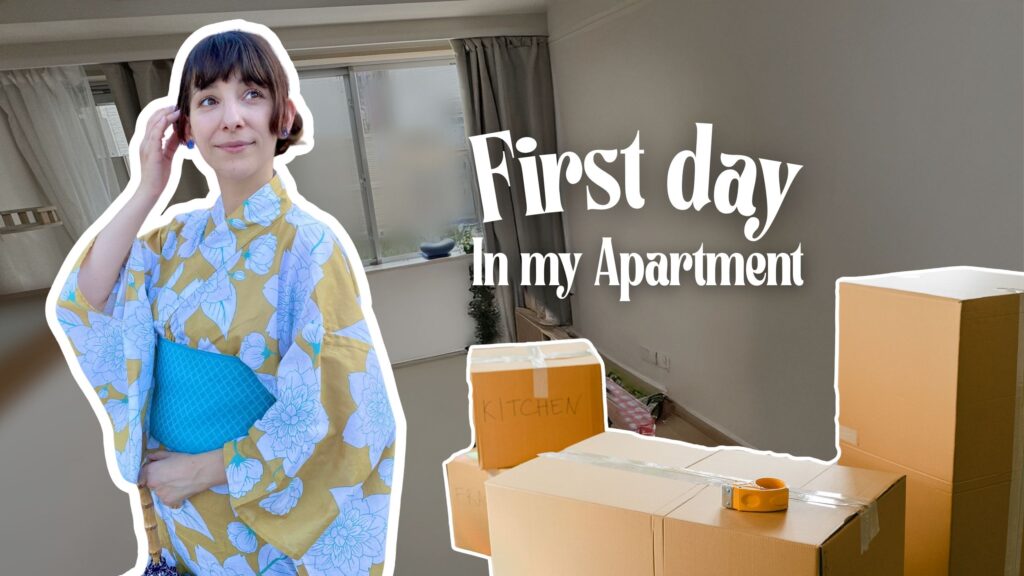
I moved here in February 2020, and I came here with like a company that helped with working holiday visas, so they booked the share house for me, took care of the airport, helped me set up my bank account, and so on, so that was fairly smooth. But just one month later was like when like hell broke loose and like there were no flights, people started panicking, nobody knew what was going on and I was living in a share house.
Since I couldn’t go home, I was able to get an extension to my working holiday visa, which almost never happens. By the time the borders were open again, I was settled in Tokyo, and — thanks to the help of a lawyer who specializes in immigration — I converted it into a regular work visa.
4. Did you encounter any difficulties when moving into an apartment in Tokyo?
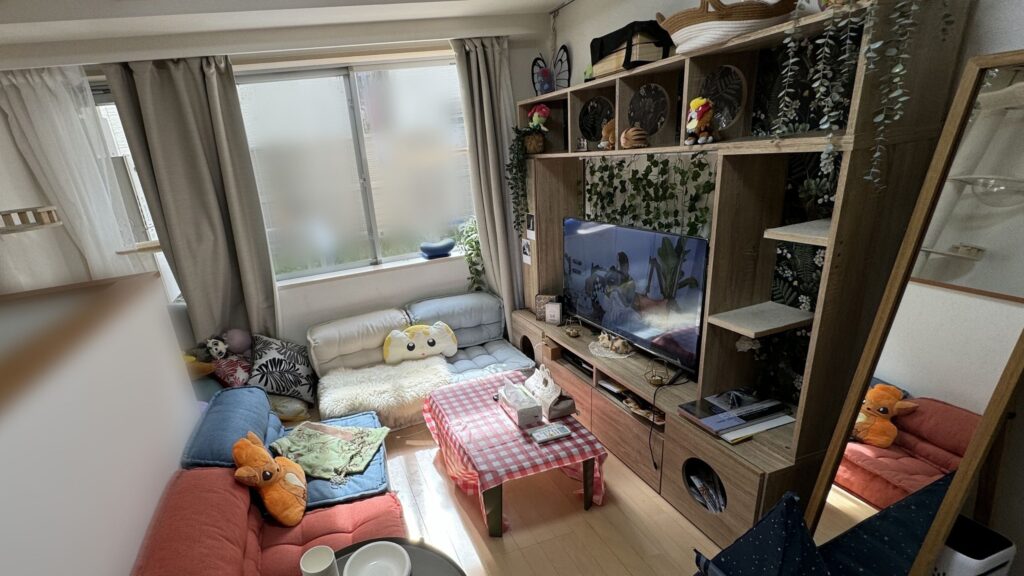
Luckily, I was in a good situation: I was living in a sharehouse, so I wasn’t under a lot of pressure to move suddenly, and I had begun a relationship with a Japanese person, which meant they could help me in translation and negotiation.
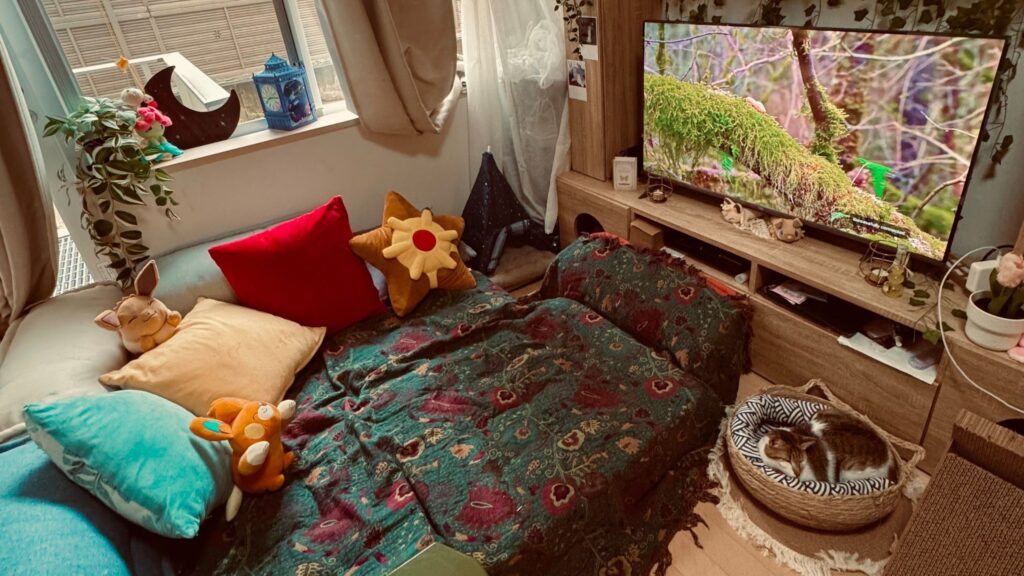
This was especially helpful as I really wanted to have pets. This can be difficult sometimes, but my agent was really helpful, and found me the place that I live in today.
5. What are some surprises you encountered when moving?
The cost! Moving in Japan is very expensive. There are a lot of things like key money and other hidden costs that can really add up. Sometimes it felt like dealing with the mafia!
Another thing is the layout of Tokyo apartments. First is the kitchen: if you have a stove, it will be small, and you might just have a space in the kitchen where you are expected to buy your own stove. Additionally, almost no apartment will have an oven, which is really weird for Europeans.
Also, the balconies. When people from Europe hear that apartments in Japan almost always have balconies, they think, “great! I’m going to host a lot of outdoor parties,” but they’re usually very small, and are just for hanging clothes.
6. What advice would you give to anyone moving to Tokyo?
First, I think everyone should try living in a sharehouse at first. It’s great having your own place, but a sharehouse helps to make friends and build your own little community. The other thing I would say is just: trust your gut. When I first came, I didn’t know about the moving procedure, but I knew what I wanted, and I knew it when I’d found it. Always goes with your gut: it knows what’s best for you.