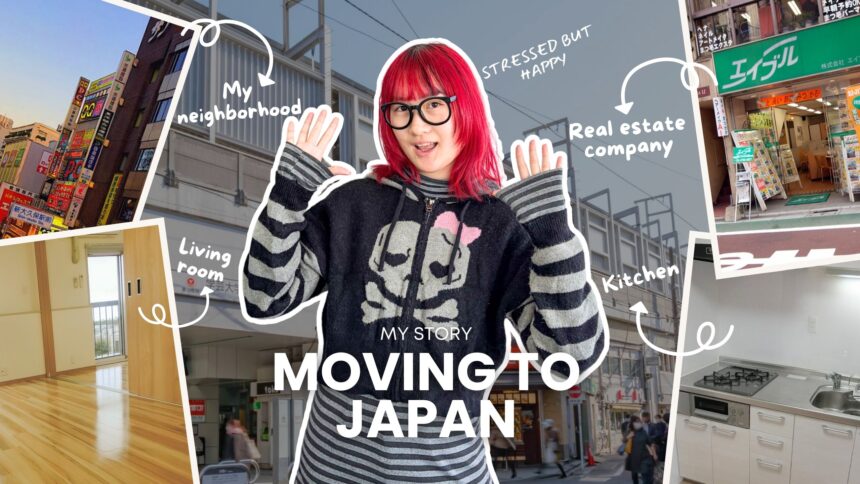

Meet Winnie, an international student from China who moved to Japan three years ago to study art history at International Christian University (ICU). Moving to Tokyo sounded exciting at first, but practical issues soon emerged. Winnie handled most things alone, from securing an apartment before arriving, to learning ward office procedures step by step, and later moving again after graduation once daily life made it clear what kind of home actually worked. In this interview, Winnie shares what the first move really felt like, what changed the second time around, and what feels worth knowing before signing a lease in Tokyo.
更多信息
采访

1. When you first arrived, what helped you get through the paperwork stage?
ICU didn’t do the paperwork for me, but they provided a handbook that helped me avoid getting lost.
That handbook became the starting point for everything: ward office registration, early procedures, and the basic stuff that has to happen as soon as you land. Even with a guide, it still felt difficult, because there are so many steps at the same time.
2. How did you find your first apartment before arriving in Japan?
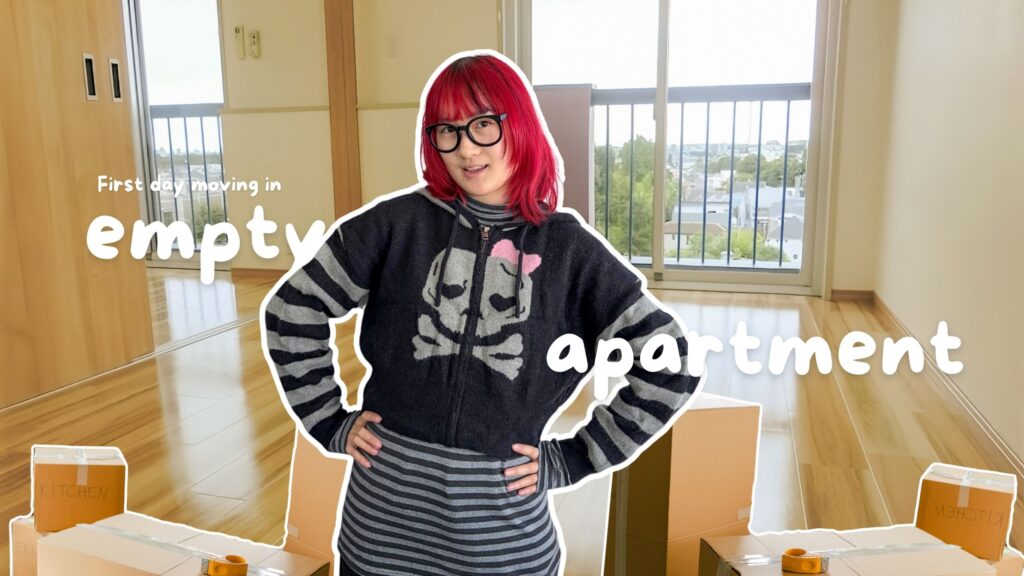
My university had a website including real estate agencies. I contacted a Japanese agency and arranged the apartment without seeing it in person.
Because I was applying from overseas, it felt like the safest and easiest solution. But after moving in, the gap between photos and real life became obvious: photos can be misleading, and a place that looks fine online can feel very different in real life.
It’s convenient, but it’s a gamble.
3. Why did you decide to move again after graduation?
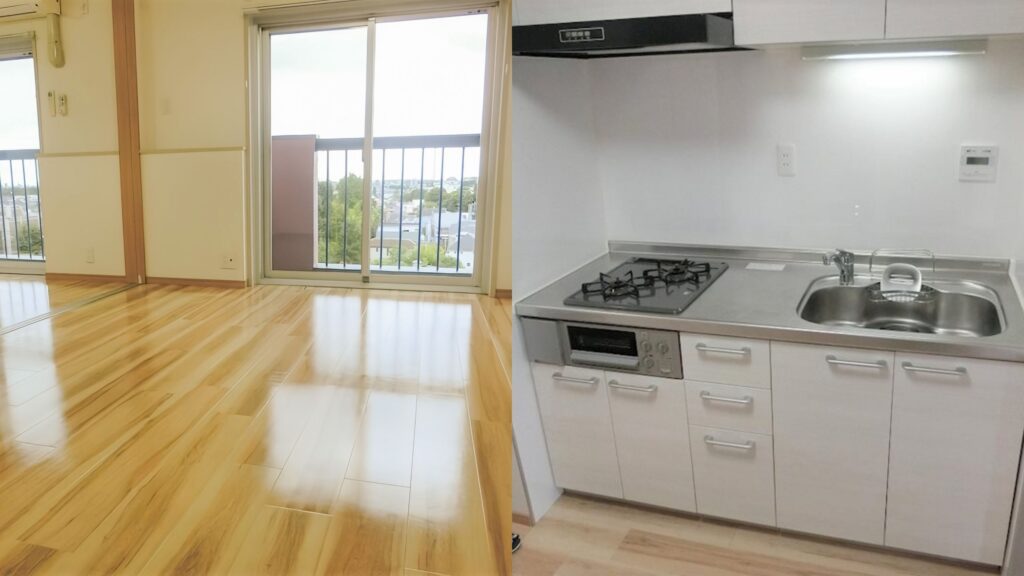
I moved after my two-year lease ended, but by then the apartment felt too small and not comfortable for my daily routine. And honestly, one thing mattered more than expected: cooking.
I wanted gas-powered cooking.
I cook often, so using an electric stove every day just wasn’t enjoyable. That’s when I realized the next apartment couldn’t just be “acceptable.” It had to fit the way I actually live.
4. What did the second apartment search look like?
I went directly to Koenji and visited real estate agencies there in person. Koenji was the area I wanted. But once I started seriously searching, the agent basically redirected me to Ogikubo instead. It wasn’t some dramatic change of mind. It was just reality that Koenji was too expensive for what I wanted, and Ogikubo made more sense within budget.
Sometimes Tokyo chooses the neighborhood for you.
5. Did seeing apartments in person change things the second time?
Yes. I gave the agent a clear budget range, and they took me to view options in person.
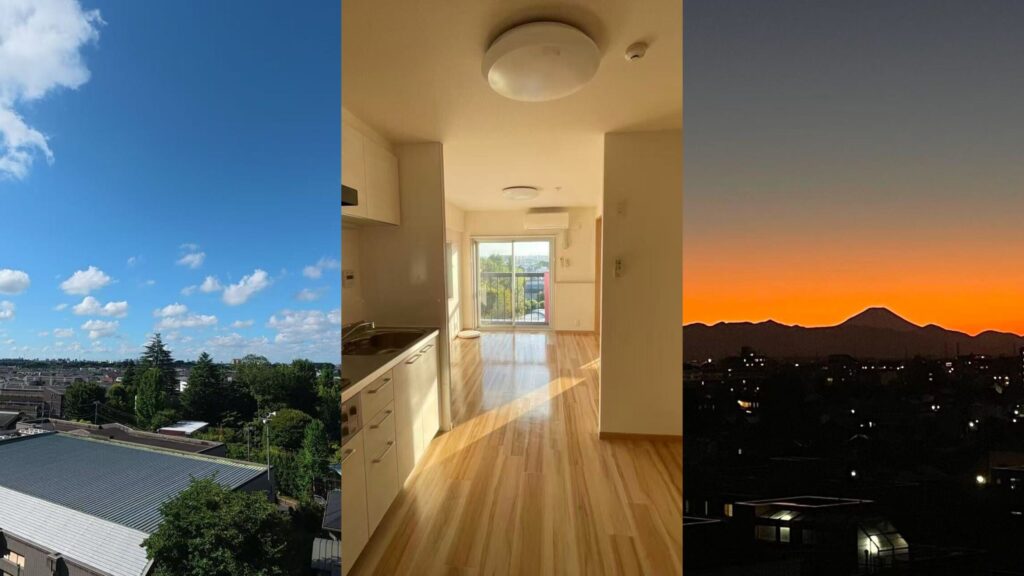
Seeing places in real life helped so much. Photos can’t tell you about noise, sunlight, weird layouts, or how a room actually feels when you walk in.
6. What felt hardest during the second move and early settling in?
Both ward office issues, and the moving process itself, felt overwhelming. Everything was piling up: paperwork, moving, setting up my life, and trying to communicate with the necessary powers smoothly through it all.
7. What kind of help mattered most during the move?
I packed mostly alone. I asked a friend to help for one day and hired a moving company, but the biggest help came from a Japanese friend handling the “official” parts. They helped by calling the moving company and communicating for me, and also came with me to help during the move-out inspection at my old apartment. That support made a big difference. Phone calls and inspections feel small, but if you misunderstand something, it can become stressful — fast.”
Help matters most at the official moments.
8. What happened after moving, once you were in the new place?
After the move, I had to set up utilities and switch Wi-Fi, but I timed it to take advantage of a campaign deal! I didn’t need to change my SIM, but I bundled it with the same Wi-Fi provider for a discount, so it was cheaper and simpler.
9. What surprised you about Tokyo housing costs?
Moving often requires paying multiple months upfront, plus deposits and fees. Even after cleaning, I still had to pay a cleaning fee: and landlords can take fees no matter what, and it can feel unavoidable!
The biggest shock wasn’t the rent. It was the upfront total, and then the move-out costs that still show up even if you try really hard to do everything “properly.”
Tokyo moving costs hit before you even settle in.
10. What advice would you give someone moving to Tokyo alone?
Learn more Japanese than you think you need, because it affects everything: contracts, utilities, problem-solving, and even how comfortable you feel talking to agents. Also, if possible, see apartments in person, because photos really can mislead you. And budget more than you think you need, because moving almost always costs more than expected.
最后的想法
Winnie’s story is not that is “perfect.” The first move involved guessing, adapting, and sometimes just doing the best possible option with limited information. The second move felt easier not because Tokyo became kinder, but because her experience made everything clearer.
Once you go through it once, you understand how apartments really work here, what to watch out for, and what matters most for your own lifestyle.