

Every autumn, shrines across Japan fill with kimono-clad children aged three, five and seven who offer thanks for healthy growth. This guide walks international families through the festival’s meaning, preparation and on-the-day etiquette so you can focus on celebrating rather than guessing what comes next.
What Is Shichi-Go-San?
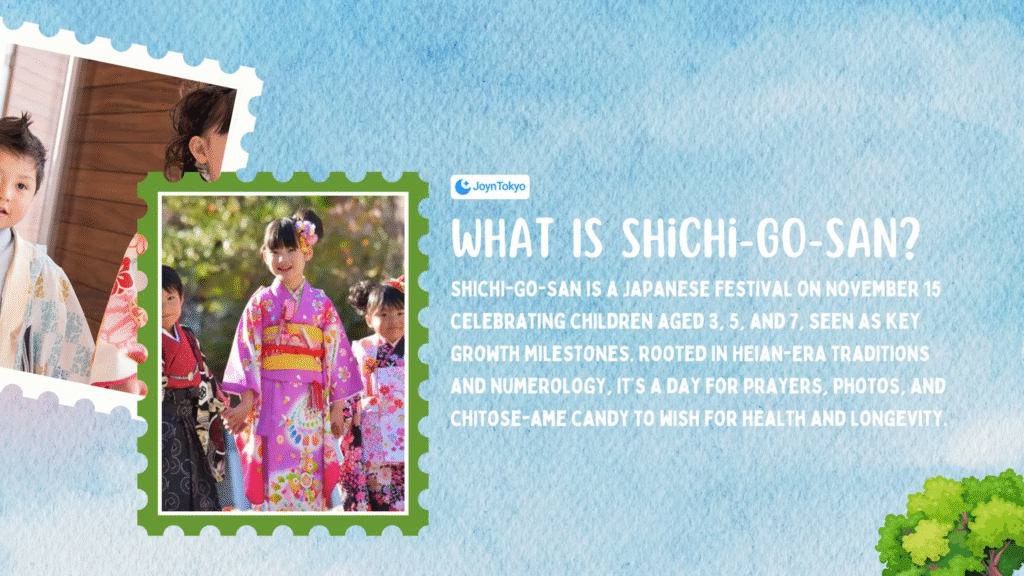
Shichi-Go-San literally means “seven-five-three,” referring to the ages of children being celebrated — three- and seven-year-old girls, 和 three- and five-year-old boys. Shichi-Go-San is one of the earliest rites of passage, part of a wider tradition of marking life stages that continues into adulthood with the coming of age ceremony. The event takes place annually on November 15, though most families visit shrines on the nearest weekend for convenience.
The ritual dates back to the Heian period (794–1185), when court nobles celebrated milestones in their children’s development. Over time, it spread among samurai families and later to the general public, becoming the nationwide custom it is today.
更多信息

Why These Ages Matter
In Japanese culture, specific ages are believed to mark important stages in a child’s physical and spiritual growth:
- Age 3 (both boys and girls): The “Kamioki” (髪置き) ceremony marks the time children could begin growing their hair after having it shaved short for hygiene as infants.
- Age 5 (boys): The “Hakamagi” (袴着) ceremony celebrates a boy’s first time wearing hakama trousers — a symbol of maturity and strength.
- Age 7 (girls): The “Obitoki” (帯解き) ceremony honors a girl’s transition to wearing an obi (sash) instead of simple cords, symbolizing her readiness to grow into womanhood.
Each age carries blessings for health, longevity, and protection from misfortune.
Visiting Shrines for Blessings
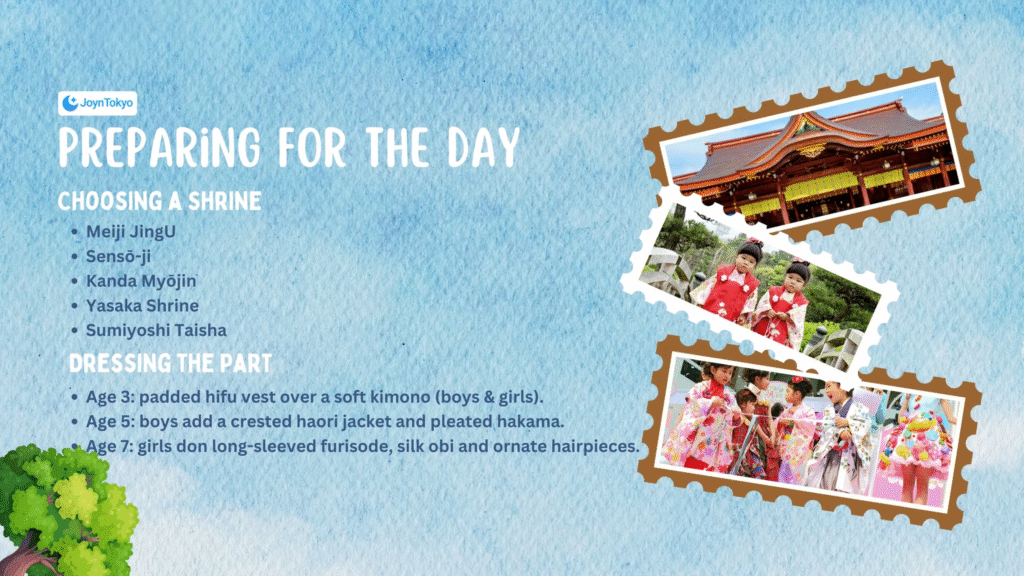
On Shichi-Go-San, families typically visit Shinto shrines to offer prayers of gratitude and ask for continued well-being. Popular spots like Meiji Jingu (Tokyo) 和 Heian Jingu (Kyoto) are filled with smiling children in traditional attire. Priests perform purification rituals, and families often receive small amulets (omamori) for protection.
What Children Wear on Shichi-Go-San
The clothing is one of the most enchanting parts of Shichi-Go-San.
- Girls wear brightly colored kimono, often adorned with floral motifs and paired with decorative hair ornaments.
- Boys wear hakama 和 haori jackets, sometimes featuring family crests or samurai-inspired designs.
Some families rent these outfits for the day, while others pass down heirloom garments through generations. In urban areas, you’ll often see professional photographers capturing portraits to commemorate the day.
更多信息
The Famous “Chitose Ame” Candy
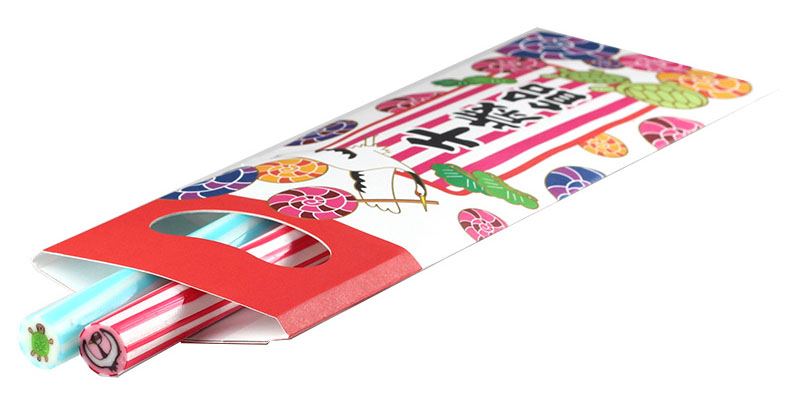
No Shichi-Go-San celebration is complete without Chitose Ame (千歳飴) — long, thin, red-and-white candy sticks given to children in festive bags. The name means “thousand-year candy,” symbolizing longevity and good fortune. The striped design represents the wish for a sweet and prosperous life.
Modern Shichi-Go-San Traditions
While the core meaning remains, modern celebrations blend tradition with convenience. Families might visit a shrine for blessings, then enjoy a meal together or head to a photo studio. Some even opt for Western-style dresses or suits for the commemorative photos.
Regardless of the form it takes, Shichi-Go-San continues to be a heartwarming celebration of family, growth, and gratitude — a reminder of how Japan cherishes life’s small but beautiful milestones.