

The Engineer/Specialist in Humanities/International Services visa is one of the most commonly held visas by those from abroad working in Japan. But what does it cover? Are you eligible? What documents do you need? Here is a comprehensive guide.
New to the whole process of relocating? Here’s our complete guide for relocating to Japan.
更多信息
What This Visa Actually Covers
This visa category is one of the most widely used because it covers multiple professional fields. Engineers working in IT, technology, or natural sciences; specialists in the humanities such as economists, legal advisors, and educators; and international service professionals including translators, interpreters, and designers are all eligible.
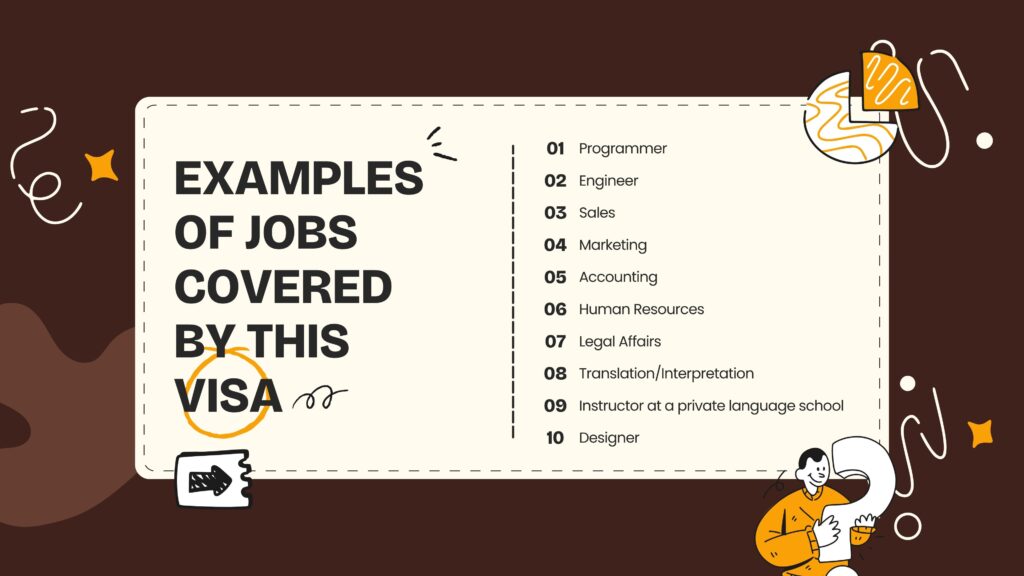
Examples of Jobs Covered by this Visa
- Programmer
- Engineer
- Sales
- Marketing
- Accounting
- Human Resources
- Legal Affairs
- Translation/Interpretation
- Instructor at a private language school
- Designer
Who Is Eligible for This Visa?
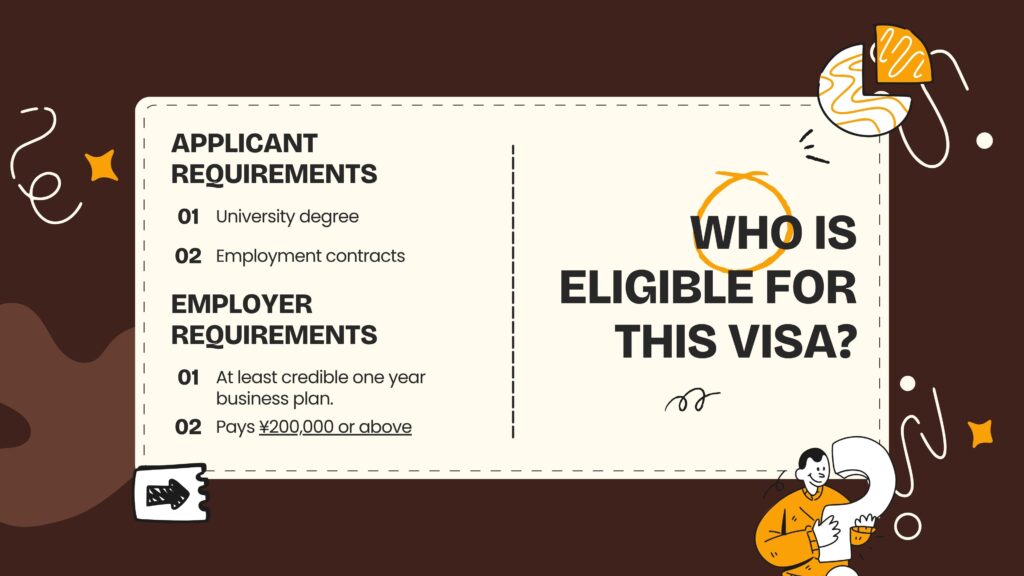
Here is a short list of criteria that you must meet to be eligible for this visa.
Applicant Requirements
- Hold a university degree or equivalent professional experience, typically ten years or more.
- Employment contracts must clearly specify the applicant’s role and qualifications.
- You should have an open-ended contract, or if fixed-term, it must be at least one year.
Employer Requirements
- The company employing you must be established, or — if new — able to provide immigration with a credible one year business plan.
However, note that you are likely to be accepted only if you are offered a position that pays ¥200,000 or above, at an absolute minimum. Any lower, and you will likely be denied, as you would not be considered capable of supporting yourself.
Documents You Need Before Applying
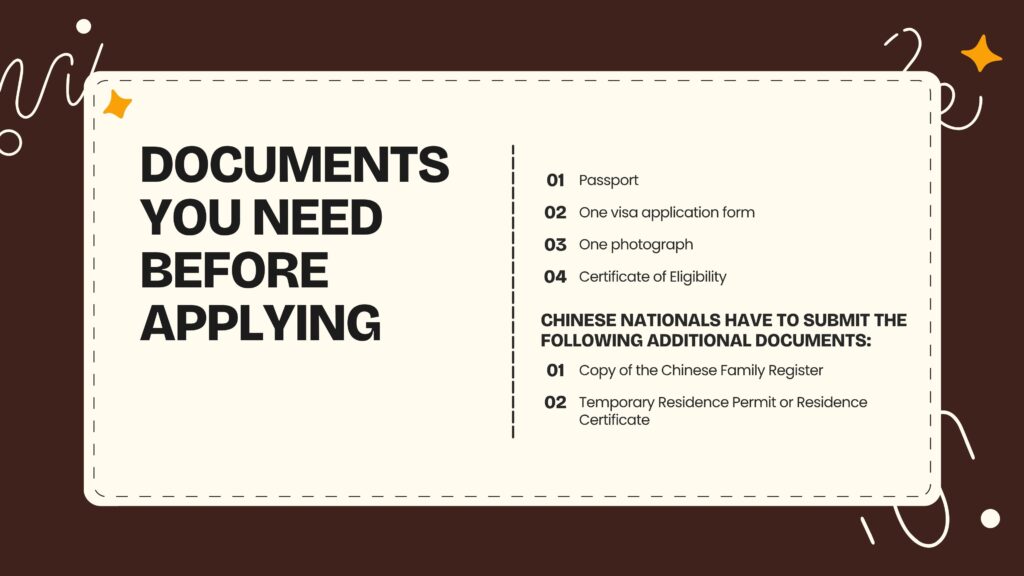
The documentation required is surprisingly light for many. Here is the basic list of everything required:
- Passport
- One visa application form (nationals of Russia, CIS countries or Georgia need to submit two visa application forms)
- One photograph (nationals of Russia, CIS countries or Georgia need to submit two photographs)
- Certificate of Eligibility, which must be the original or a copy (If you have an electronic Certificate of Eligibility, please present it at the visa application counter or submit a printed copy)
However, Chinese nationals have to submit the following additional documents:
- Copy of the Chinese Family Register
- Temporary Residence Permit or Residence Certificate (If the applicant does not have a family register within the region under the jurisdiction of the embassy or consulate-general where the application will be made)
You will also be required to submit a number of documents from the company that is hiring you. These will include things like financial information, and purpose for your hiring. The documents will be in Japanese, so don’t worry about them too much if you don’t speak the language.
What Happens During the Application Process?
During the process, the immigration services will check the documents that you have submitted, and ensure that everything is in order. In some circumstances, you may be asked to submit additional documentation, if clarification is needed.
Be aware that if your visa is denied, you will not typically be given the reason why. Immigration services generally keep their decision-making processes to themselves in order to prevent future applicants manipulating their systems.
It will typically take between one and three months for your visa to be approved.
How Long Does This Visa Allow You to Stay?
The visa is usually granted for one, three, or five years and is renewable, making it a common pathway for skilled professionals relocating to Japan.
Can You Change Jobs While Holding This Visa?
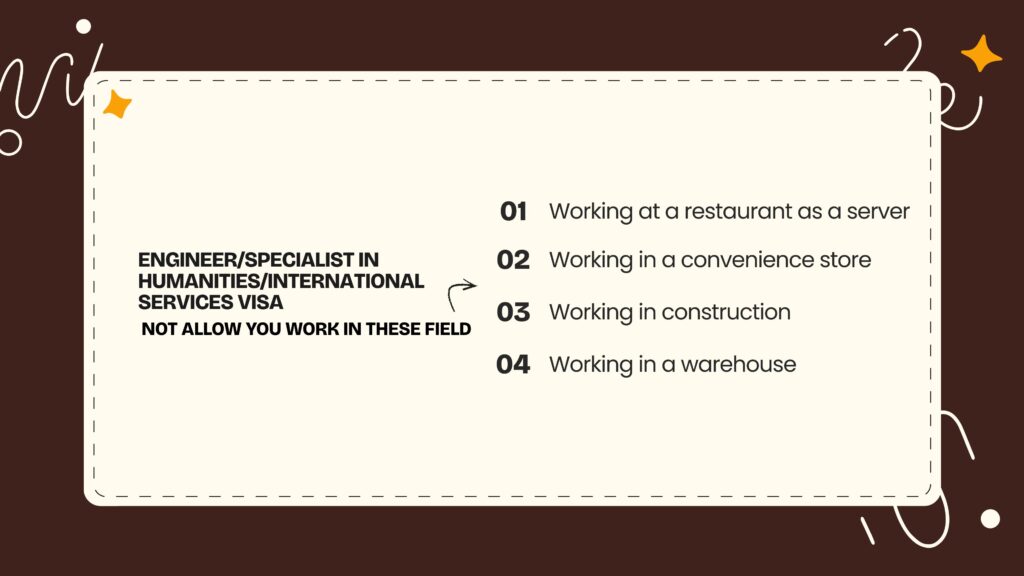
Yes! This visa is not tied to any specific job, so you are able to change not only your job, but also the kind of job you have, if you hold this visa. However, this is not absolute: you cannot work positions that are not suitable for your visa. These include:
- Working at a restaurant as a server
- Working in a convenience store
- Working in construction
- Working in a warehouse
Additionally, when you change jobs, you are required to go to your nearest immigration bureau and alert the government that you are now employed by a new company.
Is This the Right Visa for Your Career Plans?
While this visa is highly flexible, and grants a great deal of latitude in the work that can be done, it is not right for everyone. Those with their hearts set on professional entertainment, who are professional artists, or who wish to be university lecturers will need to consider different visas.
And there we have it for the Engineer/Specialist in Humanities/International Services visa. Its versatility is beloved by many holders and envied by many.. If you are successful in your application, you’ll be the envy of many!