

Allow us to introduce you to Tobias! He has been working as a writer and editor for over a decade, and is here today to take you through his process of moving to Japan. Like everyone’s journey, his was unique, but hopefully you will be able to glean some insights into not only that it’s like to move to Japan, but what it’s like to live there.
Interview

1. Could you tell us a little about your background? Why did you move to Japan?
I’m originally from the United Kingdom, and I studied English and American Literature. Before coming here, I lived and worked in London for around six years.
As for why I came, my reason is somewhat stereotypical. As a kid, I was into video games, and through those was introduced to Japanese culture. I lived in Japan for nine months in my gap year, in Aichi prefecture, and fell more in love with the country and the culture. Then, a few years ago, I got a job offer and the chance to move here on a long-term basis, so I took it.
2. What was the moving process like?
Well, it was a little difficult. Like many people, I originally lived in a share house. This was because it was easy to find a room, but it was also nice hanging out with people. But at the same time, I wanted a little privacy, and so I decided to find a place of my own.
Part of the difficulties I had were that, as a newcomer to Japan, I had no real “background.” As such, even when presenting my paycheck, or giving references, people would be hesitant to rent an apartment. Eventually, I found a real estate agent who could speak English, and he found me an apartment with a landlady who was kind enough to accept me.
3. After finding an apartment, what other difficulties did you face?
Well, getting things set up was tricky. While the rental company helped me with arranging my electricity, gas, and water, I needed to take time off work to be there for the gas to be set up. Getting the Internet connected was also tough: it takes a long time, and by coincidence, I had a friend visiting. “Stay at my place,” I said, but without Internet, it was tricky to stay in touch when I left the apartment.
4. How would you compare Japan with the UK?
Well, it’s cheaper to live in Tokyo than London! My apartment now is a little smaller than my old place, but the rent is around half the price. That said, things can be tougher, as there are so many hoops to jump through here, whereas my first landlord in London signed the contract on the back of his car in a pub carpark.
Moving in to a place also means you need to register with the local government, which I don’t have to do in the UK. This was pretty simple, though. Going to city hall didn’t take much time, I was seen fairly quickly, and I was given all the help I need. Naturally, there were language issues, but there were support systems in place.
5. What were some pleasant surprises?
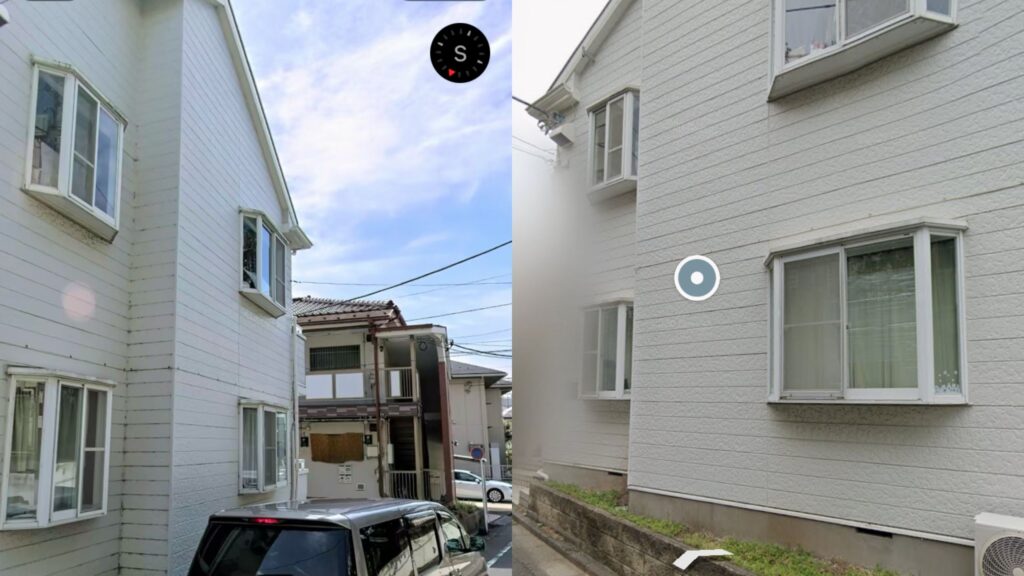
The support was incredible. My rental company sent a plumber within one hour when I had a problem in the bathroom. Additionally, when there was a huge typhoon coming, my landlady lent me a torch, and gave me recommendations of what I should and should not buy (for example: dry food: if gas or electricity is knocked out, you can’t cook). She also happens to live next door, and always greets me when I leave or return.
Start Your Own Japan Journey With Expert Guidance
Just like the person you read about above, you can successfully move to Japan. Get personalized support for work, study, or life in Japan.
Book Your FREE Consultation✓500+ Bookings ✓ English-speaking Relocation Support Experts
6. What advice would you give to people moving to Japan?
The first thing I would say is: look for an estate agency that speaks English. While my Japanese is sufficient for everyday things, I definitely needed help when it came to renting an apartment.
The other thing I would say is: don’t settle. When you’re looking for a place, it can be tempting to just go for the first place that is willing to rent to you. But I would say it’s worth taking the time to find an apartment that suits you in a place that you like. You’re living here, after all, so you should love where you live.
Read More