Language

Find helpful guides for practicing and improving Japanese.

Japanese Idioms: Meaning, Examples, and How to Use Them Naturally — cover image
Language

Japanese Idioms: Meaning, Examples, and How to Use Them Naturally

You have been studying Japanese for months. Your grammar is solid. Your vocabulary is growing. And then a Japanese colleague says 「七転び八起き」 and everyone in the room nods knowingly while you smile and nod along, understanding not a single thing of what just happened. This is the idiom problem. And it is one of the
By Hassan Ali
Shoganai Meaning: Understanding Japan’s “It Can’t Be Helped” Mindset — cover image
Language

Shoganai Meaning: Understanding Japan’s “It Can’t Be Helped” Mindset

You’ll often hear Japanese people say shoganai (しょうがない / 仕方がない) when plans go wrong—like when it rains on a holiday or the train runs late. This short phrase captures a deeply rooted part of the Japanese mindset: accepting the inevitable with calmness and dignity. For foreigners living in Japan, understanding shoganai offers valuable insight into

By Ayano Watanabe
Nanpa Meaning: Japan’s Pickup Spots and Culture — cover image
Language

Nanpa Meaning: Japan’s Pickup Spots and Culture

You’ll often hear stories of people being approached by strangers in Tokyo or Osaka — a bold move known as nanpa (ナンパ). It describes those spontaneous encounters that sit somewhere between flirting and social daring, making it one of Japan’s most talked-about dating customs. Let’s unpack what nanpa really means, how it works, and what

By Ayano Watanabe
maji meaning
Language

Maji Meaning: How This Simple Japanese Word Expresses Emotion

If you’ve ever watched Japanese dramas, scrolled through anime clips, or overheard a group of teens chatting in Shibuya, you’ve probably caught the phrase maji de tossed around with a surprised tone. Maybe you even seen someone exclaim “Maji!?” with wide eyes. It’s one of those phrases that shows up everywhere, whether in laughter, shock,

By JoynTokyo
ukeru meaning
Language

Ukeru Meaning: How to Use This Popular Japanese Expression Naturally

The Japanese word “ukeru” (ウケる/受ける) is a fascinating term that reveals much about Japanese humor and everyday communication. You’ll hear it in casual conversations, comedy shows, and even online chats. For foreigners living in Japan, understanding “ukeru” will help to catch subtle humor and sound natural when reacting to funny situations. The Core Meaning of

By Ayano Watanabe
yabai meaning
Language

Yabai Meaning: The Japanese Slang That Can Mean “Cool” or “Dangerous”

The Japanese slang word “yabai” (やばい) is one of the most frequently used and versatile expressions in modern Japan. You’ll hear it in anime, in casual conversations among young people, and even in everyday life. But what does yabai actually mean? The answer isn’t simple, as it depends on context, tone, and who’s speaking. This

By Ayano Watanabe
ikemen meaning
Language

Ikemen Meaning: Origins and Variations of This Japanese slang

They turn heads on screen, in cafés, and even at train stations: they are the effortlessly cool guys that the Japanese call ikemen. It’s one of those words that seem simple at first glance, but it carries a lot more depth than “handsome.” Yes, ikemen can mean a good-looking guy, but it also captures something

By Kanako
kimoi meaning
Language

Kimoi Meaning: What This Japanese Slang Really Means in English

If you’ve ever watched Japanese dramas, anime, or scrolled through Japanese social media, you may have heard someone say “kimoi,” usually with a wrinkled nose or an exaggerated shiver. It’s short, punchy, and full of emotion. But what exactly does kimoi mean in English, and why do Japanese people use it so often? Let’s dig

By JoynTokyo
Compliments in Japanese: From “Ikemen” to “Kakkoii,” and What They Really Mean — cover image
Language

Compliments in Japanese: From “Ikemen” to “Kakkoii,” and What They Really Mean

Compliments are a wonderful way to connect with people in Japan, but they often carry different cultural nuances compared to Western countries. Japanese compliments are usually subtle, humble, and context-based, so learning how to use them naturally will help you build stronger relationships both in daily life and in professional settings. This guide will walk

By Ayano Watanabe
how to say how are you in japanese
Language

How Are You in Japanese: A Complete Guide to Greetings and Usage

In Japanese, greetings are more than polite formulas, they reflect relationships, context, and social awareness. The phrase “how are you” exists, but it is not used as casually or as frequently as in English. Knowing the right expression, from the formal Ogenki desu ka (お元気ですか) to casual options like Genki? (元気?), helps learners avoid awkwardness

By JoynTokyo
japanese for daily life
Language

Japanese Basic Phrases: Full Reference for Travel, Culture, and Daily Life

Learning Japanese phrases is one of the fastest ways to connect with locals, travel smoothly, and enjoy cultural experiences more deeply. While grammar can be complex, set expressions allow you to communicate effectively in everyday situations. This guide introduces the most essential categories of Japanese phrases, with links to in-depth articles when you want to

By JoynTokyo
Basic Japanese Phrases for Travel: Speak Confidently in Japan — cover image
Language

Basic Japanese Phrases for Travel: Speak Confidently in Japan

Exploring Japan is exciting, yet navigating daily situations can feel daunting without some essential Japanese phrases. While English is understood in major cities, having a few expressions at hand helps you order meals, ask for directions, and show respect to locals. This guide introduces the most practical Japanese phrases for travelers, covering greetings, dining, transportation,

By JoynTokyo
how to say thank you in japanese
Language

How to Say Thank You in Japanese: Expressions, Formality Levels, and Cultural Nuances

Expressing gratitude is central to Japanese culture. The language offers a wide range of ways to say “thank you,” each carrying different levels of politeness depending on the situation. Whether you are thanking a close friend, showing respect to a teacher, or expressing appreciation for a meal, knowing the right phrase makes a strong impression

By JoynTokyo
Meaning of Sugoi
Language

What Does Sugoi Mean in Japanese? A Guide to Meaning and Usage

Japanese is full of expressions that carry more nuance than a direct dictionary translation can capture. One of the most widely recognized words is sugoi (すごい). You may have heard it in anime, Japanese dramas, or everyday conversations, but what does sugoi mean, and how is it used? This guide explores its meaning, variations, and

By JoynTokyo
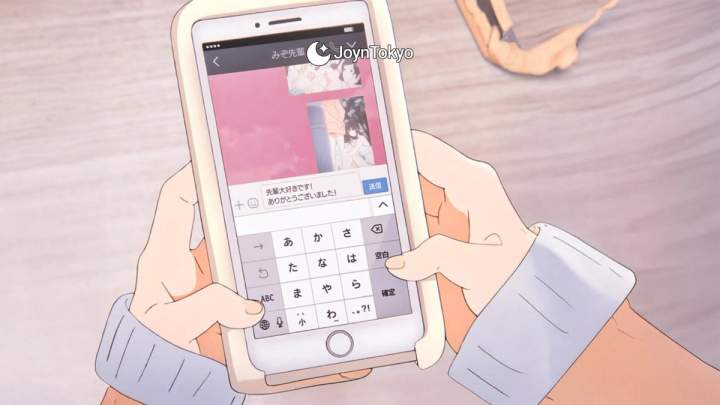
How to Type in Japanese
Language

How to Type in Japanese: A Complete Guide with Infographics

Learning how to type in Japanese opens up new ways to communicate, practice language skills, and even connect with Japanese speakers online. Whether you want to write emails, chat with friends, or simply learn how to type your name in Japanese, the process is easier than it first appears once you understand how the system

By JoynTokyo
How to say happy birthday in japanese
Language

How to Say Happy Birthday in Japanese: Phrases, Writing, and Cultural Tips

Birthdays in Japan are celebrated with warmth and sincerity, yet the language and customs surrounding them can feel different from what you may be used to. If you are learning Japanese or planning to wish a Japanese friend a happy birthday, knowing the correct phrases and cultural context helps you express your message naturally. This

By JoynTokyo
different ways of apology in japanese
Language

How to Say Sorry in Japanese: A Guide to Apology Culture

Apologies in Japan are more than simple words — they reflect respect, humility, and the desire to maintain harmony. For foreigners living in Japan, mastering the art of saying “sorry” can prevent misunderstandings and strengthen relationships at work, school, and in daily life. This guide explains not only the most common expressions but also the

By Ayano Watanabe
japanese swear words commonly used
Language

Swear Words in Japanese: Top 15 Curse Words and Their Real Meanings

Losing your Suica, missing the last train, or getting overcharged at a bar can make anyone blurt out something colorful. In Japan, however, profanity revolves less around explicit taboo words and more around who you are talking to, how you say it, and where you sit in the social hierarchy. Like anyone else, Japanese people

By Ayano Watanabe
Japanese slang
Language

Japanese Slang Words – Your Friendly Guide to Wakamono Kotoba

Japanese slang words can sometimes feel like a secret code, but cracking it is the quickest route to having relaxed, real-world conversation. This guide unpacks what wakamono kotoba means, when it fits, and — most importantly — how to drop it without sounding forced. 12 Must-Know Japanese Slang Words Below are twelve high-frequency terms you

By JoynTokyo
best app for learning japanese 2025
Language

Best Apps for Learning Japanese: Fast, Affordable, and JLPT-Ready Picks

Learning and language is easier when you have the right tools, and Japanese is no exception. As someone who’s studied and lived in Japan for several years, I’ve had the opportunity to test and compare the most popular Japanese learning apps, and I’ll detail my experiences to you now, based on real-life usefulness, user experience,

By Tobias Waters
What is the Best Way to Learn Japanese – The Most Effective Methods Explained — cover image
Language

What is the Best Way to Learn Japanese – The Most Effective Methods Explained

The best way to learn Japanese is by combining structured lessons, regular speaking practice, and daily immersion. No single method works on its own. Learners who rely only on apps struggle with conversation, while immersion without structure leads to slow progress. The most effective approach depends on your goals, timeline, and budget, but successful learners

By JoynTokyo