Culture

Learn about work customs, dating practices, and modern relationships.

Sheila Cliffe on The Kimono Closet and the Stories Kimono Hold — cover image
Culture

Sheila Cliffe on The Kimono Closet and the Stories Kimono Hold

Sheila Cliffe is a longtime kimono researcher and the author of Kimono Style. In her new book, The Kimono Closet, she looks beyond kimono as fashion or art objects and instead explores their deeper place in family life, memory, and identity. She spoke with JoynTokyo to give us an exclusive look at the new book,
By JoynTokyo Team
Japanese Cultural Concepts: A Complete Guide to Japan’s Most Powerful Philosophies — cover image
Culture

Japanese Cultural Concepts: A Complete Guide to Japan’s Most Powerful Philosophies

Japan exports two things that the rest of the world cannot seem to get enough of: technology and philosophy. The technology is obvious. The philosophy is subtler, but arguably more influential. Words like ikigai, wabi-sabi, and kaizen have migrated into business books, wellness retreats, design studios, and everyday conversation far beyond Japan’s borders. They appear

By Hassan Ali
Mushin Meaning: Losing Yourself to Find Yourself — cover image
Culture

Mushin Meaning: Losing Yourself to Find Yourself

What is Mushin? Mushin (Pronunciation: moo-sheen・Japanese: (無心) is a concept that you can find in many areas of life, as well as in spiritual practice. It means the relinquishing of your logical mind and your ego, so that you’re only left with your spirit without anything else getting in the way. As adults, we are

By Ariel
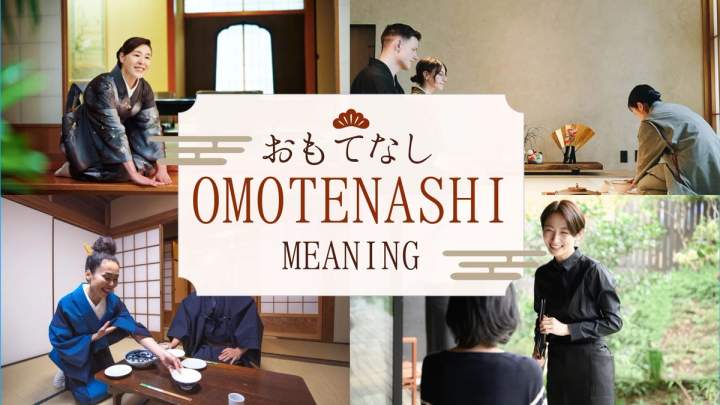
Omotenashi Meaning: The Practice Behind Japan’s Convenience and Comfort — cover image
Culture

Omotenashi Meaning: The Practice Behind Japan’s Convenience and Comfort

If you’ve studied Japanese, you might’ve heard the word omotenashi (Pronunciation: oh-moh-teh-nah-shee・Japanese: おもてなし) before. If you look it up in a dictionary, it will probably be defined as “hospitality” or “customer service”. However, the true meaning of the term goes a lot deeper than this. Omotenashi can be defined as hospitality without an expectation of

By Ariel
Showa Day (昭和の日) — Japan’s National Holiday on April 29 — cover image
Culture

Showa Day (昭和の日) — Japan’s National Holiday on April 29

Showa Day (Shōwa no Hi) is a Japanese national holiday observed every April 29. It marks the birthday of Emperor Hirohito, who reigned during the Showa era (1926–1989) — one of the most turbulent and transformative periods in modern Japanese history, spanning World War II, post-war reconstruction, and Japan’s rise as an economic powerhouse. The

By JoynTokyo Team
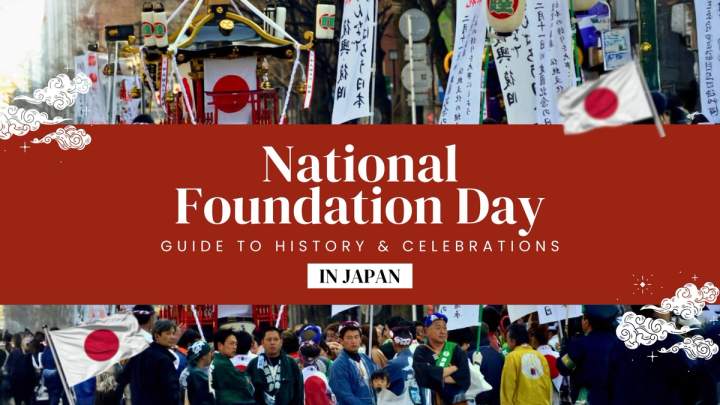
National Foundation Day in Japan: History and Celebration Guide — cover image
Culture

National Foundation Day in Japan: History and Celebration Guide

National Foundation Day (Kenkoku Kinen no Hi / 建国記念の日) is a Japanese national holiday celebrated annually on February 11th. This holiday commemorates the legendary founding of Japan and the ascension of its first emperor, Emperor Jimmu, in 660 BCE according to traditional mythology. What is National Foundation Day? National Foundation Day marks the establishment of

By JoynTokyo Team
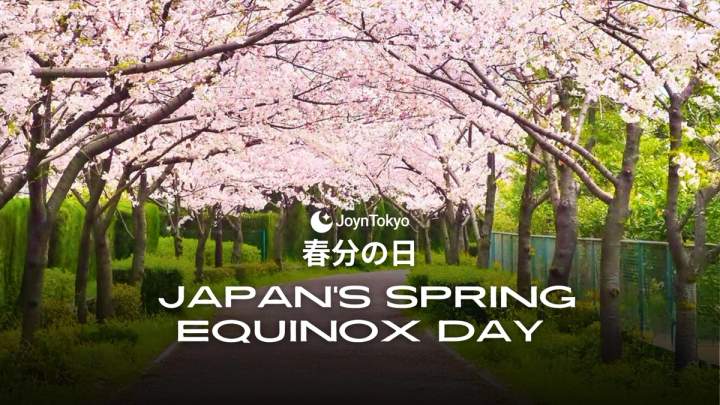
Shunbun no Hi: Japan’s Spring Equinox Day — cover image
Culture

Shunbun no Hi: Japan’s Spring Equinox Day

Shunbun no Hi (春分の日), or Vernal Equinox Day, is a Japanese national holiday that falls on March 20 or 21 each year, marking the astronomical beginning of spring when day and night are nearly equal in length. This ancient observance combines celestial awareness with Buddhist traditions, making it both a celebration of nature’s renewal and

By JoynTokyo Team
Gyaru Explained: Style, Makeup, and Fashion — cover image
Culture

Gyaru Explained: Style, Makeup, and Fashion

Gyaru (ギャル) is a Japanese youth fashion and lifestyle subculture that became a huge deal in the 1990s and 2000s. The vibe is bold, loud, playful, and a little rebellious, basically the opposite of quiet, minimalist “good girl” expectations. It is not one single look, either. Gyaru has had different waves, different sub styles, and

By JoynTokyo Team
Yanki Meaning in Japanese – What This Term Refers to in Japan — cover image
Culture

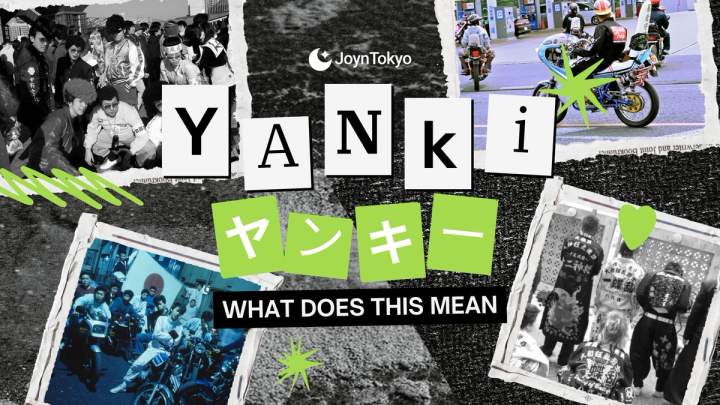
Yanki Meaning in Japanese – What This Term Refers to in Japan

In Japan, yankii refers to a delinquent youth subculture, not just a general troublemaker. The term is used for teenagers or young adults who openly reject school rules and social expectations, often through aggressive behavior, rough speech, and a confrontational attitude. Yankii are especially associated with students who modify their school uniforms, dye their hair,

By JoynTokyo Team
Funeral Traditions in Japan – What Happens and How to Show Respect — cover image
Culture

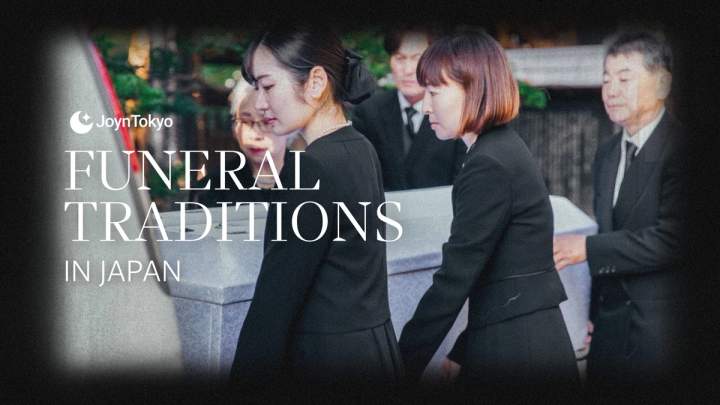
Funeral Traditions in Japan – What Happens and How to Show Respect

Funeral traditions in Japan can feel quiet and highly structured at the same time. People speak softly, movements are deliberate, and there is a strong sense that everyone is helping the family carry something heavy, together. If you are new to Japan, or you have only seen funerals in films, the real thing can surprise

By JoynTokyo Team
Hinamatsuri
Culture

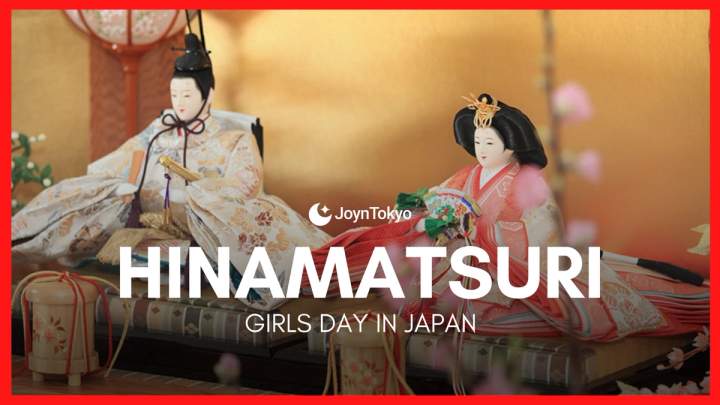
What Is Hinamatsuri? Understanding Girls Day in Japan 2026

If you come across delicate dolls dressed in layered kimono around early March in Japan, you are probably seeing Hinamatsuri. If you’re curious as to what Hinamatsuri is, at its heart, it is a traditional Japanese celebration that wishes health, happiness, and a good future for young girls. But like many Japanese customs, it carries

By JoynTokyo Team
Omikuji: Fortune Levels, Rituals, and English-Friendly Options — cover image
Culture

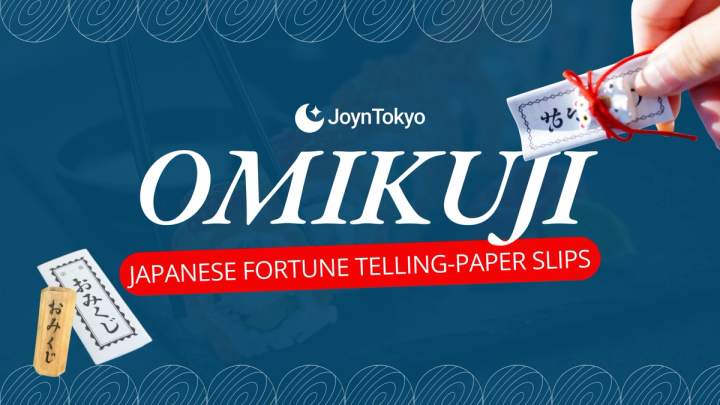
Omikuji: Fortune Levels, Rituals, and English-Friendly Options

Omikuji are one of the most accessible traditions for anyone who wants to connect with Japanese culture. Whether you visit a shrine casually or during important moments in life, drawing an omikuji provides a small but meaningful window into Japan’s spiritual practices. This guide explains what omikuji are, how to read them, what to do

By Ayano Watanabe
omairi
Culture

Omairi in Japan: How to Visit Shrines, Pray Properly, and Understand Shrine Customs

Visiting a Shinto shrine is one of the most enriching cultural experiences for foreigners living in Japan. The practice of omairi, making a respectful visit to a shrine, provides a moment of reflection while helping you connect with Japan’s cultural rhythms. Understanding how omairi works allows you to participate confidently and meaningfully, whether you are

By Ayano Watanabe
amazake
Culture

What Is Amazake? Your Guide to Japan’s Healthy Sweet Drink

Amazake is one of Japan’s oldest traditional drinks, known for its gentle sweetness, comforting warmth, and impressive nutritional qualities. For many foreigners living in Japan, amazake can feel unfamiliar at first, prompting questions such as whether it contains alcohol or why it is served at seasonal festivals. This guide explains everything you need to know

By Ayano Watanabe
japanese buzzwords
Culture

Top Ten Japanese Buzzwords to Take You into 2026

It’s nearly the end of what has been a turbulent, to say the least, 2025. Changes in governments and policy have occured throughout the world (including here in Japan), pop culture phenomenons have come and gone, and we even had a good Fantastic Four movie. While all of these will be paramount to any year

By Tobias Waters
soubetsukai
Culture

Soubetsukai: Understanding Japan’s Farewell Party Culture

Soubetsukai (送別会) is one of Japan’s most heartfelt social traditions. These farewell gatherings are more than simple goodbyes, they reflect cultural values of respect, gratitude, and emotional connection. This guide explains what Soubetsukai represents, how it works, and why it remains such an important part of Japanese social life. Understanding the Cultural Meaning of Soubetsukai

By Ayano Watanabe
oshikatsu
Culture

Oshikatsu: A Complete Guide for Foreigners Living in Japan

Oshikatsu has grown into one of Japan’s most joyful lifestyle trends, giving fans a creative and heartfelt way to celebrate the people or characters they love. It shows up everywhere, in cafés, stores, events, and even everyday routines. This guide explores what oshikatsu means, how it developed, and how anyone interested in Japanese culture can

By Ayano Watanabe
make friends in japan
Culture

How to Make Friends in Tokyo: Real Tips That Actually Work

Moving to Tokyo is an unforgettable experience. The bright nights, spotless streets, endless cafés, and the steady buzz of the city make everything feel fresh and full of promise. But once you’ve unpacked your suitcases and the excitement settles a bit, some people find themselves facing the same quiet question: how do you actually make

By Kanako
gokon - group dating in japan
Culture

Gokon in Japan – How Group Dating Really Works

You might first hear the word gokon while eavesdropping on everyday chatter in Japan. A coworker drops it into conversation, or a table of students tosses it around on the way to dinner, and suddenly you are curious about what this little social ritual actually is. Well, gokon is a casual group dating that blends

By JoynTokyo Team
Omiyage: Meaning, Tradition, and Best Gifts — cover image
Culture

Omiyage: Meaning, Tradition, and Best Gifts

In Japan, gift-giving is more than just a polite gesture — it’s an expression of gratitude, respect, and social harmony. One of the most beloved traditions in this culture is omiyage (お土産), the custom of bringing back souvenirs for family, friends, or coworkers after traveling. For foreigners living in Japan, understanding omiyage is essential not

By Ayano Watanabe
Aisekiya: Meet New People in Japan’s Social Izakaya Scene — cover image
Culture

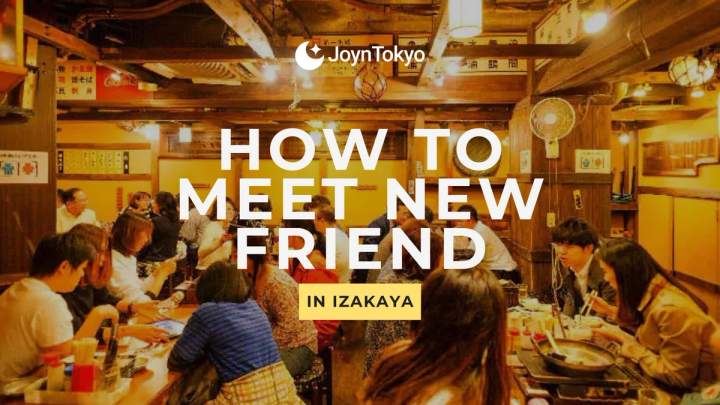
Aisekiya: Meet New People in Japan’s Social Izakaya Scene

Aisekiya, often called “shared-seat izakaya,” offers a casual and structured way to meet new people in Japan. For foreigners who want to socialize with locals beyond dating apps or nightlife bars, understanding how aisekiya works can make the experience smoother and more enjoyable. This guide explains the concept, process, etiquette, pricing, and recommended locations in

By Ayano Watanabe
Shinnenkai
Culture

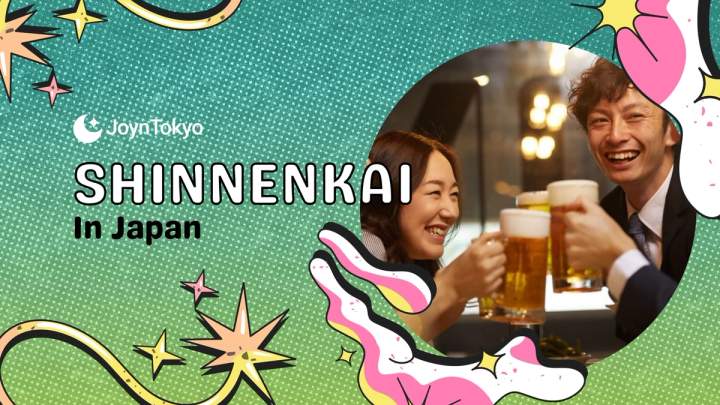
Shinnenkai in Japan, The New Year Tradition

As we approach the end of 2025, our thoughts inevitably turn to 2026, the New Year, and the promise that it holds. We’ve previously discussed Bonenkai, the phenomena of bidding the previous year farewell with friends and colleagues with end-of-year parties. You may be aware, however, that there is an equivalent for looking forward, rather

By Tobias Waters
bonenkai
Culture

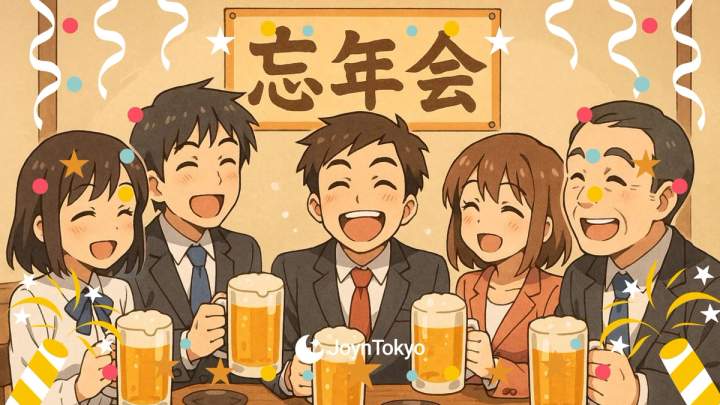
Bonenkai: Japan’s Year-End Party Tradition

It’s November already, so for many of us, it’s time to start thinking about the upcoming holidays, spending time with family, and buying gifts for loved ones. Before that, however, you’re going to need to think about your office’s Bonenkai! For long-time Japan residents, this can either be something you’ve been looking forward to since

By Tobias Waters
Kokuhaku
Culture

Kokuhaku: The Confession Culture Behind Japan’s Approach to Love

Dating in Japan is much like anything else in Japan: there are a number of commonalities with courting a beau or belle from wherever you are from, but with certain Japanese characteristics. In this case, one thing that can take newbies to the country by surprise (or that they can take for granted) is the

By Tobias Waters
anime songs for karaoke
Culture

2025’s Top Ten Anime Songs in Japanese Karaoke

Japan’s national sport is sumo; its national dish is sushi; and its national dress the kimono. We all know this, but some may be surprised to learn that, for many, the national pastime is karaoke. This may seem surprising: why would a people typically reserved love singing their hearts out? Well, karaoke here is in

By Tobias Waters
Tori no Ichi 2025: The Lively Festival of Good Fortune in Tokyo — cover image
Culture

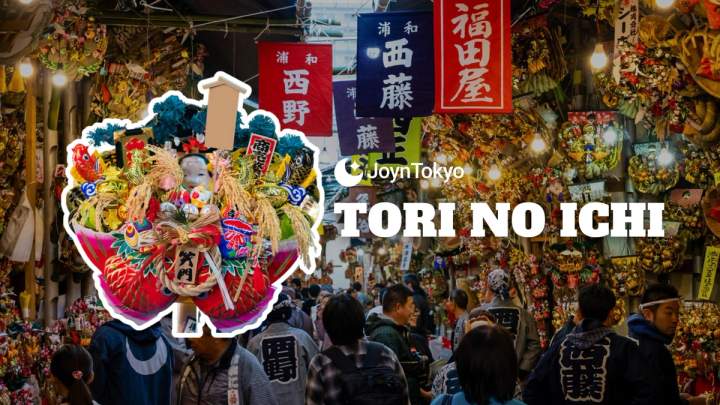
Tori no Ichi 2025: The Lively Festival of Good Fortune in Tokyo

As the crisp air of November settles over Tokyo, something magical begins to stir. Lanterns flicker to life, chants rise through the night, and the streets fill with the rhythmic clapping of merchants sealing promises of luck. This is Tori no Ichi, one of Tokyo’s most spirited traditions — a festival where business owners, dreamers,

By JoynTokyo Team
PDA in Japan: What’s Acceptable, What Isn’t, and Why It Matters — cover image
Culture

PDA in Japan: What’s Acceptable, What Isn’t, and Why It Matters

Japan doesn’t have laws against public displays of affection — but social norms do the work that laws don’t. If you’re visiting Japan with a partner, or in a relationship with a Japanese person, understanding where the line is drawn will save you from awkward stares, uncomfortable moments, and unintentionally offending the people around you.

By Ayano Watanabe
TAPPLE DATING APP
Culture

Tapple Dating App: How Japan’s Favorite Swipe App Keeps Dating Fun

As anyone who has tried using dating apps in Japan will know, there are many similarities between apps in this country and elsewhere in the world. Indeed, many of the apps are literally identical. However, there are a few that were created in and are specific to Japan. Today, we’ll be going through one such

By Tobias Waters
ENJO KOSAI
Culture

Enjo Kosai: Understanding Japan’s Controversial “Compensated Dating” Culture

Enjo kosai (援助交際), often translated as “compensated dating,” remains one of Japan’s most hotly-debated social phenomena. While often portrayed as relationships between schoolgirls and older men exchanging companionship for money or gifts, the reality is far more complex. The Origins and Meaning of Enjo Kosai The term enjo kosai literally means “assistance relationship.” It first

By JoynTokyo Team
pocky and pretz day
Culture

Pocky and Pretz Day 2025: Japan’s Sweetest Celebration of Friendship and Fun

Every November 11, Japan turns into a playground of snacks and smiles: it’s Pocky and Pretz Day, a celebration that’s as quirky and delightful as the treats themselves. If you’ve ever seen friends sharing chocolate-coated sticks or posting selfies with boxes of Pocky, then you’ll know they’re popular, and now, they get their own day!

By JoynTokyo Team