
Shunbun no Hi: Japan’s Spring Equinox Day
Shunbun no Hi (春分の日), or Vernal Equinox Day, is a Japanese national holiday that falls on March 20 or 21 each year, marking the astronomical beginning of spring when day and night are nearly equal in length. This ancient observance combines celestial awareness with Buddhist traditions, making it both a celebration of nature’s renewal and
Shunbun no Hi (春分の日), or Vernal Equinox Day, is a Japanese national holiday that falls on March 20 or 21 each year, marking the astronomical beginning of spring when day and night are nearly equal in length. This ancient observance combines celestial awareness with Buddhist traditions, making it both a celebration of nature’s renewal and a time to honor ancestors.
What is Shunbun no Hi
Shunbun no Hi is one of Japan’s official public holidays, determined annually by the National Astronomical Observatory of Japan based on the precise moment of the spring equinox. The holiday has roots stretching back over a thousand years, though it became an official national holiday in 1948.
The day holds deep spiritual significance in Japanese culture. According to Buddhist belief, the spring and autumn equinoxes represent times when the boundary between the physical world and the spiritual realm becomes thinner, making it an ideal occasion to connect with deceased ancestors.

Autumn Equinox in Japan: Traditions, Rituals, Seasonal Flavors and Scenic Beauty
Understanding Higan Week
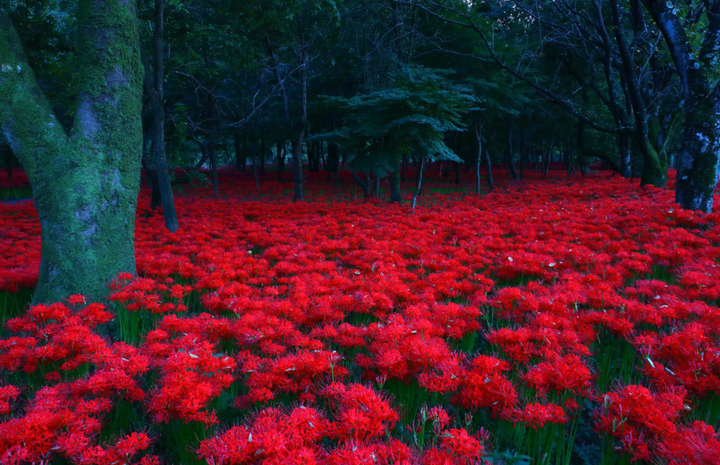
Shunbun no Hi sits at the center of a seven-day period called Ohigan (お彼岸), which spans three days before and three days after the equinox. The term “higan” (彼岸) means “the other shore” in Buddhist philosophy, referring to the spiritual realm of enlightenment. This week-long observance is unique to Japanese Buddhism and has no direct equivalent in other Buddhist countries.
Shunbun no Hi 2026
In 2026, Shunbun no Hi falls on Friday, March 20. This creates a long weekend for many workers when combined with the regular weekend. The higan period in 2026 will run from March 17 to March 23, with the equinox marking the middle day.
Since this is a national holiday, government offices, banks, and many businesses will be closed. However, most shops, restaurants, and tourist attractions remain open, though temples and cemeteries will be particularly busy with families fulfilling traditional obligations.
Shunbun no Hi Traditions
Visiting Family Graves (Ohaka Mairi)
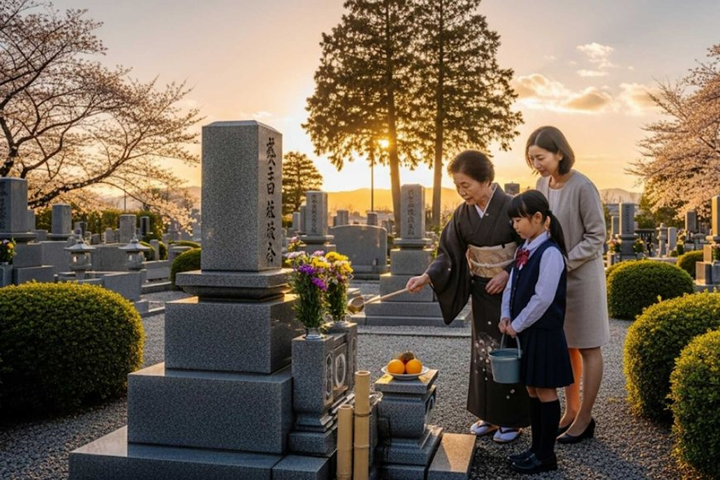
The primary tradition associated with Shunbun no Hi is visiting family graves and Buddhist temples to pay respects to ancestors. Families typically:
- Clean gravestones and the surrounding area
- Offer fresh flowers (often bright spring blooms)
- Burn incense
- Pour water over the gravestone
- Offer food and sake
- Pray for their departed loved ones
This practice reflects the Japanese value of filial piety and maintaining connections across generations. Cemeteries become particularly crowded during higan week, so many families plan their visits strategically.
Eating Botamochi
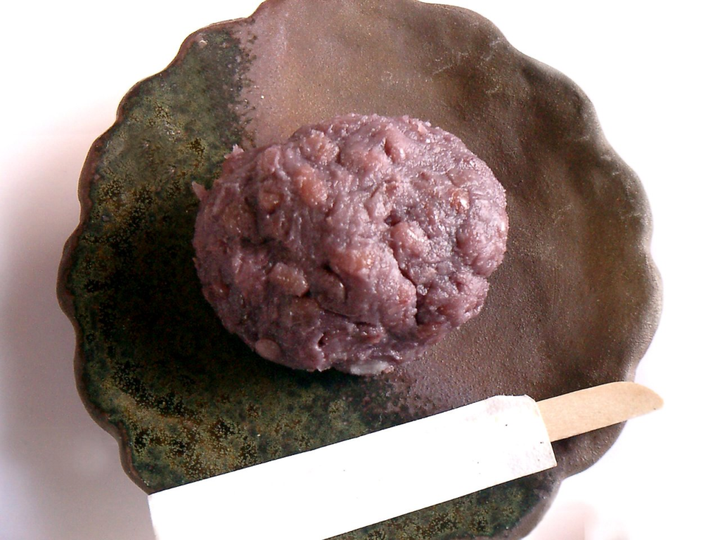
Another cherished tradition involves eating botamochi (ぼたもち), a sweet rice cake covered with red bean paste. These glutinous rice confections are specifically associated with the spring equinox and take their name from the peony flower (botan), which blooms in spring.
Similar sweets called ohagi are eaten during the autumn equinox, named after the bush clover (hagi) that blooms in fall. Despite different names, they’re essentially the same sweet, though some families make botamochi slightly larger. The red color of the bean paste is believed to ward off evil spirits and purify the soul.
Welcoming Spring
Beyond ancestral rites, many Japanese people use Shunbun no Hi to:
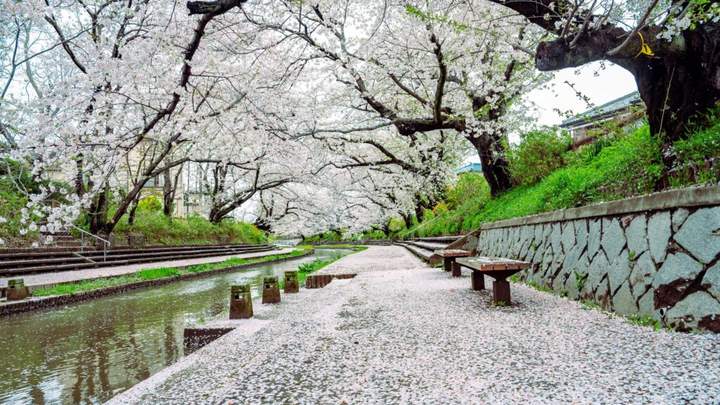
- Appreciate early cherry blossoms (ume and early sakura)
- Take walks in nature to observe seasonal changes
- Perform spring cleaning
- Enjoy the warmer weather and balanced daylight
- Spend quality time with living family members
Shunbun no Hi Festivals and Events
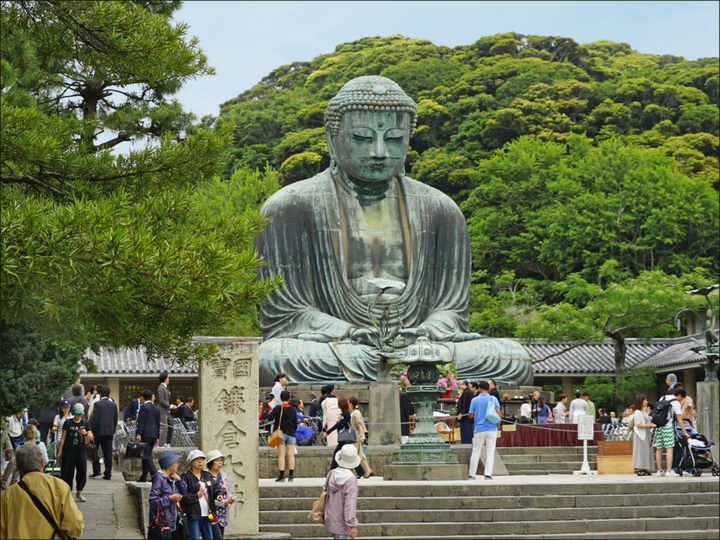
While Shunbun no Hi is primarily observed through family activities rather than large public festivals, many Buddhist temples hold special ceremonies during higan week. These services often include:
- Sutra readings and chanting
- Meditation sessions
- Communal prayers for ancestors
- Temple gate openings and special viewings
- Dharma talks about the six paramitas (Buddhist virtues)
Some temples offer special higan services where monks perform elaborate rituals, and visitors can participate in group prayers. Major temples in Kyoto, Nara, and Kamakura often host well-attended ceremonies.
Local communities may organize small seasonal events celebrating spring’s arrival, including traditional music performances, tea ceremonies, and markets selling botamochi and seasonal foods.
Practical Information for Visitors
If you’re visiting Japan during Shunbun no Hi, here’s what to expect:
What’s Open and Closed:
- Government offices, banks, and post offices: Closed
- Most shops, restaurants, and tourist sites: Open
- Public transportation: Running on holiday schedules (often slightly reduced)
Travel Considerations:
- Temples and cemeteries will be crowded with locals
- Hotels and transportation may be busier due to the long weekend
- It’s a respectful time to observe Japanese culture, but avoid disturbing families at graves
Cultural Etiquette:
- If visiting a cemetery, maintain quiet and respectful behavior
- Don’t photograph people at graves without permission
- Temples welcome visitors, but dress modestly during religious services
The Broader Context
Shunbun no Hi is one of two equinox holidays in Japan, alongside Shubun no Hi (秋分の日, Autumnal Equinox Day) in September. Together, they frame the agricultural and spiritual year, honoring both the cycles of nature and the continuity of family lineage.
Related JoynTokyo reads

Ultimate Guide to Driving in Japan
A driver spent a week cruising Hokkaido and called it the most relaxing road trip of his life. Another took a mountain route from Kusatsu to Kanazawa and described it as “like being dialled into an F1 race car.” Both were experienced drivers. Both were in Japan. Both are right. Honestly, driving in Japan is

Cash vs Card in Japan: What Should You Use in 2026?
People who went to Japan five years ago will tell you cash is king. People who went last month will tell you they barely touched a note. Both are telling the truth, they just had different trips. The honest answer for 2026 is this: Japan has changed significantly. Most major establishments in cities now accept
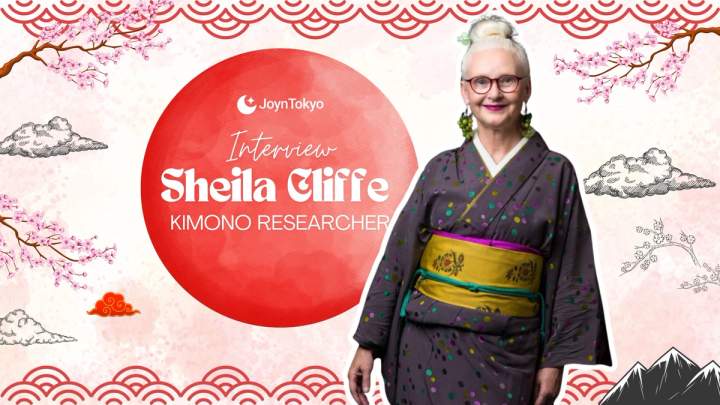
Sheila Cliffe on The Kimono Closet and the Stories Kimono Hold
Sheila Cliffe is a longtime kimono researcher and the author of Kimono Style. In her new book, The Kimono Closet, she looks beyond kimono as fashion or art objects and instead explores their deeper place in family life, memory, and identity. She spoke with JoynTokyo to give us an exclusive look at the new book,