
What Is Amazake? Your Guide to Japan’s Healthy Sweet Drink
Amazake is one of Japan’s oldest traditional drinks, known for its gentle sweetness, comforting warmth, and impressive nutritional qualities. For many foreigners living in Japan, amazake can feel unfamiliar at first, prompting questions such as whether it contains alcohol or why it is served at seasonal festivals. This guide explains everything you need to know
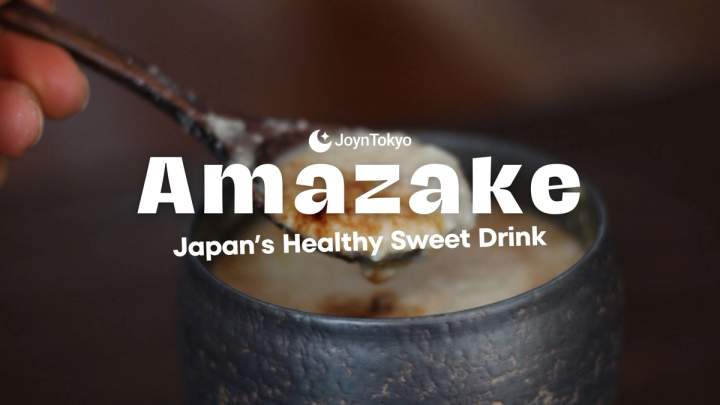
Amazake is one of Japan’s oldest traditional drinks, known for its gentle sweetness, comforting warmth, and impressive nutritional qualities. For many foreigners living in Japan, amazake can feel unfamiliar at first, prompting questions such as whether it contains alcohol or why it is served at seasonal festivals. This guide explains everything you need to know so you can confidently enjoy amazake as part of daily life in Japan.
Understanding Amazake in Japanese Culture
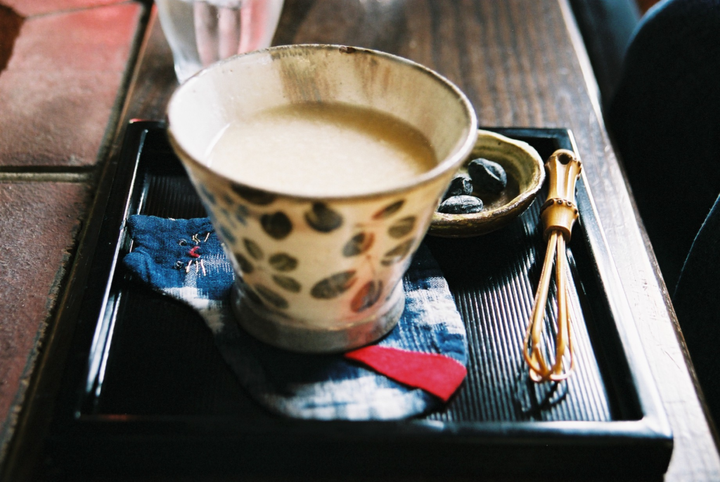
Amazake has played an important role in Japanese life for more than a millennium, appearing in religious rituals, seasonal events, and traditional cuisine. It remains popular today because it brings together cultural heritage and modern health conscious trends. Before exploring its types and benefits, it helps to understand why this simple drink has remained beloved for so long.
What Is Amazake

Amazake literally means “sweet sake,” but it is not always alcoholic, which often surprises newcomers. It is a thick, mildly sweet drink made from fermented rice or sake lees, giving it a unique texture that resembles liquid rice pudding. The combination of natural sweetness and nutritional richness sets amazake apart from other traditional Japanese drinks.
A Brief History of Amazake in Japan

Amazake dates back to at least the Kofun period, making it one of the oldest recorded beverages in Japan. It was originally consumed as a natural energy drink during hot summers because of its easily digestible sugars. Over time, it became associated with winter celebrations and New Year traditions, and it is now enjoyed throughout all seasons.
The Two Types of Amazake
Amazake generally comes in two varieties, each offering different flavors, textures, and alcohol levels. Understanding these differences helps foreigners select the most suitable version for their preferences or dietary needs. Both forms are widely available in supermarkets, convenience stores, and cafés across Japan.
Koji-Based Amazake (Non-Alcoholic)

Koji amazake is made by fermenting steamed rice with koji, a beneficial mold used in many Japanese foods such as miso and soy sauce. During the fermentation process, enzymes break down rice starches into natural sugars, creating sweetness without any added sugar. This alcohol-free version is valued for its nutritional profile and is commonly used in smoothies, lattes, and health-focused recipes.
Sake Lees Amazake (Low Alcohol)
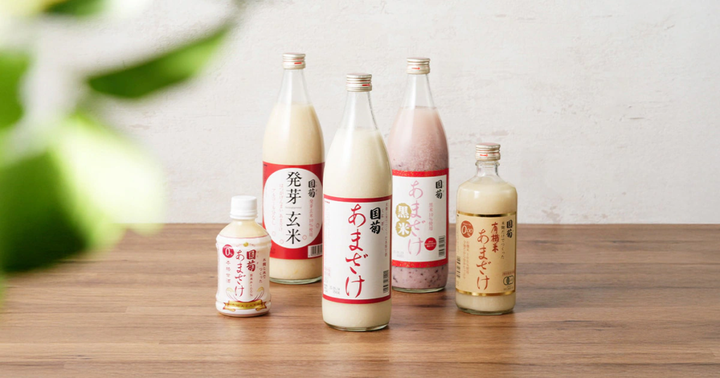
Sake lees amazake is created by mixing water, sugar, and sake kasu, which is the leftover mash from sake production. Because sake kasu contains residual alcohol, this type may include small amounts of alcohol and has a richer, deeper flavor. It is often served at shrines during New Year or winter festivals, giving it a strong cultural association with traditional celebrations.
The Health Benefits of Amazake
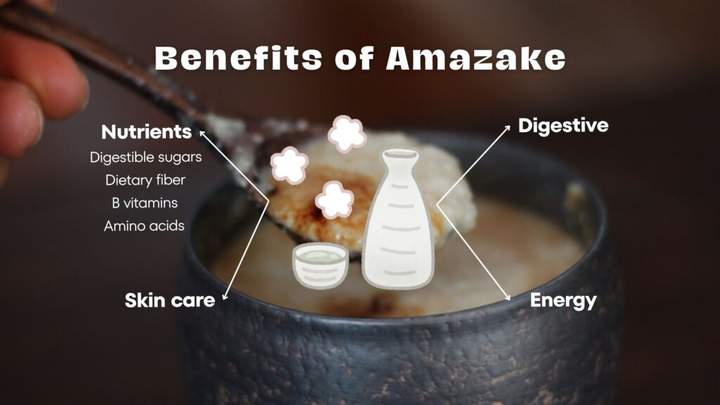
Amazake has gained popularity in Japan’s wellness culture due to its high nutritional value and gentle digestibility. Its nickname, the “drinkable IV drip,” reflects how nutrient-dense it is for such a simple beverage. For foreigners adjusting to life in Japan, amazake offers an easy and comforting way to support everyday well-being.
Nutrients Found in Amazake
Amazake contains easily digestible sugars, dietary fiber, B vitamins, and essential amino acids, making it a well-balanced nutritional drink. These nutrients come from the fermentation process, which enhances absorption and makes the drink gentle on the stomach. Many people consume it as a natural energy booster or a mild health supplement.
Digestive and Energy Benefits of Amazake
Because amazake contains enzymes created during fermentation, it may help support digestion and promote healthier gut function. The natural sugars provide steady energy without causing abrupt spikes, which makes it suitable for both children and adults. Its mild flavor and smooth texture also make it easy to consume even when you are feeling tired or unwell.
Skin and Beauty Benefits of Amazake
Amazake is frequently featured in Japanese beauty magazines for its potential benefits to skin brightness and hydration. Ingredients such as kojic acid and B vitamins are believed to support a clearer and more moisturized complexion. This connection to beauty culture contributes to amazake’s growing popularity among young consumers in Japan.
How to Enjoy Amazake in Daily Life
Amazake is available in many forms throughout Japan, making it easy for foreigners to integrate it into their routines. You can find it in convenience stores, supermarkets, cafés, and festival stalls, each offering slightly different styles and flavors. Experimenting with these variations can help you discover how you enjoy amazake the most.
Drinking Amazake at Home or in Shops
Cooking with Amazake
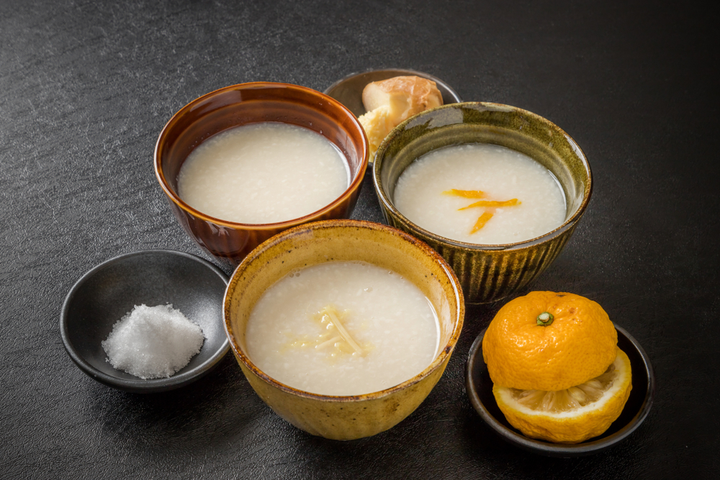
Amazake’s natural sweetness makes it a versatile ingredient for home cooking. It can be used as a sugar substitute in desserts, sauces, and marinades while adding depth and moisture. Many people also mix it with yogurt, smoothies, or dressings to create healthier, refined sugar–free meals.
Seasonal and Cultural Occasions of Amazake
Amazake is commonly served during New Year shrine visits, where it warms visitors during cold January mornings. It also appears at Hinamatsuri (Girls’ Day) and at various winter food festivals across Japan. These cultural opportunities allow the enjoyment of amazake while experiencing meaningful Japanese traditions firsthand.
Key Takeaways for Foreigners on Amazake Culture
Amazake is a cultural tradition, a nutritional supplement, and a comforting part of Japanese seasonal life. Understanding the two types of amazake helps you choose the version that best suits your taste and lifestyle. By exploring amazake through cafés, supermarkets, festivals, or home cooking, you can incorporate this ancient beverage into everyday living and deepen your connection to Japanese culture.
Related JoynTokyo reads

Ultimate Guide to Driving in Japan
A driver spent a week cruising Hokkaido and called it the most relaxing road trip of his life. Another took a mountain route from Kusatsu to Kanazawa and described it as “like being dialled into an F1 race car.” Both were experienced drivers. Both were in Japan. Both are right. Honestly, driving in Japan is

Cash vs Card in Japan: What Should You Use in 2026?
People who went to Japan five years ago will tell you cash is king. People who went last month will tell you they barely touched a note. Both are telling the truth, they just had different trips. The honest answer for 2026 is this: Japan has changed significantly. Most major establishments in cities now accept

Sheila Cliffe on The Kimono Closet and the Stories Kimono Hold
Sheila Cliffe is a longtime kimono researcher and the author of Kimono Style. In her new book, The Kimono Closet, she looks beyond kimono as fashion or art objects and instead explores their deeper place in family life, memory, and identity. She spoke with JoynTokyo to give us an exclusive look at the new book,