
Top Ten Japanese Buzzwords to Take You into 2026
It’s nearly the end of what has been a turbulent, to say the least, 2025. Changes in governments and policy have occured throughout the world (including here in Japan), pop culture phenomenons have come and gone, and we even had a good Fantastic Four movie. While all of these will be paramount to any year
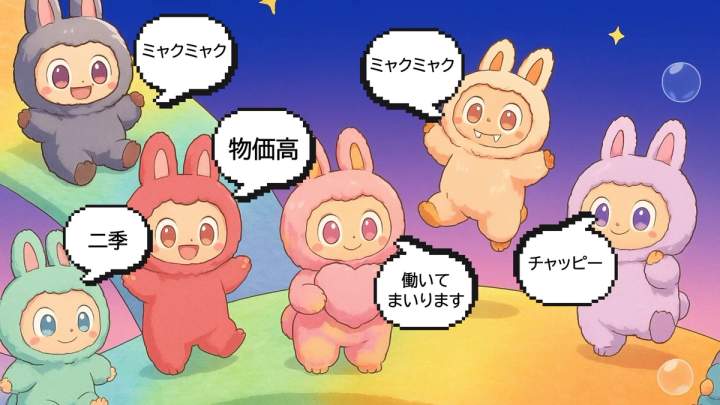
It’s nearly the end of what has been a turbulent, to say the least, 2025. Changes in governments and policy have occured throughout the world (including here in Japan), pop culture phenomenons have come and gone, and we even had a good Fantastic Four movie. While all of these will be paramount to any year in review, we are here for a more specific purpose: to discuss the top Japanese buzzwords of 2025!
Winner: Hataraite, hataraite, hataraite, hataraite, hataraite mairimasu (働いて働いて働いて働いて働いてまいります)
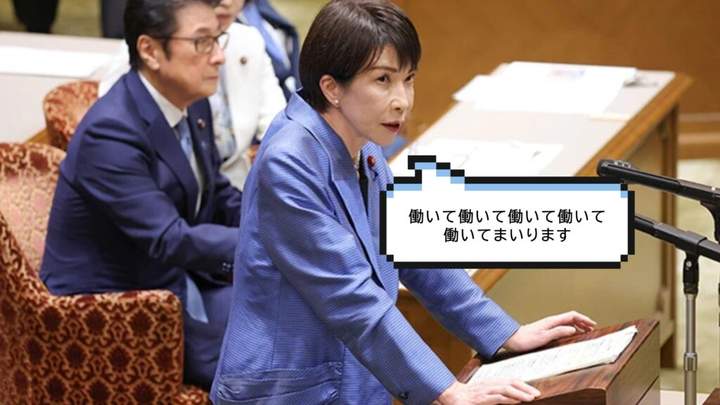
Announced on 1 December by the publisher Jiyū Kokumin Sha, the buzzword of the year is Hataraite, hataraite, hataraite, hataraite, hataraite mairimasu, spoken by the newly elected — and first woman — Prime Minister of Japan, Sanae Takaichi. Not satisfied with winning the highest political office in the land, she has now garnered another title as the nation’s foremost linguistic influencer.
She originally spoke these words in her victory speech as leader of her political party, the Liberal Democratic Party. Speaking to the assembled delegates, she announced “I myself will throw out the term ‘work-life balance.’ I will work and work and work and work and work.”
This drew criticism from many, given Japan’s notoriously intense working culture, but others saw it as a symbol of her determination. Either way, Takaichi was able to notch up one more win before the year was out.
Top Ten Runners Up
But who were the others in contention? We’ve chosen ten of the best runners-up from this year that didn’t quite cut the natto.
Myaku Myaku (ミャクミャク)
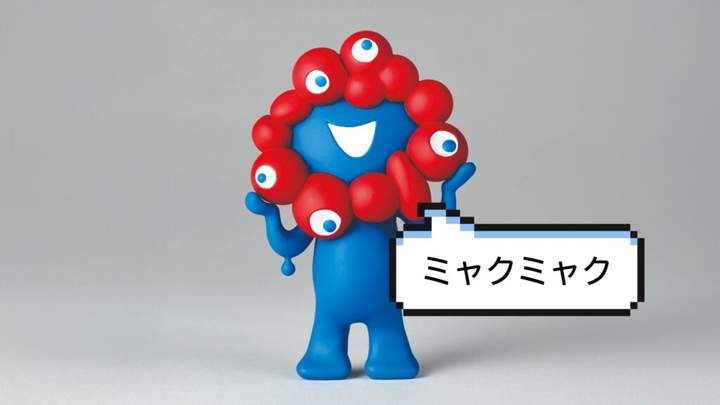
This year saw Osaka as the host of the 2025 World Expo, which was — despite initial pessimism — widely considered to be a success. Similarly, Myaku Myaku himself, despite initially being considered a little weird and a touch creepy, has now become a beloved icon, with Halloween in Japan being awash with Myaku Myaku costumes this year.
Bukkadaka (物価高)
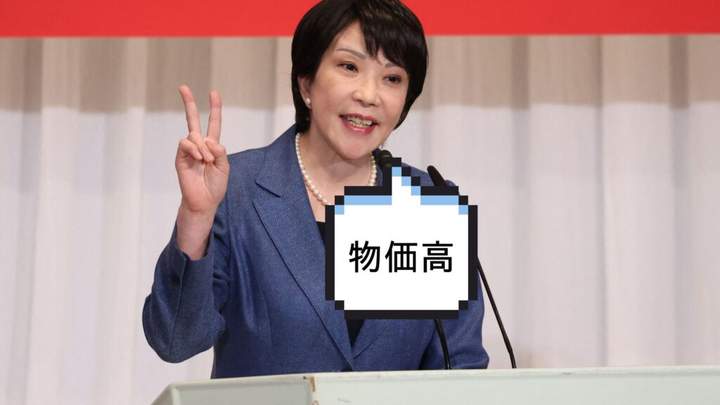
Literally meaning “high prices,” this came into vogue as it describes how Japan has been afflicted with costs rising faster than the price of wages, even as shrinkflation has begun affecting products.
Niki (二季)
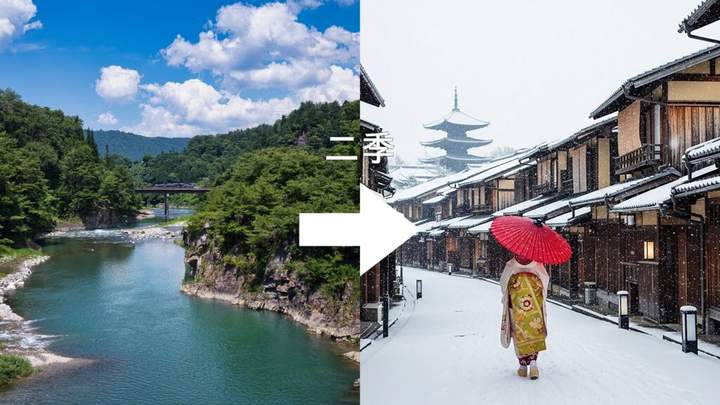
A pessimistic update to the classic Shiki (四季) which means “four seasons,” this instead means “two seasons.” As climate change has meant significant changes in the seasons, with summer and winter lasting a lot longer, Japan’s beloved four seasons are instead reduced to two.
Chappie (チャッピー)
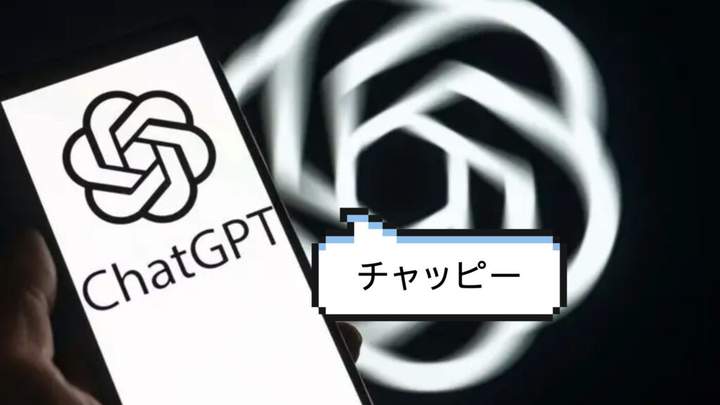
A neologism for the AI age, this is an affectionate name for ChatGPT, used by younger Japanese people. Whether or not it is a good idea to anthropomorphize something that is unreliable and threatens to take away jobs and is arguably part of a bubble that could lead to a global financial collapse is debateable (for the prosecution: it’s a bad idea).
Ehho Ehho (エッホエッホ)
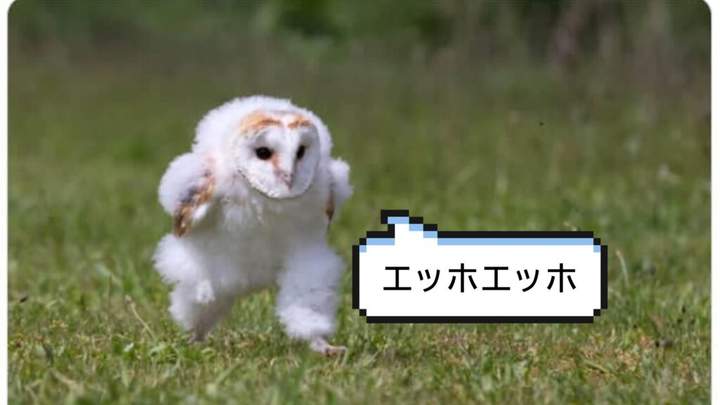
The onomatopoeia of someone running while out of breath, this became popular as it was associated with an online meme based on a 2021 picture by Dutch photographer Hannie Heere’s picture of an owl mid-run.
Kuma Higai (クマ被害)
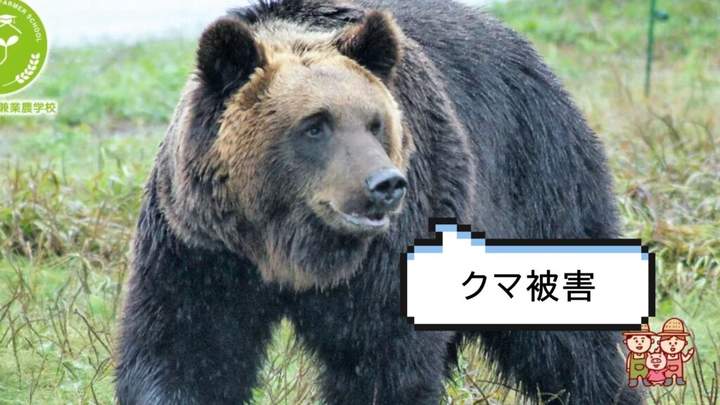
2025 was also infamous among Japanese people for the sharp increase in bear encounters and attacks, as well as the human need to counter them. As such, this expression, which means “bear damage,” has become prominent over the past twelve months.
Nuikatsu (ぬい活)
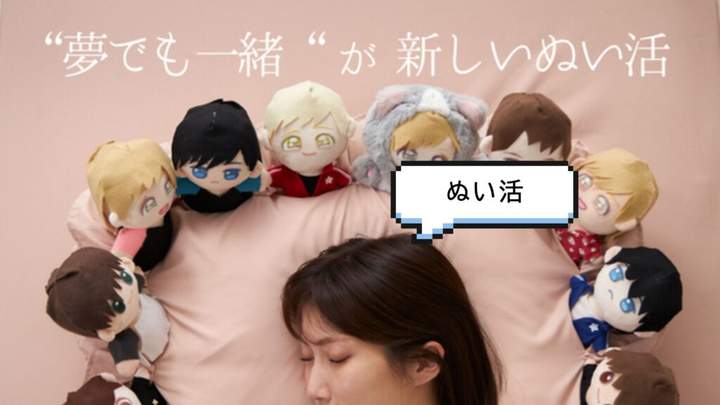
This term was coined to reflect the growing number of people who, for one reason or another, have taken to bringing their stuffed animals with them wherever they go. And why not, indeed? Who among us would not be benefitted by being accompanied by their favorite stuffy?
Heisei Joji (平成女児)
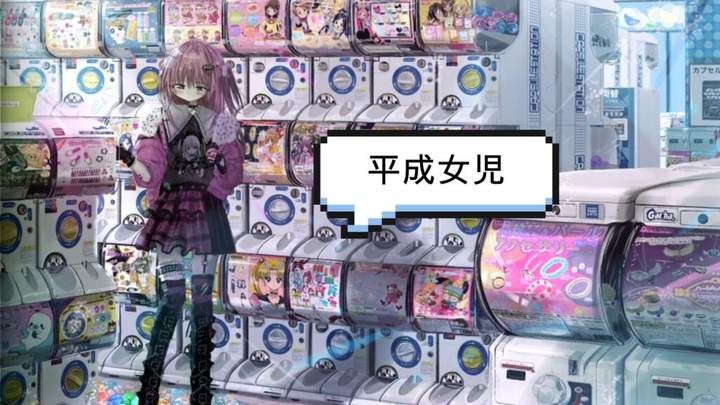
This term refers, essentially, to millennial women whose nostalgia is, whether consciously or unconsciously, driving people to wish for the halcyon days before kuma higai.
Orudo Media (オールドメディア)
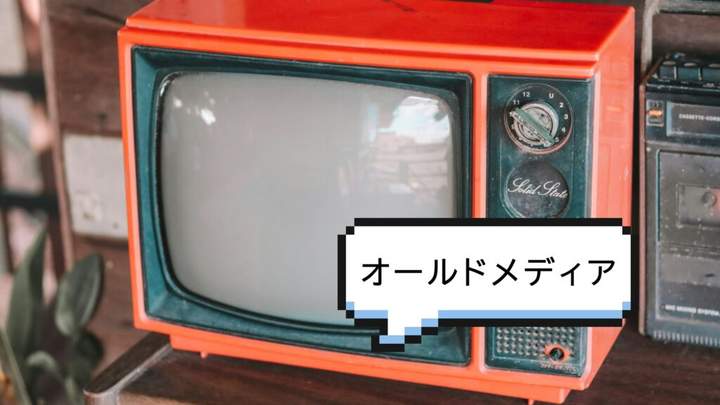
A transliteration of the English “old media,” this is more or less what it says on the tin: a reference to media in forms that some consider to be superceded by newer incarnations. These days called “legacy media” in many English language circles, it refers to TV, radio, and established website-based news journalism.
Kokokomai (古古古米)
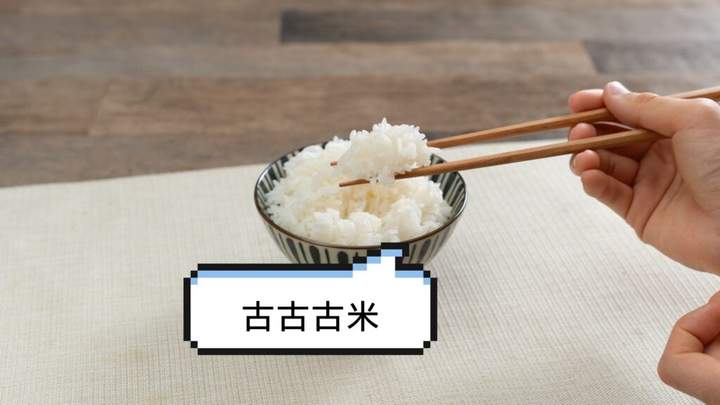
With rice crop yields dwindling this year, and the resultant sudden price rises of Japan’s staple food, the Japanese government released reserve stocks from the 2020-2021 harvest, hence this neologism for “old old old rice.”
As does the year, so does this article come to an end. In twelve months, who will know what the top buzzwords will be? In the meantime, you’ll be equipped to discuss Japan’s trends over the last year with your friends at your bonenkai.
- Sponsored -

Related JoynTokyo reads

Ultimate Guide to Driving in Japan
A driver spent a week cruising Hokkaido and called it the most relaxing road trip of his life. Another took a mountain route from Kusatsu to Kanazawa and described it as “like being dialled into an F1 race car.” Both were experienced drivers. Both were in Japan. Both are right. Honestly, driving in Japan is
Cash vs Card in Japan: What Should You Use in 2026?
People who went to Japan five years ago will tell you cash is king. People who went last month will tell you they barely touched a note. Both are telling the truth, they just had different trips. The honest answer for 2026 is this: Japan has changed significantly. Most major establishments in cities now accept
Sheila Cliffe on The Kimono Closet and the Stories Kimono Hold
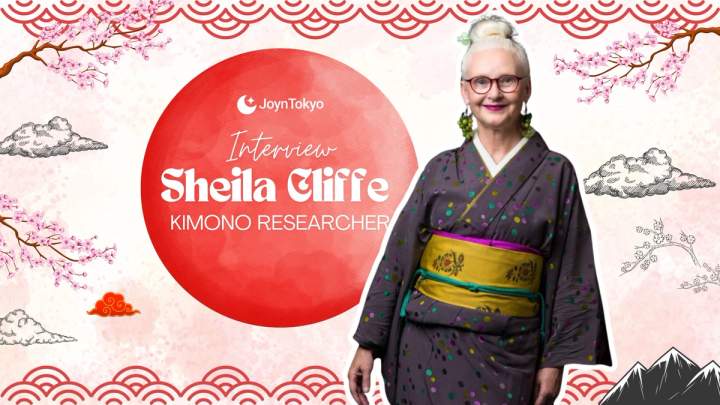
Sheila Cliffe is a longtime kimono researcher and the author of Kimono Style. In her new book, The Kimono Closet, she looks beyond kimono as fashion or art objects and instead explores their deeper place in family life, memory, and identity. She spoke with JoynTokyo to give us an exclusive look at the new book,