
What Is Hinamatsuri? Understanding Girls Day in Japan 2026
If you come across delicate dolls dressed in layered kimono around early March in Japan, you are probably seeing Hinamatsuri. If you’re curious as to what Hinamatsuri is, at its heart, it is a traditional Japanese celebration that wishes health, happiness, and a good future for young girls. But like many Japanese customs, it carries
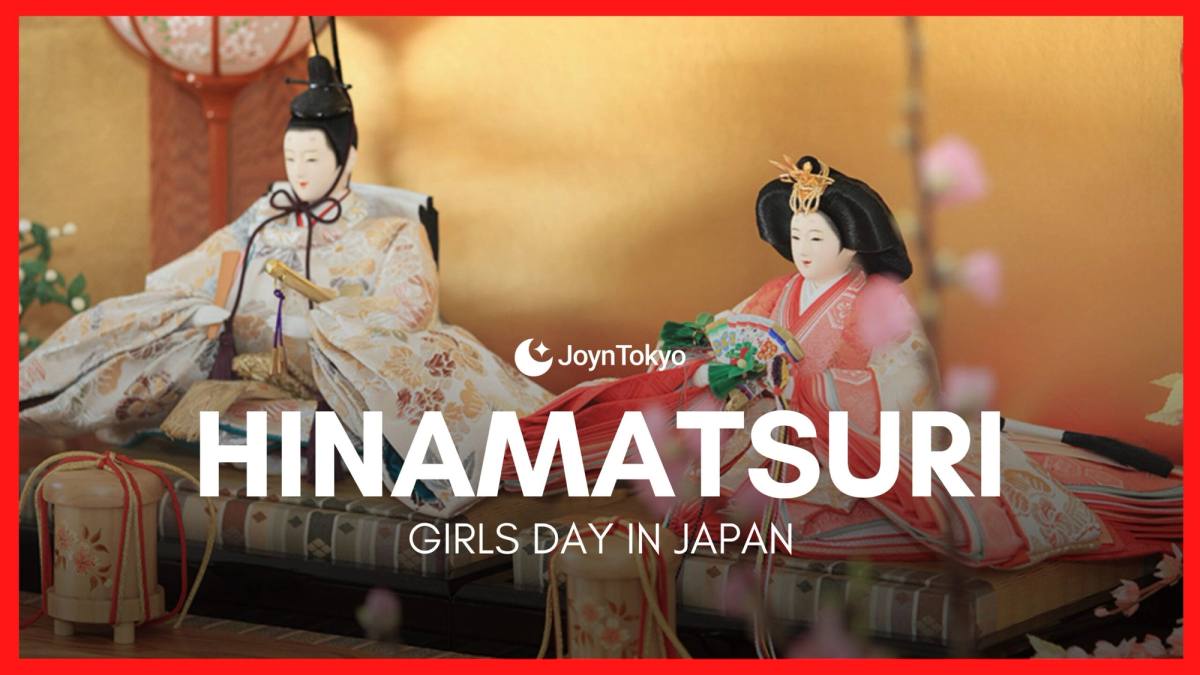
If you come across delicate dolls dressed in layered kimono around early March in Japan, you are probably seeing Hinamatsuri. If you’re curious as to what Hinamatsuri is, at its heart, it is a traditional Japanese celebration that wishes health, happiness, and a good future for young girls. But like many Japanese customs, it carries layers of history, symbolism, and quiet emotion that go far beyond the surface.
Let’s slow it down and look at what this festival means, where it came from, and how it is celebrated today.
The basic meaning of Hinamatsuri
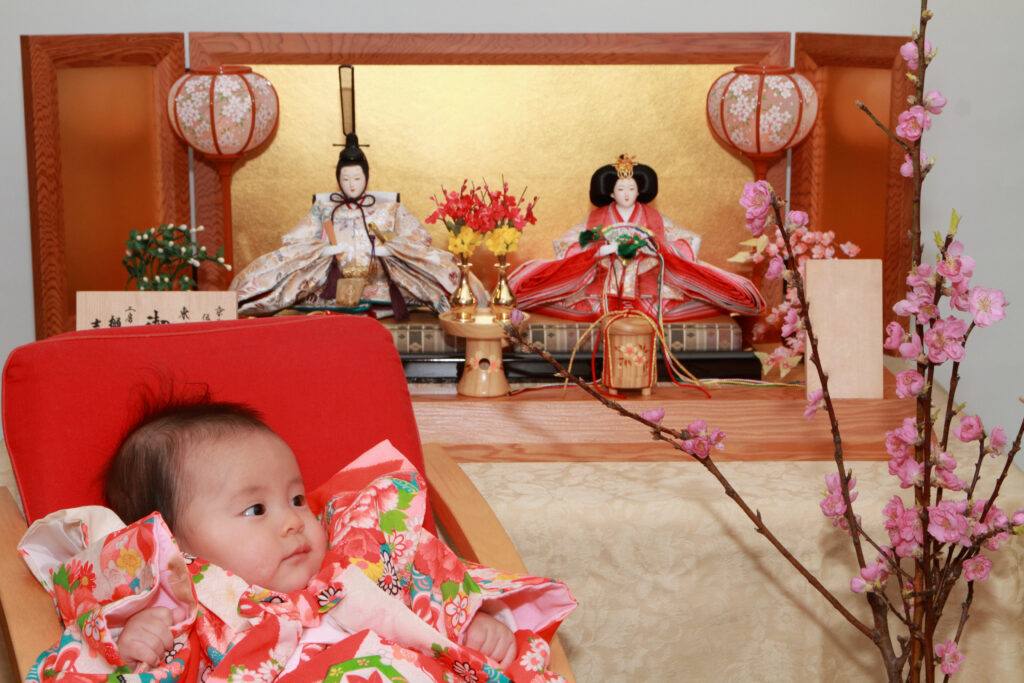
Hinamatsuri, also known as Girls Day or the Doll Festival, is celebrated every year on March third. Families with daughters display ornamental dolls called hina ningyo and offer prayers for their children’s well being and growth.
The festival is not loud or flashy. It is gentle, domestic, and deeply symbolic. You will not see parades or fireworks. Instead, it lives inside homes, kindergartens, community centers, and sometimes shop displays, quietly marking the passage of childhood.
At its core, Hinamatsuri is about protection. Protection from illness, misfortune, and the unseen worries that parents carry for their children.
Brief History of Hinamatsuri
The origins of Hinamatsuri go back more than a thousand years, to the Heian period. Back then, people believed impurities and bad luck could be transferred to objects. Paper dolls were used in simple purification rituals, often floated down rivers to carry away misfortune.
Over time, these rituals blended with aristocratic culture. Dolls became more elaborate, no longer something to discard, but something to display. By the Edo period, Hinamatsuri had become a household event, especially among samurai and merchant families, and the dolls turned into heirlooms passed down through generations.
That quiet belief is still there today, even if few people talk about it directly.
What Are Hina Dolls?
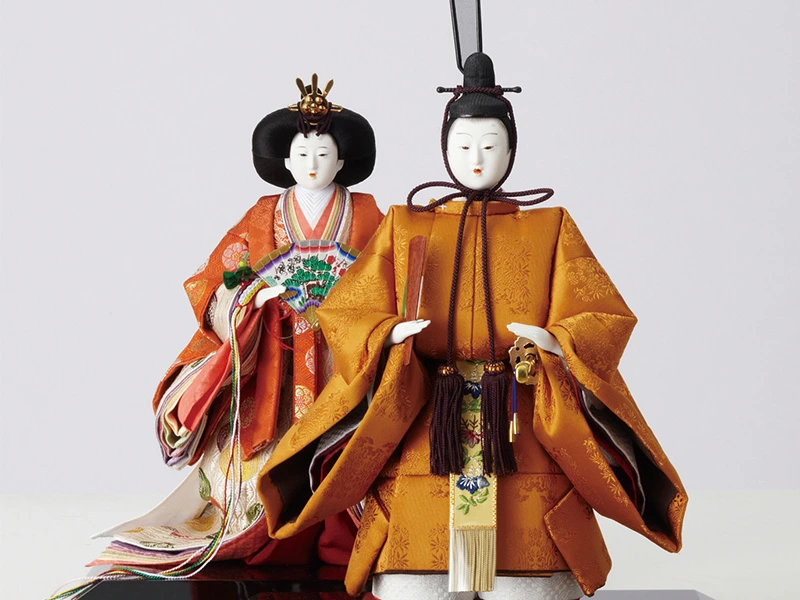
The dolls are not random decorations. Each figure has a role, and their arrangement follows a traditional order.
At the top sit the emperor and empress, dressed in formal court clothing. Below them are court ladies, musicians, ministers, and attendants, all carefully placed on red fabric covered tiers.
They represent an idealized imperial court. Order, harmony, stability. Things every parent wishes for a child’s life.
In many homes, the dolls are displayed only for a short time. There is a common saying that leaving them out too long may delay a girl’s marriage. Most people treat this lightly, but it does encourage families to put everything away neatly and on time.
Top Hinamatsuri Festivals in 2026
While Hinamatsuri is usually a quiet, home centered celebration, a few places in Japan bring the tradition into public view in a way that feels genuinely special. These events are not theme parks or loud spectacles. They are thoughtful, seasonal gatherings that let you see hina dolls on a scale most people never experience at home.
Katsuura Big Hinamatsuri – Chiba
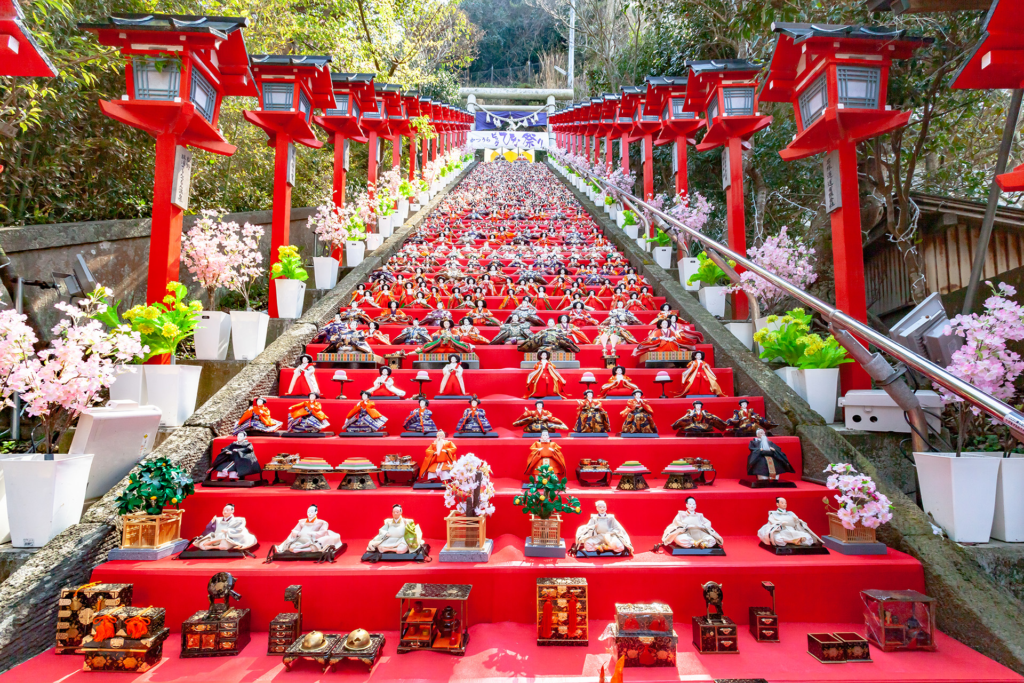
Held across the coastal town of Katsuura, this festival is known for its dramatic outdoor displays of thousands of hina dolls arranged on stone steps, temple grounds, and public spaces. The contrast between delicate dolls and the natural surroundings creates a striking, almost meditative atmosphere as you walk through the town.
Date: February 21st to March 3rd
Iwatsuki Hinamatsuri – Saitama
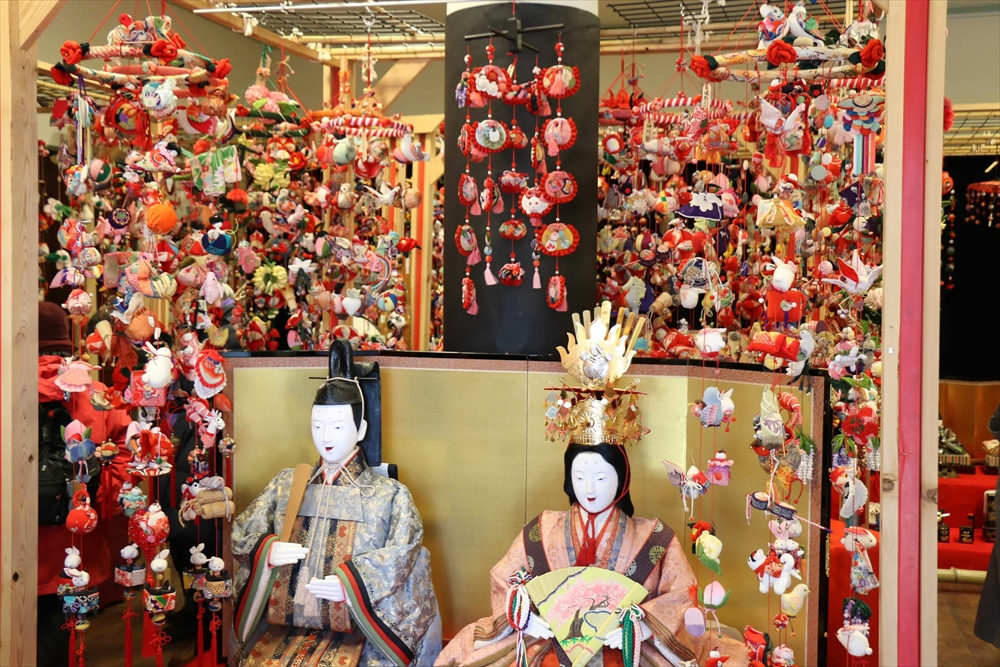
Iwatsuki is one of Japan’s most important centers for traditional doll making, and its Hinamatsuri celebrations reflect that heritage. Shops, museums, and community spaces display finely crafted hina dolls, offering a closer look at the artistry behind them rather than sheer scale.
The festival usually takes place from late February through early March, and the 2026 schedule is expected to follow the same seasonal timing. Official updates can be found here.
Meguro Gajoen Hinamatsuri Exhibition – Tokyo
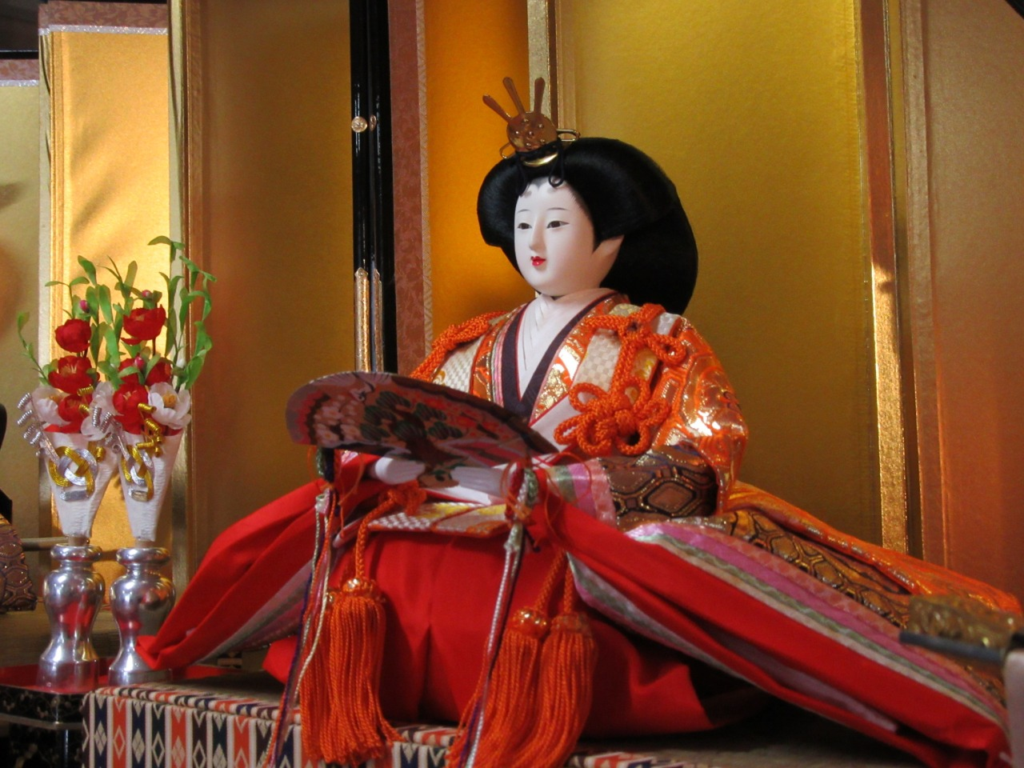
Meguro Gajoen Tokyo hosts a seasonal Hinamatsuri exhibition that brings Japan’s Doll Festival into a refined, almost museum like setting. Historic rooms are filled with carefully arranged hina dolls, hanging ornaments, and regional designs that highlight both tradition and modern craftsmanship.
Rather than feeling like a large festival, the experience is calm and contemplative. Visitors move slowly through the space, taking in the details, and the atmosphere. In this setting, Hinamatsuri feels less like an event and more like a shared pause. A moment to appreciate beauty, reflect on the season, and quietly wish for health and happiness, just as families have done for generations.
More information, including schedules and ticket details for the 2026 season, is typically announced on Meguro Gajoen’s official website closer to the event period.
Hinamatsuri in modern Japan
Today, Hinamatsuri is also part of Japan’s seasonal rhythm. Department stores sell themed sweets. Hotels offer limited seasonal menus. Tourist spots like Iwatsuki or Katsuura host large scale doll displays that turn tradition into public art.
So when you ask what is Hinamatsuri, the simplest answer is this. It is a day when Japan quietly wishes its girls a good life, using beauty, tradition, and a little bit of hope placed gently into the future.
Related JoynTokyo reads

Ultimate Guide to Driving in Japan
A driver spent a week cruising Hokkaido and called it the most relaxing road trip of his life. Another took a mountain route from Kusatsu to Kanazawa and described it as “like being dialled into an F1 race car.” Both were experienced drivers. Both were in Japan. Both are right. Honestly, driving in Japan is

Cash vs Card in Japan: What Should You Use in 2026?
People who went to Japan five years ago will tell you cash is king. People who went last month will tell you they barely touched a note. Both are telling the truth, they just had different trips. The honest answer for 2026 is this: Japan has changed significantly. Most major establishments in cities now accept

Sheila Cliffe on The Kimono Closet and the Stories Kimono Hold
Sheila Cliffe is a longtime kimono researcher and the author of Kimono Style. In her new book, The Kimono Closet, she looks beyond kimono as fashion or art objects and instead explores their deeper place in family life, memory, and identity. She spoke with JoynTokyo to give us an exclusive look at the new book,