
Yanki Meaning in Japanese – What This Term Refers to in Japan
In Japan, yankii refers to a delinquent youth subculture, not just a general troublemaker. The term is used for teenagers or young adults who openly reject school rules and social expectations, often through aggressive behavior, rough speech, and a confrontational attitude. Yankii are especially associated with students who modify their school uniforms, dye their hair,
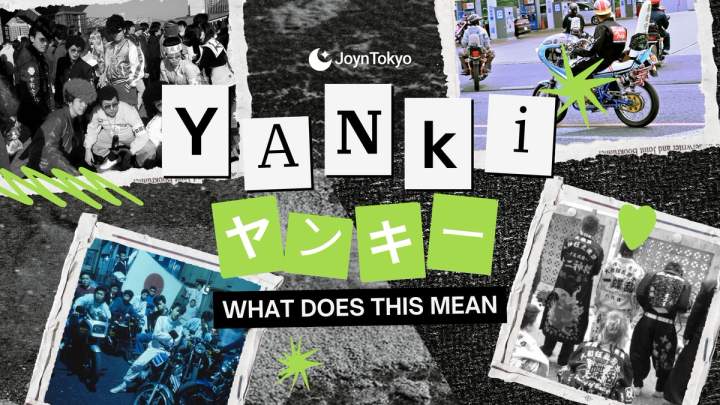
In Japan, yankii refers to a delinquent youth subculture, not just a general troublemaker. The term is used for teenagers or young adults who openly reject school rules and social expectations, often through aggressive behavior, rough speech, and a confrontational attitude. Yankii are especially associated with students who modify their school uniforms, dye their hair, and adopt a tough, intimidating image.
What Does Yanki Mean in Japanese
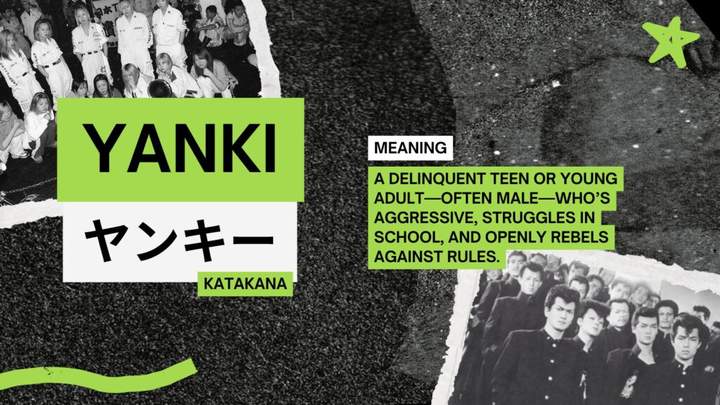
In Japanese, yanki is written in katakana as ヤンキー. The word originally comes from “Yankee,” a term used to describe Americans. In postwar Japan, it gradually shifted meaning and became associated with Japanese youth who rejected social expectations, especially during the 1970s and 1980s.
A yanki typically refers to a delinquent teenager or young adult, often male, who displays aggressive behavior, poor academic performance, and visible rebellion against school or societal rules. However, unlike Western stereotypes of rebellion, Japanese yanki culture developed its own recognizable look and code of conduct.
It is important to note that the term is informal and can be mildly derogatory, depending on context. Some people use it jokingly, while others associate it with genuine antisocial behavior.
Yanki Appearance and Style
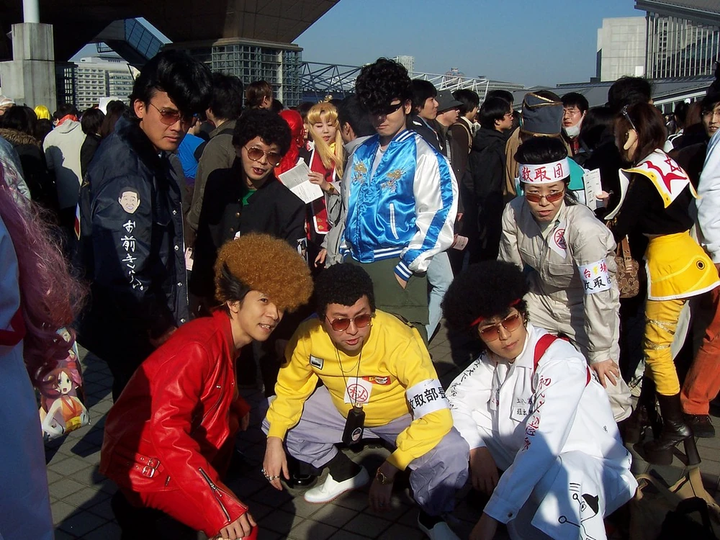
One of the easiest ways to understand the yanki meaning is through appearance. Yanki fashion is deliberately confrontational and often designed to stand out.
Common traits include dyed blond or brown hair, shaved eyebrows, slouched posture, and exaggerated body language. Clothing often involves heavily customized school uniforms, such as long coats, oversized pants, loosened ties, or shortened skirts. This directly connects yanki culture to Japan’s strict school dress codes, which you can see more clearly in guides about Japanese school uniforms and how students sometimes alter them as a form of quiet resistance.
While yanki style overlaps with other youth groups, it is distinct from bosozoku biker gangs. Bosozoku tend to emphasize motorcycles and organized groups, while yanki identity is more individual and school based.
Yanki Behavior and Personality Traits
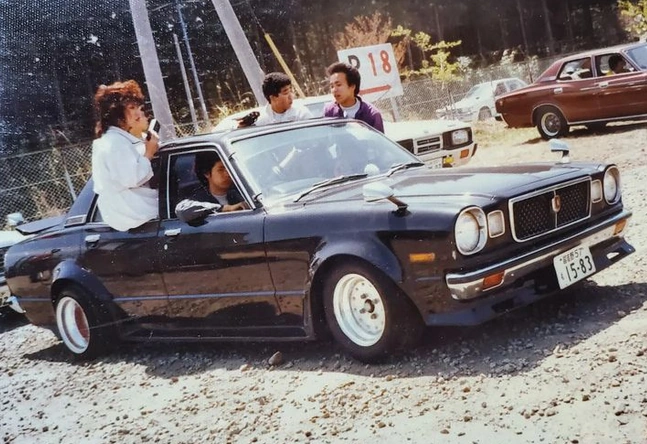
Yanki characters are often portrayed as loud, confrontational, and dismissive of authority figures such as teachers or police. Skipping class, getting into fights, and speaking in rough slang or swearing are common stereotypes.
That said, Japanese media frequently presents yanki figures with a twist. Many dramas and manga depict them as loyal friends, protective siblings, or people with strong personal morals despite their rough exterior. This contrast is part of why yanki characters remain popular in storytelling.
In real life, most people labeled as yanki are not criminals. They are usually students who struggle within Japan’s rigid education system or reject conventional success paths.
Is Yanki Still Common in Modern Japan
The classic yanki subculture has largely faded. Changes in school discipline, fashion trends, and social media visibility have reduced its presence. Modern Japanese youth tend to rebel in quieter ways, often online rather than through physical confrontation or appearance.
However, the word yanki remains widely understood. It survives through media, nostalgia, and casual speech, especially among older generations who remember its peak.
@hikaru_aozora この服で歌舞伎町を歩くのはキョドります🚶♀️#ヤンキーコスプレ#歌舞伎町#ホスト#filiaplus ♬ オリジナル楽曲 – 青空光 – 青空光👻
Understanding Yanki Beyond the Stereotype
To fully grasp the yanki Japanese meaning, it helps to look past surface level stereotypes. Yanki culture reflects deeper tensions within Japanese society, especially the pressure to conform, succeed academically, and follow prescribed life paths.
Rather than pure rebellion, yanki identity often represents frustration, social exclusion, and a desire for recognition. That is why yanki characters continue to resonate, even as the subculture itself fades.
Understanding this term offers a small but revealing window into how Japan has handled youth identity, discipline, and resistance over the past several decades.
Related JoynTokyo reads

Ultimate Guide to Driving in Japan
A driver spent a week cruising Hokkaido and called it the most relaxing road trip of his life. Another took a mountain route from Kusatsu to Kanazawa and described it as “like being dialled into an F1 race car.” Both were experienced drivers. Both were in Japan. Both are right. Honestly, driving in Japan is
Cash vs Card in Japan: What Should You Use in 2026?
People who went to Japan five years ago will tell you cash is king. People who went last month will tell you they barely touched a note. Both are telling the truth, they just had different trips. The honest answer for 2026 is this: Japan has changed significantly. Most major establishments in cities now accept
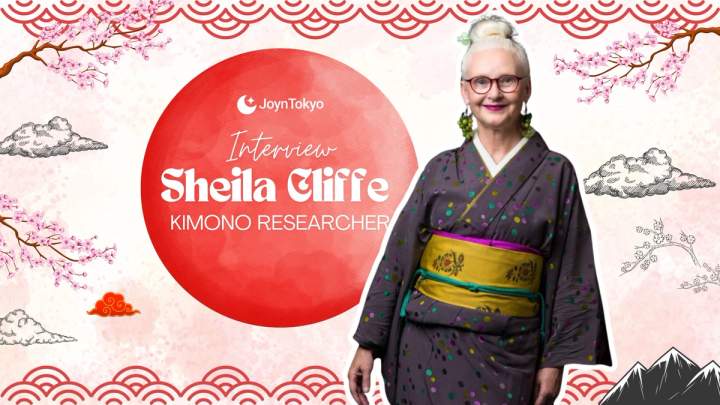
Sheila Cliffe on The Kimono Closet and the Stories Kimono Hold
Sheila Cliffe is a longtime kimono researcher and the author of Kimono Style. In her new book, The Kimono Closet, she looks beyond kimono as fashion or art objects and instead explores their deeper place in family life, memory, and identity. She spoke with JoynTokyo to give us an exclusive look at the new book,