



Meet Winnie, originally from China, who studied art history at International Christian University (ICU) in Tokyo. The decision to study in Japan was influenced by family, a desire to experience more cultures, and a turning point during COVID that made studying overseas in the “original plan” feel less realistic.
In this interview, Winnie shares why Japan became the choice, how the transfer process happened, what stood out most about student life in Japan, and what advice feels most useful for future international students.
Interview

1. Why did you want to study in Japan instead of studying in China?
“My parents wanted me to experience more culture. In China, the education system is really hard. For high school, you have to study from 7 AM to 10 PM. It’s really cramped, like you don’t have much space to think about what you actually want. I went to an international high school so I didn’t have to do all of that, and my parents thought this kind of education would help me find what I really want, not just studying.”
2. How did you find a place to study in Japan?
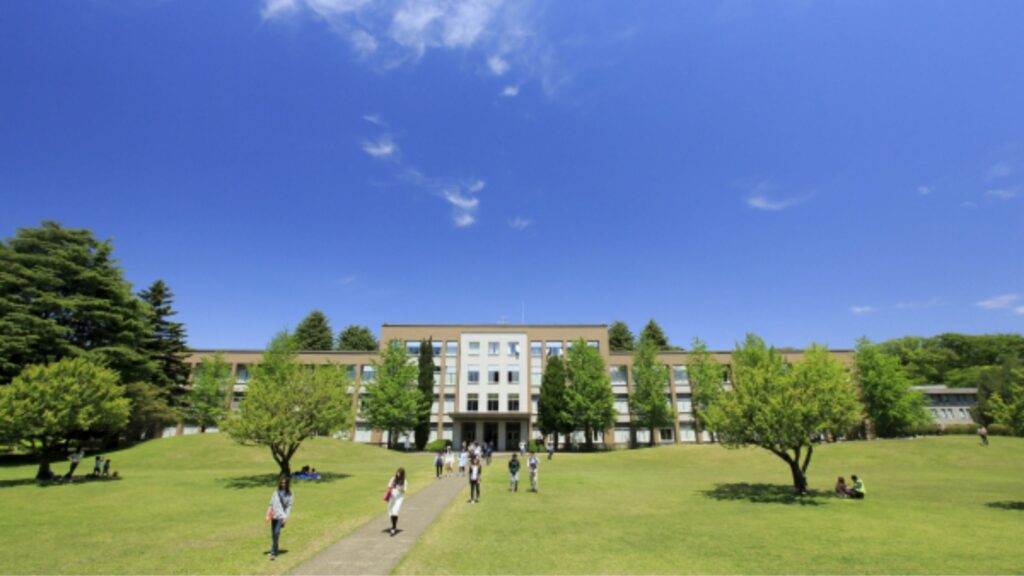
“I went to an American university before, but then COVID happened. I had to go back to China and study online. Because of the time zone difference, I had to take online courses at night, and I didn’t think that was efficient, especially because my parents were paying a lot of tuition. So I wanted to transfer to an Asian university. I looked for Japanese universities that allow international transfer students, and that’s how I found International Christian University. I applied as a transfer student.”
3. How did you feel once you had found a place to study in Japan?
“I don’t really feel much. It wasn’t like super excited or emotional. It was more like, okay, this is the plan now, I found a school that works and I can move forward. I just felt calm and practical about it.”
4. What difficulties did you encounter, and how did you overcome them?

“It wasn’t that difficult. I feel like Japanese university admissions are quite loose for foreigners. If you take EJU, I think it’s really hard, but I didn’t take EJU. I also didn’t take JLPT for admission because I studied in English, so the entry was much easier. I had to apply around half a year before, but I forgot exactly how long it took to get the result.”
5. What were the best things about studying in Japan?
“I’m an art history student, and Japan has a curator training program. The whole program is in Japanese, so my Japanese got much better. I also had a chance to do an internship in my university’s gallery. And I got discounts for museums. It was so cheap, and some museums were even free for students. Japan has a lot of connections between museums and universities.”
6. How did studying in Japan prepare you for your current life?
“I’m doing a different job now, not related to my major. But I learned a lot from the curator training program. Japanese universities provide a lot of chances to get real experience, like internships. In school, it’s easy to find internships, and you can experience the career part while still studying.”
7. What recommendations would you give to someone who wants to study in Japan?

“Learn Japanese. Learn Japanese. It’s important. Japanese culture is more strict on manners, like respect and old manners. Also, if you’re going to a Japanese university, you should apply for the campus dormitory because it’s much cheaper. Don’t miss that timing.”
8. Any final thoughts about studying in Japan?
“I would say it’s really good. Because I can not only learn Japanese, but also improve my English. It’s very multicultural, and I got the chance to meet a lot of people with different backgrounds. I met a lot of people from different backgrounds.”
Start Your Own Japan Journey With Expert Guidance
Just like the person you read about above, you can successfully move to Japan. Get personalized support for work, study, or life in Japan.
Book Your FREE Consultation✓500+ Bookings ✓ English-speaking Relocation Support Experts
Final thoughts
Winnie’s experience shows how studying in Japan can be a strong option for students who want an international environment, language growth, and real-world opportunities like internships, even if their future job doesn’t match their major exactly.
Read More