

As more Muslim travelers and residents make Japan part of their lives, the country’s halal food scene has quietly transformed. What once required careful planning now feels far more manageable. Certified halal meat is widely available, pork free convenience store meals exist, and even cup noodles carry halal labels. In a country famous for pork heavy dishes, that shift still feels a little surprising.
This guide is designed to make things easier. You will learn how halal certification works in Japan, where to shop, how to read labels, and which apps actually help, so you spend less time double checking ingredients and more time enjoying daily life in Japan.
Understanding halal and Japan’s food regulations
Japan does not have a single government issued halal standard. Instead, private organizations handle certification, filling the gap with audits and inspections based on international guidelines. That system works, but it also means you need to know what to look for when shopping or eating out.
Certified products are clearly labeled and reliable, but many everyday foods have no logo at all. That does not automatically mean they are haram, it just means closer inspection is needed.
What halal means in practice
Halal covers more than meat. It includes slaughter methods, strict control of cross contamination, and the absence of alcohol based additives. In Japan, the biggest hidden risks tend to be mirin, a sweet rice wine used in sauces, and pork derived gelatine found in sweets and desserts. Even foods labeled as seafood or vegetable based sometimes include alcohol based seasonings, so reading labels becomes a habit very quickly.
Major halal certification bodies in Japan
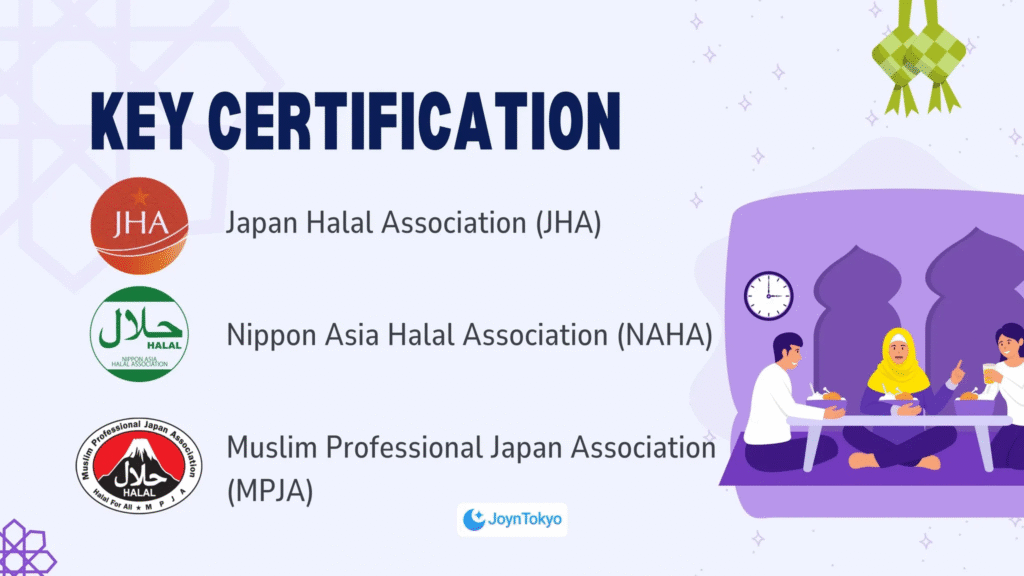
Several organizations are widely recognized and trusted, and seeing their logos removes most of the uncertainty. The Japan Halal Association, often shortened to JHA, is recognized by authorities in Malaysia and Singapore. The Nippon Asia Halal Association, or NAHA, conducts factory audits across Japan and appears on many packaged foods. The Muslim Professional Japan Association focuses heavily on hospitality, including restaurants and hotels.
Common hidden haram ingredients to watch for
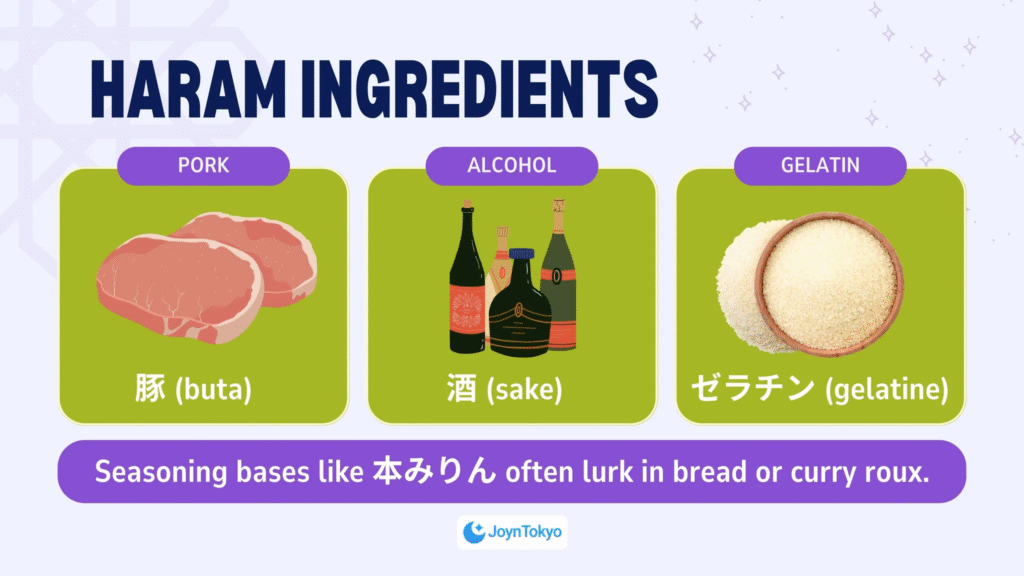
Japanese labels are detailed, but only if you know the key terms. 豚 or ポーク indicates pork, 酒 and みりん point to alcohol or mirin, ゼラチン means gelatine, and ラード refers to lard. Seasoning bases like curry roux, bread, and ready made sauces are common places where these ingredients appear quietly.
Where halal food is easiest to find in Japan
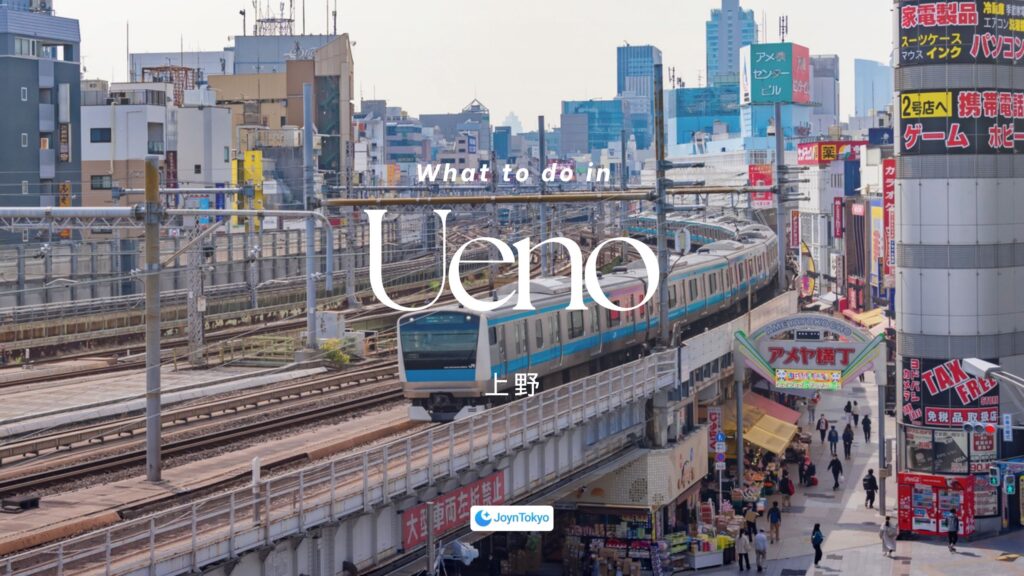
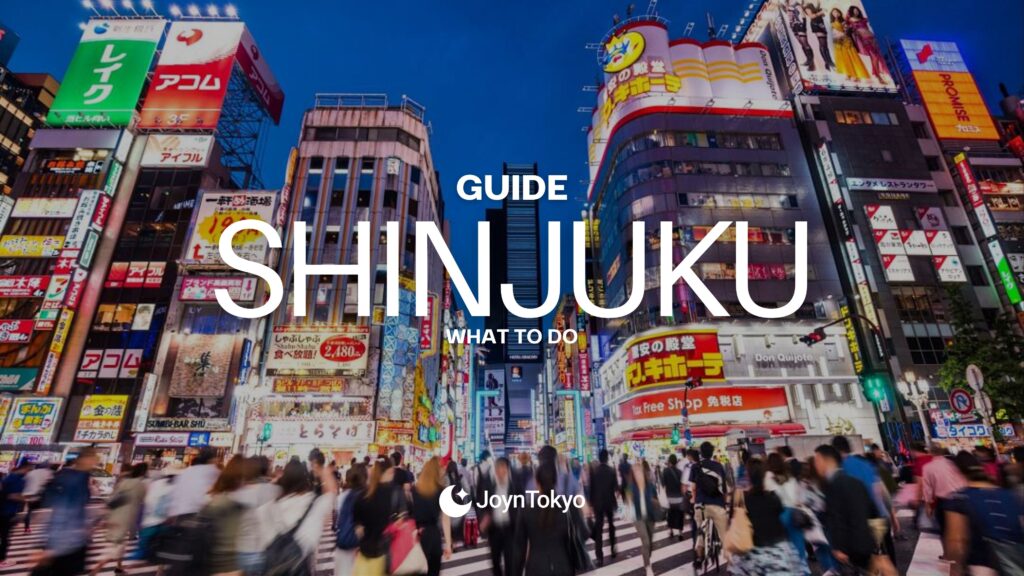
Tokyo remains the easiest city for halal dining. Its international population and steady tourism mean more awareness and more options. Areas like Asakusa, Ueno, Shinjuku, and Nishi Kasai stand out for halal friendly restaurants, grocery stores, and staff who understand dietary needs without confusion.
Read More
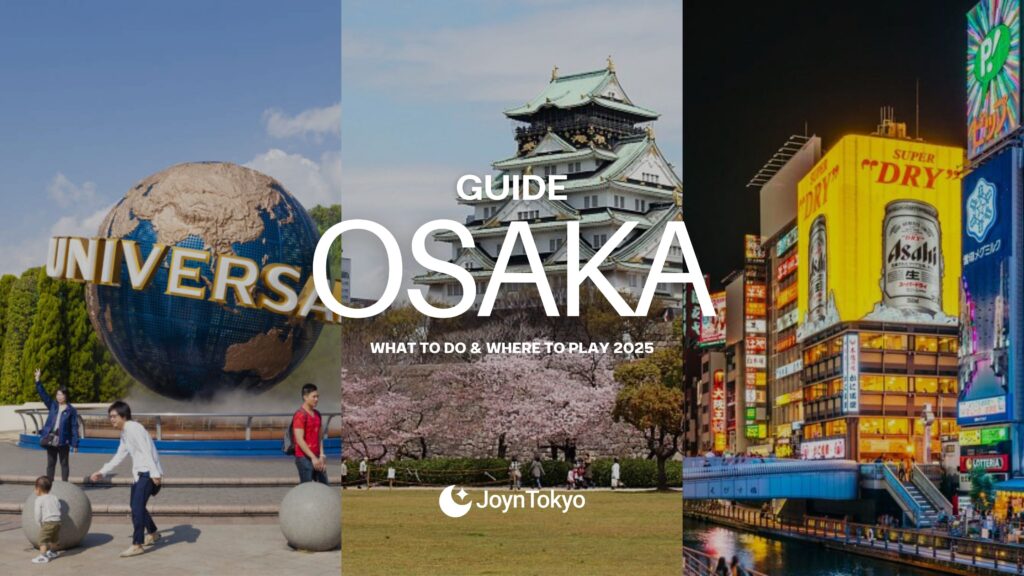
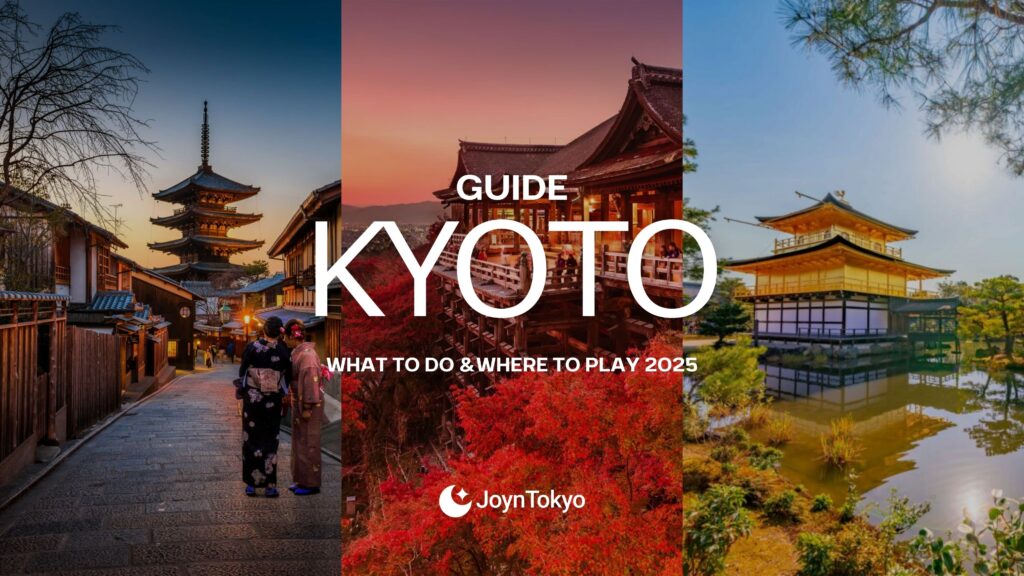
Outside Tokyo, the situation is improving. Osaka, Kyoto, Fukuoka, and even Sapporo now have reliable halal spots. Choices may be fewer, but labeling is clearer and staff are more familiar with halal requests than they were even a few years ago. In smaller cities, halal restaurants often cluster near major stations, tourist areas, or universities, which makes planning ahead helpful but rarely overwhelming.
Read More

Neighborhoods that make eating easier
Asakusa is a strong example. Within walking distance of Sensō ji, you will find halal ramen, South Asian restaurants, and Middle Eastern cafés. It is one of the least stressful areas in Tokyo for Muslim visitors. Nishi Kasai is another standout, known locally for its South Asian community and grocery stores that offer halal food without hesitation or confusion. Density matters, and when several options exist in one area, the stress level drops immediately.
Helpful apps for finding halal options in Japan
Apps play a huge role in navigating this landscape. Searching terms like “halal Asakusa” or “halal near Shinjuku station” usually gives reliable results, especially when paired with one of these tools.
- Halal Gourmet Japan focuses on officially registered restaurants and tends to be conservative, which is helpful if you prefer strict certification.
- Muslim Guide JP is bilingual and especially useful for travelers, since it combines restaurant listings with nearby prayer spaces and prayer time alerts.
- Halal Navi relies more on community reviews. This makes it useful for spotting newer or lesser known places, but it is best to double check details such as alcohol use in the kitchen or certification status.
Most listings include photos of menus and storefronts, which helps confirm you are in the right place once you arrive.
Convenience Store Options
Convenience stores will not replace proper halal restaurants, but they are extremely useful when time is tight. Some 7 Eleven branches near tourist areas carry JHA certified vegetable pasta bentos, usually priced around ¥1,000. These are clearly labeled and stored separately from meat items, which offers extra reassurance.
FamilyMart has introduced halal versions of popular items like fried chicken in select locations. Availability changes by region and season, so packaging should always be checked carefully for certification marks and ingredient lists. Outside tourist heavy zones, halal items become rare, but vegetarian onigiri, plain salads, fruit cups, and simple bread can still work as short term options if ingredients are checked closely.
Prayer Spaces and Etiquette
Prayer spaces are increasingly common in large cities and travel hubs. Major department stores such as Takashimaya in Shinjuku provide clean prayer rooms, as do both Haneda and Narita airports. Contributions are not expected, and a simple “arigatō gozaimasu” is always appreciated.
Read More
Shopping Smart: Groceries, Snacks & Cup Noodles
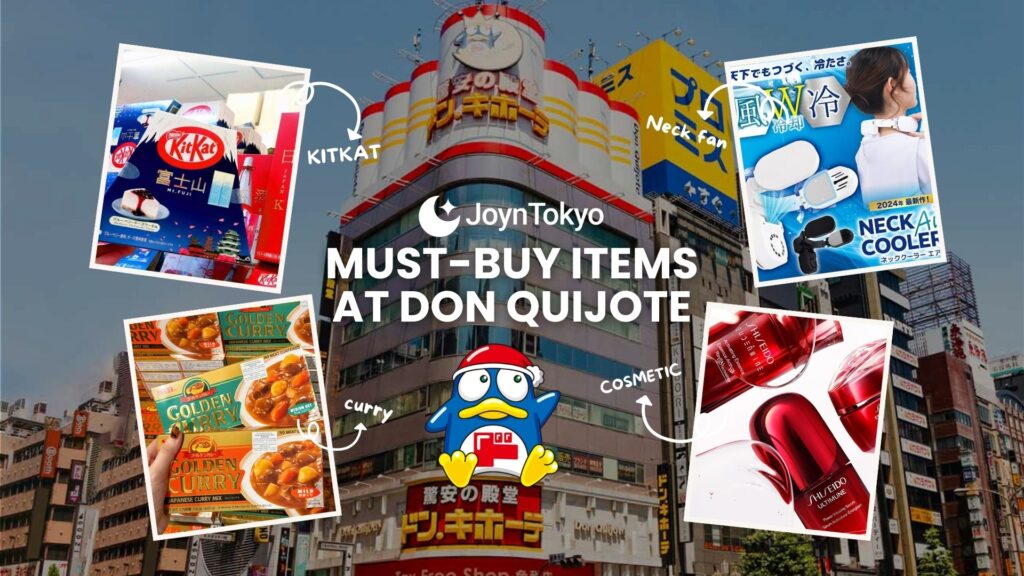
Cooking at home is often the easiest option, especially for longer stays. Gyomu Super is a favorite for budget friendly halal groceries, with many branches carrying frozen halal chicken, falafel, and a well stocked spice aisle. Large Don Quijote stores also stock halal labeled cup noodles, though selection varies by location.
Read More
Featured Halal Grocers
| Shop | City | Highlights |
|---|---|---|
| Nasco Halal Food | Tokyo (Okubo) | Fresh lamb, South-Asian staples |
| Kobe Spice | Osaka and online | Sauces, sweets, in-house café |
| Watan Sapporo Halal Food | Sapporo | Meat, prayer goods |
| Gyomu Super | Nationwide | Frozen halal meat, spices |
Regional Guide to Halal Resources
Halal access varies by region, but reliable options exist nationwide. In the Kanto area, Yokohama’s Queen’s Isetan imports halal cheese, and many Kanagawa Gyomu Super branches stock Brazilian halal chicken. In Kansai, Kobe Spice in Umeda doubles as a café, and Halal Yakiniku Yoshiya in Kyoto serves MPJA certified wagyu.
Kanto
- Queen’s Isetan in Yokohama imports halal cheese
- Many Gyomu Super branches in Kanagawa stock halal Brazilian chicken
Kansai
- Kobe Spice in Umeda operates as both a halal grocer and café
- Halal Yakiniku Yoshiya in Kyoto serves MPJA certified wagyū
Hokkaido and Tōhoku
- Watan Sapporo sells halal miso ramen kits
- Gyomu Super Hachiken carries halal lamb
Chūbu and Hokuriku
- Nagoya Mosque weekend market offers basmati rice and camel milk chocolate
- Omicho Market in Kanazawa has one halal sushi stall, pre order required
Kyūshū and Okinawa
- Hakata Halal Mart in Fukuoka specializes in seafood based tonkotsu ramen seasoning
- MaxValu near Kadena Air Base in Okinawa stocks Indonesian snacks and halal nuggets
Useful Questions
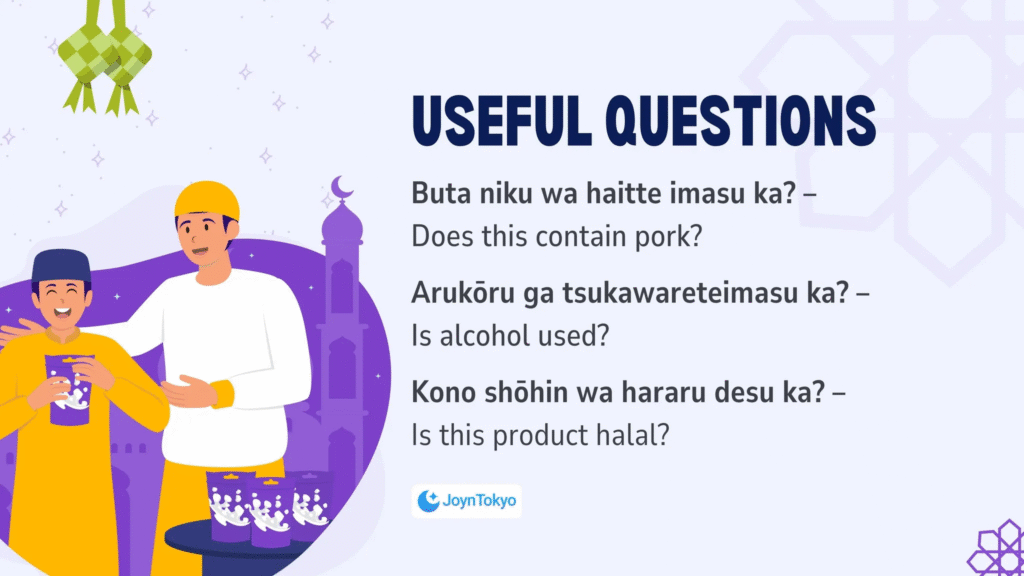
- Buta niku wa haitte imasu ka? – Does this contain pork?
- Arukōru ga tsukawareteimasu ka? – Is alcohol used?
- Kono shōhin wa hararu desu ka? – Is this product halal?
Information verified May 2025 via official certifier websites and store announcements.