

移居日本 - 免费咨询 免费咨询

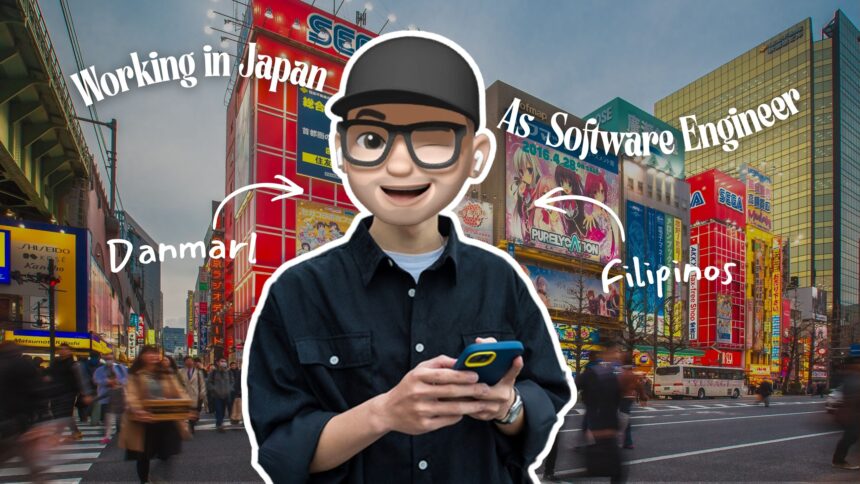
作为菲律宾软件工程师在日本工作:Danmarl 的故事

JoynTokyo 团队

想成为 JoynTokyo 的特色人物?

如果您目前在日本工作,并愿意分享您的经验,请申请在我们的故事文章中发表。.

我们将通过一份简单的表格对您进行采访,撰写文章,并在发表前将草稿发送给您,供您审批。.

申请专题报道

Meet Danmarl, originally from the Philippines, who has lived in Japan for six years. Danmarl did middle school and high school in Japan, which made daily life here feel more familiar compared to someone arriving for the first time as an adult. Today, Danmarl works in Japan as a software engineer—one of the most common “foreigner-friendly” paths people explore to find work in Japan.

In this interview, Danmarl shares what the job search looked like, what the interview process felt like in tech, what was unexpectedly hard after getting hired, and what advice matters most if you’re trying to figure out how to get a job in Japan.

1.能自我介绍一下吗?

Filipino software engineer in Japan - working in japan 2

“My name is Danmarl. I’m from the Philippines, and I’ve lived in Japan for six years. I did my middle school and high school here, so Japan has been part of my daily life for a while. Because of that, working in Japan didn’t feel like starting from zero, but it still felt like a new chapter once I entered full-time work.”

2.能否介绍一下您目前在日本的工作?您每天都做些什么?

“Right now I’m a software engineer. My daily life is honestly pretty routine. I go to work, do my tasks, then go home and rest. It’s not super dramatic day to day, but that’s kind of the point. It’s stable.”

“I’d say the typical rhythm is work, sleep, repeat. Some days are busier depending on what I’m working on, but overall it feels like a regular routine, and I’ve gotten used to that.”

3. Why did you want to work in Japan specifically, instead of your home country (or another country)?

“To be honest, it’s the pay. Salary was the biggest reason. When you’re thinking about long-term work, it’s hard to ignore the practical side. Working in Japan felt like the best choice financially for where I’m at right now.”

4. How did you go about finding work in Japan? (job platforms, networking, recruiters, referrals, company sites, etc.)

“For me, the process was fast. I didn’t feel like I was stuck job hunting forever. Once I decided to seriously apply, things moved quickly.”

“I didn’t have a long complicated route. I focused on getting the opportunity, applying, and moving forward step by step until it worked out.”

5. What was the application and interview process like for you? Any memorable differences compared to what you expected?

“I had an initial interview first, and then a technical interview. That was basically the main structure.”

“The technical interview was the part that mattered most, because it shows whether you can actually do the work. Compared to what some people expect from Japanese companies, it didn’t feel like endless rounds. It felt direct.”

6. What were the biggest difficulties you encountered in the job search or starting work? How did you overcome them?

“The hardest part for me wasn’t the technical work. It was getting to know new people. I’m shy, so starting in a new workplace and meeting coworkers can feel stressful.”

“I don’t think there’s a magic solution. For me, it just takes time. The more you show up, work with people, and slowly talk more, it gets easier. I’m still not the loudest person in the room, but I’ve gotten more comfortable.”

7.迄今为止,在日本工作的最大收获是什么?

“The best thing is my job has work-life balance. That matters a lot.”

“I know Japan has a reputation for being intense with overtime, but it really depends on the company. In my case, it feels balanced enough that I can work and still rest properly.”

9.在日本工作对您个人或职业有什么改变?

“I’m more confident in my job now, because I’ve been given more responsibilities. When you first start, you might feel unsure, but over time you get trusted with more tasks, and that builds confidence naturally.”

“I feel like I’m growing through doing the work, not just studying it. Having responsibility makes you level up faster.”

9. If someone wants to work in Japan, what should they prepare in advance?

“You can get a job without knowing Japanese, but it will be hard. It depends on the job and the field.”

“For tech, it’s possible in some cases, but you still have to be realistic. Even if your work is in English, daily life is still Japan, and being able to communicate helps. So I wouldn’t say ‘don’t learn Japanese.’ I’d say it’s possible without it, but you’re making everything harder for yourself.”

受到这个故事的启发?

开始 您自己的日本之旅 专家指导

就像您上面读到的那个人一样,您也可以成功移居日本。为您在日本的工作、学习或生活提供个性化支持。.

预约免费咨询

✓ 500 多次预订 ✓ 会讲英语的搬迁支持专家

10. Any final thoughts you’d like to share about the experience of working in Japan?

“My advice is just be honest and be confident in your interviews. Especially in technical roles, people can tell quickly if you’re pretending. It’s better to be clear about what you can do and what you’re still learning.”

“Overall, working in Japan is busy, but it’s fulfilling. Even if the routine is simple, it feels good to have stability, income, and a job where you can grow.”

- 赞助
分享本文
我们将为您提供见解、指导和实用建议,帮助您在东京安顿下来,适应外国人的生活,并充分利用您的新体验。.