

What It’s Like Working in Japan as a Foreign Writer and Editor

JoynTokyo 团队

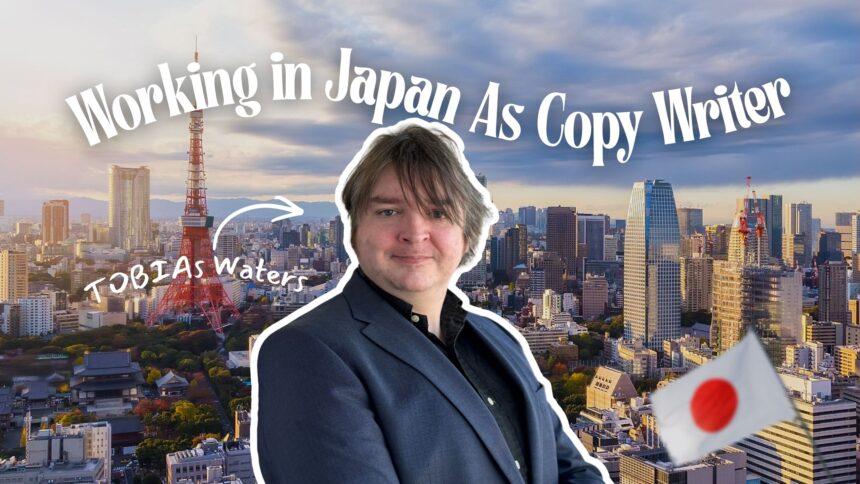
Meet Tobias, originally from the United Kingdom, who has been living in Japan since February 2019. Tobias works in media as a writer and editor, and his story gives a clear look at what daily work life in Japan actually feels like—from deadlines and editing tone, to job hunting platforms, to the small cultural differences that surprise you once you’re inside a Japanese workplace.

In this interview, Tobias shares how he found work, what the hiring process looked like, what was hardest to adjust to, and what he thinks anyone job hunting in Japan should prepare for.

Tobias’s Work Life in Japan

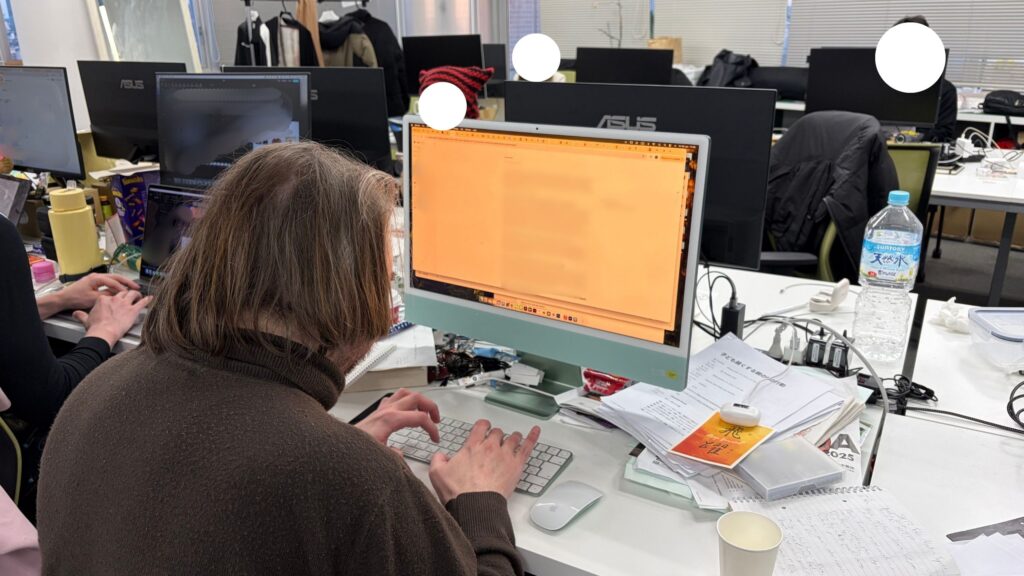
working in japan - Tobi 1 1

1. What do you do in Japan now, and what does a typical day look like?

“I’m a writer and editor. I work for the Japan Gay Guide, and I have done for roughly 18 months now. My typical day, like many people, begins at 9 AM and ends at 6 PM. I check my emails and respond to them in the morning. I typically need to publish at least one article per day, so I do research into the article, write it out, and send it to the web team for pictures and double checking.”

“If someone else has written work they need attended to, I’ll edit that for them to make sure the English is not just grammatically correct, but humanized and the tone is appropriate. If it’s something fun, we want a fun tone. If it’s something serious, we want a serious tone. We don’t want it to be flat.”

2. Why did you choose Japan for work instead of staying in the UK?

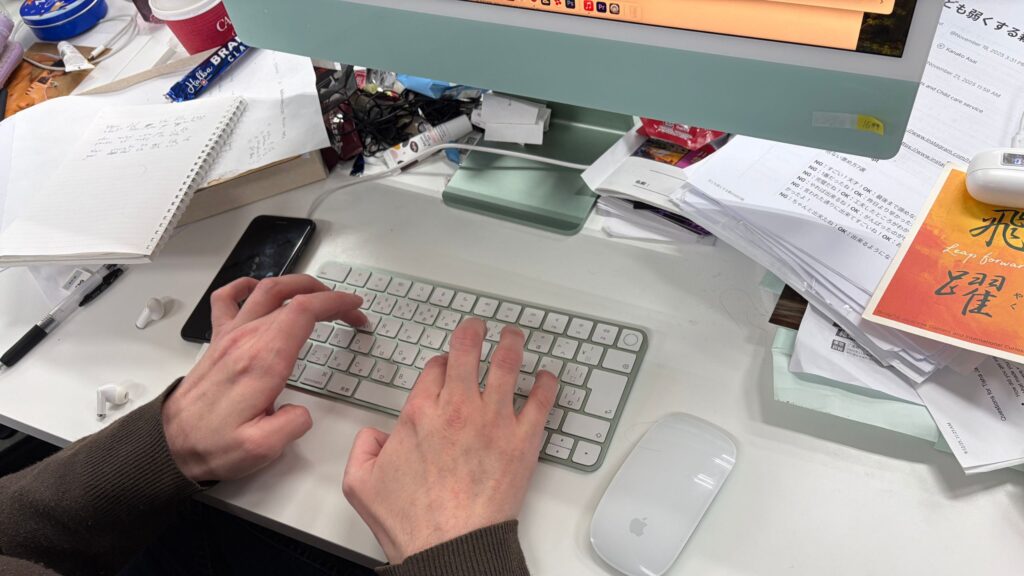
working in japan - Tobi 2

“I lived in Japan during my gap year when I was like 18 or 19, for about nine months, and I’d always wanted to return. There are lots of things to enjoy about living in the United Kingdom, but after certain events, I was thinking maybe it would be nice to work somewhere else for a little while. And when the opportunity presented itself, I thought, yeah, let’s do it.”

3. What differences did you notice between working in the UK and working in Japan?

“In Japan, the office atmosphere feels a bit more serious and formal than it often does in the UK. One small example is leaving early. In the UK, if I said, ‘I need to leave 30 minutes early,’ a boss might say, ‘Alright, go on then.’ In Japan, that usually doesn’t happen. There’s more expectation to stick to the full hours and not leave casually.

But it’s almost the opposite when it comes to being sick. In Japan, if I say, ‘I’m sick, I can’t come in,’ the response is normally, ‘Okay, stay home.’ They don’t want you bringing a flu into the office. In the UK, sometimes the attitude can feel more like, ‘Oh you’re sick? So you’ll be a bit late then?’ I even remember breaking my ankle in the UK and getting the vibe of, ‘So you’ll be in office tomorrow.’

So Japan can feel stricter about time and formality, but more practical about sickness, and that contrast really stood out to me.”

4. How did you find work in Japan?

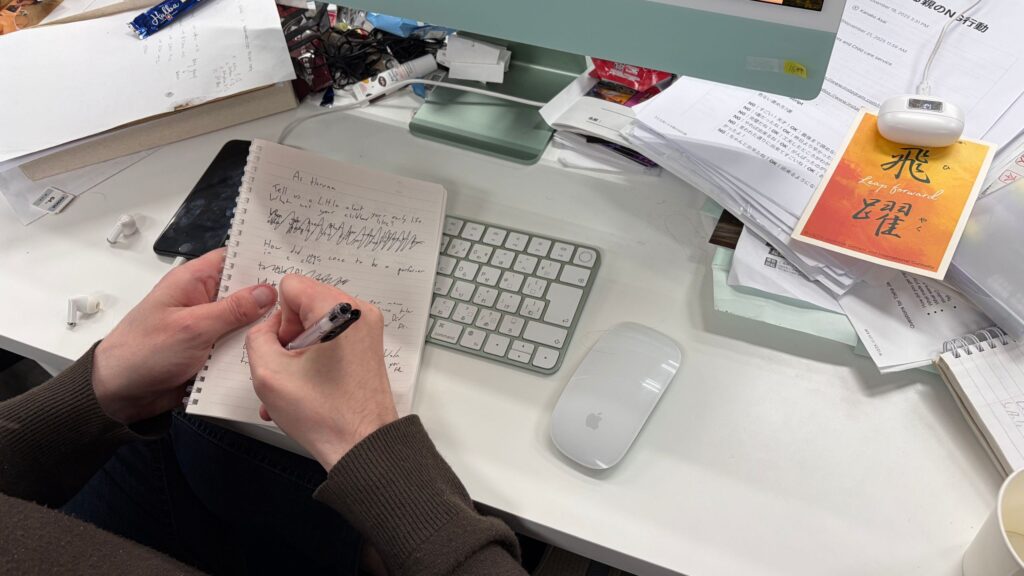
working in japan - Tobi 3

“I usually use websites and job platforms. I initially found my first job in Japan through a website called Jobs in Japan. I’ve since used things like LinkedIn, Indeed, and platforms like this. Once or twice I’ve picked up freelance work just through luck, but that’s possibly because I’m on LinkedIn now and sometimes people approach me.”

5. What felt different about applying for jobs in Japan?

“It’s not difficult, but different. For most Westerners, we have one CV. Whereas in Japan, they want two. One is very short as a summary, and the other is more details. I don’t know why we need both, because the one with more details also has the smaller details.”

“Another thing that’s different is that in Japan a lot of places ask for your photograph, which is not the case at all in the UK. It’s not done because we have rules against discrimination. Whereas in Japan, lots of places will say we want your picture as well.”

6. What was the application and interview process like for you?

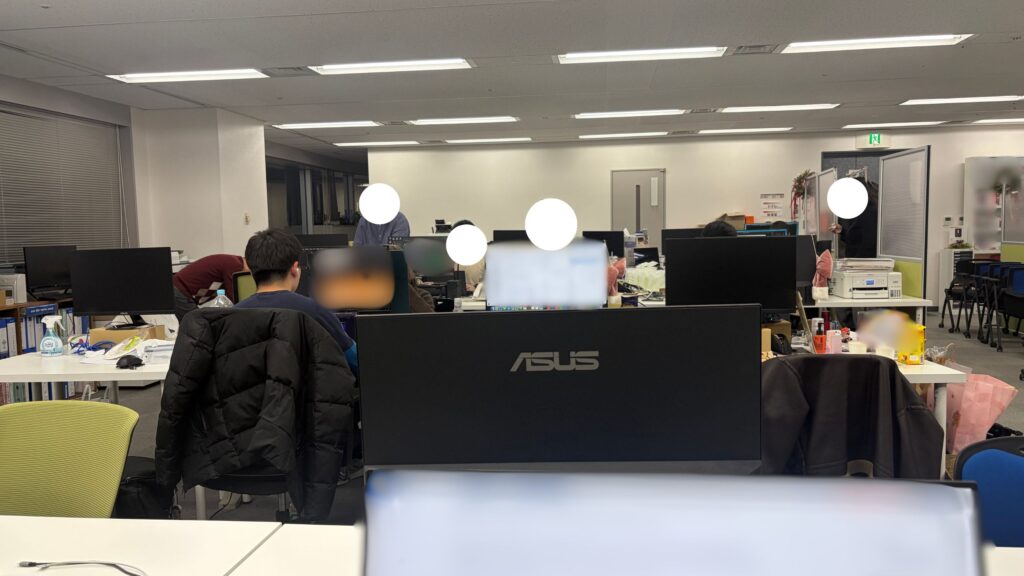
working in japan - Tobi 4

“I sent an email through. I waited about a week or 10 days and got a reply asking for more information. I had a first-round interview over the internet, then I was given a written assignment to make sure I’m not lying about my ability to write.”

“Once I sent that back, I waited another day or two and they said that’s very good. Then they wanted me to speak to the head of the company, not just to go over my application but to make sure my personality would be a good fit for the office. A few days later, I received an email saying congratulations, we like you, we’d like you to start.”

7. What were the biggest difficulties you faced, and how did you deal with them?

“The first difficulty was having to create two different CVs. Another is the language barrier. My Japanese is strong for day-to-day use, but for employment use it’s not always sufficient.”

“I’ve applied to jobs where they said you’re great, you’re wonderful, your Japanese isn’t quite there yet, sorry, we have to pass this time. And I’m like, okay, I’m going to learn more. The only way to overcome that is learn more, hit the books.”

8. What have been the best parts of working in Japan?

working in japan - Tobi 5

“The best thing, in addition to my wonderful coworkers, is that there’s a real culture of the team spending time together outside the office. Every few months, we’ll go out for dinner or drinks, and it’s often paid for by the company. It’s nice because it doesn’t feel like you’re just coworkers who only talk about work, you actually get to relax together.

In particular, 篝火晚会shinenkai are something I really appreciate. They feel like a proper marker of the year ending and starting, and they create a chance to reset, connect, and feel more like a team. For me, that social side of working in Japan has been one of the most enjoyable parts.”

9. How has working in Japan changed you personally or professionally?

“Even though I like to speak my mind, these days I try to think a little bit more before I speak. Sometimes there are things I don’t know, even if I think I know.”

“In Western cultures, debate back and forth is appreciated. In Japan, it’s not appreciated so much. So while I still tell you if I think something’s wrong, I try to think about it first.”

10. What should someone prepare if they want to work in Japan?

“The first thing would be learn Japanese. Even if you’re looking for a role like teaching, having a small amount of Japanese really helps. Learning basic introductory phrases and simple conversational skills can help a lot.”

“Also, the idea that Japanese people are very formal and polite in business is true, especially when you’re interviewing. Show up with a suit. Do not be casual in your interview. Once you’ve got the job, you can relax a little bit, but you can’t show up scruffy to your interview.”

Inspired by This Story?

Start Your Own Japan Journey With Expert Guidance

Just like the person you read about above, you can successfully move to Japan. Get personalized support for work, study, or life in Japan.

Book Your FREE Consultation →

✓ 500+ Bookings ✓ English-speaking Relocation Support Experts

11. Final thoughts on working in Japan?

“Working in Japan is a really rewarding experience. There are things you can learn here that you can’t learn in other places. If you want to really experience Japan, being employed and working here is a big part of it, and it will be something you carry with you for a long time.”

- Sponsored -
分享本文
我们将为您提供见解、指导和实用建议,帮助您在东京安顿下来,适应外国人的生活,并充分利用您的新体验。.