


想成为 JoynTokyo 的特色人物?
如果您目前在日本工作,并愿意分享您的经验,请申请在我们的故事文章中发表。.
我们将通过简单的表格对您进行采访,并将您的经历撰写成 JoynTokyo 上的故事文章。.
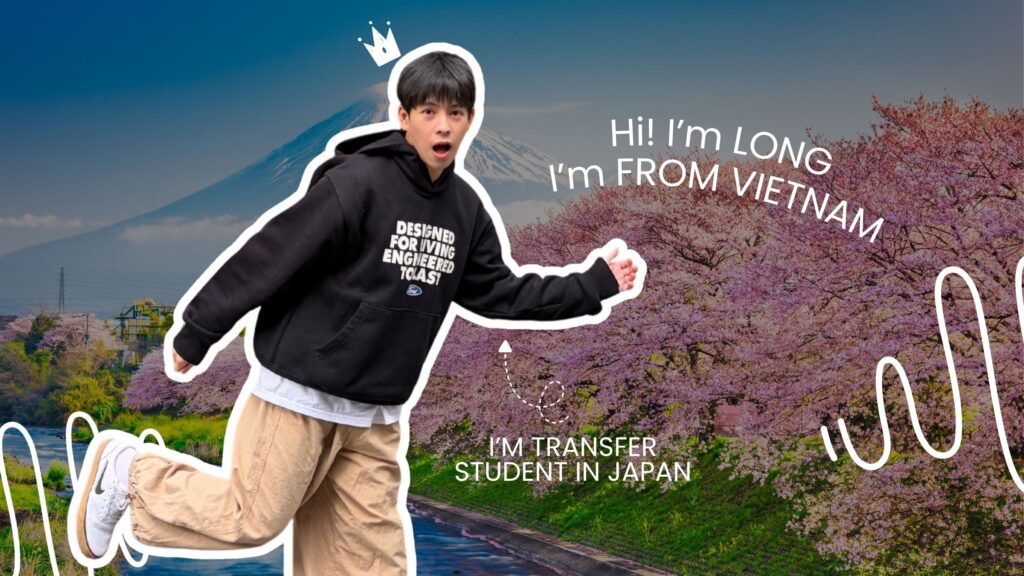
申请专题报道Meet Long, a Vietnamese student who chose to study in Japan because it offered something that felt rare: a strong education system at a more affordable cost, plus the chance to study in English while still living in a Japanese environment every day. Long’s story is especially relatable for people who want to know how to study abroad in Japan and wondering what it really feels like once you arrive—because even in an English-taught program, daily life in Japan still pushes you to learn Japanese and adapt fast.
1. What made you want to study in Japan, rather than your home country?

“I chose Japan because the education system is really good, but the price is still affordable. My major is conducted in English, so I can keep practicing English, but at the same time I can learn Japanese and use it in daily life. So for me Japan felt like the best destination for my study abroad journey.”
2. How did you go about finding a place to study in Japan?
“I actually found my school through YouTube. I watched a vlogger who studied at my current school, and I thought it looked really nice. After that, I started researching online by myself, like the school information, curriculum, and details. Then I applied by myself.”
3. How did you feel, once you had found a place to study?

“I felt good. I think once the school was confirmed, it felt like the plan became real and I could finally imagine my life in Japan starting.”
4. What were difficulties you encountered? How did you overcome them?
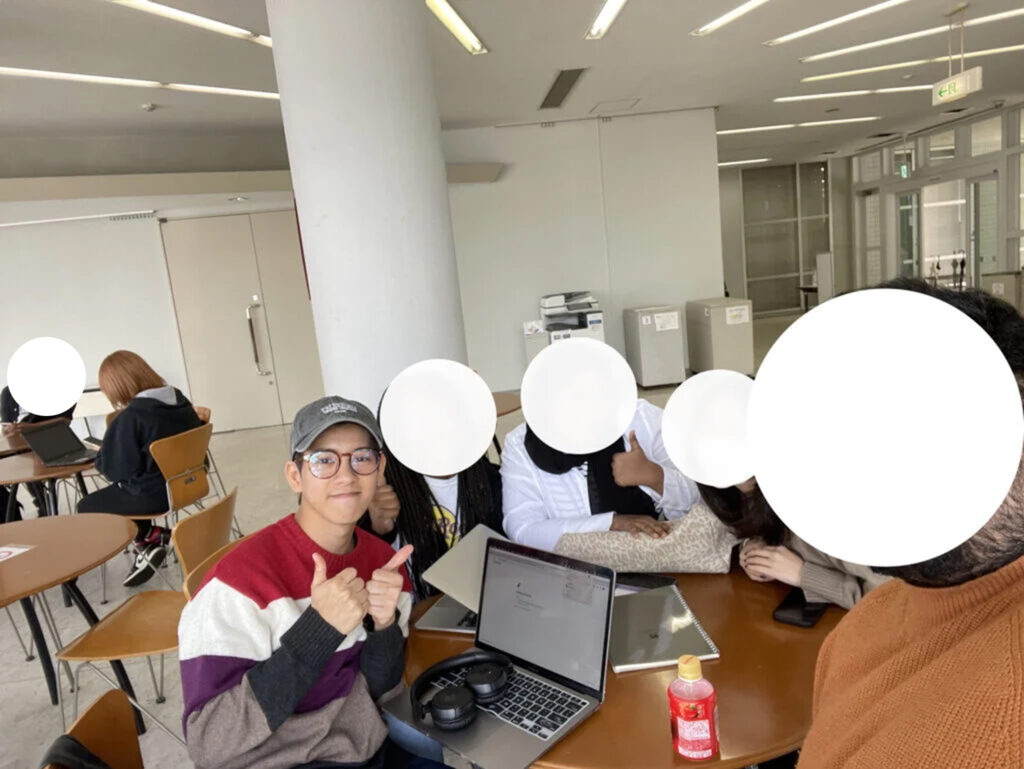
“The difficulties I faced were culture and language barriers. In my school there are a lot of international students from all over the world, so at first it was hard to make friends because everyone has a different mindset and background.”
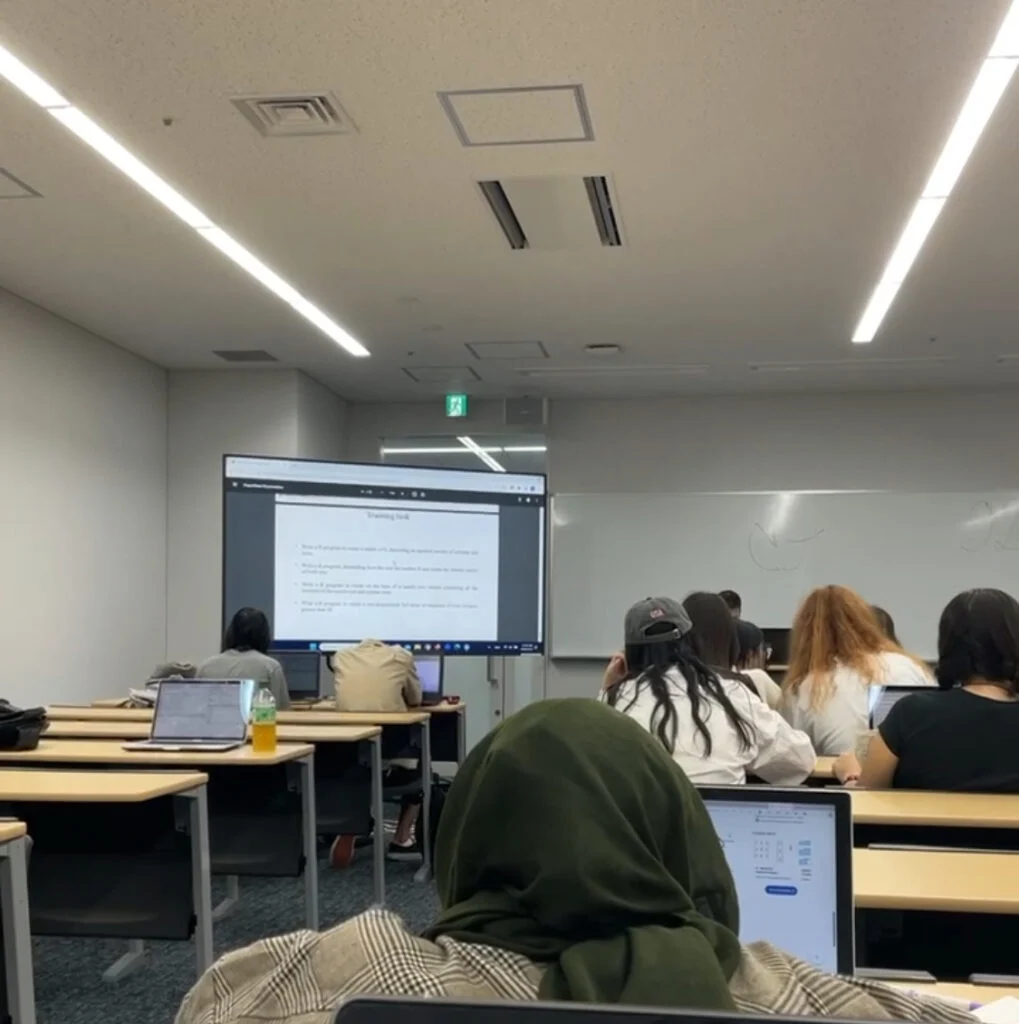
“Language was also a problem. Even though my major is in English, professors still speak quite fast sometimes, so it was hard to catch up. What helped me was downloading all the materials in advance and taking notes carefully during lectures. I realized I needed to prepare more before class instead of just showing up and trying to understand everything in the moment.”
5.在日本学习的最大收获是什么?

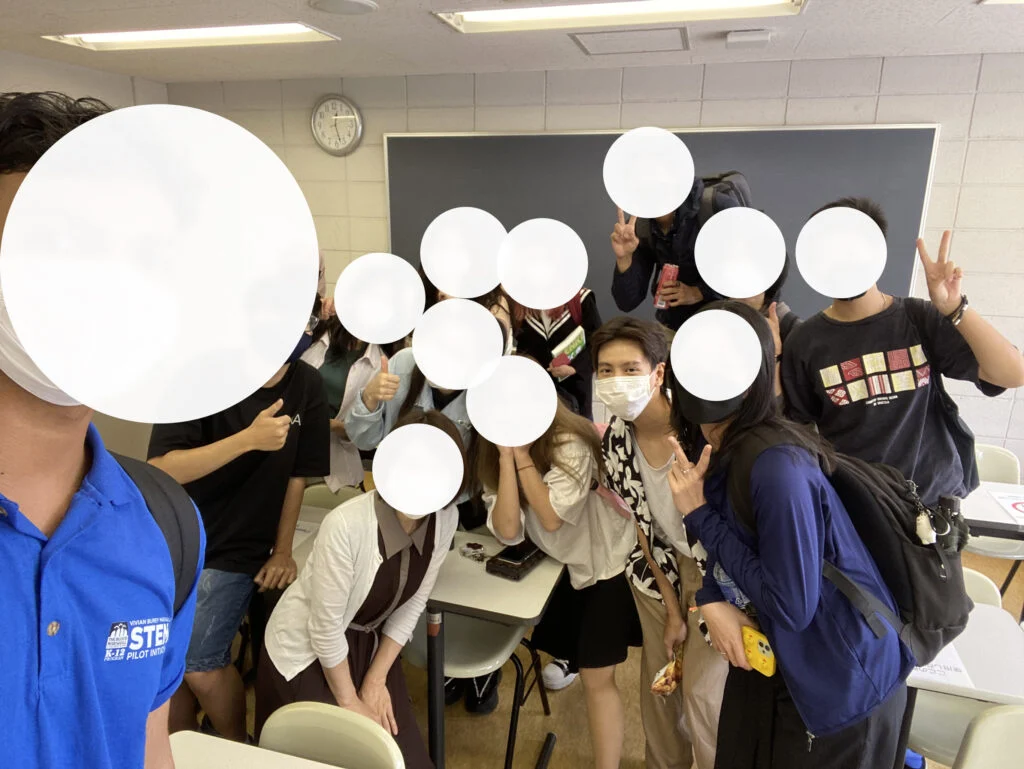
“I think the best part is that there are so many activities. Japan school life has a lot of clubs, school festivals, and events. I really love that dynamic energy.”
“I joined a school festival and we did so many activities like cooking, dancing, painting, and more. It felt fun, but also it made me feel more connected to school life, not just studying in class.”
6.在日本学习如何为你现在的生活做好准备?
“I would say confidence. I learned how to present in front of people using multiple languages, English and Japanese. That was really helpful for my current life because now I’m working and I need to present every single day. So studying in Japan trained me to speak up and be comfortable presenting, and that became a big advantage.”
7. What are some recommendations you would give to someone who wants to study in Japan? What do you think they should know?

“I suggest study Japanese more even if you study in English, you still need Japanese in daily life. So I think the best is practice more Japanese, because it’s really helpful when you live in Japan.”
8. What are some final thoughts you might have regarding the experience of studying in Japan?
“I think this is the best experience. It wasn’t always easy, but it helped me grow a lot, especially in confidence and communication.”
开始 您自己的日本之旅 专家指导
就像您上面读到的那个人一样,您也可以成功移居日本。为您在日本的工作、学习或生活提供个性化支持。.
预约免费咨询✓ 500 多次预订 ✓ 会讲英语的搬迁支持专家
最后的想法
Long’s experience shows one realistic version of studying abroad programs in Japan: English-taught classes can make academics more accessible, but daily life still pushes you to learn Japanese and adapt to culture quickly. The biggest reward wasn’t only school—it was the confidence built through presentations, the energy of campus life, and the mix of international and Japanese experiences that made studying in Japan feel truly worth it.