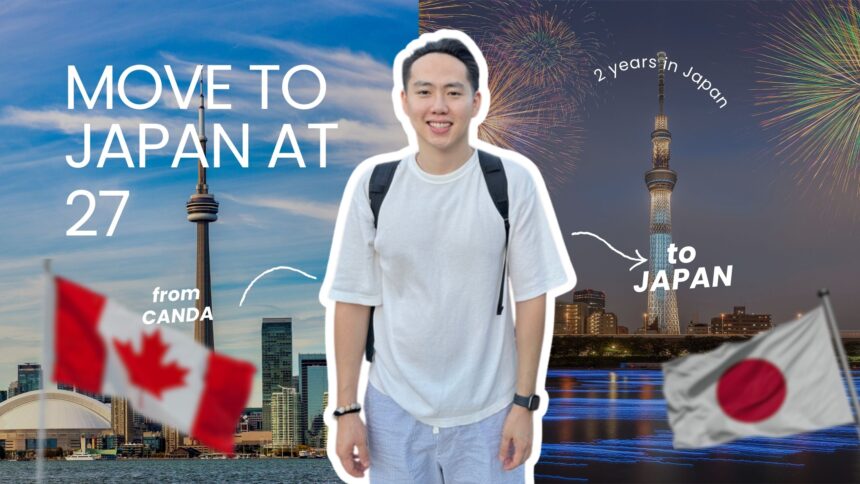

Meet Ang, from Canada, who studied at the University of Toronto and moved to Japan nearly two years ago. Ang also has Mongolian roots, and came to Japan after years of traveling here during school breaks. Each trip made Japan feel more familiar, until the curiosity turned into a bigger question: what would it be like to actually live here, not just visit?
In this interview, Ang shares what made the move feel manageable, the one Tokyo system that caused unexpected stress, and the practical habits that help avoid costly surprises later.
Interview
Ang’s move wasn’t full of dramatic problems, but that’s what makes the story useful. With the right connections, the relocation itself can be smooth. The real challenge shows up in smaller, very Japan-specific moments like garbage rules, scheduling pickups, and learning what to document before move-out day becomes expensive.
1. Quick intro. Where are you from and what did you study?
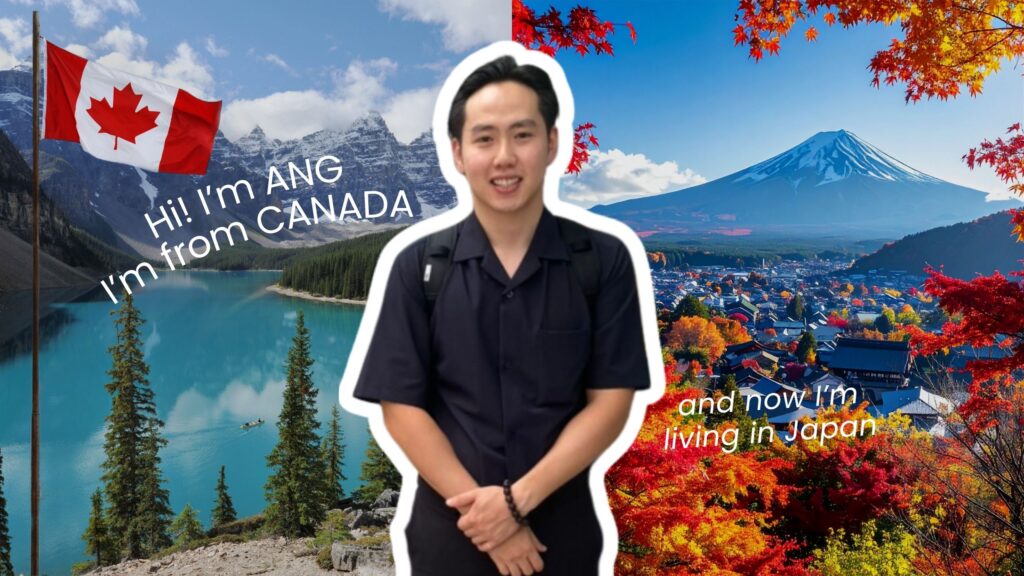
I am from Canada and studied at the University of Toronto. Japan was not a random place on the map for me. I had been traveling there during school breaks, and every trip made me enjoy it more. Over time, it stopped feeling like “just a destination” and started feeling like a place I could imagine living.
2. Why Japan? What made you want to live here, not just visit?
I often travelled to Japan during my breaks and I really enjoyed each trip which made me curious as to what it would be like to live in Japan. That curiosity was the turning point. Visiting is fun because everything feels temporary. Living here means dealing with normal life, and I wanted to experience that side too, routines, responsibilities, and the feeling of building something new in a different country.
3. What was the moving process like overall?
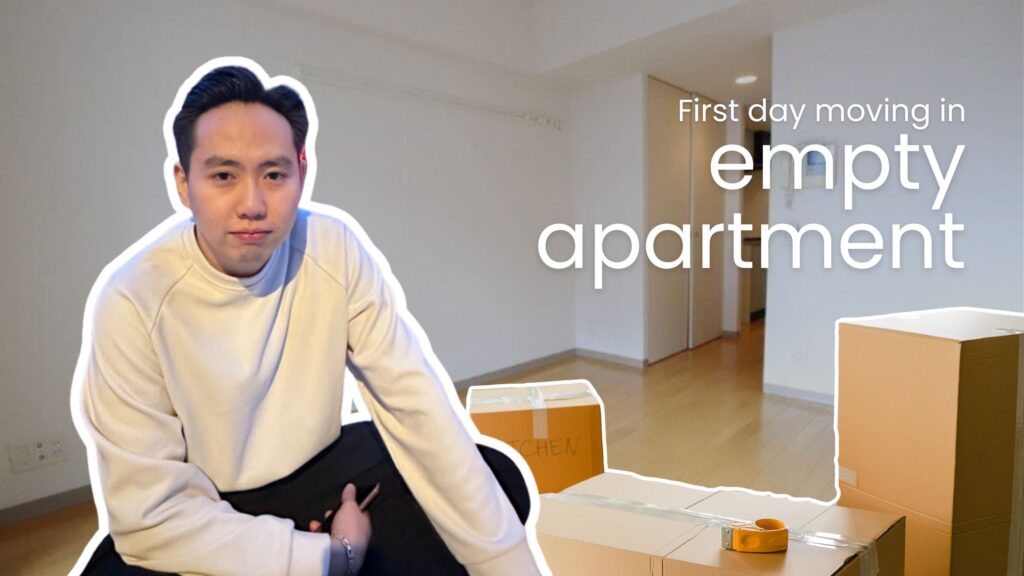
The moving process can be stressful for newcomers to Japan, especially if you are not familiar with the language. I think it would have been harder for me if I didn’t have any connections in Japan. Due to my connections, I was able to my move without too much stress, but it did require some work. Having people already in Japan made a huge difference. It wasn’t effortless, but it didn’t feel like being totally alone either, and that lowered the stress a lot.
The move still takes work, but connections can change the whole experience.
4. Did anything feel difficult once you actually started living in your place?
I didn’t encounter too many difficulties, but one difficulty was dealing with garbage. The trash system in Japan is very detailed, and it’s one of those things you don’t realize is “a skill” until you need it. The biggest issue was getting rid of large items like a couch and chair, because that takes planning, research, and usually Japanese ability.
I tried posting on a foreigners group on Facebook if anyone was interested in picking it up but there were no takers. I thought about buying a large garbage ticket from the city and putting it outside for pickup but the timeline did not fit my schedule, so I opted for calling a trash removal company that was linked on the city website to schedule a pickup. That ended up being the practical solution, but it’s a good example of how even something simple like throwing things away can become a project in Japan.
In Tokyo, “getting rid of stuff” is sometimes harder than moving it in.
5. Were there any nice surprises after moving?
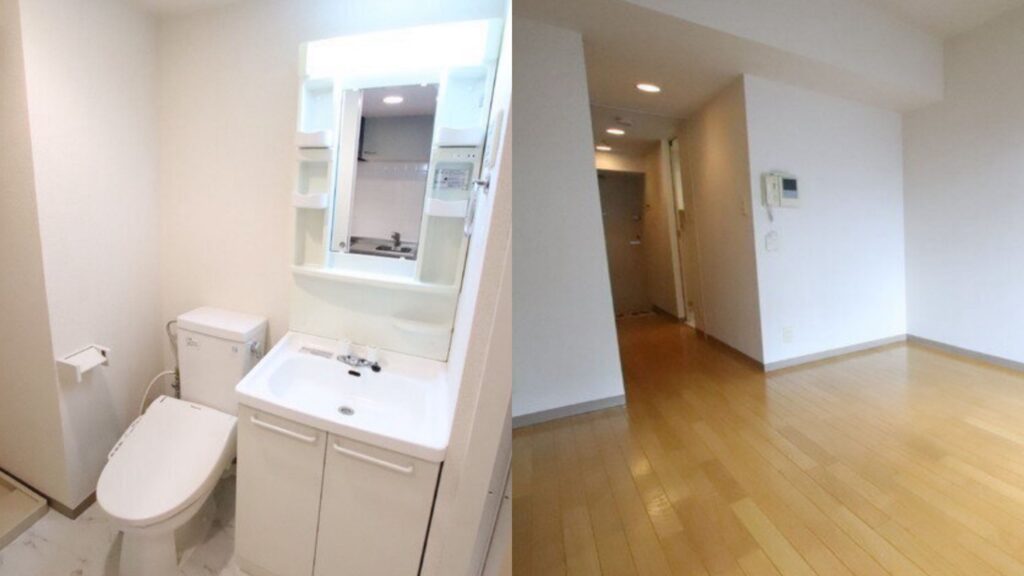
No nice surprises except for the excitement and the feeling of starting fresh at a new place. Sometimes that really is the best part. Even without a dramatic “wow” moment, there’s something motivating about arriving in a new country and feeling like life has reset in a good way.
6. What advice would you give to someone moving to Japan soon?
My advice would be plan and start early because there will be things you will need to schedule ahead of time to avoid any last minute delays or expenses. Once you move in to your new place, do a thorough check on the condition of everything and document them because you will be asked to pay for any damages when you move out, and it can get expensive. That’s the kind of advice people only learn after hearing enough move-out horror stories. The earlier you start planning, the more money and stress you save. And documenting the condition of the apartment at move-in is one of those small habits that can protect you later.
Plan early, and document everything on day one.
Final thoughts
Ang’s story shows that moving to Japan can feel smooth when there are connections to lean on, but daily-life systems still require learning. The biggest stress wasn’t something dramatic, it was garbage rules and scheduling large-item disposal. The takeaway is simple: start early, schedule ahead, and document the apartment condition from the beginning to avoid expensive surprises later.