


Japan’s minimum wage has been rising in recent years, but a lot of people still ask the same basic question, can you live on minimum wage in Tokyo?
The honest answer is, it depends heavily on where you live, what your rent looks like, and whether you’re trying to live alone. Minimum wage might cover a simple lifestyle in cheaper prefectures, but it gets tight fast in big cities, especially Tokyo, Osaka, and Yokohama.
This guide breaks down minimum wage in Tokyo, what daily life costs, and what a realistic monthly budget looks like.
What Is the Minimum Wage in Tokyo?
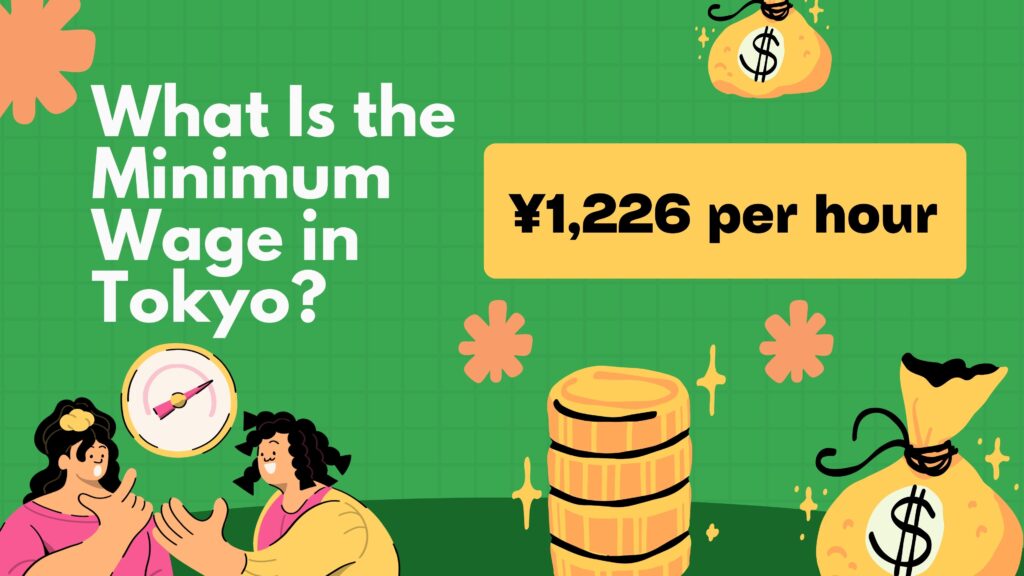
Japan has a minimum wage system set by each prefecture, so there is no single national wage that applies everywhere. You’ll usually see it listed as an hourly wage, and the amount changes depending on the region. For 2026, Tokyo’s minimum wage is ¥1,226 per hour. This rate took effect on October 3, 2025, and it’s the official minimum wage level Tokyo is using going into 2026.
In general, major urban areas have higher minimum wages than rural areas, but the cost of living rises even faster in the cities. That’s the trade off, you might earn more per hour, but you’ll pay a lot more for rent and commuting.
Minimum wage jobs are common in:
- Convenience stores
- Restaurants and cafés
- Retail shops
- Warehouses and basic logistics work
- Cleaning and hotel support roles
If you’re working one of these jobs full time, your monthly income depends on your hourly rate, your hours, and how often you get scheduled.
Monthly Earning on Minimum Wage
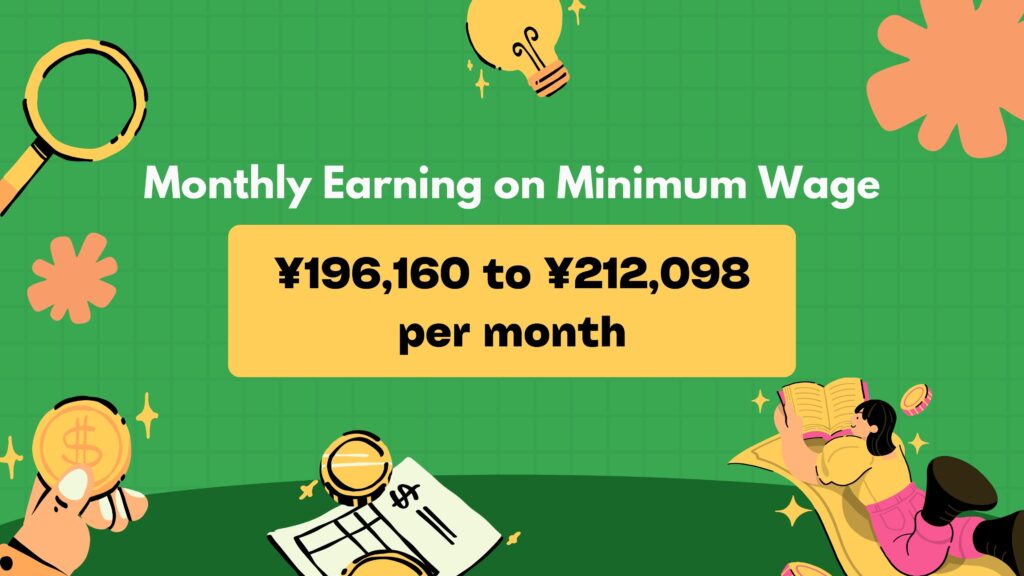
A full time schedule is often around 160 to 173 hours per month, depending on your workplace and the calendar and assuming for Tokyo’s minimum wage of ¥1,226, your monthly gross pay usually lands in the range of:
- roughly ¥196,160 to ¥212,098 per month
That is before taxes, pension, and health insurance, which can take a noticeable chunk once you’re enrolled in the standard systems.
A lot of people hear a monthly number and think it sounds manageable, then rent shows up and reality arrives.
For more detailed info about earning potentials in Japan, check out the article below!
Read More
Start Your Own Japan Journey With Expert Guidance
Most people never make it to Japan because the start is confusing and tiring. Wrong visa route. Underestimated budget. Months lost to confusion.
Get personalized support for your new life in Japan.
Book Your FREE Consultation✓ 500+ Bookings ✓ English-speaking Relocation Support Experts
Cost of Living in Japan – The Big Monthly Expenses
Rent
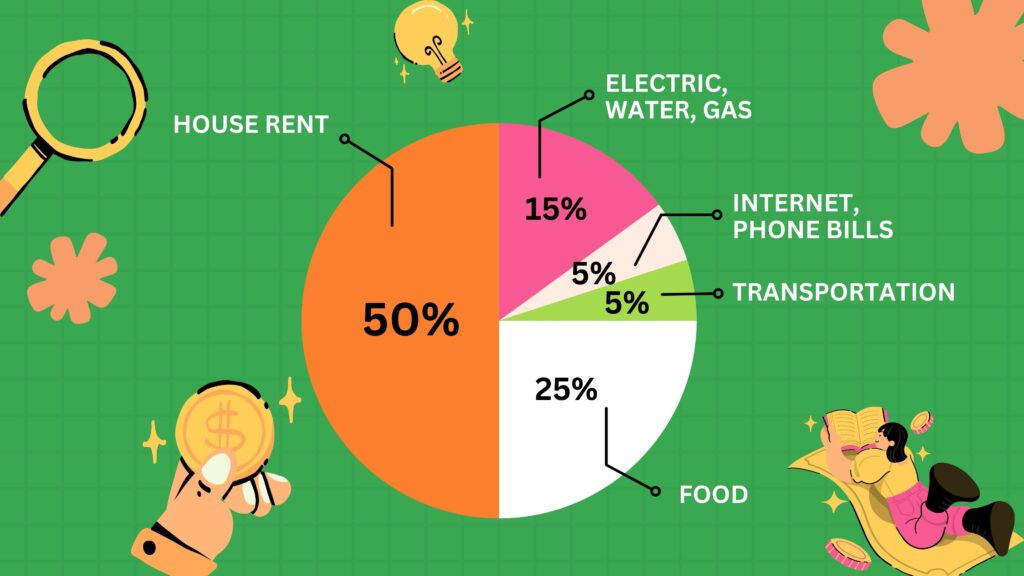
Rent is the make or break category. In cheaper areas, you can find basic apartments at a price that doesn’t destroy your entire paycheck. In big cities, rent is often the reason minimum wage living becomes stressful.
Typical rent ranges for a small studio or 1K:
- Rural or smaller cities: ¥30,000 to ¥55,000
- Regional hubs: ¥50,000 to ¥75,000
- Tokyo central areas: ¥75,000 to ¥120,000, and higher if you want space
If rent is taking more than half your monthly income, your lifestyle choices shrink fast.
Utilities
Utilities in Japan are fairly predictable, but seasons matters. Summer air conditioning and winter heating are real costs.
Common monthly utility range:
- ¥8,000 to ¥15,000
- More in extreme seasons or older buildings
Read More

Food and groceries
Groceries can be affordable if you cook, but it’s easy to overspend without noticing. Japan is full of tempting convenience store meals and “just one more bento” days.
A realistic range:
- Cooking often: ¥25,000 to ¥40,000
- Eating out frequently: ¥40,000 to ¥60,000, or more
Transportation
If you live in a city and use trains, transportation can be manageable, especially if your company covers commuting costs – most companies do, but if you pay out of pocket, it’s another fixed bill.
Typical range:
- With commute support: ¥0 to ¥5,000 personal cost
- Without support: ¥8,000 to ¥15,000
Phone and internet
Typical range:
- Phone: ¥2,000 to ¥6,000
- Home internet: ¥3,500 to ¥6,000
If you’re on minimum wage, “premium unlimited everything” plans are a luxury, even if the ads make them sound normal.
Health insurance and pension
This is where a lot of new residents get blindsided. It depends on your status and employer, but insurance and pension are part of everyday life in Japan unless you’re on a special arrangement.
Read More
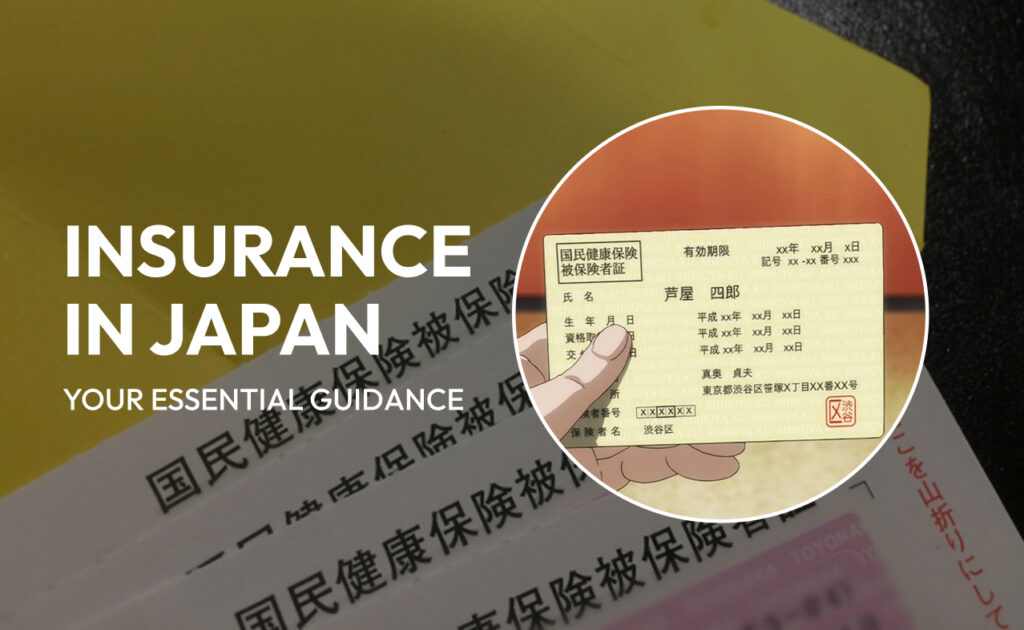
If you’re enrolled normally, expect these costs to eat into your take home pay. It’s not always massive month to month, but it is not optional long term either.
Can You Live on Minimum Wage in Tokyo?
Yes, but with conditions.
You can live on minimum wage in Tokyo if:
- Your rent is low
- You share housing, or live outside the most expensive areas
- You cook at home most days
- You aren’t supporting other people financially
- You aren’t trying to save a lot every month
Minimum wage life can be okay if you’re realistic, but it doesn’t leave much room for bad months.
Sample Budget – Living on Minimum Wage in Japan
Here’s a realistic – not fancy, not miserable – example budget for one person living around the central areas of Tokyo:
- Rent: ¥90,000
- Utilities: ¥10,000
- Food: ¥35,000
- Transport: ¥12,000
- Phone and internet: ¥9,000
Total: ¥156,000
The total of ¥156,000 does fall between our earning figures of ¥196,160 to ¥212,098 per month, but it comes quite close and leaves little room for savings. One surprise expense, and you start cutting meals or skipping plans with friends. It’s doable, but it’s not relaxed.
Living on Minimum Wage – The Bottom Line
Minimum wage in Japan can support a basic life, but it doesn’t automatically guarantee comfort.
If you live in a cheaper prefecture or keep rent low through shared housing, minimum wage can be manageable. If you’re trying to live alone in a high cost city, especially Tokyo, minimum wage often feels like running on a treadmill that never stops.
Read More