

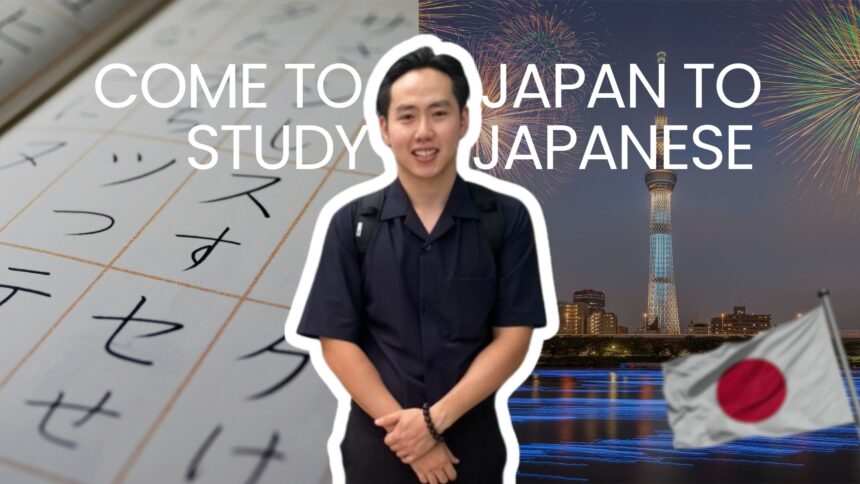

Meet Ang, a student who came to Japan to study at a Japanese language school in Tokyo. For Ang, Japan wasn’t chosen randomly. It started with a long-time interest in Japanese culture and the desire to seriously learn a new language. What makes this story interesting is how practical it feels: choosing a school through family recommendations, learning Japanese in a speaking-focused environment, and slowly turning a place like Shibuya from “tourist wow” into daily normal life.
In this interview, Ang shares why Japanese became the top choice, what felt hardest in the classroom, what made language school fun, and what advice feels most realistic for anyone thinking about studying in Japan.
Interview

1. Why did you want to study in Japan instead of staying in your home country?
I decided to come because I’ve always liked Japanese culture, so Japan was already a place I felt interested in. I also really wanted to learn a new language seriously, not just casually. I was thinking about a couple different options, but Japanese was my top choice, so studying in Japan felt like the best way to fully immerse myself and actually improve.
2. How did you choose your language school in Japan?
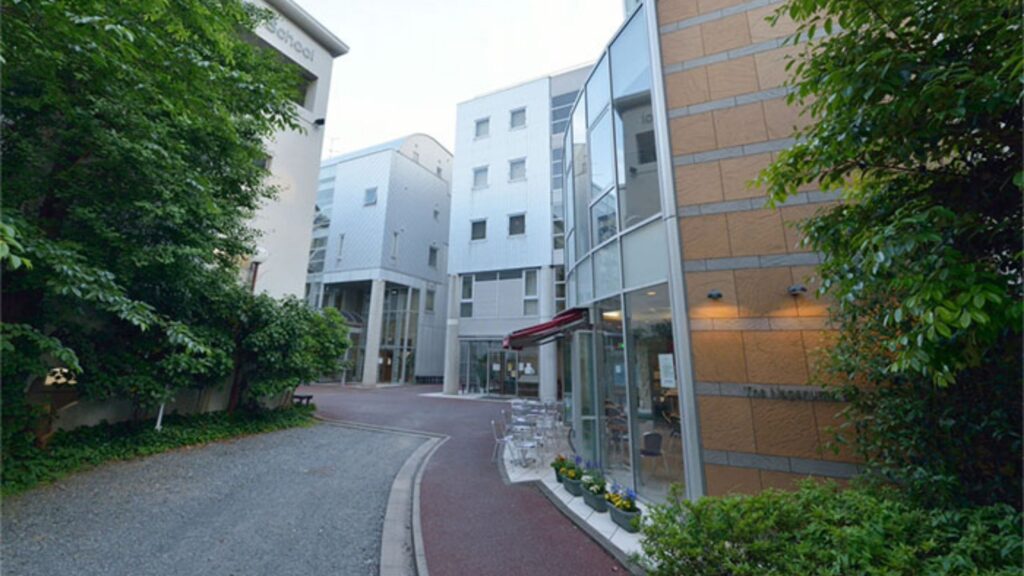
I honestly didn’t do much research by myself. I mainly relied on recommendations from family members. They told me this school had a long history in Tokyo, and it seemed like the students who go there end up speaking Japanese really well. So I trusted what they said, and just applied through that recommendation.
3. How did you feel once you had found a place to study?
I felt good about it. It was like, okay, I have a plan now. I just applied and went with it.
4. What was the hardest part of studying in Japan, and how did you deal with it?
Learning Japanese was the most difficult part, especially kanji. It was first time being exposed to kanji, whereas most of my peers were already experts so it felt like I had a major disadvantage.
5. What were the best parts of studying Japanese in Tokyo?
I think meeting my friends was the best part. You meet a lot of different people from different stages in life, and you become friends because you go there every day and you’re practicing and learning at the same time. My school is also very keen on speaking. Some schools focus more on textbooks and writing, but ours prioritizes speaking. I liked that teaching style because it helps you speak naturally and also helps you connect with your fellow students. It was a new experience for me, and it was fun.
6. How did studying in Japan help you in your current life?
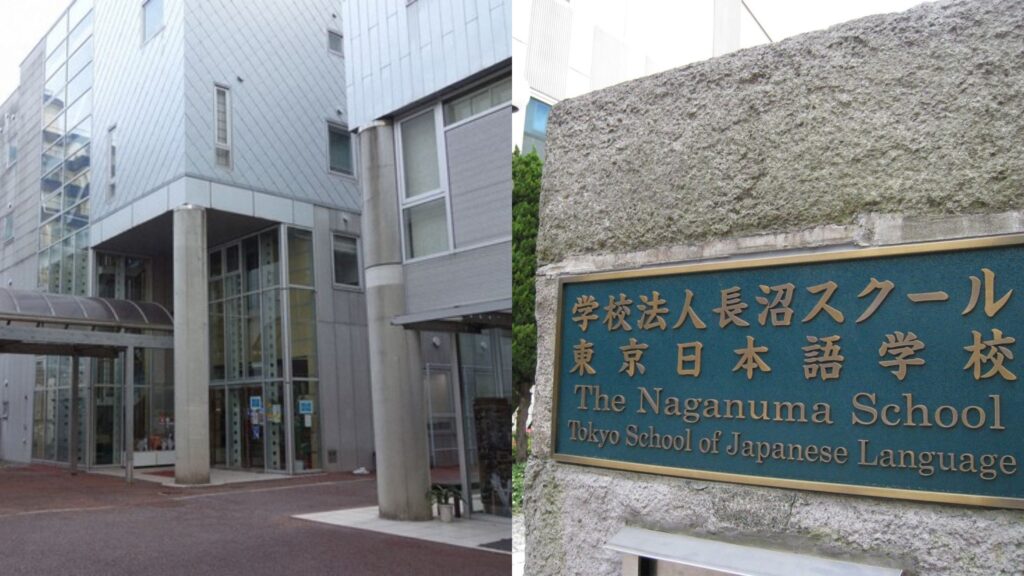
Obviously there’s the benefit that you know a different language. Even if it’s not totally fluent, you can have daily conversations. It raised my confidence knowing that I was able to make progress and be able to maintain a conversation in a new language. Aside from this, I think because you have to study and practice every day, it shows you what consistency can do.
7. What would you recommend to someone who wants to study in Japan?
If they want to study in a language school, I would say go to Naganuma School. It’s located in Shibuya, and their teaching style really helps you become a natural conversationalist in Japanese. But if they want to study in Japan more generally, like in universities or vocational schools, I would say before you come, spend some time studying the language itself. At least the basic stuff would really help.
Start Your Own Japan Journey With Expert Guidance
Just like the person you read about above, you can successfully move to Japan. Get personalized support for work, study, or life in Japan.
Book Your FREE Consultation✓500+ Bookings ✓ English-speaking Relocation Support Experts
8. Any final thoughts about studying in Japan?
I would say it’s a fun experience overall. Especially for me because my school is in the middle of Shibuya. When I first visited as a tourist, Shibuya was so new and everything felt brand new, but then you go there every day for school and it becomes normal, and you realize you’re literally studying in the middle of Shibuya. And after class, you have time to explore and do whatever you want. Overall it’s really fun.
Read More