
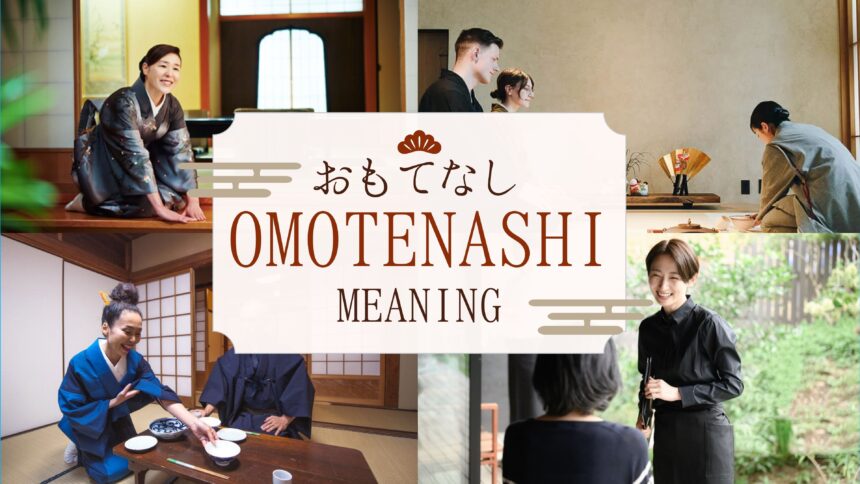


If you’ve studied Japanese, you might’ve heard the word omotenashi (Pronunciation: oh-moh-teh-nah-shee・Japanese: おもてなし) before. If you look it up in a dictionary, it will probably be defined as “hospitality” or “customer service”. However, the true meaning of the term goes a lot deeper than this. Omotenashi can be defined as hospitality without an expectation of anything in return, while focusing on the comfort of the guest above all else, and paying close attention to detail in everything that is done for them. Omotenashi can be found in many aspects of Japan both inside and outside of the service industry.
Diving Deeper Into the Meaning of Omotenashi
Omotenashi literally translates to “having no face” (not to be confused with Kaonashi, or No Face, the classic Studio Ghibli character). In this context, “having no face” may have a few different meanings.
The first is that of “invisible service”, meaning that the host tries to make it so they are invisible, or close to invisible, so the guest can focus on their own comfort and will not directly see the work put into it.
Another possible meaning is that the host provides service without expecting anything in return, meaning that they aren’t doing anything that would help improve their “public face”. They only do it for the comfort of the guest or customer and not in order to be perceived well for doing so.
Whatever the true meaning is, “having no face” comes with the assumption of the host making themselves less noticeable so that the focus is completely on the guest and their comfort.
While hospitality in any country has an element of this, such as the phrase “the customer is always right”, omotenashi also carries with it an essence of care for every meticulous detail, and a commitment to making a guest or customer comfortable not only because it’s the host’s job, or because they expect something in return, but simply for the sake of the customer’s comfort.
Origin of Omotenashi
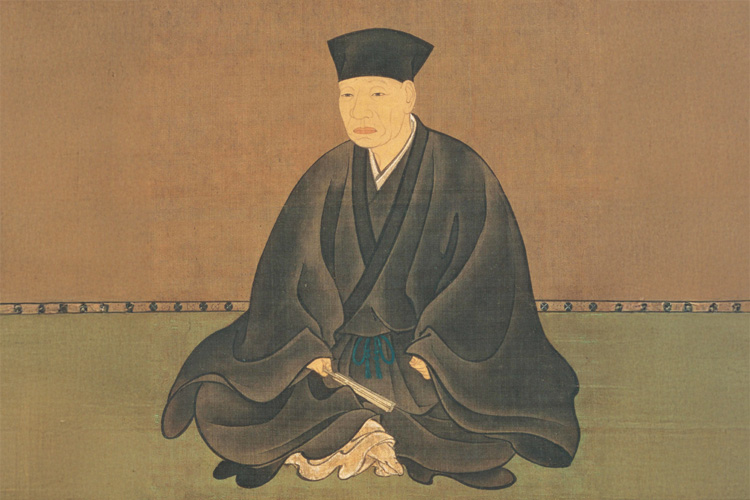
The term omotenashi was originally coined by Sen no Rikyu, a Japanese tea master from the 16th century, credited for pioneering the traditional Japanese tea ceremony, called sado.
The tea ceremony is a very meticulous and structured art, focusing on making sure every single step is done just right. This practice helped create the concept of omotenashi since it focuses so heavily on detailed work for the main purpose of making the guests at the ceremony happy.
Start Your Own Japan Journey With Expert Guidance
Most people never make it to Japan because the start is confusing and tiring. Wrong visa route. Underestimated budget. Months lost to confusion.
Get personalized support for your new life in Japan.
Book Your FREE Consultation✓ 500+ Bookings ✓ English-speaking Relocation Support Experts
Experiencing Omotenashi
Hotels
If you check into a hotel in Japan (even a Western-style hotel), you’ll notice that many useful items that you might not find at other hotels will be provided in case you need them. Even in lower-lost business hotels, you’ll usually find items like a toothbrush, soap, supplies for making tea and coffee, slippers, a bathrobe, and hair dryer.
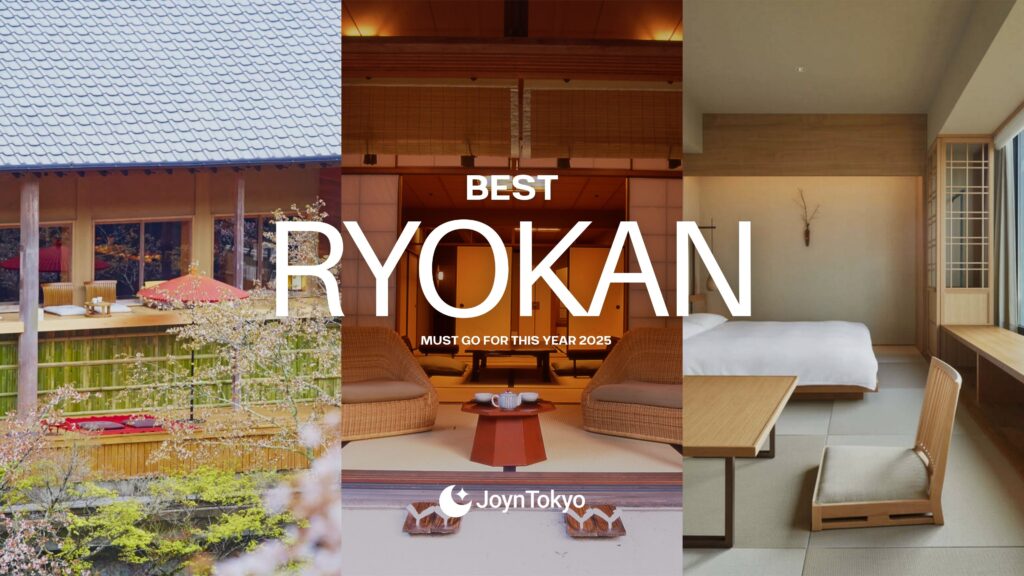
In traditional Japanese ryokan, you usually have an experience that’s even more personal, where staff tend to your every need: bedding, meals, soaking in a hot spring, cleaning, etc. Often, the staff will tend to these things while you’re not there, such as changing the sheets on your futon and cleaning while you’re out, so that you don’t have to notice them doing so, adding to the concept of “having no face”.
Read More
Restaurants
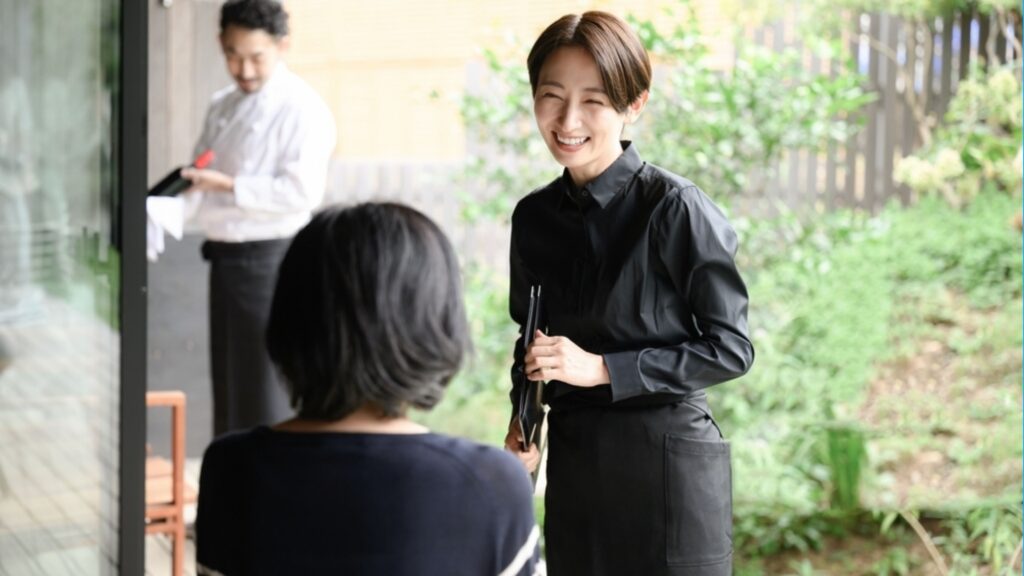
You can also find examples of omotenashi at high end, traditional restaurants in Japan such as those serving kaiseki ryori and high quality sushi restaurants. This is shown in how everything you need for each course is placed in front of you exactly when you need it. For example, if you need soy sauce, wasabi, and a certain seasoning for a dish, just the right amount will be placed in front of you for that course. And when it’s time to go to the next course and you need an entirely different set of sauces and seasonings, just the right amount will be provided. This highlights another tenet of omotenashi, that of anticipating guests’ needs beforehand, so that they never even have to ask for something as it will already be there.
Tea Ceremonies
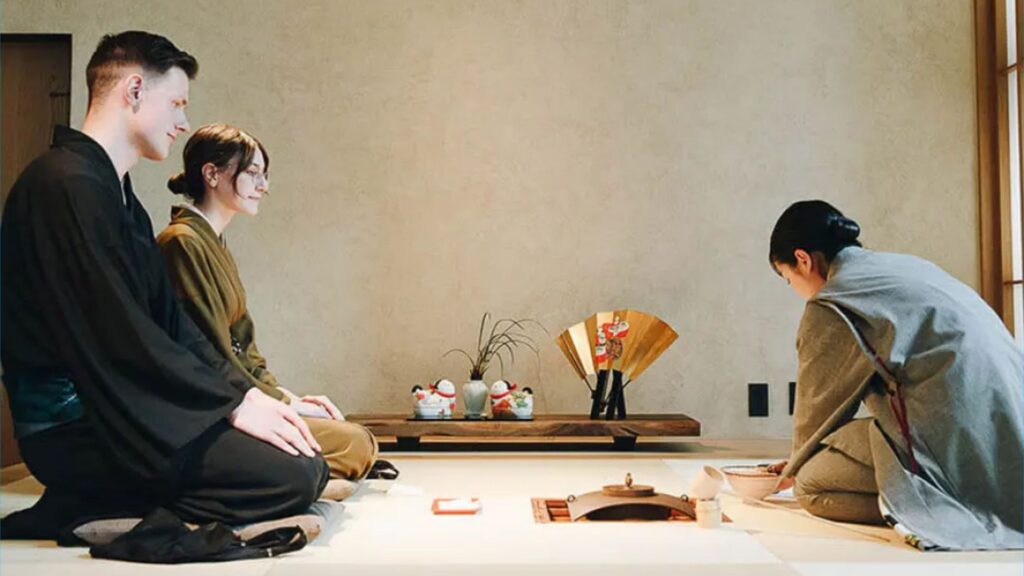
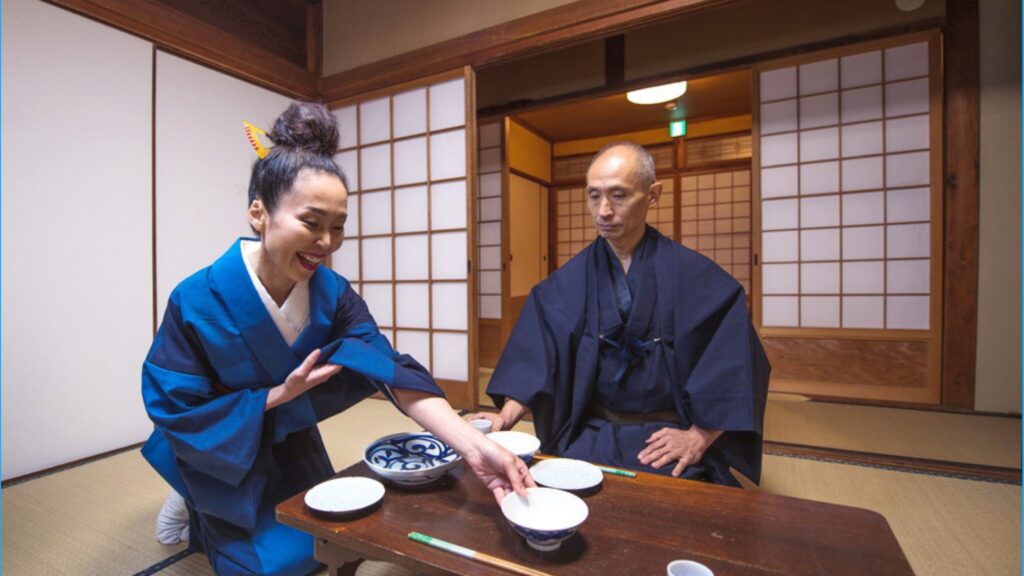
Of course, there’s also the practice that pioneered the term omotenashi in the first place: the Japanese tea ceremony. Experiencing a tea ceremony is a great way to relax and try some delicious tea and sweets through a step by step routine that is strict but not too challenging.
The tea ceremony is also a good way to experience omotenashi from the perspective of the host. Through putting intentional care into whisking, pouring, and drinking your tea, it puts you a little in the host’s shoes so you can focus on making sure your tea preparation is just perfect. Since you also drink the tea that you’ve prepared, you’re both the host and the guest in this situation.
The tea ceremony is also a natural expression of another deeply Japanese concept — wabi-sabi, the appreciation of beauty found in simplicity and imperfection.
[related_post ids = “14819”]
Trains
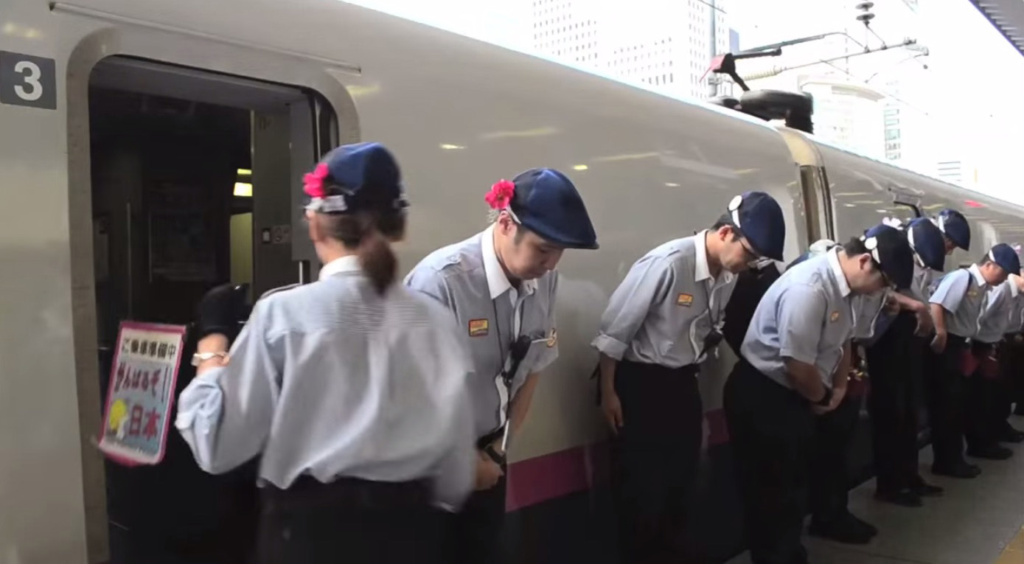
There are also many places where omotenashi can be found outside of the hospitality industry. For example, the expectation for Japan’s trains to always run on time makes it so that a lot of effort is put into providing a service that is convenient and comfortable for the passengers. But, the passengers don’t usually see the labor that goes on behind the scenes to carry it out. In fact, if a train is ever-late, the station master will apologize over the loudspeaker for the inconvenience.
Read More

Convenience Stores
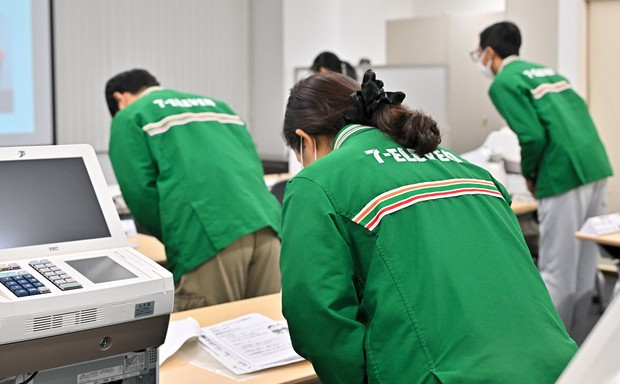
Similarly, Japanese convenience stores are always stocked with every snack, microwave meal, ice cream, and drink that you could ever want. But, you rarely directly see the effort that goes into preparing these foods, stacking the shelves and making sure that no product ever runs out. A lot of labor goes into the day to day running of konbini, which are one of the first stops that tourists like to go to, but this labor is rarely seen in the open.
Read More

Look Out for Omotenashi Everywhere
Omotenashi can be found in the tiny details of everything in Japan. From the way that items you purchase at a department store are neatly wrapped with ribbons or decorative tape, to community efforts to keep local temples and shrines clean. On your next trip to Japan, or if you already live here, keep an eye out for these small details of omotenashi in everything that you see and do. I guarantee that the more you look out for them, the more you’ll notice them.
Read More