
Pollen Allergy Season in Japan and How to Get Through It
If you spend spring in Japan, pollen allergy season quickly stops being an abstract concept and becomes something you feel in your eyes, your nose, and your patience. Even people who never had allergies back home are often caught off guard here. Known locally as kafunsho, pollen allergy season in Japan is driven mainly by
If you spend spring in Japan, pollen allergy season quickly stops being an abstract concept and becomes something you feel in your eyes, your nose, and your patience. Even people who never had allergies back home are often caught off guard here.
Known locally as kafunsho, pollen allergy season in Japan is driven mainly by cedar and cypress trees rather than grass or flowers. After World War II, large areas of the country were planted with fast growing cedar for construction timber. Those forests matured decades later, and now release massive amounts of pollen every year. The result is a long, predictable allergy season that affects a significant portion of the population.
Common symptoms include frequent sneezing, itchy or watery eyes, a constantly runny nose, nasal congestion, fatigue, and a heavy headed feeling that makes concentration harder than it should be. Some people also experience throat irritation or mild coughing. Knowing how the season unfolds makes a real difference.
When pollen allergy season begins in Japan
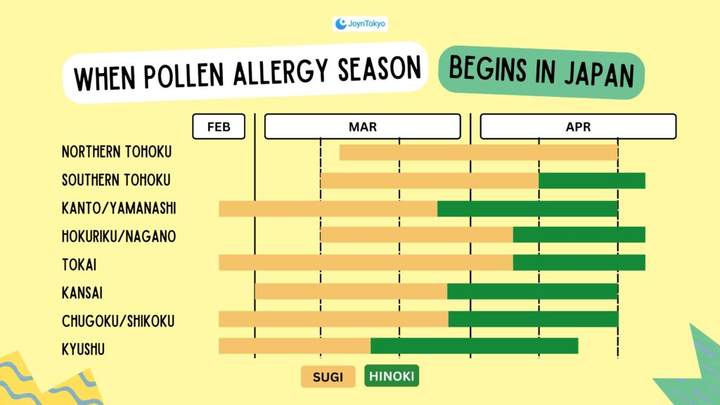
For most regions, pollen allergy season begins in early to mid February. Warmer areas such as Kyushu, Shikoku, and parts of Kansai often experience symptoms slightly earlier, sometimes before winter has fully ended.
Cedar pollen is the first major trigger each year. As soon as daytime temperatures rise and sunny weather becomes more frequent, pollen levels increase rapidly. Many people notice their symptoms appear almost overnight after the first warm days.
Urban areas offer little protection. Pollen settles on buildings, streets, clothing, and hair, then gets carried indoors through daily movement, which is why city living does not reduce exposure.
Peak allergy months in Japan
The most difficult period usually falls between late February and early April, with March being the peak month across much of the country. For many people, symptoms feel constant during this time rather than occasional.
During peak weeks, pollen forecasts appear daily on weather apps and morning news programs. Masks become a normal part of daily life, and many people adjust routines to reduce outdoor exposure where possible.
Cedar pollen levels usually begin to drop in early April, but relief does not always come immediately. Cypress pollen follows closely behind and can extend symptoms through late April or even early May, especially in central Honshu.
By May, most people notice clear improvement. In Hokkaido, the season tends to be shorter and milder, while in Kanto and Kansai it often lingers longer. Some long term residents find their symptoms lessen over time, while others experience similar reactions year after year.
Over the counter allergy medicine options in Japan
Japanese drugstores are well stocked during pollen season, and products are organized clearly by symptom. Even without strong Japanese skills, it is usually easy to find suitable options.
Oral antihistamine tablets
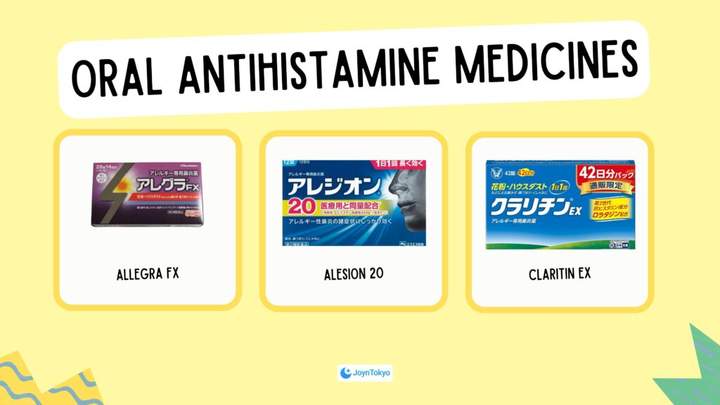
Antihistamines help reduce sneezing, runny nose, and itching. Common options include Allegra FX, Alesion 20, Claritin EX, and Zyrtec AR. Some are labeled as non drowsy, while others may cause sleepiness, with clear icons on the packaging.
Nasal sprays for congestion
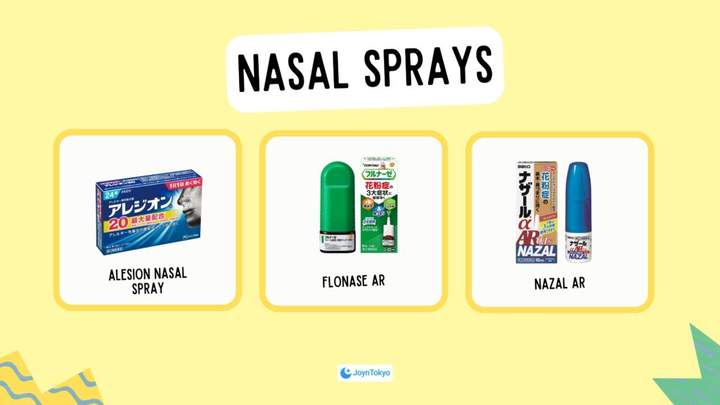
Nasal sprays are widely used for blocked or stuffy noses. Steroid based sprays are especially effective when used consistently rather than occasionally, and they work best when started early in the season.
Allergy eye drops
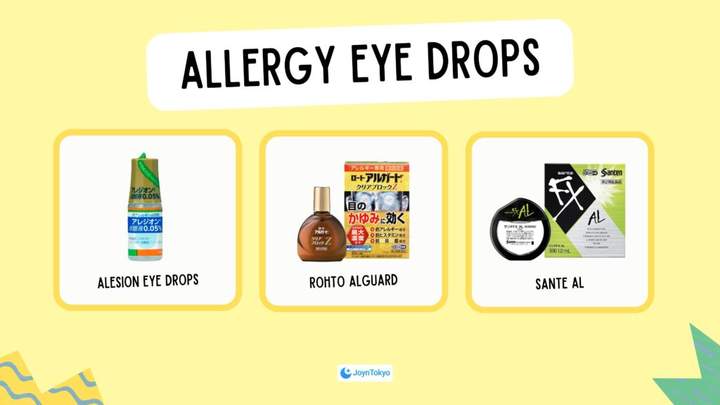
Eye drops can help relieve itchiness, redness, and watering, often within minutes. Many also include cooling or moisturizing effects that feel especially soothing during peak pollen days.
Combination symptom relief products
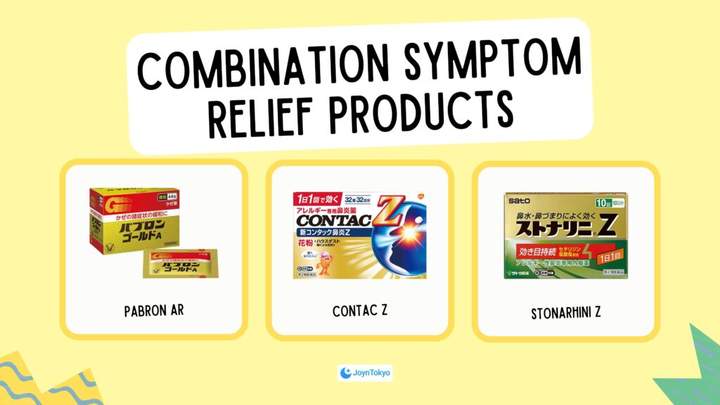
Some medicines are designed to treat multiple symptoms at once, such as sneezing, congestion, and watery eyes. These are useful for people who prefer managing their symptoms with a single product.
How to manage pollen allergy in Japan
Surgical masks and pollen specific masks significantly reduce pollen inhalation. Wearing a mask both outdoors and indoors is common and socially accepted during peak season, and many workplaces actively encourage it.
Glasses and eye protection
Many people switch from contact lenses to glasses during pollen season. Wraparound pollen glasses sold at drugstores also help block pollen from reaching the eyes.
Starting treatment before symptoms peak
A common local approach is starting allergy medication one to two weeks before symptoms usually appear. This preventive strategy often reduces severity during the worst weeks of the season.
Reducing pollen exposure at home
Many people change clothes immediately after returning home and avoid sitting on furniture in outdoor clothing. Jackets are brushed off near the entrance, and hair is washed before bed to keep pollen out of bedding. Air purifiers are also extremely common in bedrooms and living spaces during spring.
Seeing a doctor for pollen allergies in Japan
If over the counter treatments are not enough, clinics can prescribe stronger antihistamines or nasal medications. Appointments are usually quick, and treatment is affordable with health insurance.
Doctors may also suggest allergy testing or longer term treatment plans if symptoms are severe or persistent.
Living with pollen season in Japan
Pollen allergy season in Japan is frustrating, but it is also predictable and temporary. People plan around it, complain about it together, and count the days until it ends.
Once you understand the timing and prepare early, it becomes another seasonal reality. Uncomfortable, yes. But manageable. And when late spring finally arrives, the relief feels immediate.
Related JoynTokyo reads

Ultimate Guide to Driving in Japan
A driver spent a week cruising Hokkaido and called it the most relaxing road trip of his life. Another took a mountain route from Kusatsu to Kanazawa and described it as “like being dialled into an F1 race car.” Both were experienced drivers. Both were in Japan. Both are right. Honestly, driving in Japan is

Cash vs Card in Japan: What Should You Use in 2026?
People who went to Japan five years ago will tell you cash is king. People who went last month will tell you they barely touched a note. Both are telling the truth, they just had different trips. The honest answer for 2026 is this: Japan has changed significantly. Most major establishments in cities now accept
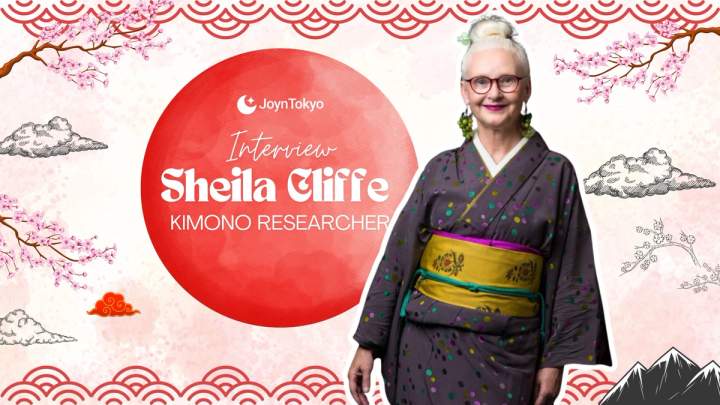
Sheila Cliffe on The Kimono Closet and the Stories Kimono Hold
Sheila Cliffe is a longtime kimono researcher and the author of Kimono Style. In her new book, The Kimono Closet, she looks beyond kimono as fashion or art objects and instead explores their deeper place in family life, memory, and identity. She spoke with JoynTokyo to give us an exclusive look at the new book,