
Shimbashi Guide: Top Things to Do in Tokyo’s Salaryman District
Known affectionately as the “holy ground for salarymen,” this bustling area offers a fascinating glimpse into Japan’s post-war economic engine, where office workers loosen their ties and unwind after long shifts. Located just south of the Imperial Palace and walking distance from the glitz of Ginza, Shimbashi serves as a gateway between old and new
Known affectionately as the “holy ground for salarymen,” this bustling area offers a fascinating glimpse into Japan’s post-war economic engine, where office workers loosen their ties and unwind after long shifts.
Located just south of the Imperial Palace and walking distance from the glitz of Ginza, Shimbashi serves as a gateway between old and new Tokyo.
This guide explores the best things to do in Shimbashi, covering its rich history, culinary delights, and practical travel tips to help you navigate the area like a local.
What is Shimbashi known for?
Shimbashi is most famous for its “salaryman” culture – a term referring to Japan’s white-collar office workers. As the sun sets, the streets fill with suits heading to their favorite watering holes. This atmosphere gives the district a nostalgic, down-to-earth vibe that contrasts sharply with the polished luxury of nearby Ginza or the futuristic feel of Odaiba.
Historically, Shimbashi holds significant importance as the birthplace of Japan’s railway system. It was the original terminus for the country’s first train line, which connected Tokyo to Yokohama in 1872. This legacy is preserved today through various monuments and reconstructed buildings that celebrate Japan’s modernization.
Top Attractions and Activities
While often viewed as a business district, Shimbashi offers several compelling attractions for travelers interested in history, architecture, and local culture.
SL Square (Steam Locomotive Plaza)
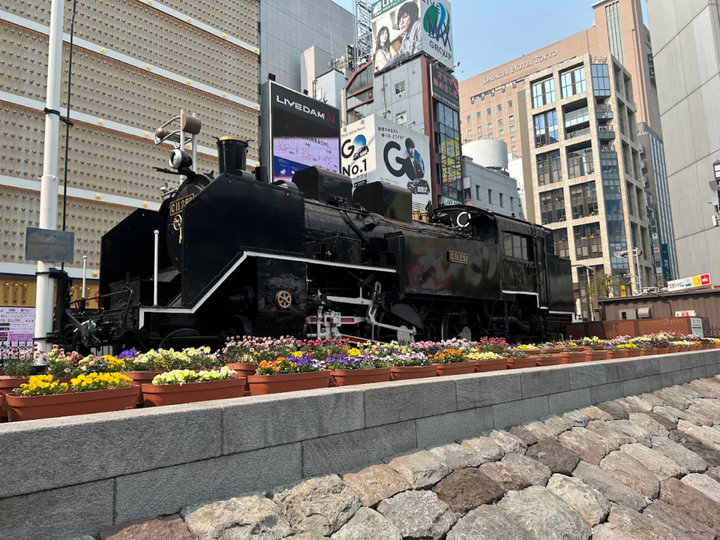
Directly outside the Hibiya Exit of JR Shimbashi Station sits one of the area’s most recognizable landmarks: a C11 model steam locomotive manufactured in 1945. This square, known as SL Plaza, is a popular meeting point for locals.
Old Shimbashi Station
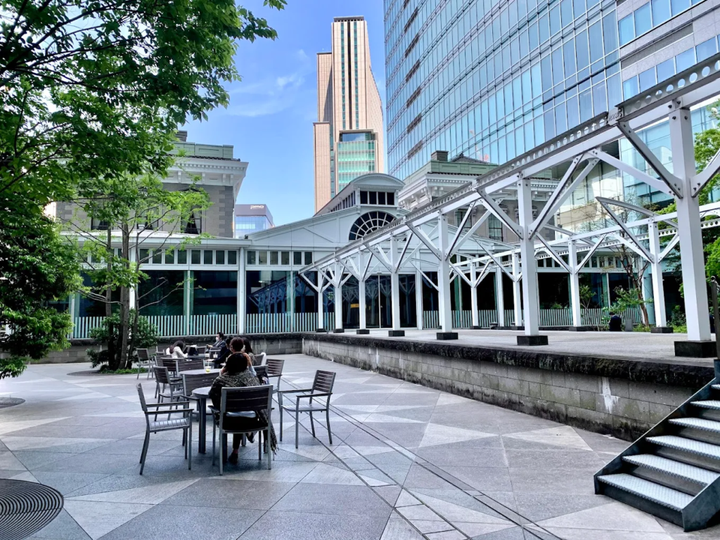
Railway enthusiasts should visit the reconstructed Old Shimbashi Station building. The original structure was demolished long ago, but this faithful reproduction stands on the same site, now part of the Shiodome Shiosite complex. It houses a railway history exhibition hall and a restaurant, offering a tangible link to the Meiji era when steam trains first puffed their way into the capital.
Hamarikyu Gardens
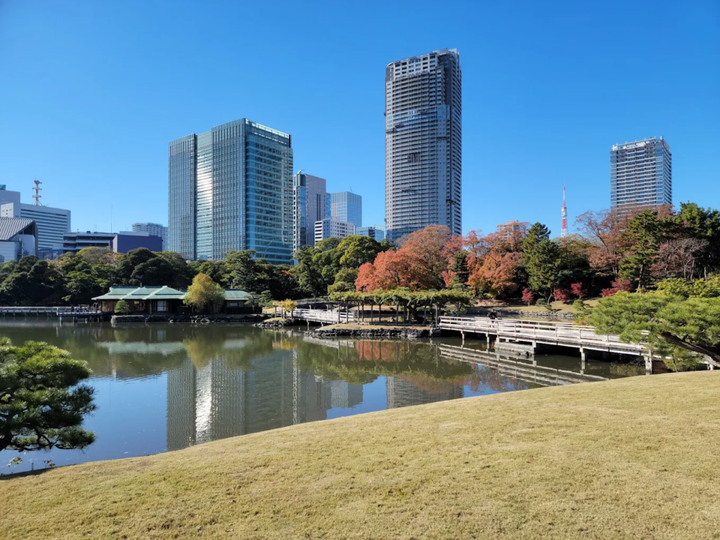
Just a short walk from Shimbashi Station, Hamarikyu Gardens offers a peaceful retreat from the urban sprawl. This expansive strolling garden dates back to the Edo period and features a unique seawater pond that changes level with the tides of Tokyo Bay. Visitors can enjoy matcha and Japanese sweets at the Nakajima-no-Chaya teahouse, located on an island in the middle of the pond, while admiring the contrast between ancient pines and modern skyscrapers in the background.
Karasumori Shrine
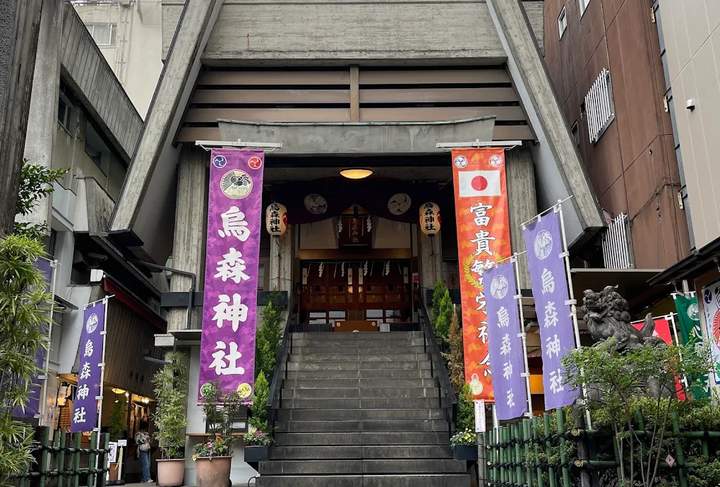
Tucked away near the station is Karasumori Shrine, a small but distinctive Shinto shrine known for its modern, concrete architecture. Despite its contemporary look, the shrine has a history spanning over a millennium. It is particularly popular among salarymen praying for business success and health. The shrine is also famous for its unique goshuin (stamped seals) featuring colorful designs that change with the seasons.
What to Eat in Shimbashi
The culinary scene here is defined by efficiency, affordability, and comfort. Shimbashi is a paradise for those who want to eat like a local without the tourist premiums found elsewhere.
Izakaya Alleys and Under the Tracks
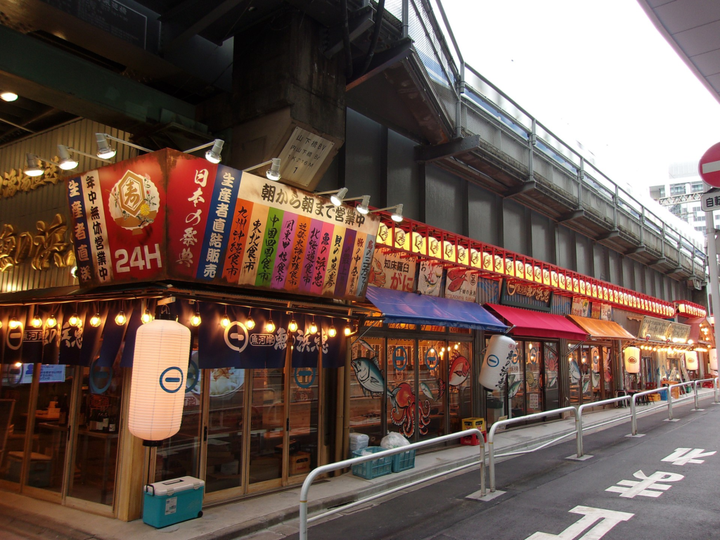
The quintessential Shimbashi dining experience happens under the elevated train tracks (known as gado-shita). Here, you will find rows of small izakaya (Japanese pubs) and yakitori joints. These establishments are often cramped, smoky, and loud, but the food is delicious and inexpensive. Grilled chicken skewers (yakitori), stewed beef tendons (nikomi), and fresh sashimi are staples.
The “New Shimbashi Building” across from the station is another hotspot. Its basement is a labyrinth of lunch counters and standing bars serving everything from hearty curry rice to crispy tempura.
Standing Sushi Bars
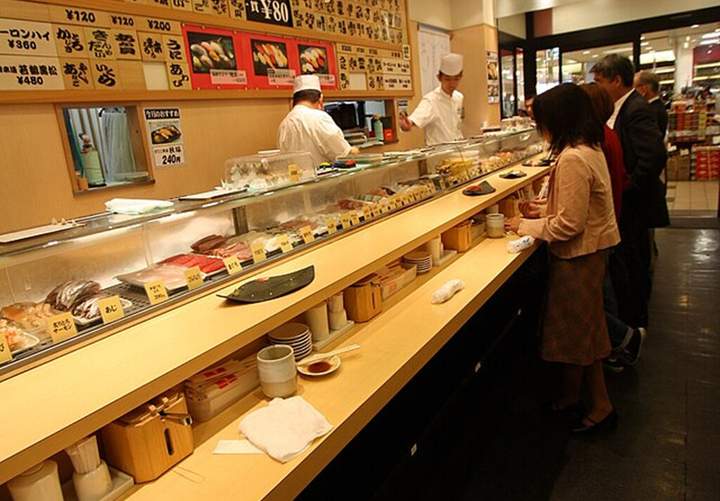
For sushi lovers on a budget, Shimbashi offers excellent tachigui (standing) sushi bars. These small venues serve high-quality fish at a fraction of the price of sit-down restaurants. It is a fast-paced environment where you eat, pay, and go – perfect for a quick solo meal.
Sake Plaza
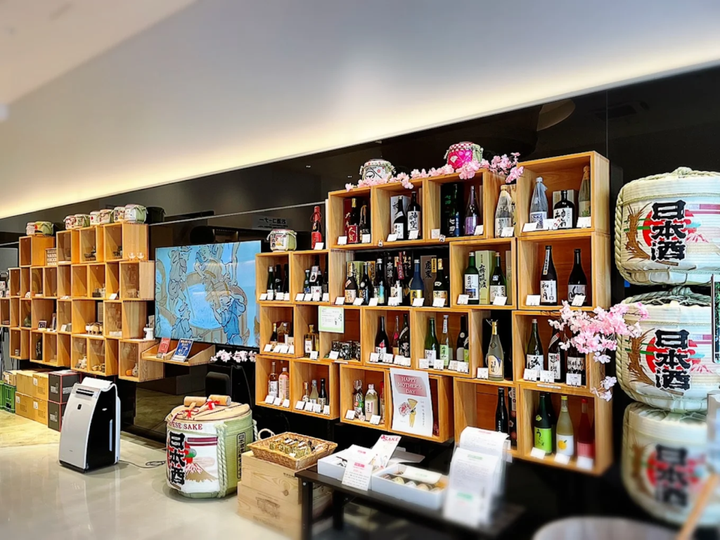
Located within the Japan Sake and Shochu Information Center, Sake Plaza is a must-visit for beverage enthusiasts. Managed by the Japan Sake and Shochu Makers Association, this facility functions as both a museum and a tasting bar. Visitors can learn about the brewing process and sample diverse varieties of sake and shochu from across Japan for a nominal fee.
Practical Travel Information
Navigating Tokyo’s complex transit system can be daunting, but Shimbashi is one of the most connected hubs in the city.
Is Shimbashi Station on the Yamanote Line?
Yes, Shimbashi Station is a major stop on the JR Yamanote Line, the loop line that connects Tokyo’s major city centers. This makes it incredibly accessible from popular areas like Shibuya, Shinjuku, and Tokyo Station.
In addition to the Yamanote Line, Shimbashi is served by:
- JR Lines: Keihin-Tohoku Line, Tokaido Line, and Yokosuka Line.
- Subways: Tokyo Metro Ginza Line and Toei Asakusa Line.
- Yurikamome Line: This automated transit line connects Shimbashi to the waterfront area of Odaiba, offering scenic views of the Rainbow Bridge.
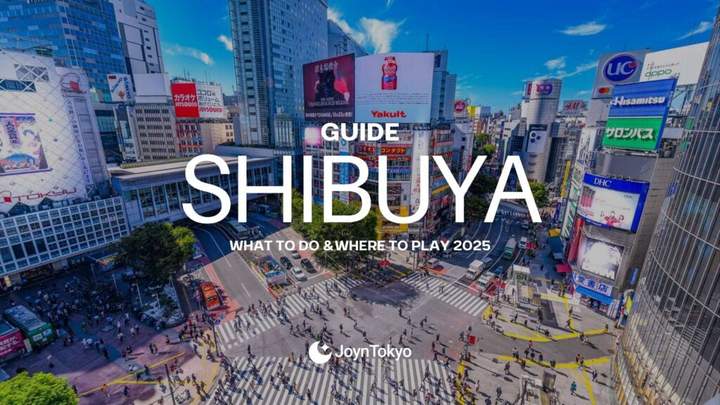
What to Do in Shibuya: Local Recommendations for 2025 on Where to Stay, Eat, and Explore
Is Shimbashi a good place to stay?
Shimbashi serves as an excellent base for travelers who prioritize convenience. Its central location puts you within walking distance of Ginza’s shopping and Tsukiji’s outer market. The direct train access to both Haneda and Narita airports (via the Asakusa Line) is a significant logistical advantage.
Accommodations here lean towards business hotels, which are clean, compact, and functional. While the area lacks the luxury resort feel of other districts, it offers great value. Travelers should note that because it is a business district, the vibe is much quieter on weekends compared to the frenetic energy of weekdays.
Is Shimbashi safe?
Like most of Tokyo, Shimbashi is safe for travelers. Violent crime is virtually non-existent. However, because it is a nightlife hub, you may encounter intoxicated individuals, especially on Friday nights. The area around the station can get crowded and rowdy, but it is generally harmless. Travelers should practice standard common sense, such as keeping an eye on belongings in crowded bars.
Next Steps for Your Visit
If you are planning a trip to Tokyo, consider dedicating an evening to Shimbashi. Start with a stroll through Hamarikyu Gardens in the late afternoon, then head towards the station as the city lights up. Wander through the alleys under the tracks, pick a lively izakaya, and raise a glass with the locals. It is an experience that offers a genuine connection to the daily life of the city.
For those interested in exploring further, the nearby Shiodome district offers a stark contrast with its futuristic skyscrapers and pedestrian walkways, proving that in Tokyo, the past and future are always just a few steps apart.
Related JoynTokyo reads

Ultimate Guide to Driving in Japan
A driver spent a week cruising Hokkaido and called it the most relaxing road trip of his life. Another took a mountain route from Kusatsu to Kanazawa and described it as “like being dialled into an F1 race car.” Both were experienced drivers. Both were in Japan. Both are right. Honestly, driving in Japan is

Cash vs Card in Japan: What Should You Use in 2026?
People who went to Japan five years ago will tell you cash is king. People who went last month will tell you they barely touched a note. Both are telling the truth, they just had different trips. The honest answer for 2026 is this: Japan has changed significantly. Most major establishments in cities now accept

Sheila Cliffe on The Kimono Closet and the Stories Kimono Hold
Sheila Cliffe is a longtime kimono researcher and the author of Kimono Style. In her new book, The Kimono Closet, she looks beyond kimono as fashion or art objects and instead explores their deeper place in family life, memory, and identity. She spoke with JoynTokyo to give us an exclusive look at the new book,