
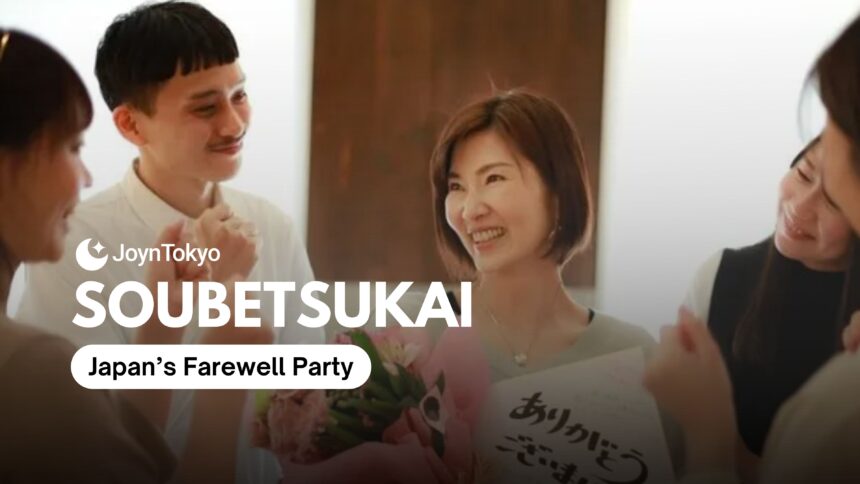


Soubetsukai (送別会) is one of Japan’s most heartfelt social traditions. These farewell gatherings are more than simple goodbyes, they reflect cultural values of respect, gratitude, and emotional connection. This guide explains what Soubetsukai represents, how it works, and why it remains such an important part of Japanese social life.
Understanding the Cultural Meaning of Soubetsukai
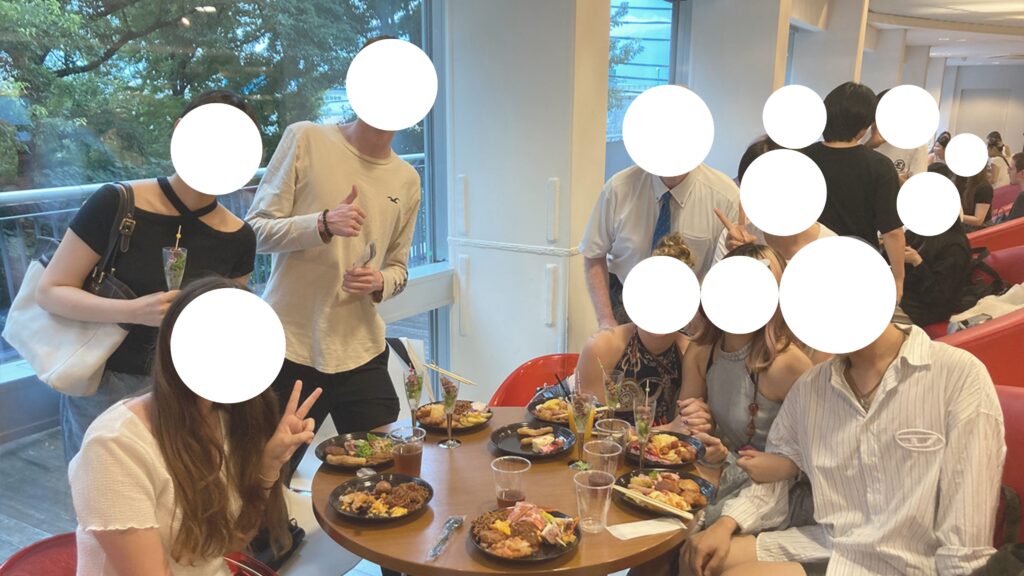
Soubetsukai plays an important role in acknowledging transitions with intention and warmth. Whether someone is leaving a workplace, school, or community group, the gathering is designed to honor their time within the group and wish them well as they move forward.
What Soubetsukai Means in Japanese Culture
Soubetsukai literally translates to “farewell gathering,” but the emotional tone is much deeper. These events highlight appreciation, shared experiences, and thoughtful encouragement for the next chapter ahead. Speeches, small gestures of gratitude, and a sense of collective unity create an atmosphere that is both structured and meaningful. This careful balance is part of what sets Soubetsukai apart from casual farewell parties seen in other cultures.
Soubetsukai Customs and What to Expect
Participating in a Soubetsukai becomes much easier when you understand the typical flow of the event. Although every workplace or community group has its own style, the structure tends to follow similar patterns. These customs help maintain the atmosphere of harmony and shared appreciation that defines the tradition.
The Flow of a Typical Soubetsukai Event
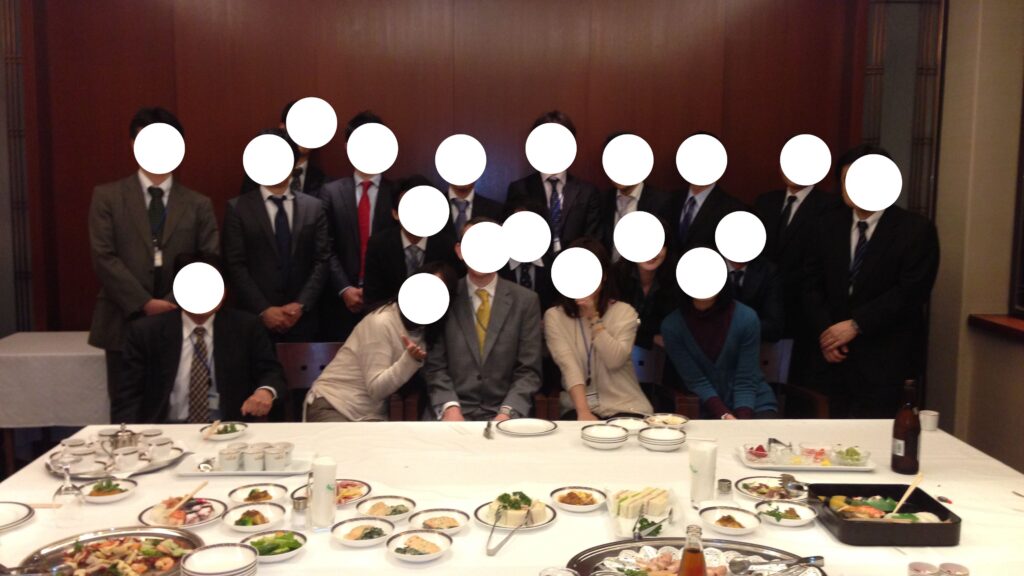
A Soubetsukai usually begins with an opening greeting from the organizer or a senior member, which sets the tone for the evening. Drinks typically begin only after the group says kanpai, a collective toast that marks the start of the gathering. Midway through, speeches begin, usually starting with senior members, followed by other participants, and ending with the departing person. The event concludes with a final toast or short closing gesture such as ippatsu-jime, reinforcing the group’s unity. This predictable flow helps participants relax and enjoy the evening without confusion.
Start Your Own Japan Journey With Expert Guidance
Most people never make it to Japan because the start is confusing and tiring. Wrong visa route. Underestimated budget. Months lost to confusion.
Get personalized support for your new life in Japan.
Book Your FREE Consultation✓ 500+ Bookings ✓ English-speaking Relocation Support Experts
Soubetsukai Speech Tips for Foreign Participants
Giving a speech at a Soubetsukai can feel intimidating for foreigners, especially in a formal setting. Fortunately, speeches at Soubetsukai do not need to be long or perfect. What matters most is sincerity and the willingness to express gratitude, even if your message is simple or delivered in English.
How to Create a Natural Soubetsukai Speech
A good Soubetsukai speech follows a straightforward structure that anyone can use. Begin by thanking the group for their support, then mention one or two memorable experiences that stood out during your time together. After that, share what you look forward to in the future and express your desire to stay connected. As long as your speech is warm and respectful, Japanese colleagues will genuinely appreciate your effort. You don’t need to worry about perfect Japanese, the sincerity behind your words is far more important.
Soubetsukai Gift-Giving and Etiquette
Gift-giving is another part of Soubetsukai culture, although it is not strictly required. A thoughtful gesture can make the farewell more meaningful, but the expectation varies depending on your role in the event. Understanding the basic etiquette helps ensure that your actions feel appropriate and well-received by others.
Proper Soubetsukai Manners for Foreigners
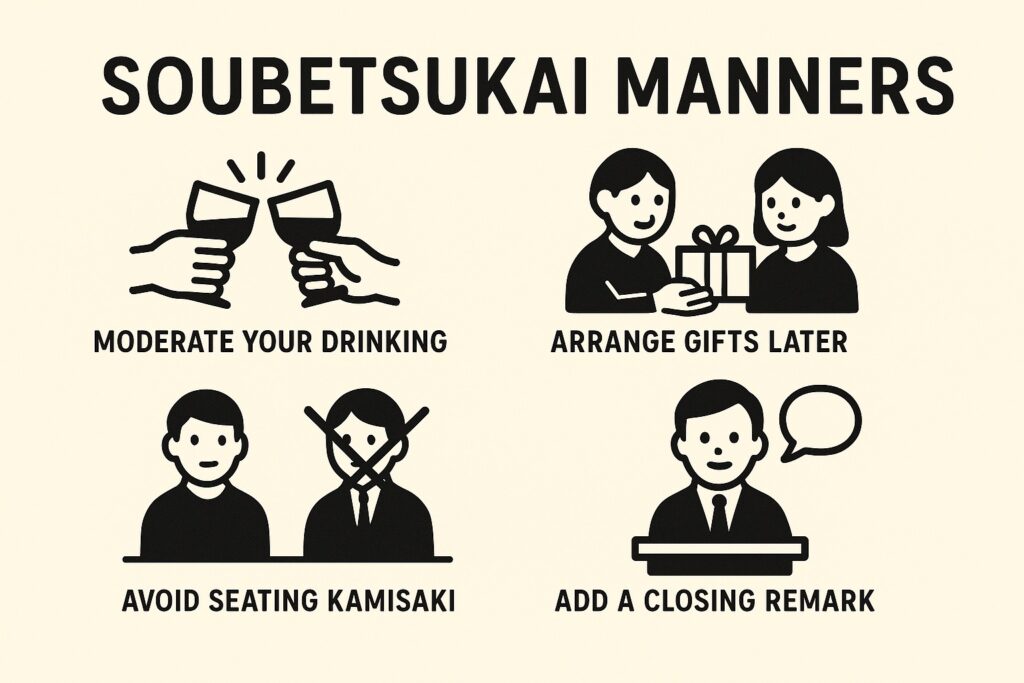
If you are the departing person, bringing a small token, such as sweets, stationery, or something from your home country, is a kind and culturally appreciated gesture. If you are simply attending the Soubetsukai, a personal gift is not necessary unless a group gift has been organized. Additionally, arriving on time, listening quietly during speeches, and refilling others’ glasses before your own are all considered polite behaviors. These small gestures reflect awareness of Japanese customs and help maintain a harmonious atmosphere.
Related Japanese Events Connected to Soubetsukai
Soubetsukai is part of Japan’s broader nomikai (drinking party) culture, which centers around marking transitions, building relationships, and strengthening group unity. By understanding related gatherings, foreigners gain a more complete picture of how Japanese communities welcome, support, and farewell their members.
How Kange-kai Relates to Soubetsukai
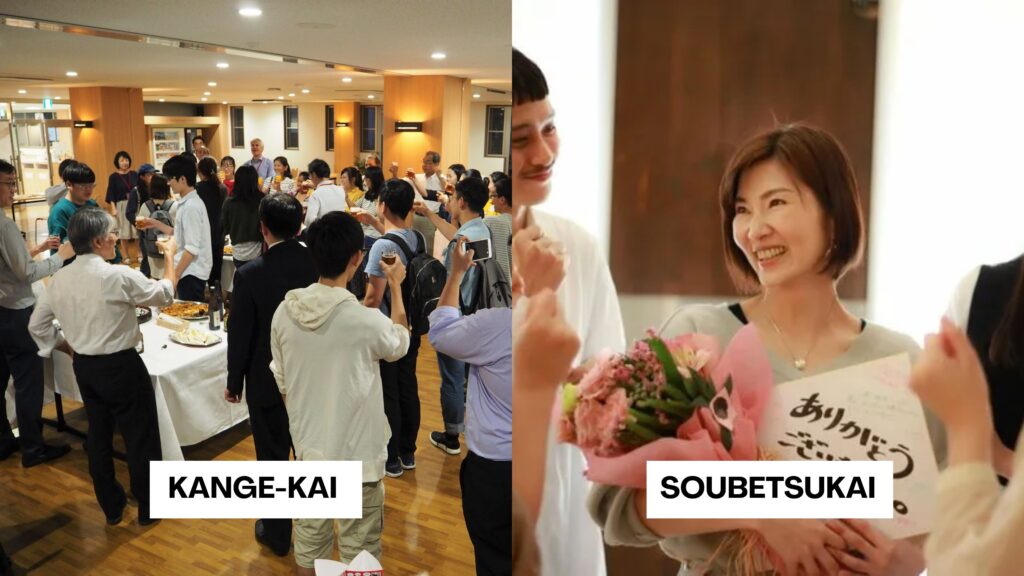
Kange-kai is essentially the opposite of Soubetsukai, serving as a welcome party for new members. During a Kange-kai, participants introduce themselves, share advice, and create a space where newcomers feel supported. Understanding Kange-kai alongside Soubetsukai helps foreigners recognize the social rhythm of joining and leaving groups in Japan. Both events emphasize connection, respect, and smooth transitions.
How Bonenkai Complements Soubetsukai Culture
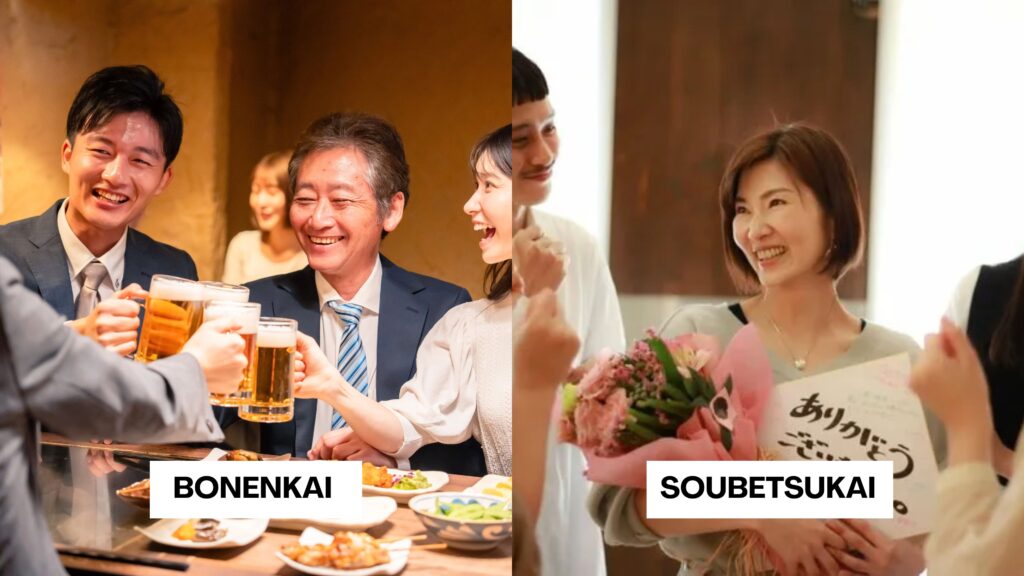
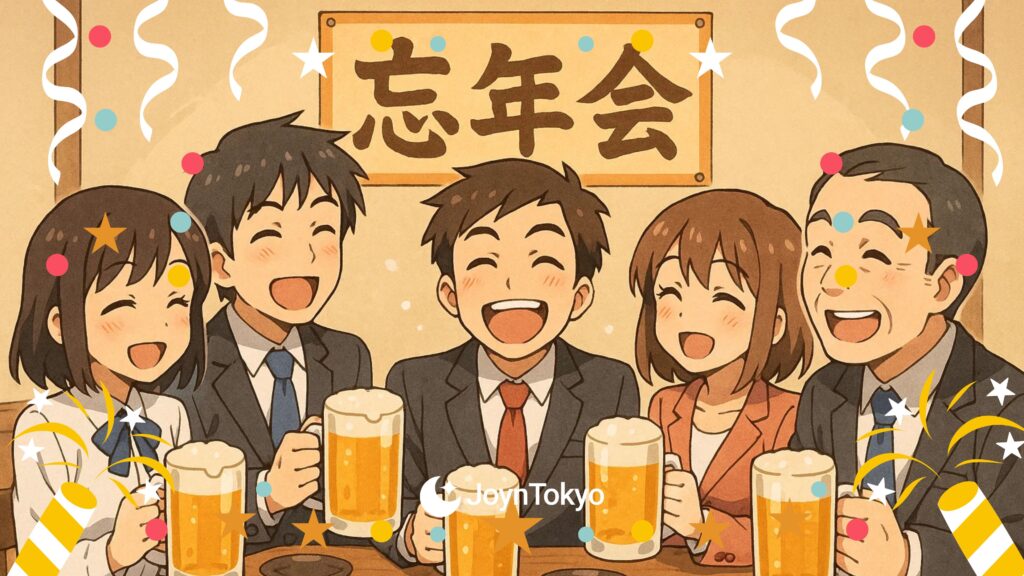
Bonenkai is the year-end party held in December, designed to “forget the hardships of the year.” While it differs from Soubetsukai in purpose, both events highlight Japan’s commitment to marking emotional and social milestones together. A Bonenkai is usually lively, with jokes and relaxed conversation, offering a contrast to the more reflective atmosphere of a Soubetsukai. Experiencing all three gatherings provides foreigners with a full view of Japan’s social calendar and communal traditions.
Read More
Why Soubetsukai Matters in Life in Japan
Soubetsukai reveals how deeply Japanese communities value respect, transitions, and shared memories. Participating in one highlights the importance placed on acknowledging change with grace rather than letting it pass quietly. The tradition enriches relationships, strengthens group bonds, and offers a gentle reminder of the care people extend to one another during important moments in life.
Read More