
Bank Accounts and Phone Numbers in Japan – The Final Keys to Daily Life
Once city hall registration is complete, two things suddenly become possible. Opening a bank account and getting a Japanese phone number. In Japan, they are foundations because rent payments, salaries, utilities, online services, and even basic identity verification all depend on them. This step in the roadmap explains how to approach both, which order makes
Once city hall registration is complete, two things suddenly become possible. Opening a bank account and getting a Japanese phone number. In Japan, they are foundations because rent payments, salaries, utilities, online services, and even basic identity verification all depend on them.
This step in the roadmap explains how to approach both, which order makes things easier, and which options are most realistic for newcomers.
Why These Two Things Are So Closely Linked
Banks and phone companies rely on each other for verification. Many banks want a Japanese phone number. Many phone companies want a Japanese bank account or credit card. Knowing which options work for foreigners saves time and frustration.
In most cases, getting a phone number first makes the banking process smoother.
Getting a Japanese Phone Number, Your Fastest Win
A Japanese phone number is often easier to obtain than a bank account, especially if you start with a SIM only or prepaid option. Physical stores can verify documents on the spot, which helps avoid online rejection loops.
Your visa length and residence status affect which plans you qualify for.
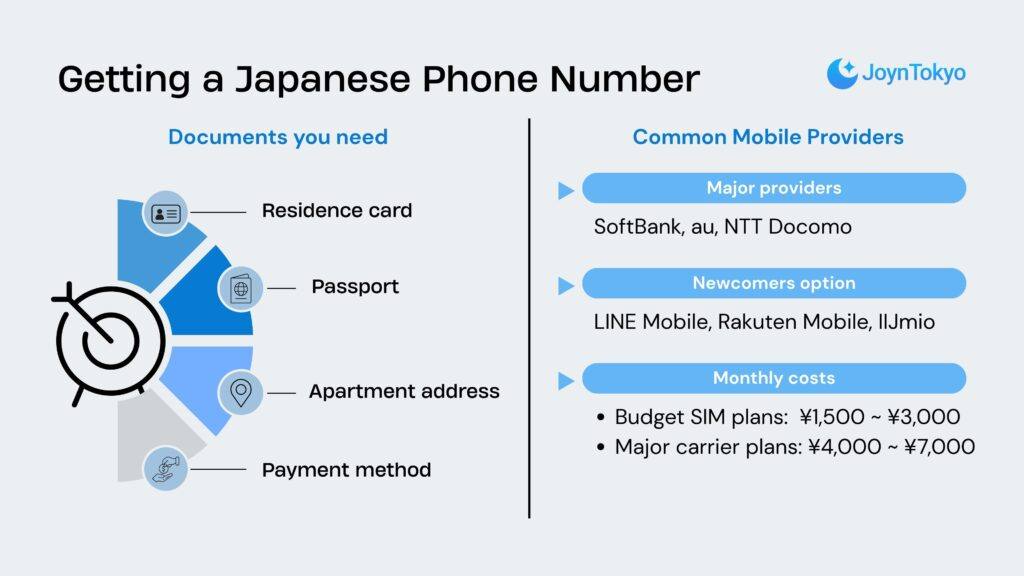
You will usually need
- Residence card
- Passport
- Registered address
- Payment method, depending on the provider
Common Mobile Providers and Why People Choose Them
Major providers include:
- SoftBank – Wide coverage and good foreigner support in stores
- au – Strong network quality and stable service
- NTT Docomo – Largest network and strong rural coverage
Common alternatives for newcomers include:
- LINE Mobile or LINEMO – Simpler plans and online signup
- Rakuten Mobile – Lower cost and easier entry for some foreigners
- IIJmio – Flexible SIM only plans with lower fees
Monthly costs vary by plan:
- Budget SIM plans, roughly ¥1,500 to ¥3,000 per month
- Major carrier plans, roughly ¥4,000 to ¥7,000 per month
Prepaid and SIM only plans are often the easiest starting point.
Opening a Bank Account
Most banks require that you have lived at your address for a short period, though policies vary.
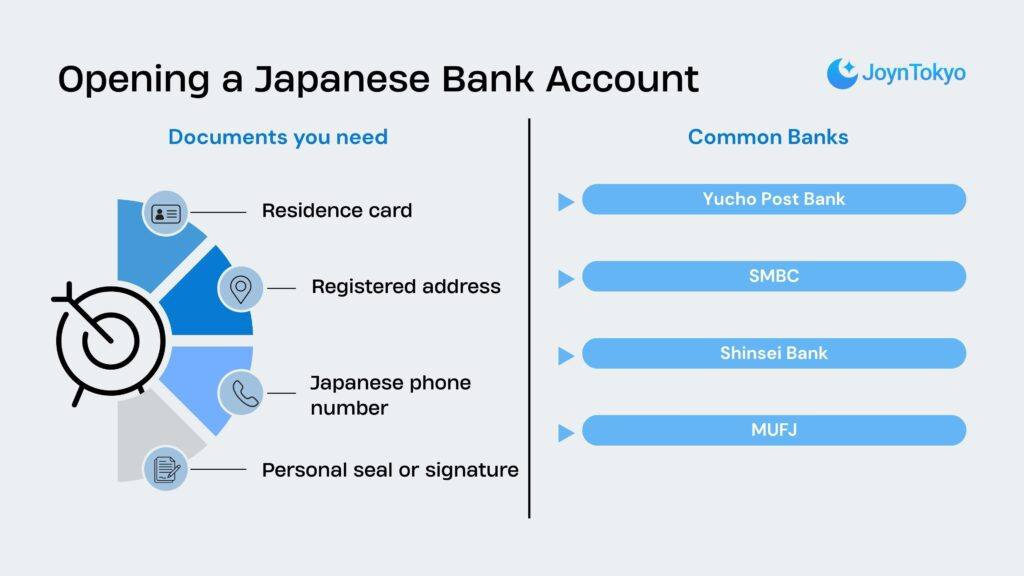
You will usually need:
- Residence card
- Passport
- Registered address
- Japanese phone number
- Personal seal or signature
Read More
How to Open a Bank Account in Japan – Step by Step Guide
Common Banks for Foreign Residents and Their Benefits
Japan Post Bank is one of the most accessible options. It has branches everywhere and relatively flexible requirements. It works well for receiving salary and paying bills, though online features are limited.
SMBC Prestia is designed for international clients. English support is strong and overseas transfers are easier. Minimum balance requirements may apply.
Shinsei Bank is popular with foreigners due to its English interface and international remittance options. It is often easier to use for online banking.
MUFJ is one of Japan’s largest banks. While not foreigner focused, it is widely accepted by employers and landlords. English support varies by branch.
Read More
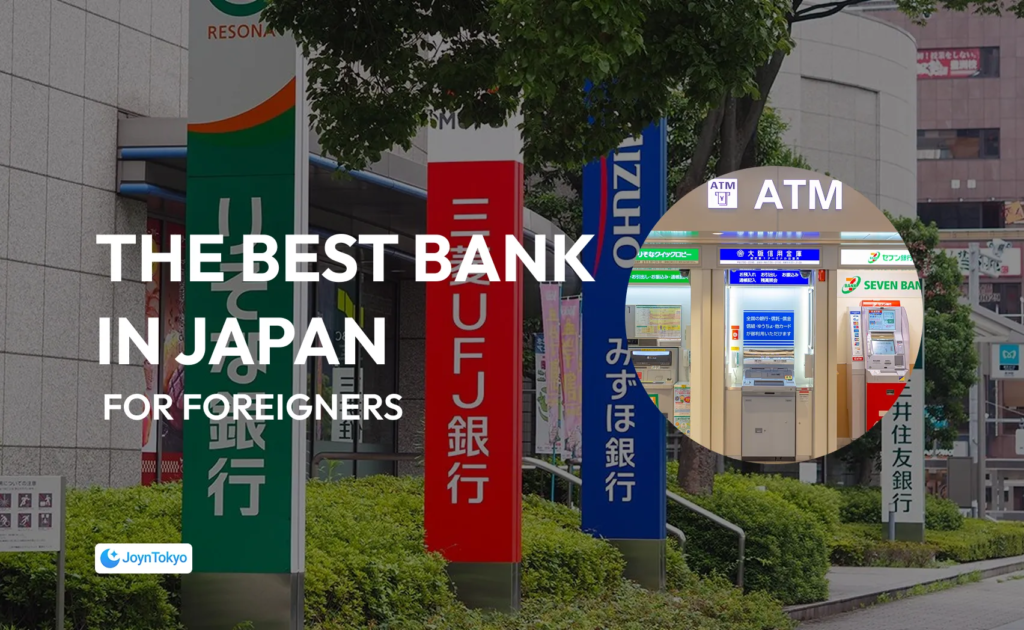
Best Banks in Japan for Foreigners
Common Reasons Applications Are Rejected
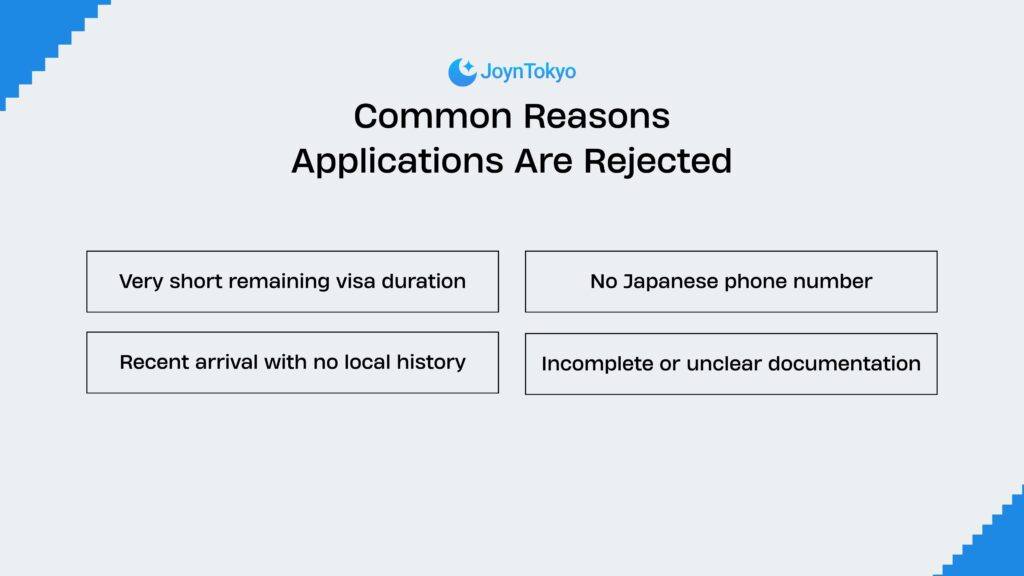
Rejection is frustrating but common. It usually comes down to risk policies rather than personal background.
Common issues include:
- Very short remaining visa duration
- No Japanese phone number
- Recent arrival with no local history
- Incomplete or unclear documentation
Trying another branch or bank often solves the issue.
Linking Your Bank Account to Daily Life
Once your account is open, you can set up automatic payments for rent and utilities, receive salary, and verify identity for many services. This single step unlocks much of Japan’s administrative system.
Choosing the Right Order and Expectations
For most newcomers, the smoothest path is phone number first, then bank account. Do not aim for perfection on day one. A basic setup that works is far better than waiting weeks for an ideal option.
- Sponsored -

Related JoynTokyo reads

Ultimate Guide to Driving in Japan
A driver spent a week cruising Hokkaido and called it the most relaxing road trip of his life. Another took a mountain route from Kusatsu to Kanazawa and described it as “like being dialled into an F1 race car.” Both were experienced drivers. Both were in Japan. Both are right. Honestly, driving in Japan is

Cash vs Card in Japan: What Should You Use in 2026?
People who went to Japan five years ago will tell you cash is king. People who went last month will tell you they barely touched a note. Both are telling the truth, they just had different trips. The honest answer for 2026 is this: Japan has changed significantly. Most major establishments in cities now accept

Sheila Cliffe on The Kimono Closet and the Stories Kimono Hold
Sheila Cliffe is a longtime kimono researcher and the author of Kimono Style. In her new book, The Kimono Closet, she looks beyond kimono as fashion or art objects and instead explores their deeper place in family life, memory, and identity. She spoke with JoynTokyo to give us an exclusive look at the new book,