
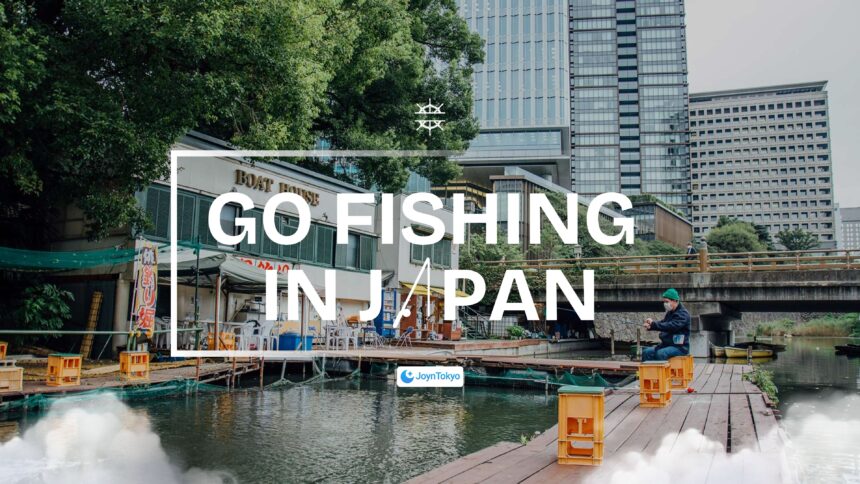


Fishing in Japan: Seasons, Styles, and Essential Tips for Foreign Residents

Long Hoang

Japan’s waterways run through misty mountain valleys, dense cities, and straight into the Pacific. Creeks, canals, bays, and open ocean all sit within reach. That range is what makes fishing in Japan so quietly addictive. This guide breaks down seasons, licences, styles, and everyday etiquette, so you can fish with confidence and not feel like the awkward outsider on the pier.

Why Fishing Is a National Pastime

Fishing threads together rural memory and modern routine in Japan. You see it in grandfathers standing knee deep in rivers, and in office workers casting lines before sunrise in Tokyo Bay. Seafood sits at the heart of daily meals, so the love for fishing feels almost inevitable.

If you already enjoy fishing, you will find familiar rhythms here. If you are new, Japan is a surprisingly gentle place to start.

Community Roots

source: 朝日新聞 - Salmon return to Hokkaido
source: 朝日新聞 – Salmon return to Hokkaido

Local festivals often follow the calendar of the catch. In 北海道, autumn salmon runs turn rivers into gathering places, complete with grills and shared meals. Newcomers who show respect are often welcomed into these moments, turning a quiet day of fishing into something more social.

Modern Gear Culture

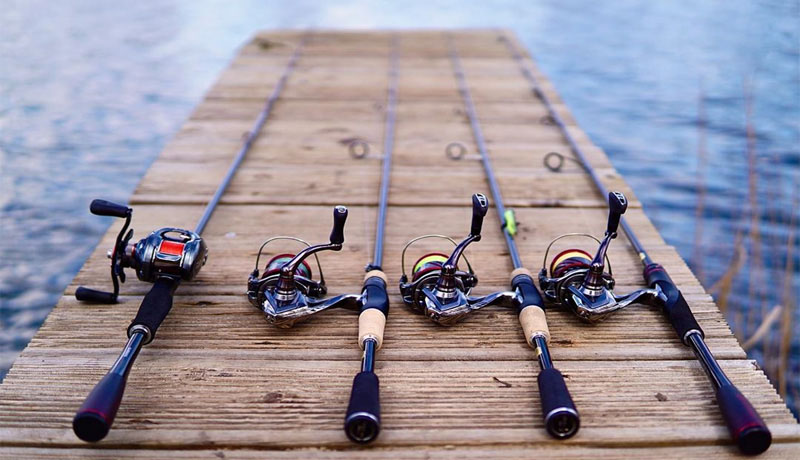
fishing in japan - image 153 1

Japan’s love of precision shows up in tackle shops. High end Shimano reels sit beside traditional bamboo tenkara rods. Weekend meetups and informal English friendly fishing groups also exist, making it easier for expats to find their footing without feeling lost.

Seasons and Target Species

Japan stretches more than 3,000 kilometers north to south. That distance means something is always in season somewhere, and planning around peak months makes a noticeable difference.

Spring (Mar – May): Trout Beneath the Blossoms

source: NDOW
source: NDOW

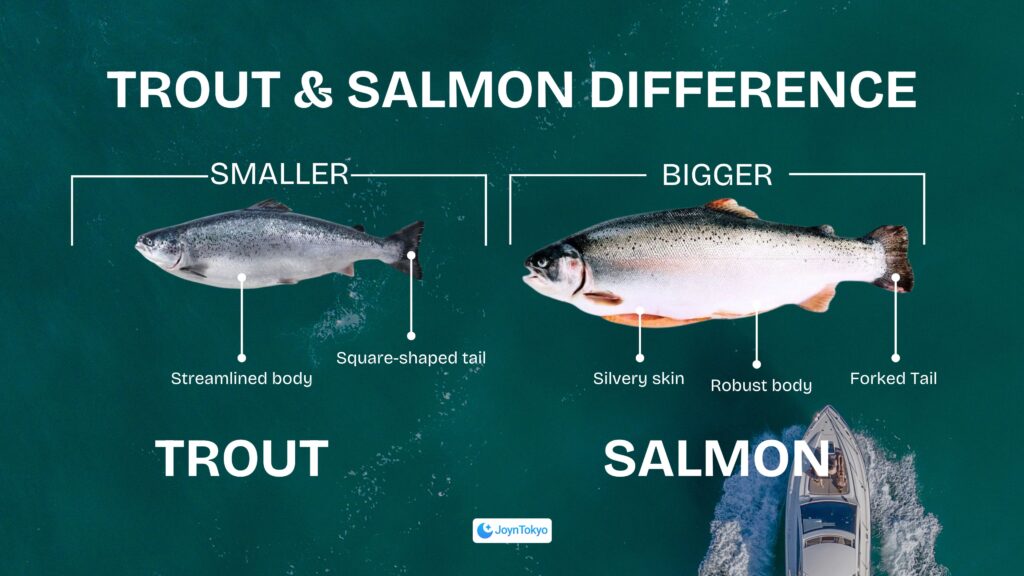
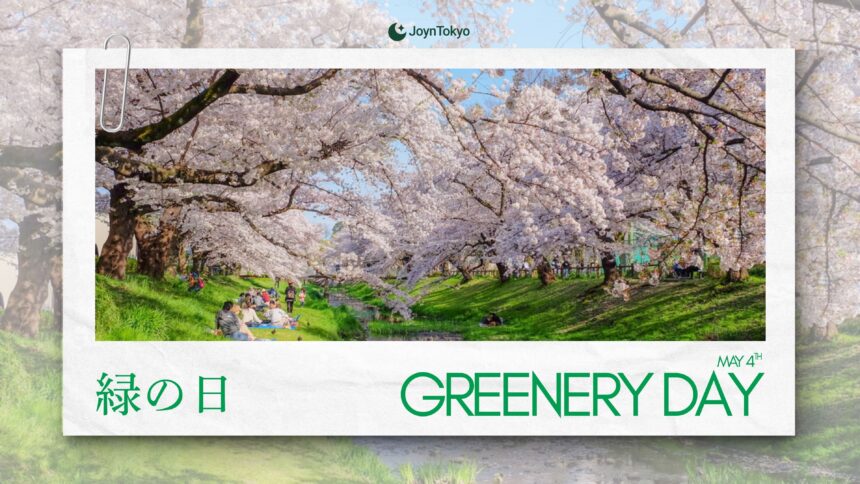
As snow melt feeds clear mountain streams, yamame and iwana trout become active. Spring fishing often overlaps with cherry blossom season, which makes even a slow day feel worthwhile. Day permits are usually inexpensive and sold locally near rivers.

fishing in japan - JOYNTOKYO 7

Summer (Jun – Aug): Saltwater Bonanza

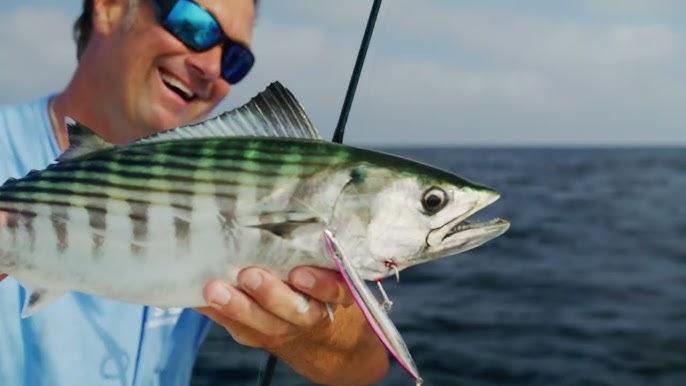
source: Saltwater Underground with Nick Honachefsky

Warm currents bring mackerel, yellowtail, and mahi mahi closer to shore. In places like Osaka and Kagoshima, night pier fishing becomes popular, with lights reflecting on the water and steady bites after dark.

Autumn (Sep – Nov): Ayu in Alpine Rivers

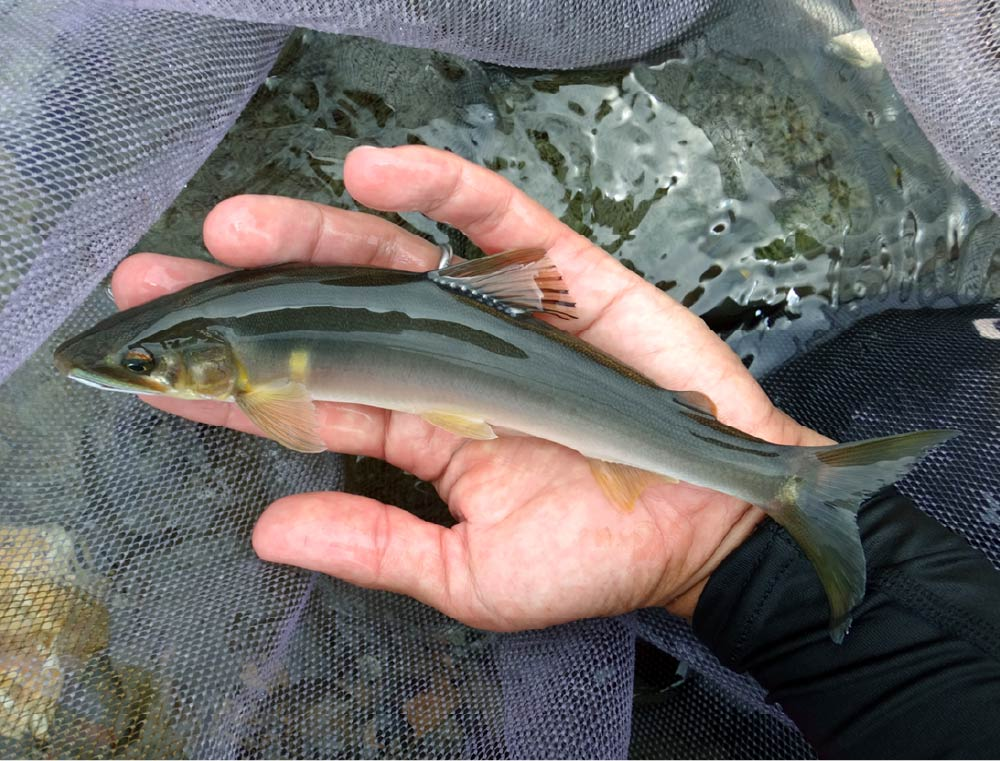
source: Ayu of Nagara River system

These months are THE time to angle for sweetfish. After you get your catch, the best way to enjoy your haul is to skewered it over a grill, or, indeed, over a fire!

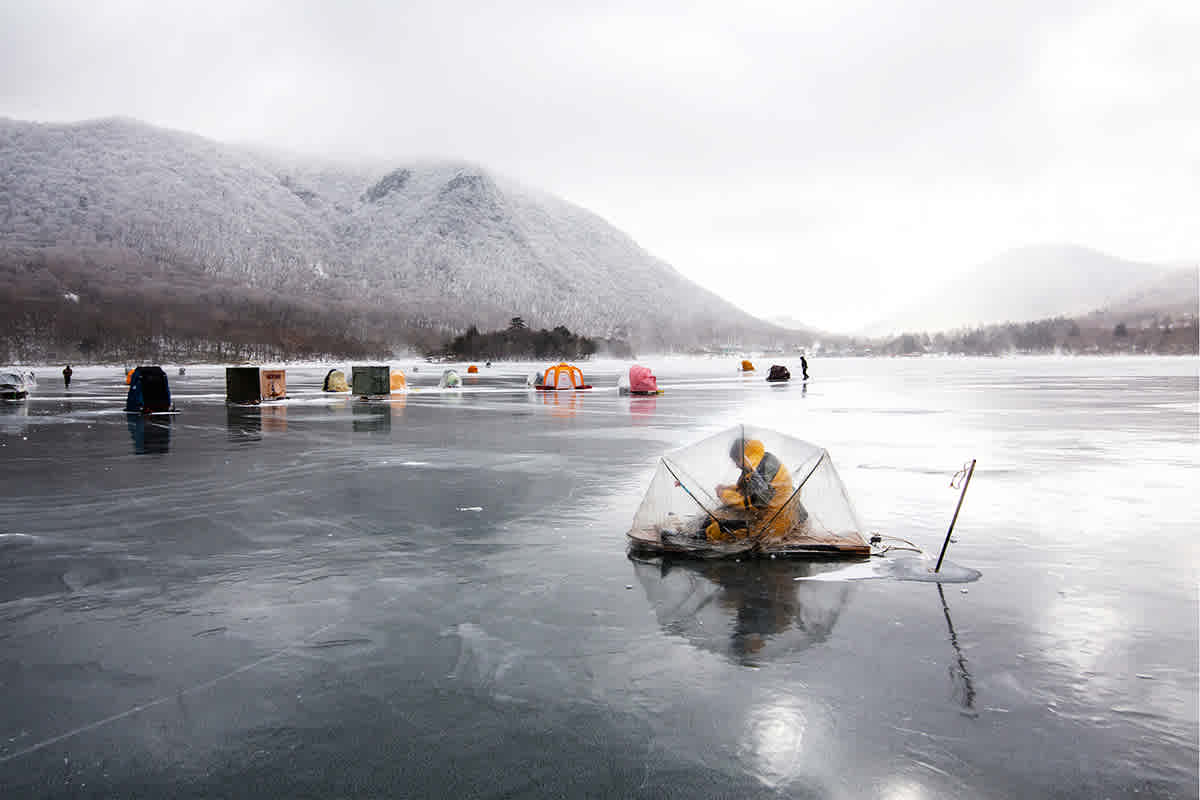
Winter (Dec – Feb): Ice-Fishing for Wakasagi

source: Visit Gunma
source: Visit Gunma

In Nagano and Hokkaido, frozen lakes open for wakasagi fishing. Rental huts are heated, gear is provided, and some spots even let you fry your catch immediately. Cold air, warm hands, and fresh tempura make winter fishing surprisingly comfortable.

Fishing here adapts easily to different lifestyles, which explains its broad appeal. Some people treat it as a quiet weekend ritual, others squeeze it between shifts or family obligations. Japan has room for all of it, and the fishing styles reflect that flexibility.

Freshwater Rivers and Lakes

source: Fishing Booker

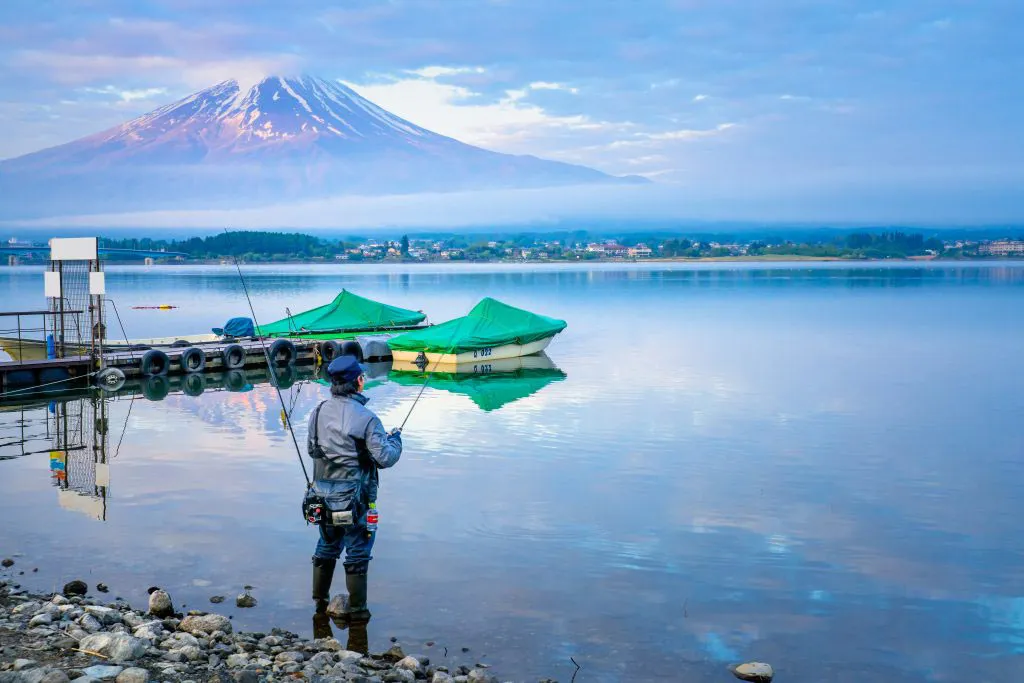
The population of catch-and-release fly anglers is growing, yet many still keep a fish or two for dinner. Remember to rinse your boots before leaving, because manypaths are shared community spaces.

Shore and Pier Hotspots

Urban piers charge under ¥1,000, and also rent rods! A sabiki rig can fill a bucket with sardines in Yokohama within minutes.

Deep-Sea Charters

Book a fune-tsuri boat (¥12 000–¥18 000 half-day) from Tokyo, Shizuoka, or Okinawa. Skippers supply tackle, bait, and filleting services.

Urban Angling in Tokyo

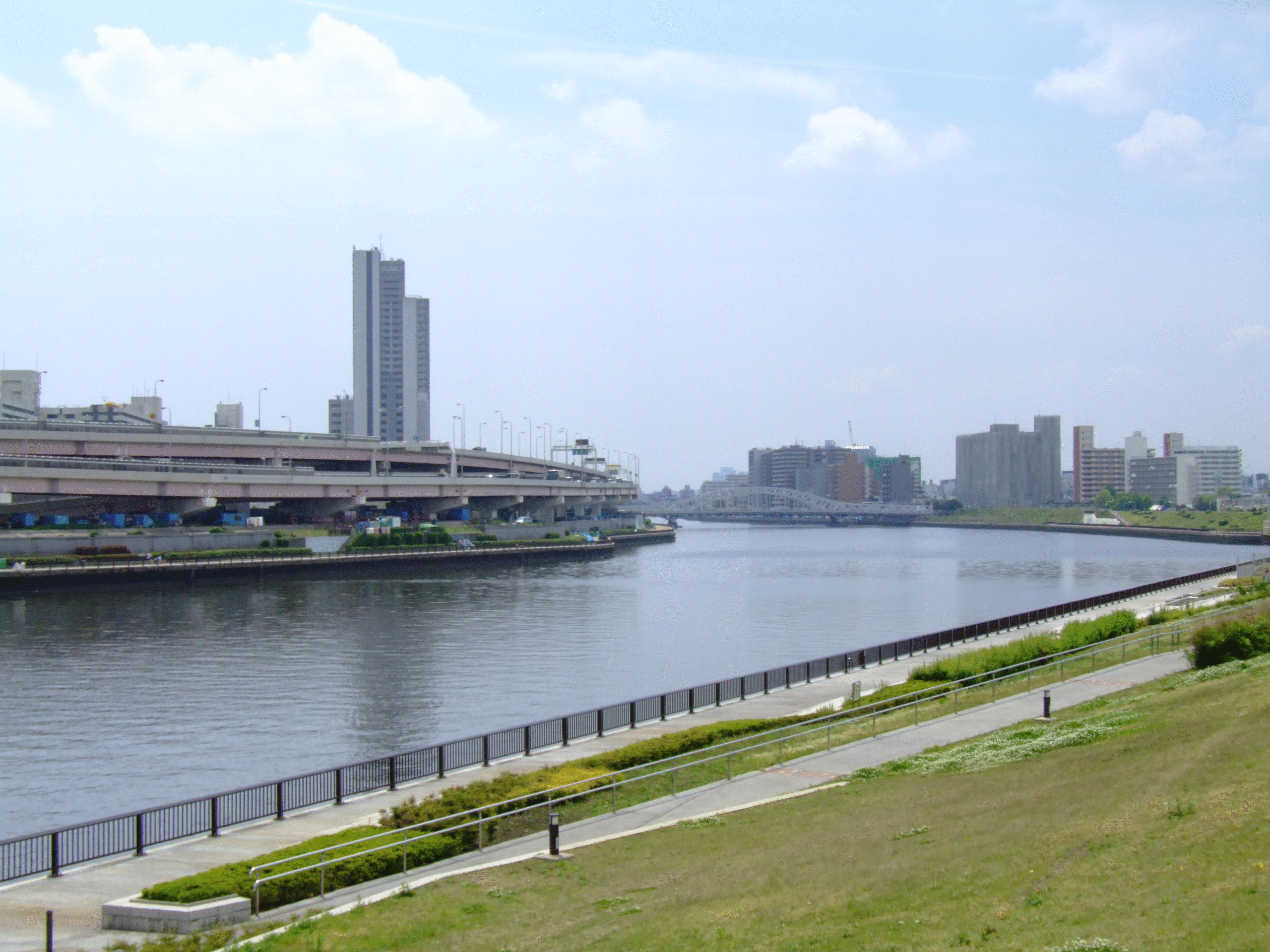
Fishing in Tokyo feels oddly normal once you see it. Amid concrete embankments and train bridges, anglers stand quietly, casting into tidal rivers and canals as if they were far from the city.

Tidal Rivers and Canals

Arakawa River
Arakawa River

Sea bass migrate up the Arakawa and Tamagawa on spring tides. Locals will often cast soft plastics beneath bridge lights after coming home from a tough day at work.

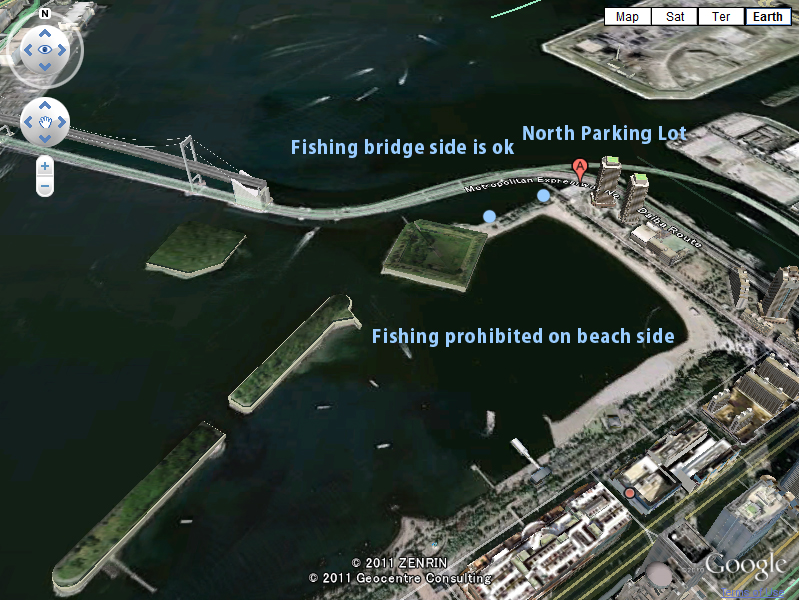
source: Tokyo Fly Fishing & Country Club - Odaiba fishing area
source: Tokyo Fly Fishing & Country Club – Odaiba fishing area

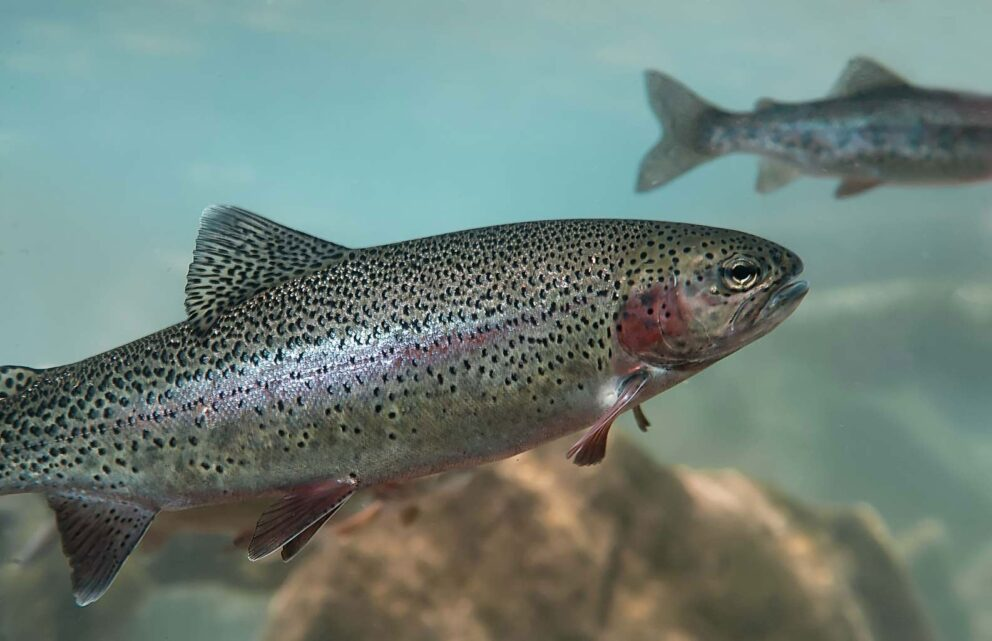
Shinjuku and Odaiba ponds stock rainbow trout and grill catches on site which is ideal for beginners.

Chartering Tokyo Bay

消息来源

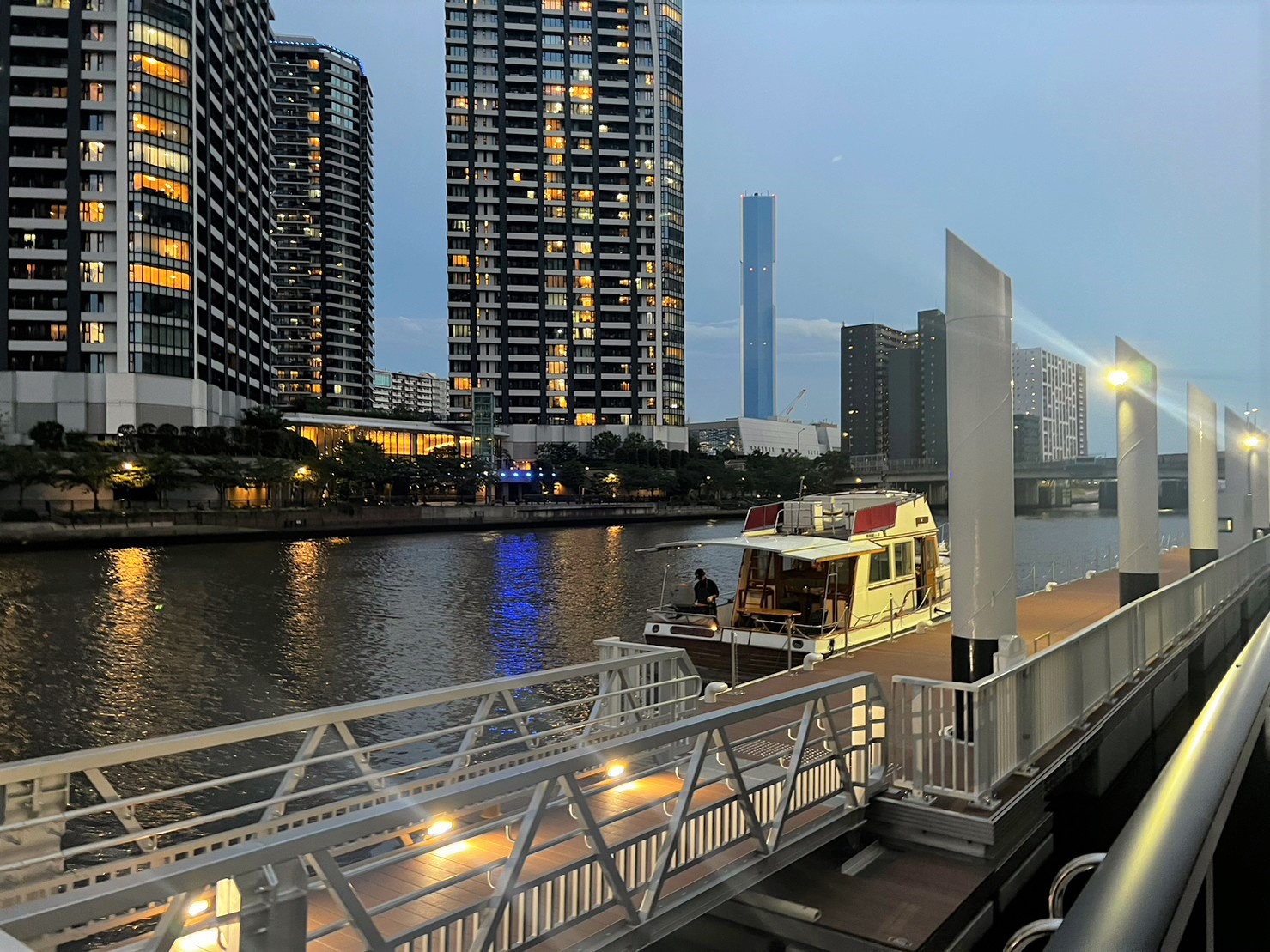
Half-day boats are available to chase flounder or snapper from Kachidoki Pier. Crews speak basic English and pack your fillets for sashimi.

Fishing in Japan is welcoming, but it is also structured. Knowing which licences apply, and when, helps you avoid awkward moments and keeps local fishing communities on your side.

River fishing licences

Freshwater rivers and streams are managed by prefectural fishing cooperatives. If you plan to fish rivers or mountain lakes, you will need a licence issued by the local cooperative that oversees that stretch of water. These are usually available as one day, seasonal, or annual permits and are sold at nearby tackle shops, roadside stations, convenience stores, or online.

Once purchased, the licence badge should be clearly visible while fishing. This is not optional. Local wardens do check, especially during peak seasons, and they tend to be polite but firm. Paying the small fee supports river maintenance and fish stock management, which is why locals take it seriously.

Sea fishing regulations

Ocean and coastal fishing does not require a licence, but it is not a free for all. Size limits and seasonal restrictions still apply, and undersized fish must be released immediately. For example, flounder below the legal length cannot be kept, even if caught accidentally.

Coast Guard inspections around ports and popular docks are common, particularly in urban areas. These checks focus on safety, legal catch sizes, and protected zones. As long as you follow posted rules and respect limits, sea fishing remains straightforward.

Conclusion

Fishing in Japan rewards patience, awareness, and small acts of respect. Learn the local rules, secure the right licence, and pay attention to how others use the water around you. Do that, and fishing quickly becomes more than a hobby. It turns into a way of slowing down, observing seasons, and feeling quietly connected to the place you live.

The catch matters, of course. But in Japan, the rhythm of the water and the shared understanding on the shoreline matter just as much.

分享本文
Long 是一位居住在东京的设计师。他来日本两年了,非常喜欢这里的文化和日常生活。周末,他喜欢去咖啡馆,探索东京的当地街区,还喜欢去日本各地旅行。他最喜欢的电影是吉卜力工作室的《千与千寻》。Long 毕业于东京国际大学(TIU),主修商业。他喜欢与他人分享日本好玩有趣的事情。Long 目前在一家日本营销公司担任用户体验/用户界面设计师。他的作品集可以在这里找到: https://lshoang.webflow.io/.