




Visiting a Shinto shrine is one of the most enriching cultural experiences for foreigners living in Japan. The practice of omairi, making a respectful visit to a shrine, provides a moment of reflection while helping you connect with Japan’s cultural rhythms. Understanding how omairi works allows you to participate confidently and meaningfully, whether you are new to the country or already settling into daily life.
Understanding the Cultural Meaning of Omairi
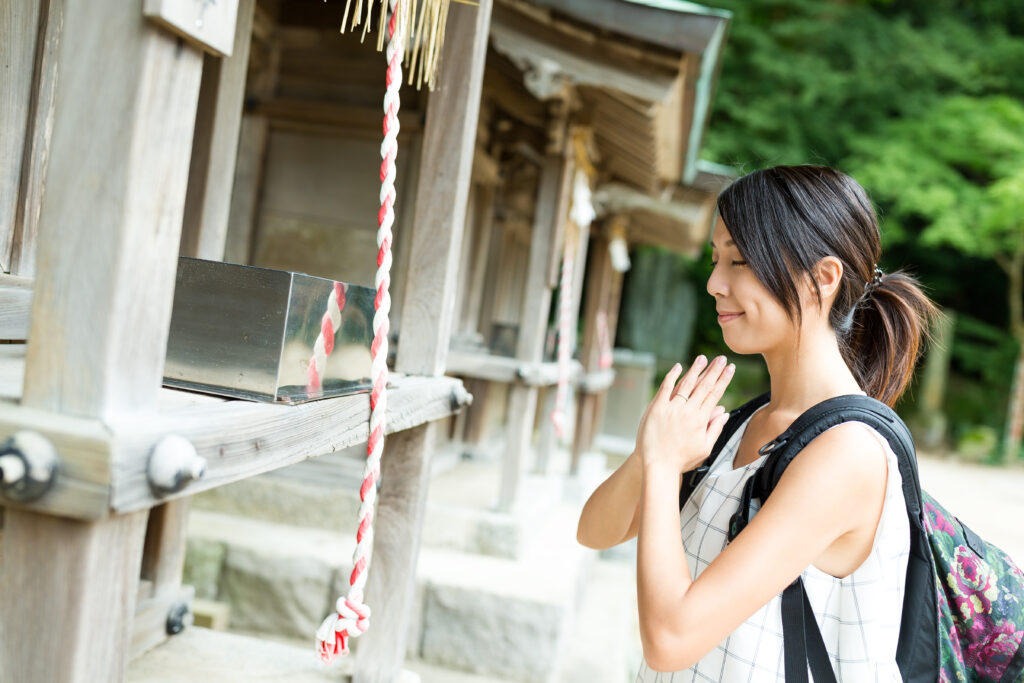
Omairi is more than a simple ritual; it is a practice deeply connected to Japan’s worldview and values. Learning its meaning provides insight into how Japanese people express gratitude, connect with nature, and observe important life moments. Before exploring etiquette, understanding this cultural foundation helps create a respectful mindset.
What Omairi Means in Japanese Culture
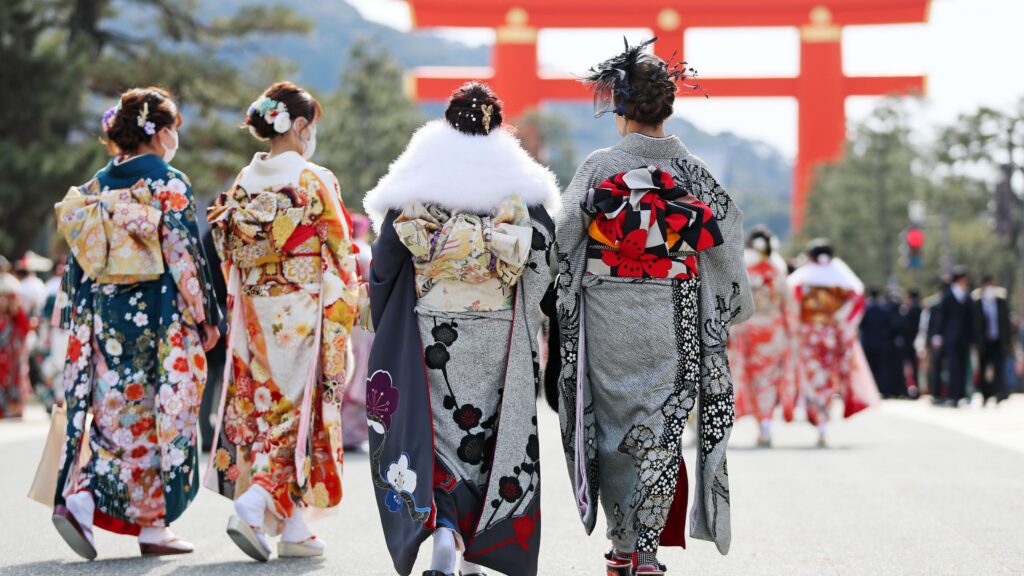
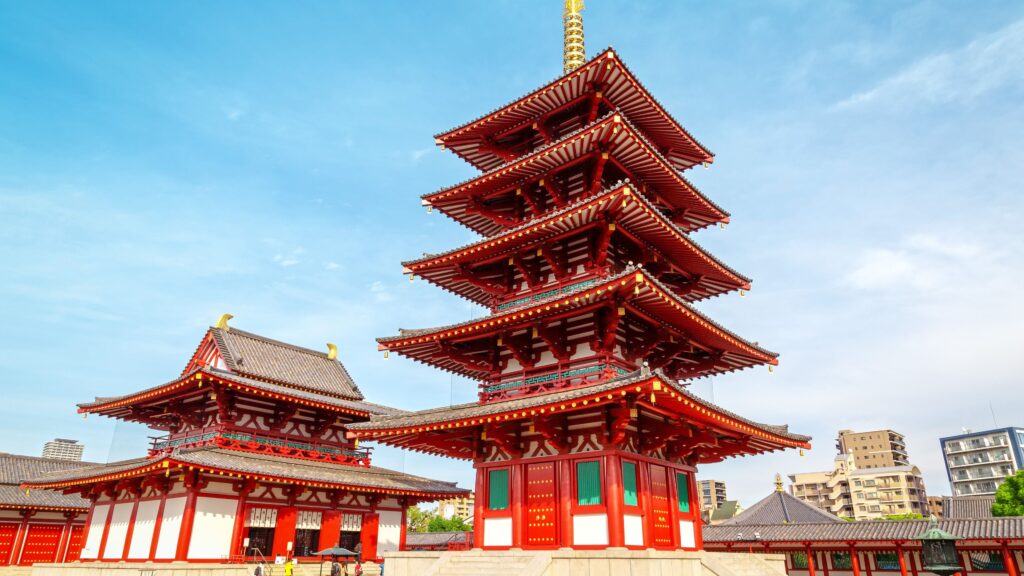
Omairi refers to visiting a shrine or temple to offer prayers, show gratitude, or reflect on personal events. Although shrines belong to Shintoism and temples to Buddhism, many Japanese people visit both without strong religious identity. For this reason, omairi is accessible and meaningful to foreign residents as well, making it a cultural rather than strictly religious practice.
Read More

The Connection Between Omairi and Shintoism
Shintoism centers on harmony with nature and the presence of kami, divine spirits believed to inhabit natural elements. Visiting a shrine allows individuals to realign with purity and express appreciation toward these unseen forces. This connection explains why rituals such as hatsumode and seasonal festivals remain key elements of Japanese cultural life.
Read More

How to Perform Omairi at a Shinto Shrine
The process of omairi follows a simple but intentional sequence. Each step is designed to prepare your mindset and show respect toward the sacred space. Learning the flow helps prevent confusion and makes your visit feel both natural and meaningful.
Purifying at the Temizuya for Omairi
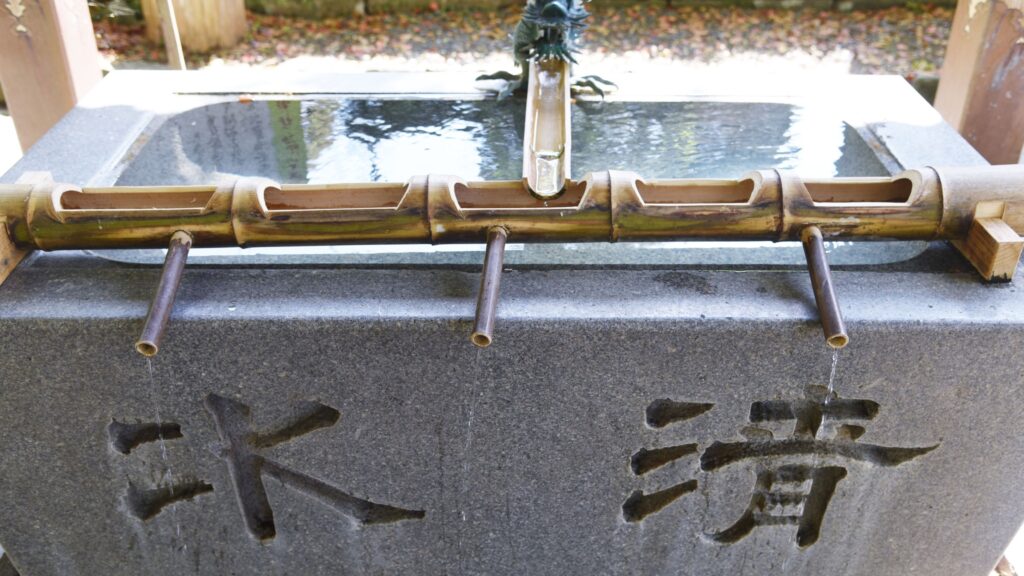
The temizuya, or water pavilion, is where visitors perform a symbolic cleansing before approaching the shrine. You begin by rinsing your left hand, then your right, and then gently rinsing your mouth with water poured into your hand. The ritual ends with one final rinse of your left hand and tilting the ladle upright to purify the handle, creating a moment of calm before entering the sacred area.
Approaching the Haiden and Offering a Prayer for Omairi
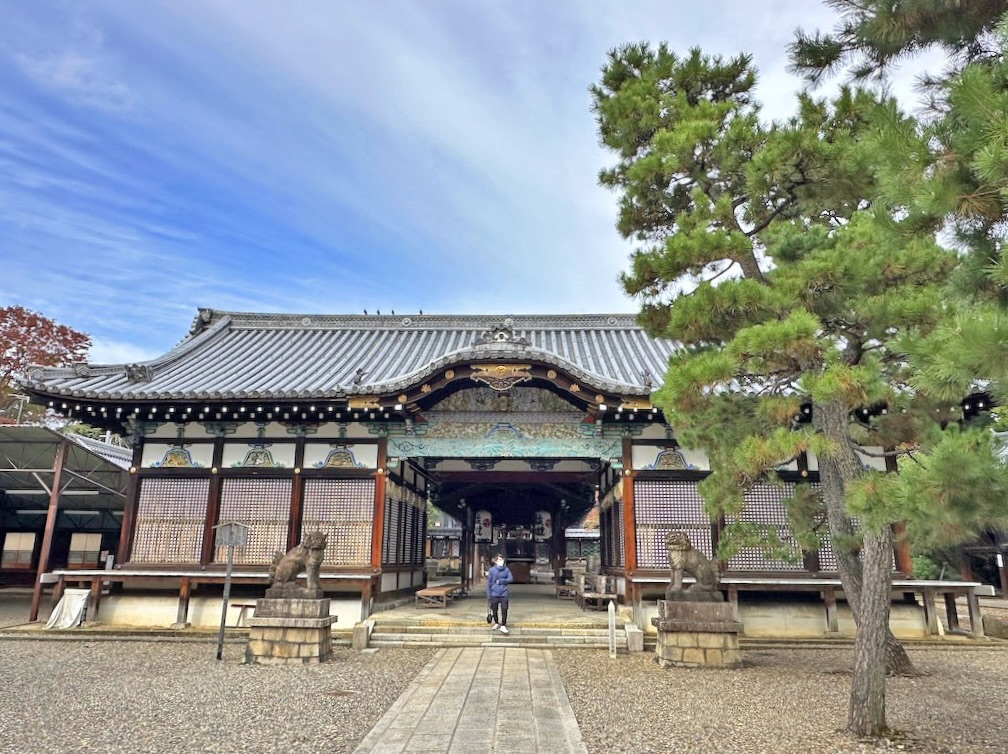
After purification, walk toward the haiden, the main worship hall. The traditional prayer method—two bows, two claps, one bow—is easy to follow and universally recognized across shrines. Your prayer may be a wish, a message of gratitude, or a quiet moment of reflection, with sincerity mattering more than perfect technique.
Start Your Own Japan Journey With Expert Guidance
Most people never make it to Japan because the start is confusing and tiring. Wrong visa route. Underestimated budget. Months lost to confusion.
Get personalized support for your new life in Japan.
Book Your FREE Consultation✓ 500+ Bookings ✓ English-speaking Relocation Support Experts
Understanding Shrine Charms and Offerings for Omairi
Shrines offer small but meaningful items that reflect visitors’ hopes, concerns, and life goals. Each item has a specific purpose and carries spiritual symbolism. These charms are not souvenirs but tools for reflection, protection, and connection to the shrine’s traditions.
Omikuji: Fortune Slips
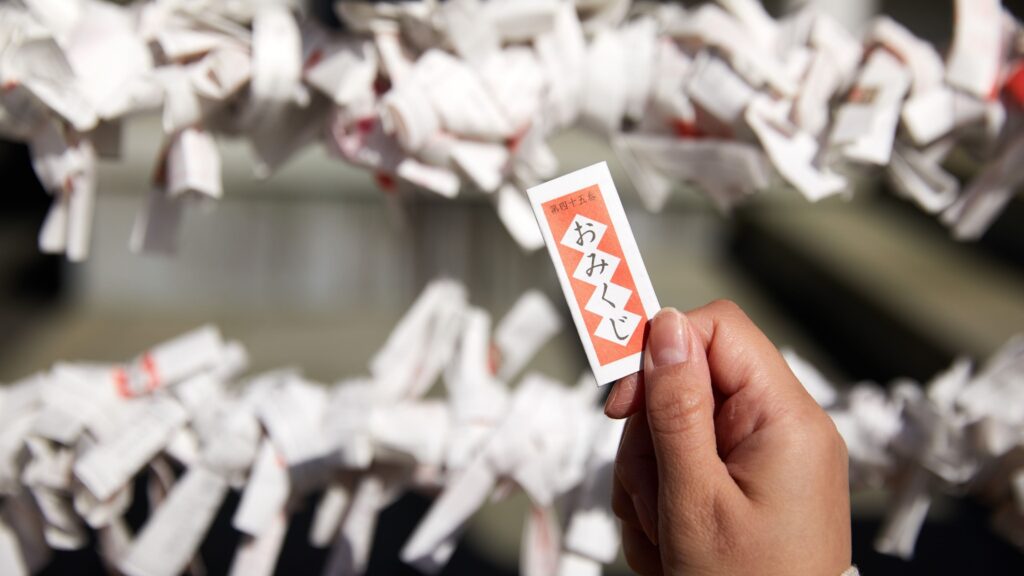
Omikuji are written fortunes that range from great blessings to minor warnings. Visitors often keep good fortunes or tie negative ones at designated racks to symbolically leave the misfortune behind. The act becomes a moment of personal reflection and lighthearted guidance.
Ema: Wooden Prayer Plaques
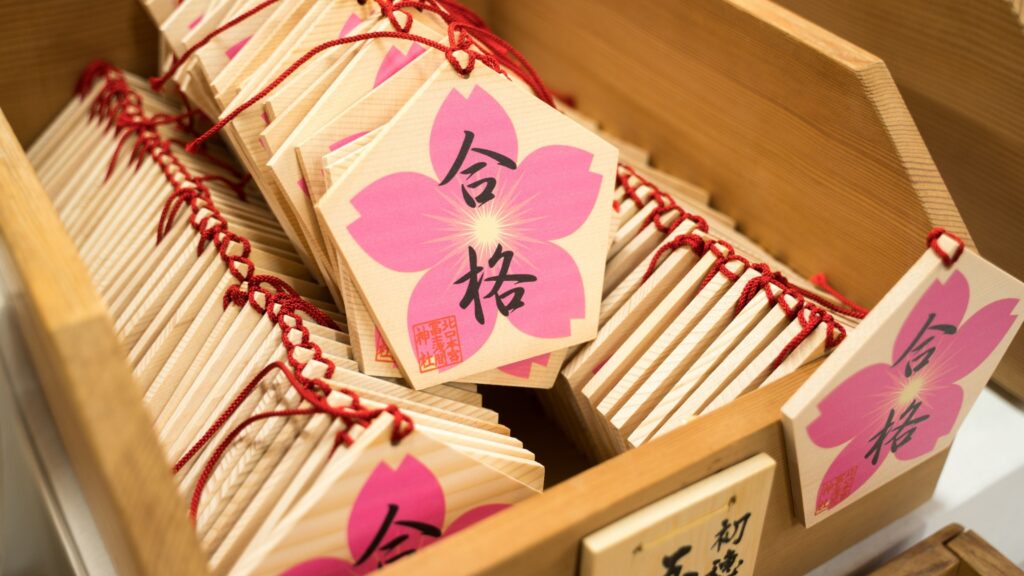
Ema allow visitors to write wishes related to studies, work, love, health, or personal goals. Once hung at the shrine, they are believed to be received by the kami, creating a shared symbolic space filled with community hopes. Many shrines design ema with unique artwork, adding cultural charm to the ritual.
Ofuda: Protective Talismans for the Home
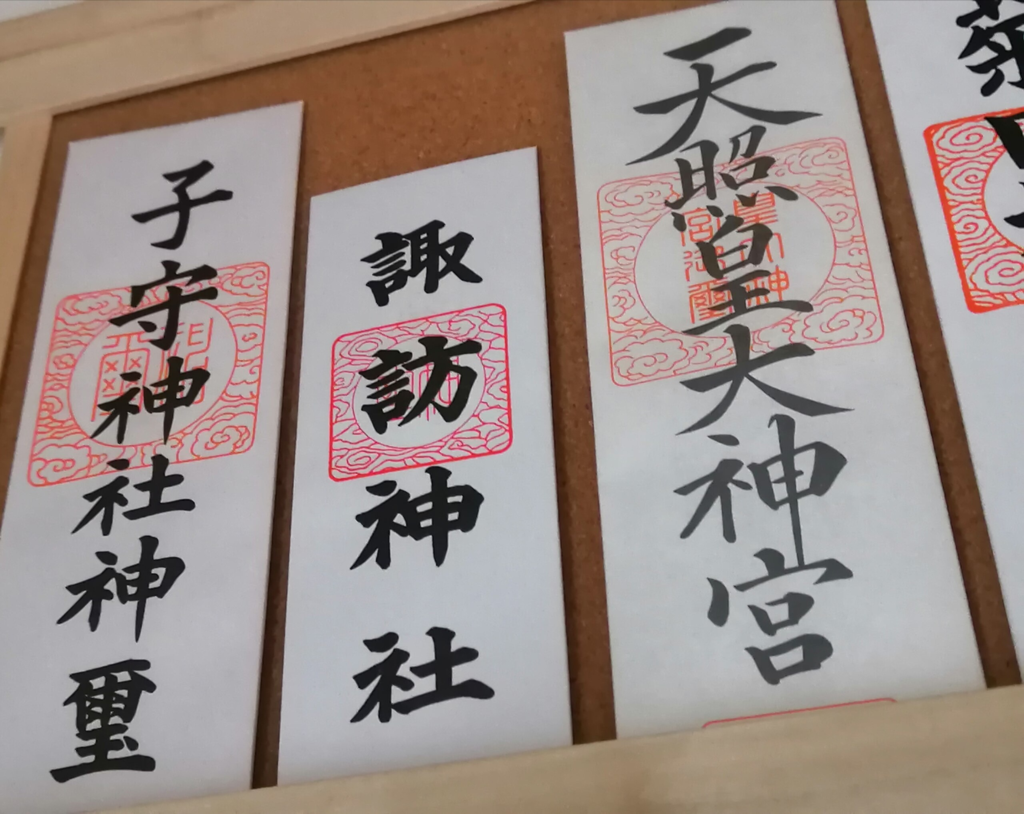
Ofuda are blessed paper or wooden talismans placed inside the home, often in a kamidana or near the entrance. They provide spiritual protection for the household throughout the year and represent a connection to the shrine’s kami. At year’s end, they should be respectfully returned for ritual disposal and renewal.
Omamori: Personal Good-Luck Charms
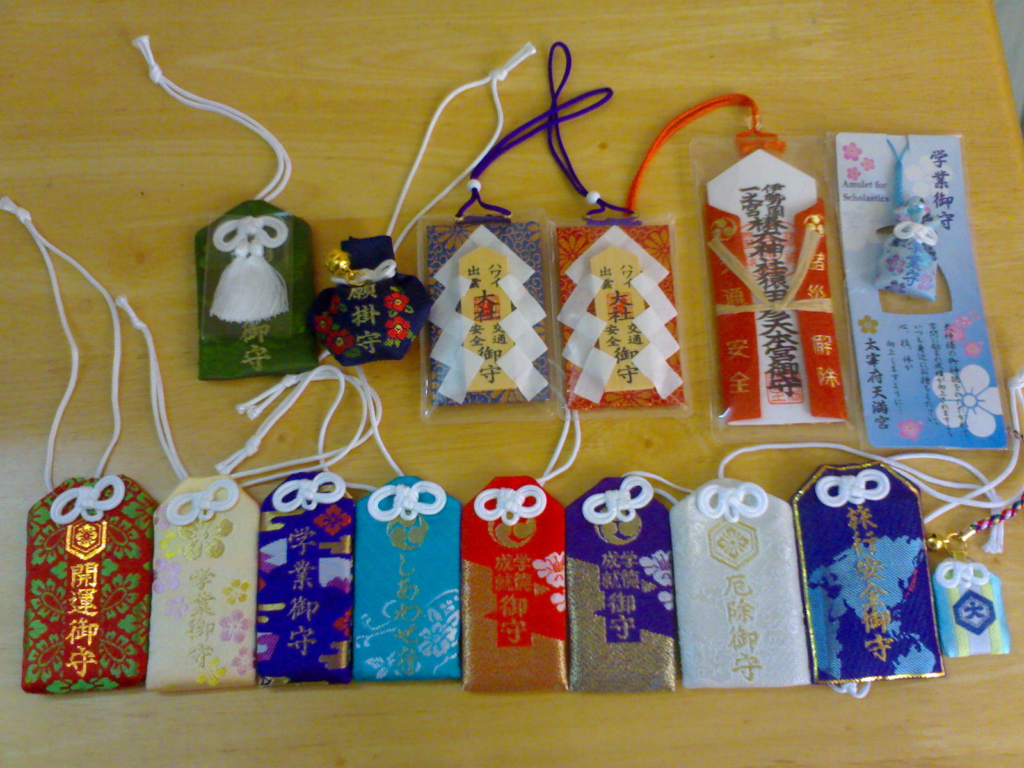
Omamori are portable charms meant to support everyday life, including travel safety, health, academic success, or general protection. They are typically attached to bags or kept in wallets and should remain sealed to preserve their blessing. They act as personal reminders of the values and hopes carried into daily life.
Practicing Omairi During Hatsumode
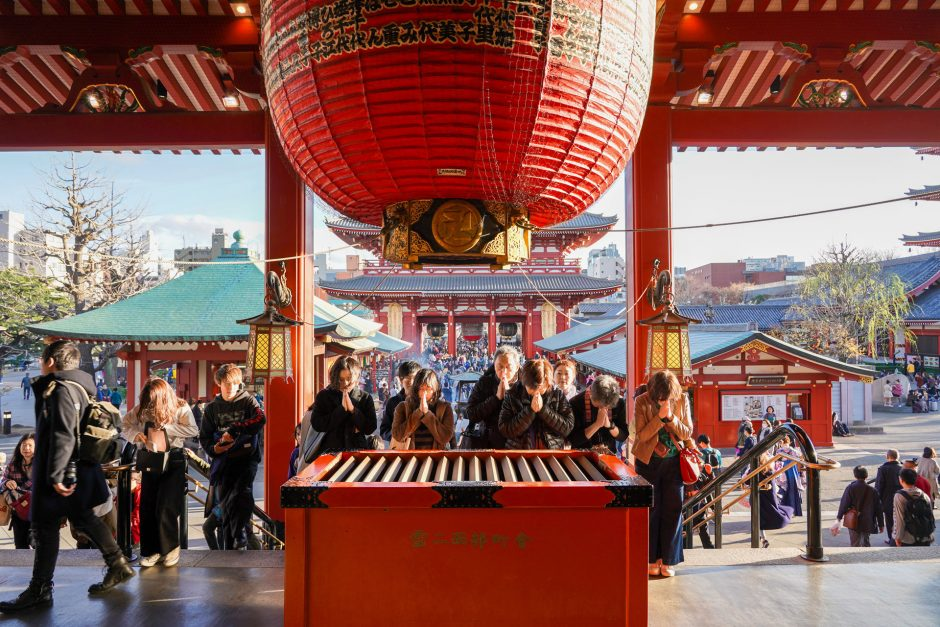
Hatsumode, the first shrine visit of the new year, is the most popular time for omairi in Japan. Millions participate to welcome good fortune, purify the past year, and purchase new charms. Seasonal festivals throughout the year also blend celebration with spiritual reflection, offering lively opportunities for newcomers to engage with local culture.
Personal Milestones and Everyday Visits
Many residents visit shrines during life transitions such as job hunting, exams, moving homes, or personal challenges. Even small neighborhood shrines become meaningful places for brief moments of quiet gratitude or intention-setting. These simple visits allow foreign residents to feel grounded and connected within their community.
Read More

The Essence of Omairi in Japan
Omairi blends mindfulness, respect, and cultural understanding into a practice that is accessible to everyone. For foreign residents, it offers a peaceful way to connect with Japanese traditions and navigate daily life with intention. By learning the steps and recognizing the meaning behind shrine items, you can participate confidently while appreciating the rhythms of Japanese culture.