


Opening a bank account in Japan is usually straightforward once you know what documents to bring and what type of account you actually need. The biggest delays happen when someone shows up without the right paperwork, doesn’t have a Japanese phone number, or applies at a branch that doesn’t handle foreign residents often. This guide walks you through the process, what to expect at the counter, and how to avoid the most common problems.
What You Need to Open a Bank Account in Japan
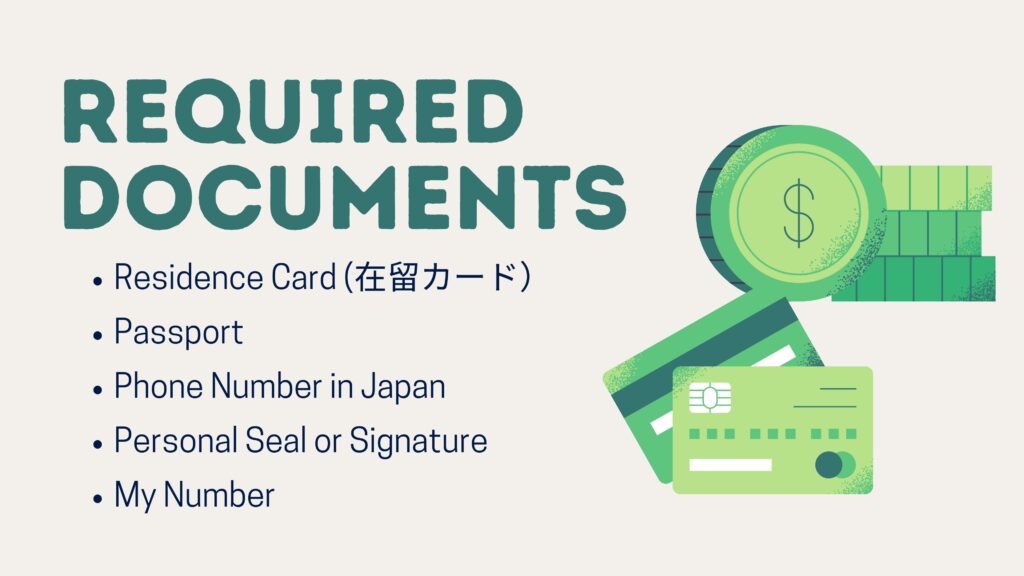
Most banks ask for the same core documents. Requirements can vary slightly depending on your visa type and how long you’ve been in Japan, but this is the standard checklist.
Residence Card
You’ll need your Residence Card (在留カード). The bank will check your name, address, and status of residence. If your address is not printed on the back yet, some banks may refuse the application until it’s updated.
Passport
Bring your passport, especially if your name format or nationality needs confirmation. Some banks may also request it for extra verification.
Phone Number in Japan
A Japanese phone number is commonly required for identity verification and account contact details. Some banks are flexible, but many are not, especially for first time applicants.
Personal Seal or Signature
Some banks still prefer a hanko, but many now accept a signature. If you already have a hanko, bring it, but don’t panic if you don’t.
My Number
Some banks ask for your My Number (Individual Number) during the process, especially if you’re opening an account for salary payments, investing, or certain services. If you have the My Number card or notification slip, bring it.
Read More

Understand Your Visa Options with Expert Support!
Our consultants help you understand which routes you’re eligible for and what you need to prepare before applying.
Book Your FREE Consultation✓ English-speaking support ✓ 500+ Bookings
Step by Step: How to Open a Bank Account in Japan
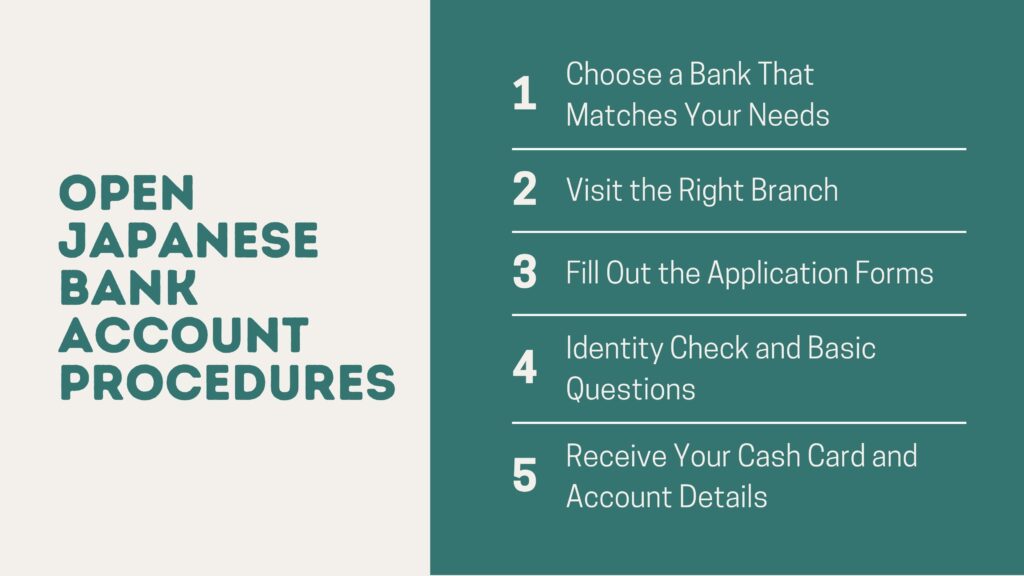
If you follow these steps, most applications go smoothly.
Choose a Bank That Matches Your Needs
Before you walk into a random branch, decide what you actually want the account for.
If you need a basic account for salary and bills, a major domestic bank or Japan Post Bank often works fine. If you need English support or international transfers, pick a bank that is known for being foreigner friendly.
Read More
Visit the Right Branch
Not every branch handles non Japanese customers the same way. A branch in a business district or near a university tends to have more experience with foreign residents than a tiny local one.
If you can, go on a weekday morning. Lunchtime is busy and many banks slow down hard in the afternoon.
Fill Out the Application Forms
The bank will give you a form to fill out with:
- Your name in Roman letters
- Your address in Japan
- Your phone number
- Your occupation and employer information
- Your purpose for opening the account
Some banks also ask whether you will send money overseas and how often. Answer honestly. If you plan to do international transfers, it’s better to make that clear from the start.
Identity Check and Basic Questions
A staff member will check your documents and may ask a few simple questions. This part is where some people get stuck, especially if they can’t explain the purpose of the account.
If you’re opening the account for salary, say so. If you’re opening it for daily living, rent, utilities, and shopping, say that. Banks like clear, normal answers.
Receive Your Cash Card and Account Details
Depending on the bank, you might get:
- Your account number right away
- A cash card (キャッシュカード) issued on the spot or mailed later
- Online banking setup instructions
Many banks mail the cash card to your registered address within a few days to a week. If your name is not on your mailbox, fix that first or the delivery may fail.
How Long It Takes to Open a Bank Account in Japan
In many cases, the application itself takes 30 to 60 minutes at the branch, but receiving the cash card can take several days.
Some banks can issue a card immediately, but mailing is still common, especially for first time applicants.
Common Problems Foreigners Run Into
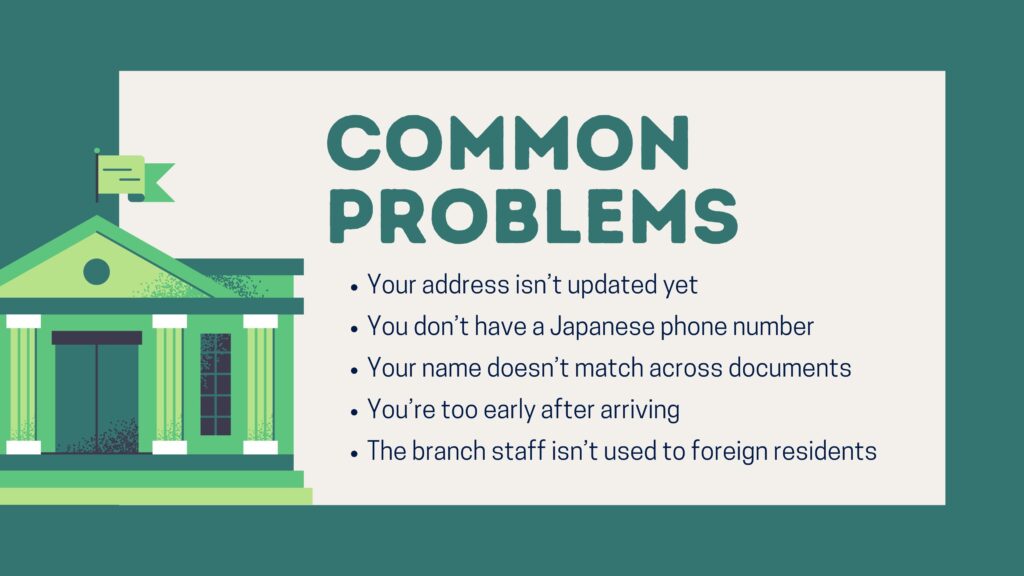
These are the things that cause most account opening rejections or delays.
- Your address isn’t updated yet: If you just arrived in Japan and your address isn’t properly registered, many banks will ask you to come back later. Make sure your Residence Card address is updated at your city office first.
- You don’t have a Japanese phone number: A lot of banks won’t continue without a local number. If you’re still using a foreign SIM only, this can stop the application.
- Your name doesn’t match across documents: If your name format is different between your Residence Card, passport, and employer paperwork, it can cause issues. Try to keep the exact same name format everywhere.
- You’re too early after arriving: Some banks hesitate if you apply immediately after landing, especially without a job contract or a clear reason for opening the account. It depends on the bank, but it happens.
- The branch staff isn’t used to foreign residents: Sometimes the bank is fine, but the specific branch doesn’t handle many non Japanese customers. If the process feels messy or confusing, try a different branch.
Can You Open a Bank Account Online in Japan
Some banks allow online applications, but many still require identity checks that make branch visits common. Online signup is usually easier if you already have a Japanese phone number, stable address, and sometimes a My Number card.
If you want the fastest setup with the least friction, opening in person is still the most reliable option. Once you have opened a bank account, you can start thinking about getting a credit card.
Read More

Disclaimer
This article provides general information only and does not constitute legal or financial advice. Requirements may vary depending on the bank, your visa status, and updated compliance rules, so always confirm details on the bank’s official website or by contacting a branch directly.
Read More