
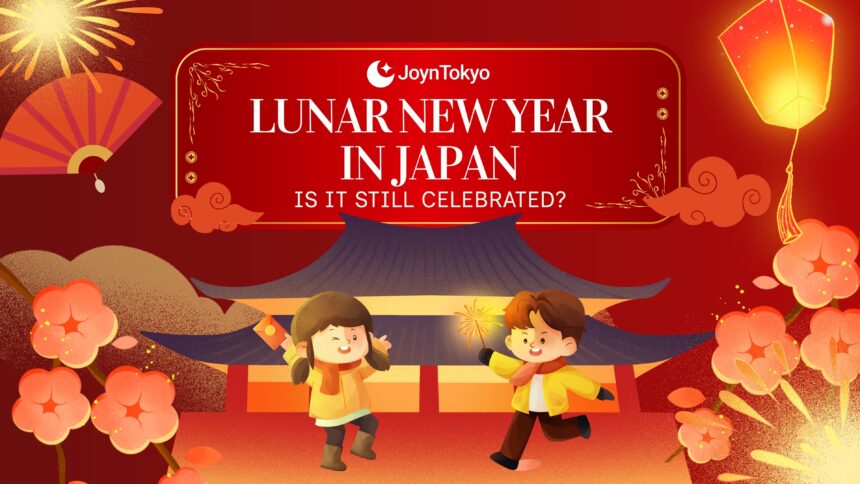


If you’re planning to visit Japan during Lunar New Year or wondering whether Japanese people celebrate this festival, the short answer might surprise you: most of Japan does not celebrate Lunar New Year. While Lunar New Year 2026 falls on February 17th and will be widely celebrated across much of Asia, Japan switched to celebrating New Year on January 1st over 150 years ago and has largely moved away from the traditional lunar calendar celebrations.
However, the story of Lunar New Year in Japan is more nuanced than a simple “no.” Let’s explore why Japan stopped celebrating this festival, where you can still find traces of it today, and what this means for travelers visiting during this time.
Is Lunar New Year Celebrated in Japan?
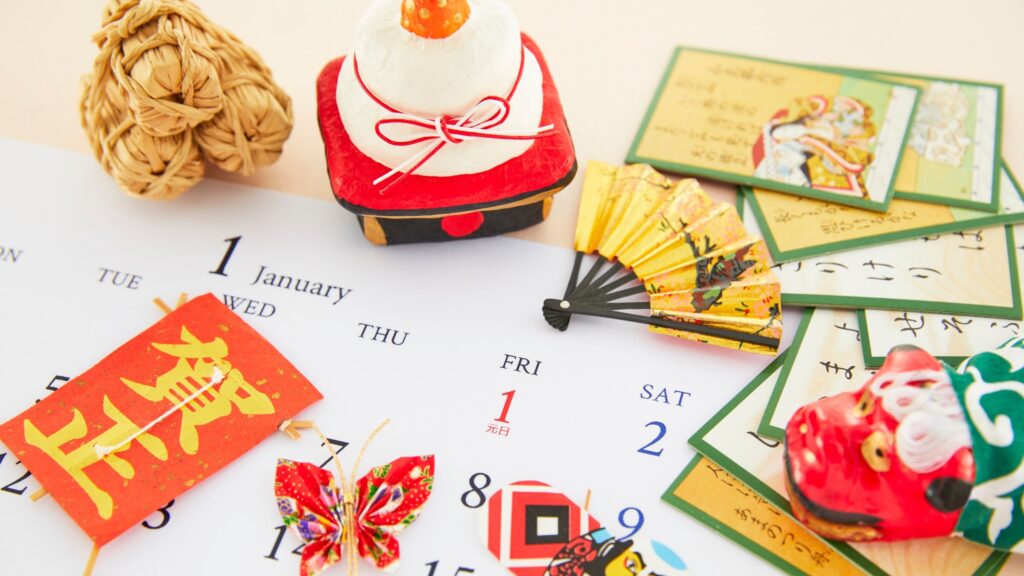
The straightforward answer is that Lunar New Year is not a national holiday or widely celebrated festival in modern Japan. When East Asian communities around the world gather for reunion dinners and festivities in late January or early February, most Japanese people are already back to their regular routines after celebrating New Year (正月, Shōgatsu) on January 1st.
This wasn’t always the case. Before the Meiji Restoration in 1868, Japan followed the lunar calendar and celebrated New Year according to lunar traditions, much like other East Asian countries. However, as part of its rapid modernization efforts, Japan adopted the Gregorian calendar in 1873, and the New Year celebration officially shifted to January 1st.
The Historical Shift: From Lunar to Solar Calendar
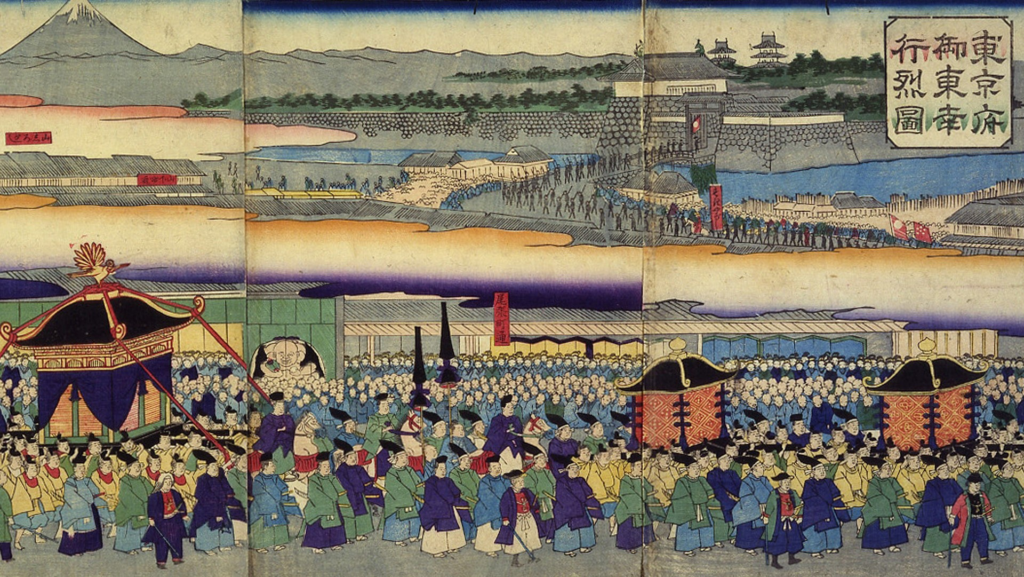
Japan’s transition away from Lunar New Year was deliberate and politically motivated. The Meiji government wanted to align Japan with Western nations and demonstrate its commitment to modernization. Unlike China and Korea, which retained dual calendar systems or continued honoring traditional festivals, Japan made a clean break with the lunar calendar for most official purposes.
Interestingly, many traditional New Year customs that were once tied to the lunar calendar were simply moved to January 1st rather than abandoned. Practices like visiting shrines for hatsumode (first shrine visit), eating osechi (traditional New Year food), and giving otoshidama (New Year’s money to children) all have roots in lunar New Year traditions but are now firmly associated with the solar New Year.
Read More
Start Your Own Japan Journey With Expert Guidance
Most people never make it to Japan because the start is confusing and tiring. Wrong visa route. Underestimated budget. Months lost to confusion.
Get personalized support for your new life in Japan.
Book Your FREE Consultation✓ 500+ Bookings ✓ English-speaking Relocation Support Experts
Where Lunar New Year Still Exists in Japan
While Lunar New Year isn’t mainstream, it hasn’t disappeared entirely from the Japanese archipelago. Here are the places and communities where you can still find celebrations:
Okinawa and the Ryukyu Islands
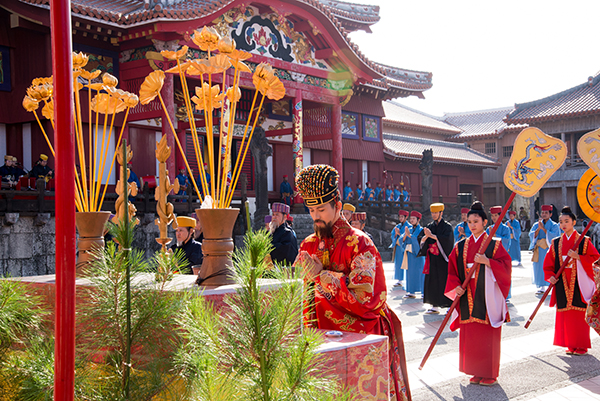
The southern island chain of Okinawa maintains stronger connections to lunar calendar traditions than mainland Japan. Here, Lunar New Year is called Shogatsu or Sougwachi in the local dialect. Some families, particularly in rural areas, still acknowledge the lunar New Year with traditional foods, prayers, and family gatherings, though it’s become less common among younger generations.
Traditional Okinawan lunar New Year celebrations might include special dishes like nakami jiru (pork organ soup) and visits to family tombs to honor ancestors.
Chinatowns: Yokohama, Kobe, and Nagasaki
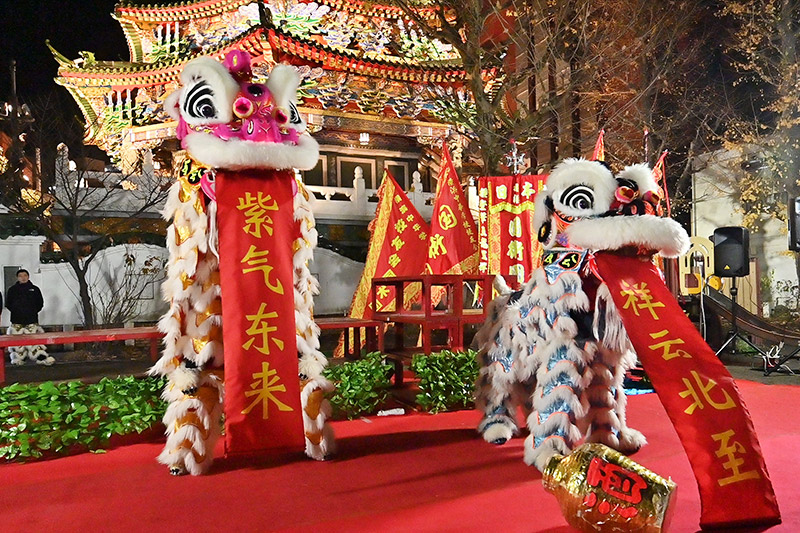
Japan’s historic Chinatowns become vibrant centers of Lunar New Year celebration, offering visitors a taste of traditional festivities:
Yokohama Chinatown hosts one of the largest Lunar New Year celebrations in Japan, featuring lion dances, dragon dances, traditional music performances, and street festivals that attract both Chinese residents and curious Japanese visitors. The celebrations typically span about two weeks, from New Year’s Eve to the Lantern Festival.
Kobe Chinatown (Nankinmachi) and Nagasaki Chinatown (Shinchi Chinatown) also hold festivals with parades, cultural performances, and special food offerings. These events are as much tourism attractions as they are cultural celebrations.
Korean Communities
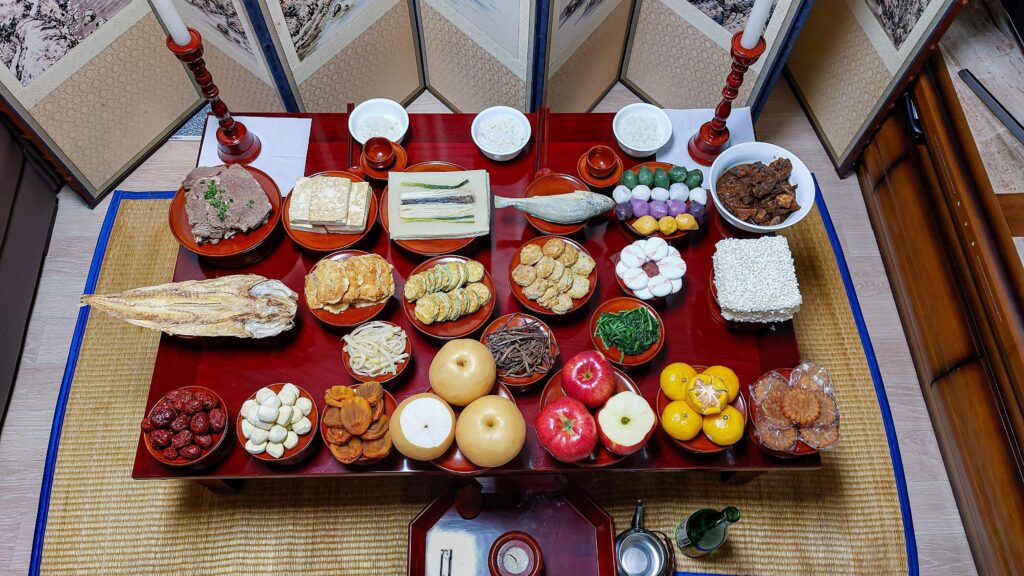
Japan’s Korean community, both long-term residents and more recent immigrants, often celebrate Seollal (Korean Lunar New Year) privately with family gatherings. While less visible than Chinatown celebrations, Korean restaurants and shops in areas like Tokyo’s Shin-Okubo may offer special menus and acknowledge the holiday.
Vietnamese and Chinese Residents
Modern Japan hosts significant Chinese and Vietnamese populations, particularly in urban areas. Many maintain their cultural traditions privately, though these celebrations are generally family-focused rather than public events.
What Happens in Japan During Lunar New Year?
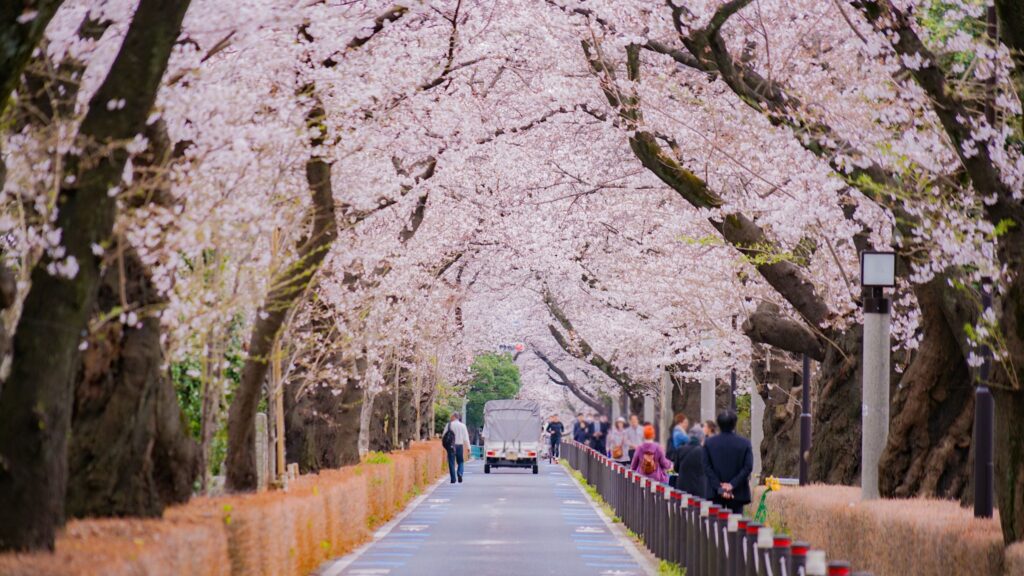
For most Japanese people, Lunar New Year passes as an ordinary day. Schools are in session, businesses operate normally, and there are no special decorations or holiday atmosphere beyond the Chinatown areas.
However, travelers visiting Japan during this period can expect:
- Better deals and fewer crowds: Since it’s not a Japanese holiday, you’ll find January and early February to be relatively quiet for tourism, especially compared to the packed New Year period or cherry blossom season.
- Chinatown festivities: If you’re in Yokohama, Kobe, or Nagasaki during Lunar New Year, you can experience authentic celebrations with parades, performances, and special foods.
- Business as usual: Unlike in China or Korea where shops and services may close for extended periods, everything in Japan operates normally, making it convenient for travelers.
Read More
How Japan’s New Year Compares to Lunar New Year
Japan’s New Year celebration on January 1st is the country’s most important holiday, functioning much like Lunar New Year does in other Asian countries:
- Family reunions: Many Japanese return to their hometowns, similar to the Spring Festival travel rush in China
- Traditional foods: Special dishes like osechi ryori and ozoni soup mirror the symbolic foods of Lunar New Year
- Red envelopes: The custom of otoshidama parallels Chinese hongbao or Korean sebaetdon
- Shrine visits: Hatsumode serves a similar spiritual renewal purpose as temple visits during Lunar New Year
The main difference is timing – all of this happens from December 31st to January 3rd in Japan, a month or more before Lunar New Year.
Planning Your Visit: Lunar New Year in Japan
If you want to experience Lunar New Year while in Japan, here’s what to plan:
Best places to visit:
- Yokohama Chinatown (largest and most elaborate celebrations)
- Kobe Nankinmachi
- Nagasaki Shinchi Chinatown
- Naha, Okinawa (for a more subdued, traditional observation)
What to expect:
- Lion and dragon dances
- Street performances and music
- Special food stalls and restaurant offerings
- Decorations in red and gold
- Fireworks (at some locations)
The Bottom Line
Lunar New Year in Japan is primarily a festival celebrated by Chinese, Korean, Vietnamese, and other Asian communities rather than the general Japanese population. While Japan once observed lunar New Year traditions, the country transitioned to solar calendar celebrations in the 19th century and has not looked back.
For travelers, this means Japan during Lunar New Year offers a unique experience – you can witness authentic celebrations in Chinatown areas while enjoying the convenience of a country operating at normal capacity, free from the holiday travel chaos affecting much of East Asia. It’s a window into Japan’s multicultural present while understanding its distinct historical path.
Read More