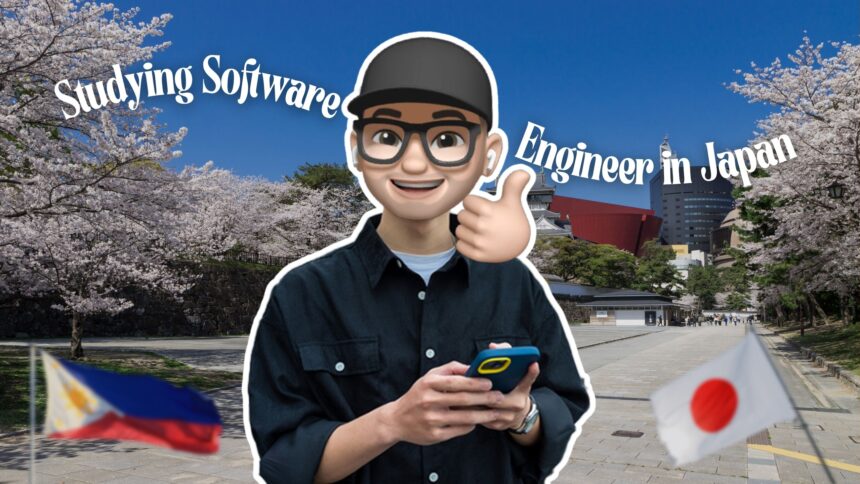



Meet Vincent, originally from Malaysia, who came to Japan to study after getting curious about the culture through anime and, more importantly, through real friendships. For Vincent, studying in Japan wasn’t just a random “Japan looks cool” decision. It was shaped by meeting Japanese friends early on, learning Japanese before arriving, and choosing a path that moved from language school into university.
In this interview, Vincent shares what pushed him to choose Japan, how he found a school without overcomplicating it, what university life felt like during the COVID era, and what he thinks people should know before studying here.
Vincent’s Study Journey in Japan

1. Why did you want to study in Japan instead of your home country?
“I had a Japanese friend in high school. Meeting him, and then meeting a few more Japanese people in that community, made me want to come to Japan more. I liked anime first, but after meeting that friend, the motivation became stronger. I think I liked Japanese culture, and that’s what made me want to go to Japan.”
2. How did you find a place to study in Japan?
“During my time, I wasn’t the smartest person, so I didn’t really find a place by myself. But I knew a friend who studied in Japan. She lives in my hometown, so I found out about Japanese language school from her. Before I went, I actually went to a private tutor with a Japanese guy, which was rare in my hometown in Malaysia. I learned speaking before I went to any school. After then I found out there’s a program where you can go to Japan to learn Japanese, so that’s how I started.”
3. When you started Japanese language school, which route did you choose and why?
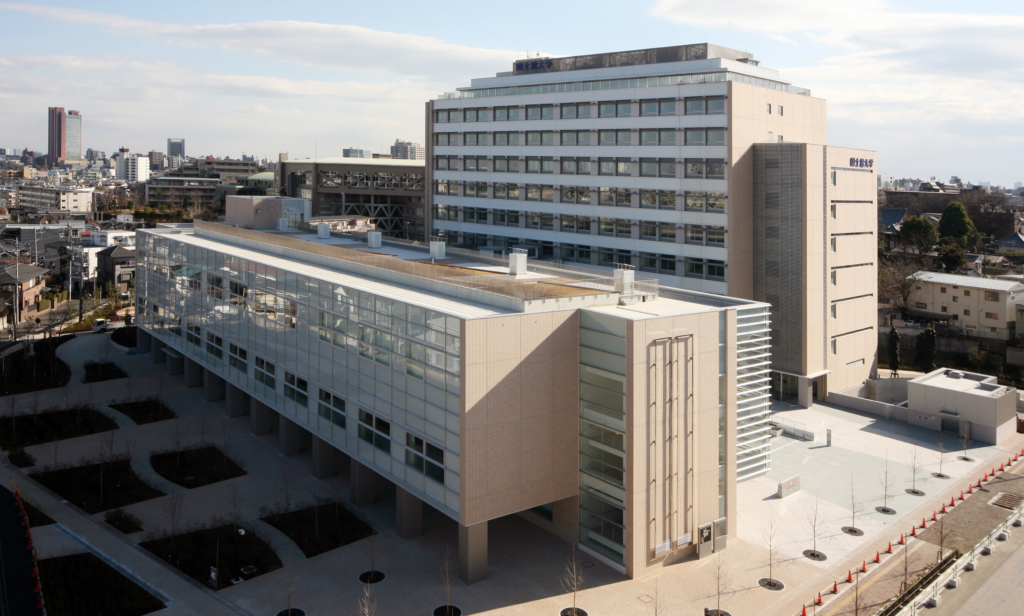
“When you enter Japanese language school, you basically have two choices. One is the university route, and one is you graduate and go work. I was quite young at the time, like 18 or 19, so I chose university because I wasn’t ready for work yet. If you choose work, they prepare you for work-ready Japanese. If you choose university, they take more time to teach you language and culture. But it also depends on the school.”
4. What difficulties did you encounter while studying in Japan?
“For me, I’m quite an adaptive person, so I didn’t find it hard to adapt. But there were difficulties because my era had COVID. When I joined university, the first two years were heavily influenced by COVID, so you don’t get to talk much, you don’t get to join after-school programs, and school would close after a certain time and people just go home. So people didn’t interact much. After that, most things were fine.”
“Also, depending on which school you go to, you will see a very different environment. My school at the time didn’t have much English support. I speak multiple languages, so it wasn’t a big problem for me. I noticed they had more support for students from Asia, especially Chinese, but very little support for English translation.”
5. What were the best things about studying in Japan?
“I think one of the best things is that Japan is a really good place if you want to become more independent. Especially as an international student, you basically have to learn everything yourself. Most people don’t have family here, so you can’t rely on someone to solve problems for you. You learn how to handle daily life, paperwork, school things, and language situations on your own, and that pushes you to grow.
Also, I think if you’re introverted, Japan can be a comfortable place. People generally respect personal space, and you can focus on your own routine without feeling forced to socialize all the time. At the same time, you still have chances to meet people through school if you want to, so it’s not lonely by default. But the environment makes it easier to be independent and calm.”
6. Did studying in Japan prepare you for your current life?

“To be fair, I don’t think it prepared me that much in a direct way. I studied mechanical engineering for four years, but my current path is different, so it didn’t connect in a simple ‘study leads to job’ kind of way.
But I do think it gave me some things that still matter. The biggest one is language. Even if studying in Japan doesn’t completely change your life, you come out with an extra language, and that can open doors in different ways. And beyond language, it also teaches you how to navigate Japan realistically. You start to understand that work culture, living culture, and people culture in Japan are not the same thing. They’re separate. School life might feel one way, but working life can feel completely different. So studying here helped me see Japan more clearly.
Read More

7. What recommendations would you give to someone who wants to study in Japan?
“If you really want to learn Japanese, learn it before you enter Japanese school. And also, Japanese culture is more different than you expect. It’s nothing bad, but it’s a lot more different than you think.”
8. Any final thoughts about studying in Japan?
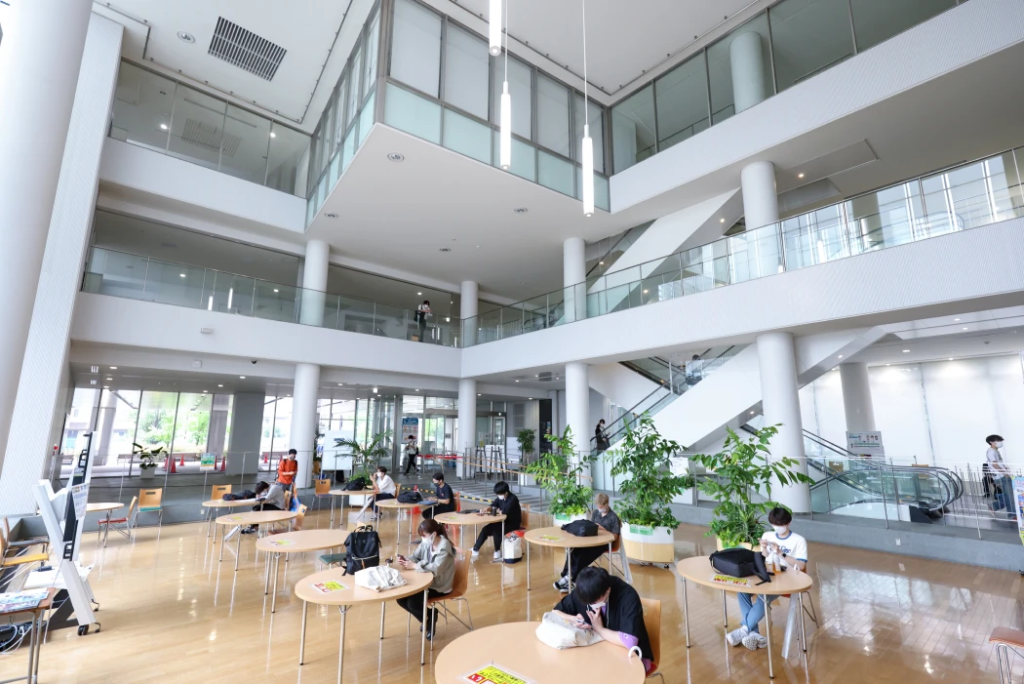
“It’s a good experience. Even though I don’t think I learned something that directly changed my life or career, I still learned a lot in other ways. I learned how to live independently, how to handle things on my own, and how to survive in a place where you don’t always have support in your language. Especially because of COVID, the experience wasn’t the ‘perfect’ student life, but it still taught me patience and how to adapt. So overall, I would still say it’s worth it, and I’m glad I did it.”
Start Your Own Japan Journey With Expert Guidance
Just like the person you read about above, you can successfully move to Japan. Get personalized support for work, study, or life in Japan.
Book Your FREE Consultation✓500+ Bookings ✓ English-speaking Relocation Support Experts
Final thoughts
Vincent’s study experience shows a very real version of Japan: the country can help you become independent quickly, but it won’t magically shape your career unless you already know what you want from it. The biggest value, in Vincent’s case, was the life experience, the language, and learning how to handle everything on your own, especially during a time when COVID made campus life feel quieter than it should have been.
Read More