


Meet Pascale, an American graduate from Washington, D.C. who studied Art and Japanese at university. The move to Japan didn’t start with a big life plan: it started with a short scholarship exchange in high school and a host family stay that made Japan feel personal. Later, moving as a student felt more manageable thanks to school support and dorm life, but Tokyo housing still delivered the classic reality check many foreigners face.
In this interview, Pascale shares how that early exchange experience shaped the decision to come back, what made the student move feel smoother than expected, and what renting in Tokyo is really like as a foreign student, along with the practical advice that helped most.
Interview

1. Can you tell me a little about your background?
I’m from Washington, DC, in the USA. I studied Art and Japanese at university. Studying Art and Japanese felt like a mix of creativity and curiosity. Japanese wasn’t just a subject, it became the reason Japan stayed on the radar long after graduation.
2. What first drew you to Japan?
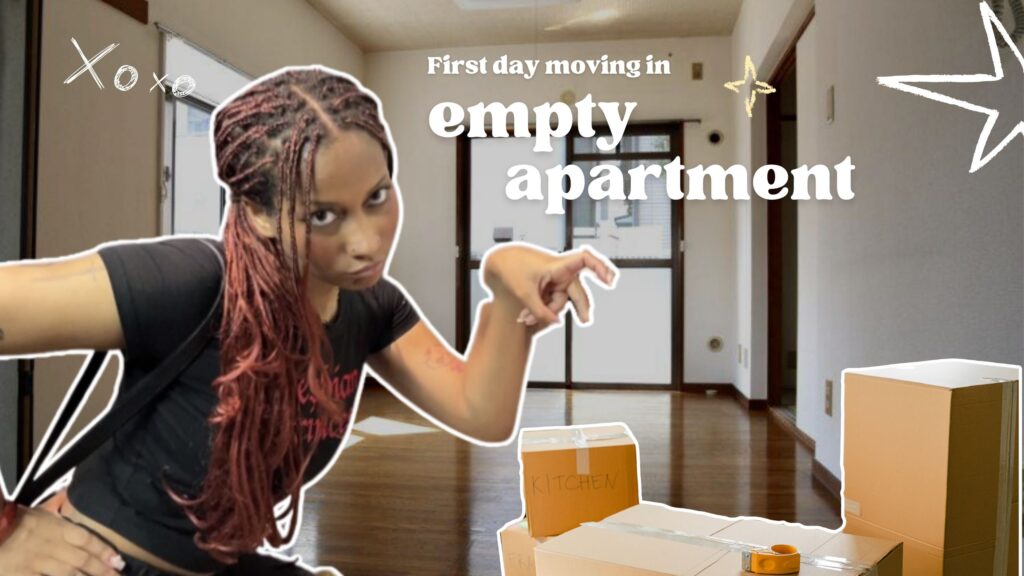
I visited Japan when I was in high school during a brief scholarship exchange program, and it was one of the first times I got to experience a culture so different from what I knew as an American.
That trip stuck because it wasn’t just “fun,” it was my first time living inside a totally different culture. I stayed with a host family, and I found myself filled with the desire to understand them: in highschool, I studied Chinese and Arabic, so I actually didn’t speak much Japanese when I came. But that feeling of wanting to connect and understand people is what brought me back.
3. What was moving to Japan like as a student?
Moving to Japan as a student wasn’t too bad: I received a lot of support from my school. Moving was fine, since I moved into my school’s dorm.
Honestly, the dorm made everything easier. Having a place to land right away means you’re not apartment-hunting on day one, and school support gives you a structure to follow instead of guessing everything alone.
Read More
4. What was harder than expected?
Setting up a bank account can be very difficult, especially if you don’t have an address or phone number. This is one of those annoying Japan realities. It sounds basic, but it can turn into a loop: you need an address and phone number to set things up, but you’re still trying to get those things set up. An ouroboros of troubles!
5. What was the biggest challenge with Tokyo housing?
Well, many apartments don’t rent to foreigners, and especially not foreign students. I just got lucky, and some places closer to universities are more used to international tenants and can be slightly more lenient.
Renting was the true reality check. The best tip I learned is to look around university areas, because landlords there are sometimes more familiar with international students, so it can be slightly easier.
6. Any nice surprises after moving?
Japanese houses are nice. Short but true. After all the paperwork, it was nice to have moments where daily life just felt… comfortable.
7. What advice would you give someone in a similar situation?
Be patient. Talk to other foreigners about what company or service they used. If you have any Japanese friends, ask if they are okay being your guarantor.
Patience matters, and so does asking people who already went through it. Other foreigners can tell you what services actually work, and if housing is the goal, a Japanese guarantor can completely change what apartments are even possible.
Start Your Own Japan Journey With Expert Guidance
Just like the person you read about above, you can successfully move to Japan. Get personalized support for work, study, or life in Japan.
Book Your FREE Consultation✓500+ Bookings ✓ English-speaking Relocation Support Experts
Final thoughts
This story is a reminder that moving to Japan can start with something small, like a high school exchange and a host family. Moving as a student can be smoother with school support and dorm life, but renting in Tokyo can still be tough as a foreign student. The best tools are patience, community advice, and getting help when you can.
Read More