
Studying for a Master’s in Journalism in Japan as a Chinese Student: Keith’s Journey
Keith is originally from China and came to study in Japan through a university exchange program. What started as a one-year language school experience in Tokyo later turned into graduate school at Waseda University. In this interview, Keith shares why Japan felt like the right place to study abroad, what was harder than expected, and
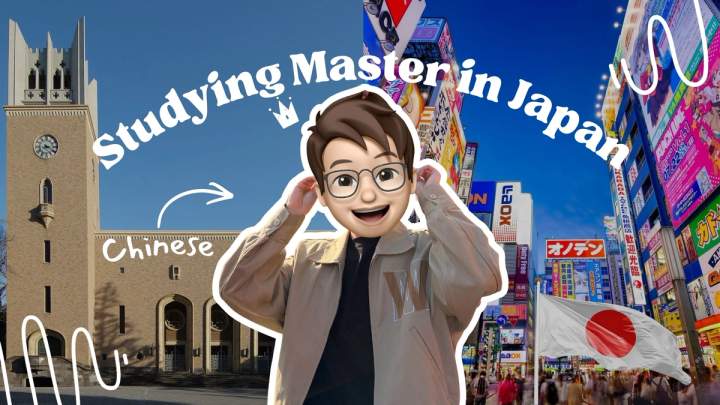
Keith is originally from China and came to study in Japan through a university exchange program. What started as a one-year language school experience in Tokyo later turned into graduate school at Waseda University. In this interview, Keith shares why Japan felt like the right place to study abroad, what was harder than expected, and what helped the most, especially with Japanese and academic writing.
1. What made you want to study in Japan, rather than your home country?

Honestly, it came down to three reasons. First, compared to China, Japan felt a little less “intense” in terms of competition. It didn’t mean things were easy, just that I felt the environment was more manageable for me personally. Second, my major in China was Japanese, so coming to Japan felt like the most direct way to improve. If you’re serious about getting better at the language, there’s a limit to how far you can go without actually living in it. And third was cost. When I looked at studying abroad, Japan felt more realistic financially than places like the US or UK. It’s still not cheap, but compared to a lot of Western countries, it felt more affordable.
2. How did you go about finding a place to study in Japan?
My undergraduate university was in China and I studied Japanese there. In my third year, I got the chance to join an exchange program, and that’s what brought me to Tokyo. The exchange program placed me into a Japanese language school in Tokyo for about a year (a little over a year). During that time, I wasn’t only studying Japanese I was also thinking about what to do next. I started preparing for graduate school while I was still in Japan.
After that, I applied and got into Waseda University for graduate school, majoring in political science. So for me, it wasn’t one single step, it was more like: exchange first, then language school, then graduate school.
3. How did you feel, once you had found a place to study?
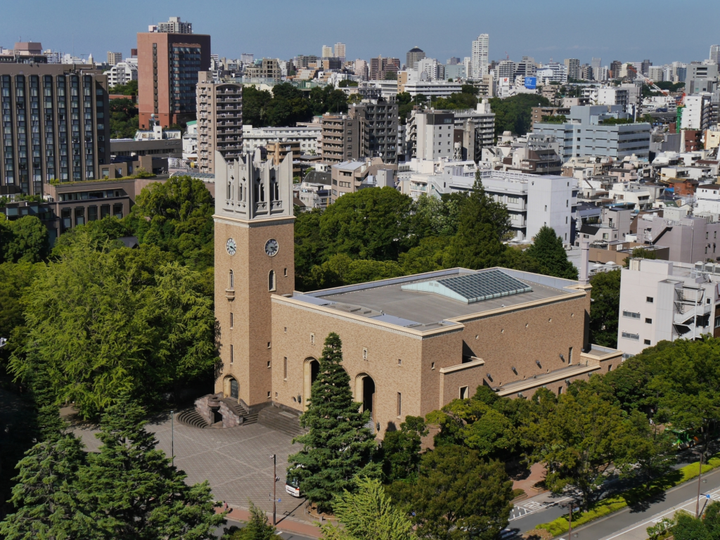
It was a weird mix of emotions. I was excited, obviously because it finally felt real. Like, “Okay, I’m actually going to live in Tokyo and study in Japan.”
But I also felt pressure right away. Once everything is decided, you suddenly realize it’s not only about school. You’re dealing with life in a different language, figuring out daily routines, and handling things that feel simple at home but complicated abroad. So yeah excited, but also a little nervous.
4. What were difficulties you encountered? How did you overcome them?
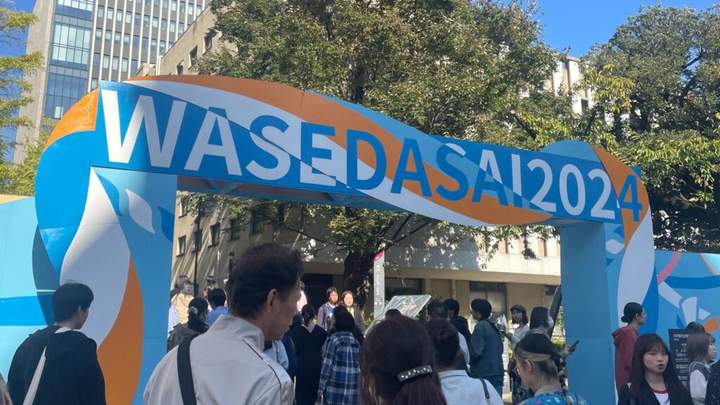
The first stage was the hardest because I was new and everything felt unfamiliar. The language was a big part of it, but it wasn’t only classroom Japanese. It was things like daily conversations, understanding how people talk, and just surviving normal life. What helped the most was forcing myself to use Japanese in real situations. I tried to talk to local people as much as possible, and I also did part-time jobs. That made a huge difference, because you learn faster when you have to use the language every day.
Later, when I entered graduate school, the difficulty changed. The problem wasn’t daily Japanese anymore it was academic Japanese. Writing essays in Japanese at that level is really hard. I struggled with that a lot.
Luckily, the university offered a course for foreigners on academic Japanese writing. That helped a lot. And I also spent time reading Japanese essays and papers, because it teaches you the structure and the “style” that professors expect. It was basically a lot of practice, plus learning by copying good examples.
5. What were the best things about studying in Japan?
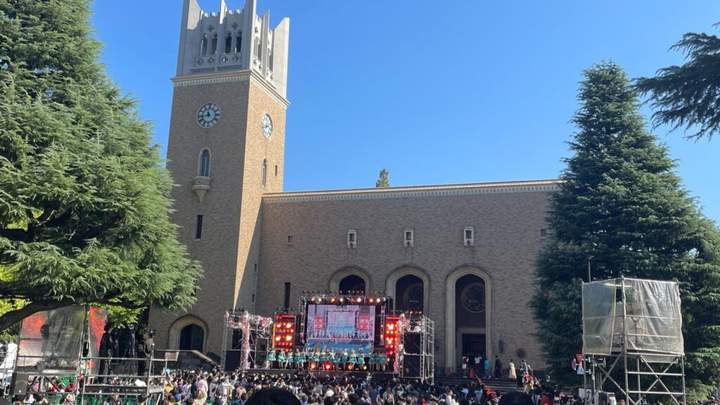
One of the best parts was meeting people. In my school, there were many international students, so it wasn’t only Japanese friends it was also friends from all over. That kind of environment really opens your mind.
Another thing I appreciated was how close Japan is to China. Going home is only about a three-hour flight, so it felt much easier than friends who studied in the US or Europe and had to fly 10+ hours.
And I also liked that students in Japan can usually do part-time work (depending on visa rules). That helped a lot financially, and it also helped me improve Japanese faster because you’re using it in real life.
6. How did studying in Japan prepare you for your current life?
To be honest, I don’t think it was only “school” that prepared me. I think living abroad is what really changes you. When you’re in a new country, you deal with problems all the time language, paperwork, communication, mistakes, confusion. And you learn to solve things on your own. That experience makes you tougher and more independent.
Of course, studying in Japan definitely improved my Japanese. That’s the biggest “direct” benefit. But the deeper growth came from learning how to handle life in a foreign environment.
7. What are some recommendations you would give to someone who wants to study in Japan? What do you think they should know?
My biggest recommendation is: even if you study in English, don’t ignore Japanese. A lot of people think, “I can survive with English,” and maybe you can in some situations, but daily life is still Japanese. If you want to make friends, find part-time work, and feel comfortable, Japanese really matters.
So I’d say: learn Japanese while you study, not later. It will help you enter society faster and enjoy your life more.
8. What are some final thoughts you might have regarding the experience of studying in Japan?
Overall, I don’t regret it at all. I met some really responsible teachers who cared about students, and I felt like effort actually gets rewarded here. If you work hard, you can improve a lot and build a path for yourself. Studying in Japan wasn’t always easy, but it gave me a real chance to grow—both in language and in life. If someone has the opportunity and they’re willing to put in effort, I think Japan can be a really solid choice.
- Sponsored -

Related JoynTokyo reads

Ultimate Guide to Driving in Japan
A driver spent a week cruising Hokkaido and called it the most relaxing road trip of his life. Another took a mountain route from Kusatsu to Kanazawa and described it as “like being dialled into an F1 race car.” Both were experienced drivers. Both were in Japan. Both are right. Honestly, driving in Japan is

Cash vs Card in Japan: What Should You Use in 2026?
People who went to Japan five years ago will tell you cash is king. People who went last month will tell you they barely touched a note. Both are telling the truth, they just had different trips. The honest answer for 2026 is this: Japan has changed significantly. Most major establishments in cities now accept
Sheila Cliffe on The Kimono Closet and the Stories Kimono Hold
Sheila Cliffe is a longtime kimono researcher and the author of Kimono Style. In her new book, The Kimono Closet, she looks beyond kimono as fashion or art objects and instead explores their deeper place in family life, memory, and identity. She spoke with JoynTokyo to give us an exclusive look at the new book,