
Moving to Tokyo as a Chinese Exchange Student: Keith’s Story
Meet Keith, originally from China, who moved to Japan around 2015–2016 and has now lived here for over 10 years. Keith studied Japanese as a major back in China, and decided the best way to improve was to move to Japan and build real life experience through the language. In this interview, Keith shares what
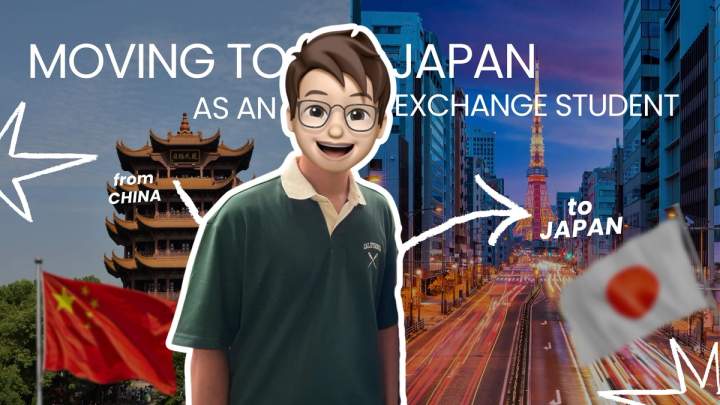
Meet Keith, originally from China, who moved to Japan around 2015–2016 and has now lived here for over 10 years. Keith studied Japanese as a major back in China, and decided the best way to improve was to move to Japan and build real life experience through the language.
In this interview, Keith shares what the moving process actually looked like from using an agency connected to his university, to choosing housing outside a dorm, to learning the two realities many newcomers don’t expect: the paperwork is detailed, and the first month can cost far more than “just rent.”
1. Could you tell me a little about your background? Where are you from, what did you study, and so on?

I’m from China, and I came to Japan around 2015–2016. At this point, I’ve been living in Japan for more than 10 years. Back in China, my major was Japanese, so Japan wasn’t a random choice for me, it was already part of what I was studying seriously.
Because my major was Japanese, I had already spent years learning the language in a classroom setting. But I also knew there’s a big gap between “study Japanese” and “live Japanese.” That gap was one of the reasons I felt I needed to experience Japan directly.
2. What was it that drew you to Japan?
The biggest reason was simple: I wanted to improve my Japanese. Studying in China helped, but I felt like if I wanted real progress, I needed to be in Japan, surrounded by the language every day.
I also wanted the full lifestyle experience. When you’re learning a language, the culture is part of it, how people communicate, how paperwork works, how daily life is structured. I felt I could only understand that properly by moving to Japan myself.
3. What was the moving process like for you?
At that time, I moved with the help of a Japanese language school that had a partnership with my university in China. That support made a big difference, because the move wasn’t just “buy a ticket and arrive.” There were many steps and documents, and the language school gave structure to the process.
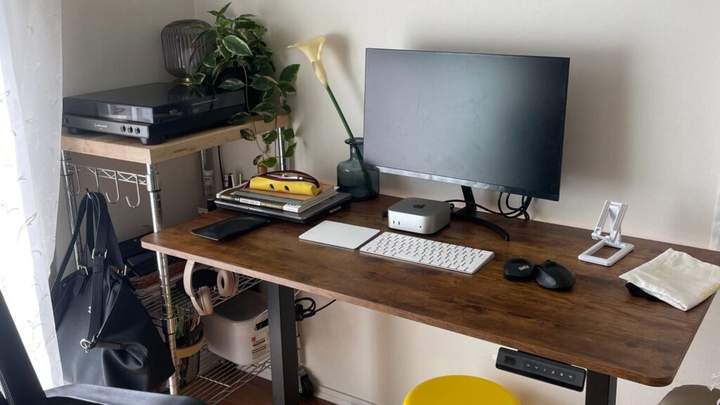
They also suggested I live in a dorm at first, which is common for students. But I refused because it didn’t match what I wanted. For me, the dorm felt too far and inconvenient for daily life, and I wanted something that would make it easier to commute and settle in.
So instead, I worked with a Chinese real estate agent, and that’s how I found my first place before arriving. Having someone who could explain the details clearly and help with communication made the first stage feel much safer, because trying to arrange housing while still overseas can feel risky.
Later, when I moved within Japan, it was a different situation. I was already living in Tokyo, so I could just go directly to a local Japanese real estate agency and search normally. Compared to the first move, it felt much smoother because I already knew what to expect.
4. Did you encounter any difficulties when moving into an apartment in Tokyo? What were they? How did you overcome them?
Yes, the hardest part was the documents. Even before thinking about furniture or daily life, there was a long list of things to prepare. The paperwork can feel endless when you’re new, especially because you don’t always know what each document is for, or what happens if you miss something.
What helped me was that the agency gave me a full checklist. They told me exactly what to prepare, what kind of forms were required, and what steps I needed to follow. I didn’t have to guess. I basically followed the instructions one by one, and that’s how I got through it.
When I moved later within Tokyo, I didn’t feel the same difficulty. By then, I understood the process better, and the move felt more routine. I already knew how real estate agencies work in Japan, and I knew what questions to ask. That experience made a big difference.
5. What were some nice surprises you encountered when moving?
The biggest surprise wasn’t “nice” at first, it was more like a shock. The initial cost of moving into an apartment in Japan is high. It’s not just one month of rent. There can be multiple fees, and you may feel like you’re paying a large amount upfront. For a newcomer, that first payment can be stressful.
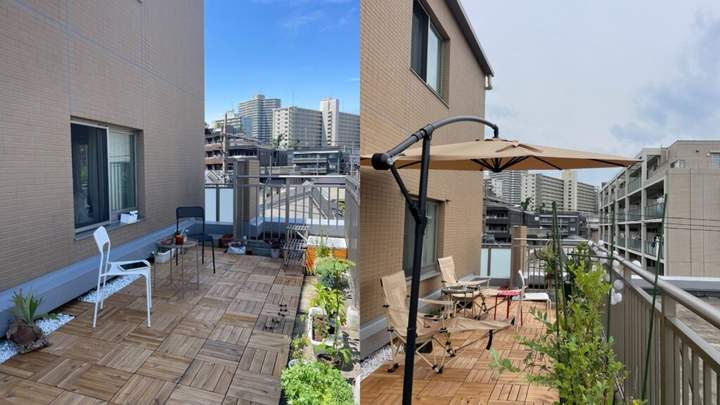
Another surprise was that apartments often come with nothing. When you first walk in, it can be completely empty. No furniture, no bed, nothing. If you’re used to countries where apartments sometimes include basic furniture, this can be surprising in Japan. It means the move isn’t finished once you get the key—you still need to build your whole living setup from zero.
At the same time, once I accepted these realities, it also made me more prepared. After you experience it once, you stop being shocked and you start planning better.
6. What advice would you give to people in a similar situation to yours?

First, prepare more money than you think you need for the beginning. If you only calculate “rent,” you might be shocked by the actual upfront payment. The early stage can feel expensive, so budgeting extra will reduce stress.
Second, don’t feel pressure to buy everything new. The secondhand market in Japan is really useful. You can save a lot by buying furniture secondhand instead of trying to fully furnish your apartment with brand-new items immediately.
And finally, networking matters more than people expect. When you’re new, small advice from the right person can save you a lot of time and mistakes. Building connections and getting comfortable asking questions makes the whole process easier.
Final thoughts
Moving to Japan was worth it for me, but the first stage comes with real challenges – paperwork, high upfront costs, and starting from an empty room. If you prepare mentally and financially, and use secondhand options and support from others, the move becomes much more manageable.
- Sponsored -

Related JoynTokyo reads

Ultimate Guide to Driving in Japan
A driver spent a week cruising Hokkaido and called it the most relaxing road trip of his life. Another took a mountain route from Kusatsu to Kanazawa and described it as “like being dialled into an F1 race car.” Both were experienced drivers. Both were in Japan. Both are right. Honestly, driving in Japan is
Cash vs Card in Japan: What Should You Use in 2026?
People who went to Japan five years ago will tell you cash is king. People who went last month will tell you they barely touched a note. Both are telling the truth, they just had different trips. The honest answer for 2026 is this: Japan has changed significantly. Most major establishments in cities now accept

Sheila Cliffe on The Kimono Closet and the Stories Kimono Hold
Sheila Cliffe is a longtime kimono researcher and the author of Kimono Style. In her new book, The Kimono Closet, she looks beyond kimono as fashion or art objects and instead explores their deeper place in family life, memory, and identity. She spoke with JoynTokyo to give us an exclusive look at the new book,