


Moving to Japan usually costs $3,000 to $10,000+ upfront for one person, depending on where you’re coming from, how much you ship, and how expensive your first apartment setup is. The biggest one time expenses are typically your flight, shipping (if needed), temporary accommodation, and Japan’s high move in rental fees like deposit, key money, and agency charges. If you’re moving with a job offer and company housing, it can be closer to the low end. If you’re moving independently and renting in Tokyo, costs can jump fast. Below is a realistic breakdown of what you’ll pay to relocate.
Quick cost summary
Most people spend money in these categories:
- Flight: $200 to $1,500+
- Shipping: $0 to $6,000+
- Visa and paperwork: $0 to $50+
- Temporary housing: $200 to $2,000+ depending on length
- Apartment move in fees: $1,500 to $4,000+ (sometimes more in Tokyo)
- Initial setup costs (SIM, essentials, furniture): $300 to $2,000
If you want a simple “average” range:
- Budget move: $3,000 to $5,000
- Typical move: $5,000 to $8,000
- Higher cost move: $8,000 to $12,000+
Understand Your Visa Options with Expert Support!
Our consultants help you understand which routes you’re eligible for and what you need to prepare before applying.
Book Your FREE Consultation✓ English-speaking support ✓ 500+ Bookings
1. Airfare: The Cost of Getting to Japan
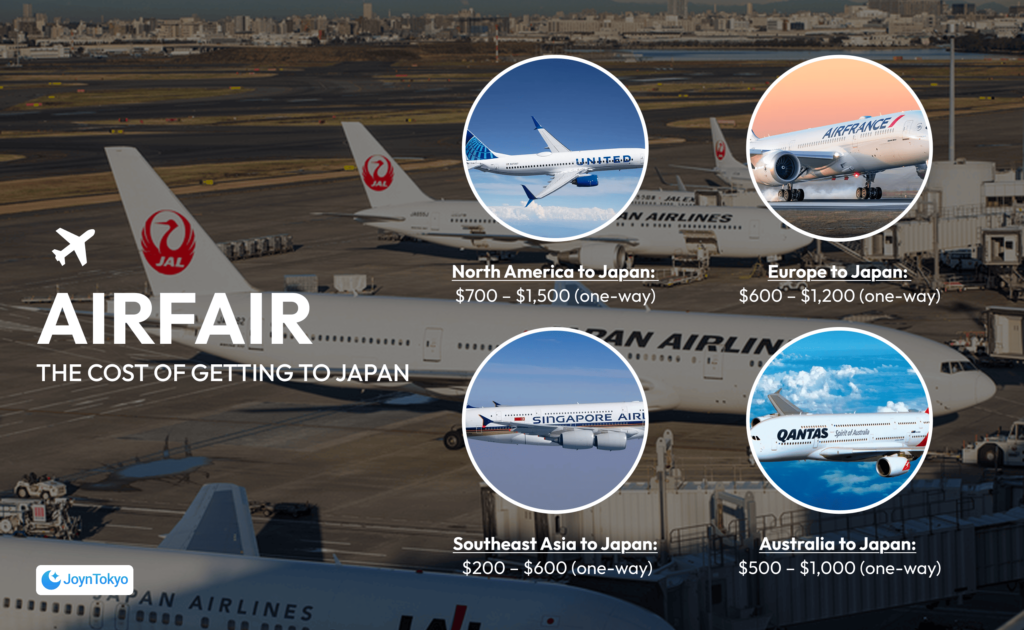
The cost of flights to Japan depends on your departure city, airline, season, and how early you book. Long haul routes (North America and Europe) cost the most, while nearby parts of Asia are usually cheaper. Prices also spike during peak travel seasons like late March to early April, and late December to early January.
General price ranges for economy one way flights
North America to Japan: $700 to $1,500
Europe to Japan: $600 to $1,200
Southeast Asia to Japan: $200 to $600
Australia to Japan: $500 to $1,000
Extra luggage fees can easily add another $100 to $200 per bag, depending on the airline. If you’re packing heavy, it’s worth comparing baggage fees against shipping a few boxes instead.
For time details of flights to Japan, check out this article!
Read More

2. Shipping Costs: Bringing Your Belongings to Japan

If you’re moving with more than just a suitcase, international shipping will be a necessary expense. The cost depends on the volume of goods, shipping method, and service provider. While air freight is faster, it is considerably more expensive than sea freight, which is the preferred choice for those moving large amounts of belongings.
International Air Freight
- The fastest option but also the most expensive.
- Prices vary widely but expect to be charged $5 to $10 per kilogram.
- Suitable for small, urgent items such as important documents, clothing, and essential personal belongings.
Sea Freight (Container Shipping)
- The most cost-effective for large shipments.
- Full Container Load (FCL): $3,000 to $7,000 for a 20-foot container.
- Less than Container Load (LCL): $500 to $2,000, depending on volume.
- Takes four to right weeks on average, making it a better option for non-urgent items such as furniture and household goods.
International Moving Companies
- Offer full-service shipping, including packing, transport, and customs clearance.
- Expect costs from $2,000 to $6,000 for a moderate-sized move.
- Useful for those who need assistance with packing and handling complex international logistics.
For smaller shipments, companies like FedEx and your national post office will offer cost-efficient alternatives for boxes and personal items. Be sure to check customs regulations to avoid unexpected taxes and import restrictions when sending items to Japan.
3. Visa and Documentation Fees
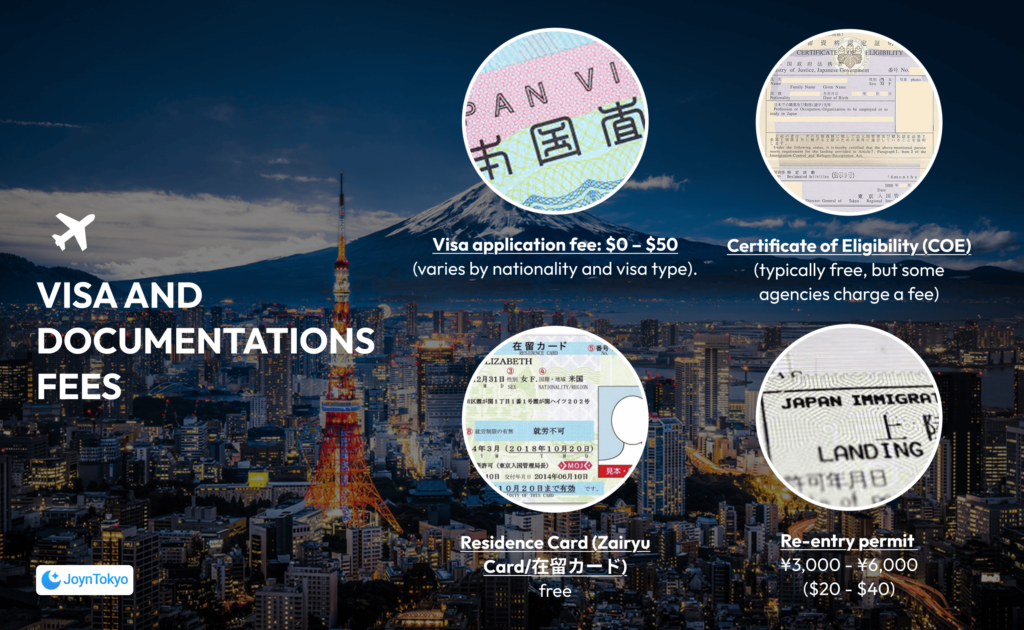
Moving to Japan requires proper documentation, which may involve processing fees. If your employer or university is sponsoring your visa, they may cover some of these costs. However, independent visa applicants should be aware of the following potential expenses:
- Visa application fee: $0 to $50 (varies by nationality and visa type).
- Certificate of Eligibility (COE) processing: Usually handled by your employer or school (typically free, but some agencies charge a fee).
- Residence Card (Zairyu Card/在留カード): Issued upon arrival in Japan (free).
- Re-entry permit (for long-term residents who are stateless or cannot otherwise obtain a passport from their home country that plan to leave and return): ¥3,000 to ¥6,000 ($20 to $40). For those with their own national passport, you can sign a form for free as you depart Japan, which will be affixed to your passport.
While these costs are generally low, applicants should also consider costs related to legal documentation, translation services, and notarization of official papers, which may be required depending on their home country’s regulations. You can learn more about obtaining a Japanese visa here.
4.Temporary Housing Options
Before moving into a permanent residence, many expats stay in hotels, hostels, or serviced apartments. Temporary accommodation provides flexibility and convenience while searching for a long-term home. For these options, you can expect to pay:
- Business hotels: ¥6,000 – ¥15,000 ($40 – $100) per night.
- Guesthouses/Hostels: ¥2,500 – ¥6,000 ($20 – $50) per night.
- Serviced apartments: ¥150,000 – ¥300,000 ($1,000 – $2,000) per month.
Shared accommodation is also popular, especially among younger first-time expats.
Booking in advance can secure better rates, and some companies offer relocation packages that include temporary housing.
5. Initial Housing Costs
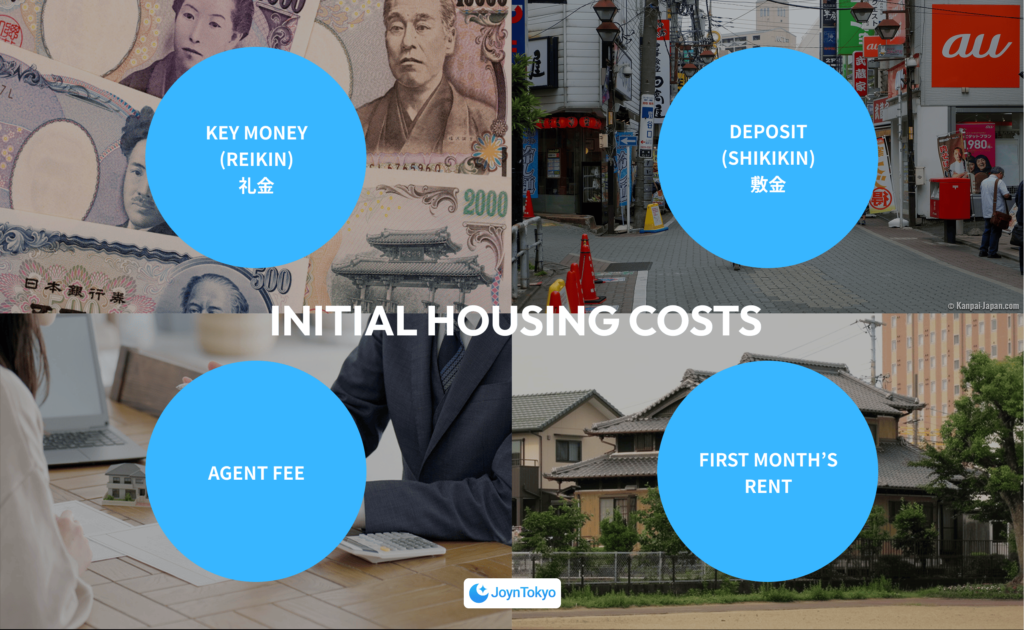
Finding a place to live in Japan comes with upfront fees, which can be substantial. Renting an apartment typically requires multiple payments before moving in, which can be surprising for newcomers unfamiliar with Japan’s rental system. Common expenses include:
- Key money (Reikin/礼金): A non-refundable payment to the landlord, often one or two months’ rent.
- Deposit (Shikikin/敷金): Usually equal to one or two months’ rent, refundable upon leaving if there’s no damage.
- Agent Fee: Equivalent to one month’s rent, paid to the real estate agent for securing the apartment.
- First month’s rent: Paid upfront before moving in.
For example, if you’re renting a ¥80,000/month ($550) apartment, your total move-in cost could range from ¥240,000 to ¥400,000 ($1,650 to $2,800). To reduce costs, some foreigners opt for company-sponsored housing, share houses, or short-term rentals that have lower upfront fees. Find out more about finding an apartment here.
6. Cost of Living in Japan
Once settled, living expenses vary based on location and lifestyle, but here are some estimates:
| Expense | Monthly Cost |
|---|---|
| Rent (1BR Tokyo) | $450 – $1,500 (67,000円- 227,000円) |
| Utilities | $100 – $200 (15,000円 – 30,000円) |
| Groceries | $300 – $600 (45,000円 – 91,000円) |
| Transport (Train Pass) | $50 – $150 (7,000円 – 23,000円) |
| Health Insurance | $30 – $80 (4,500円 – 12,000円) |
| Internet & Phone | $50 – $100 (7,500円 – 16,000円) |
After settling in Japan, your monthly living expenses will largely depend on your location, lifestyle, and personal habits. While Tokyo and Osaka tend to have higher living costs, rural areas and smaller cities offer more affordable options. Below are the main cost categories you should consider when budgeting for life in Japan.
Read More
Food and Groceries
Grocery prices in Japan are generally reasonable, but imported goods and dining out frequently can add up. A monthly grocery budget for a single person is around $300 – $600, depending on diet and shopping habits. Affordable supermarket chains such as OK Store, Gyomu Super, and Ozeki offer lower prices on essentials, while local markets can be great for fresh produce.
For those who prefer dining out, convenience store meals cost as little as $5 per meal, while an inexpensive restaurant meal ranges from $7 to $12. Mid-range restaurants typically charge $15 to $30 per meal.
Transportation Costs
Japan’s public transportation system is efficient and cost-effective, especially in major cities. Most people use train and subway passes, which cost $50 to $150 per month, depending on commuting distance. Unlike in some countries, these passes do not include bus usage. In rural areas, car ownership may be necessary, adding expenses such as gas, parking, and insurance.
If you’re living in Tokyo, using bicycles for short distances or taking advantage of IC card discounts (Suica/Pasmo) can further cut costs.
Health Insurance and Medical Costs
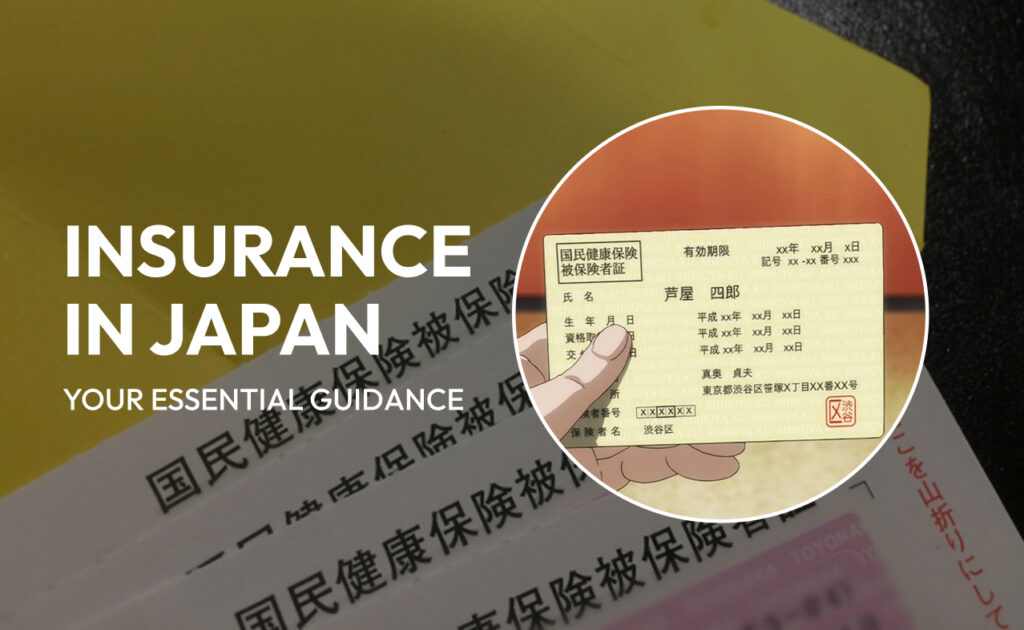
Japan has a national health insurance (NHI) system, which is mandatory for all residents. Monthly health insurance costs vary by income and region, but generally range between $250 to $400 per month for a single individual on an average salary in Tokyo, though often your employer will contribute 50% of this cost. Out-of-pocket medical expenses are typically 30% of the total bill, making healthcare relatively affordable compared to many other countries. Learn more about Insurance in Japan
Read More
Internet and Mobile Phone
Staying connected in Japan is fairly affordable. Home internet plans range from $30 to $60 per month, while mobile phone plans vary from $20 (budget carriers) to $80 (major carriers like SoftBank, AU, Docomo). Many expats opt for budget-friendly providers like Rakuten Mobile, Y!Mobile, or UQ Mobile to save on phone bills.
Key Takeaways on Moving Costs
Moving to Japan will incur a variety of costs, from flights and shipping to housing deposits and other initial expenses. While the total financial impacts will depend on your lifestyle and needs, planning ahead and budgeting for these major categories will help ensure a smooth transition.
By researching options such as company-sponsored housing, shared accommodations, and cost-efficient shipping methods, you can reduce relocation expenses and start your new life in Japan with financial confidence. Understanding each step of the process will help make your move more manageable and prevent any unexpected financial burdens.
Read More