
Golden Week 2026: The Best Spots to Explore Near Tokyo
One of the nicest things about working or studying in Japan is the country’s wealth of national holidays. They give you a chance to relax, meet up with friends, and go on trips. There’s one week out of the year that has a whole lot of national holidays back to back, called Golden Week, which
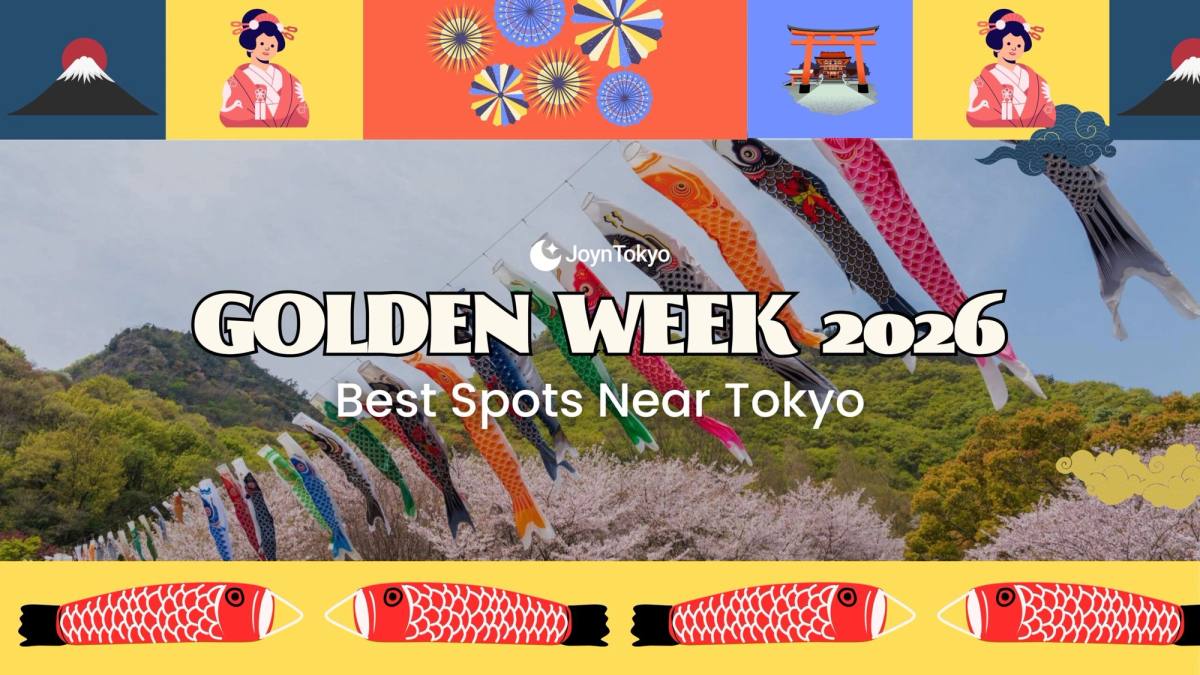
One of the nicest things about working or studying in Japan is the country’s wealth of national holidays. They give you a chance to relax, meet up with friends, and go on trips. There’s one week out of the year that has a whole lot of national holidays back to back, called Golden Week, which takes place during spring in Japan.
When Is Golden Week?
In 2026, Golden Week begins on Wednesday, April 29th, with Showa Day. After this, there are two regular work/school days that a lot of people like to take off anyway. After the weekend, Monday, May 4th is Greenery Day, May 5th is Children’s Day, and Constitution Memorial Day is observed on Wednesday, May 6th, even though it officially takes place on May 3rd. This creates almost a whole week of national holidays to enjoy!
Read More
Showa Day (昭和の日) — Japan’s National Holiday on April 29
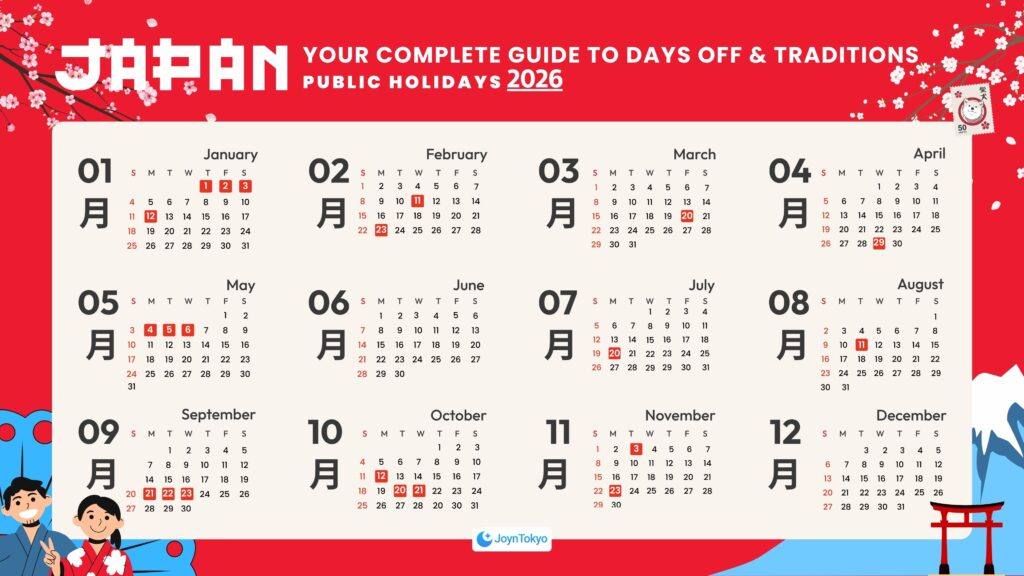
Japan Public Holidays 2026 – Full Official List and Key Dates at a Glance
What Should I Do During Golden Week?
It all depends on what you’re looking for. If you mostly want to rest and take a few day trips here and there, then you can probably do this pretty easily. If you want to plan a week-long trip including hotel, transportation, and day activities, it may take a bit more planning, and is good to book far in advance.
Read More
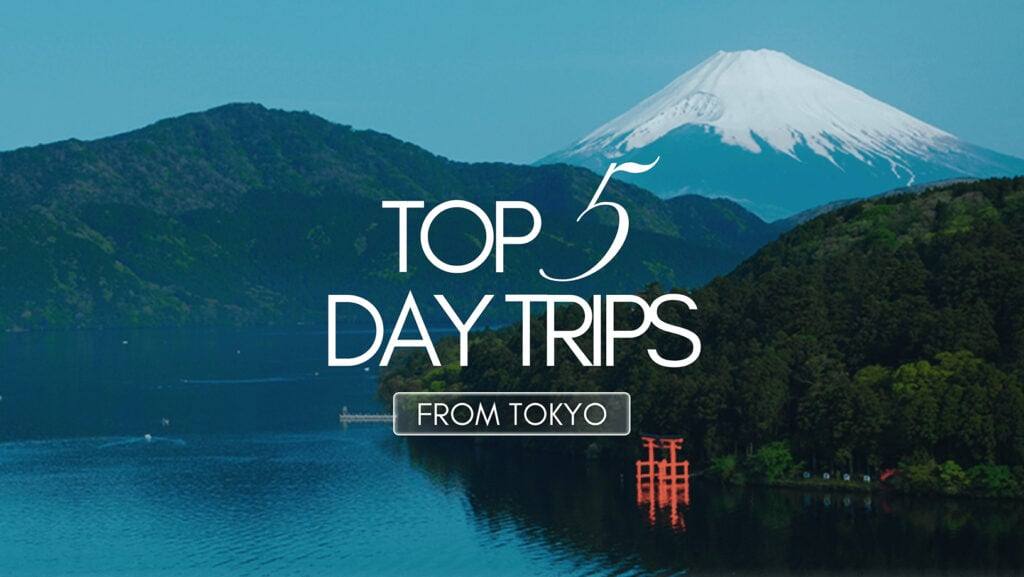
5 Best Day Trips from Tokyo 2025: Easy Escapes Beyond the City
Golden Week Destinations Near Tokyo
Many people use Golden Week as a time to explore locations that they otherwise wouldn’t see on their day to day work or school life in Japan. Here are some lovely destinations pretty close to Tokyo that are a great choice for either a day trip or overnight trip.
Enoshima
One of the best day trips that I’ve come across while living in the Tokyo area is to Enoshima. Connected by a walking bridge from the mainland city of Kamakura, Enoshima is a densely populated island with a chill beachy vibe. While it is a pretty popular tourist area (so expect crowds), it has an atmosphere unique to anywhere else in the Kanto region that I’ve seen.
At the base of the island near the water, you will run into many restaurants, bars, and street food stalls, while the higher you climb into the mountainous center of the island, the more nature rich and traditional it becomes. As you climb, you’ll find shrines, temples, and shops selling hand-made goods. At the top of the mountain is the Enoshima Sea Candle, which is a lighthouse and tower that you can pay to climb so you can get a spectacular view from the mountain on Enoshima.
Odawara & Hakone
Keep in mind that most hotels will be on the pricier side. But, if you’re okay with that, it’s pretty easy to find a hotel with its own private hot spring, and its own restaurant, often serving elaborate and traditional washoku or kaiseki ryori. During the day, you can visit Hakone favorites like Owakudani (translating to “Hell’s Valley”), an area known for its bubbling, sulphurous hot springs, and special black eggs. Or, you can check out the Miyanoshita area, which gives you a pleasant walkable experience with many artisan shops, great views, and a famous shrine with a torii gate.
However, if you’re more budget conscious and looking for a day trip, Hakone’s neighboring Odawara is a great place to go. This city in southern Kanagawa is known for Odawara Castle, a traditional Japanese castle that was recently restored, which also has many museums both inside and around the castle, such as the Tokiwa Kimon Samurai Centre and the Odawara Castle Ninja Centre!
In Odawara, you’ll also find hidden gems such as the Suzuhiro Kamaboko Museum, showing the history and manufacturing process of fish cakes, while also offering classes where you can make your own. And, if you want to travel a little out of the city, the Enoura Observatory, a modern art museum offering breathtaking views of the ocean, is also nearby.
Okutama
Okutama is a town technically located in Tokyo, but it’s pretty much the opposite of what you imagine when you think of Tokyo. As soon as you leave Okutama Station, you enter a quaint little town surrounded by lush green mountains, and centered around a large, rushing river, a beautiful waterfall, and not far from the sprawling Lake Okutama. For nature lovers visiting the Tokyo area, Okutama is a great choice.
You can snap photos of the waterfall from a walking bridge suspended over the river, hike on one of the trails near the river, or visit Okutama Onsen Moegi-no-Yu to soak in some natural hot springs after a day of hiking and exploring the town. However, be aware that Okutama can get pretty crowded on the weekends and during holidays.
Events During Golden Week
If you want to center your Golden Week plans around events rather than certain places, you may want to check out the following things that will be happening during Golden Week.
Showa Kinen Park Flower Festival
Located in the Tachikawa area of Tokyo, Showa Kinen Park hosts an annual event for those who want to see flowers, and not just a few, but whole fields of them. If you want to pretend for a few hours that you live in the countryside and just take a stroll, or want to snap some pics of you in front of flower fields for Instagram, the Showa Kinen Park Flower Festival is a great place to do this.
Some of the flowers you can see here will be cherry blossoms, nemophila, and tulips. Since different flowers bloom at different times during the festival, you can come back multiple times to see each new variation of the park. The event will last over two months, so you’ll have plenty of time to come back again and again.
Dates: March 20th to May 24th
Location: Showa Kinen Park
General admission: 450 yen
Tokyo Skytree Taiwan Festival & Koinobori
Not every event requires you to travel far outside of Tokyo. There’s a pretty cool event that happens right under the Tokyo Skytree every year. This is the Tokyo Skytree Taiwan Festival. This relatively small festival happens right atop the multi-story shopping center under Tokyo Skytree, so you can get lovely views of Tokyo while also getting the best view of the Skytree possible, right under it!
This festival features many stalls selling delicious Taiwanese food like juicy pork rice bowls, boba tea, and scallion pancakes. There is also usually a small food market there selling snacks and desserts like the island’s famous pineapple cakes.
At the same time, many rows of koinobori, Japan’s special koi fish flags, will be hung up around the festival, and will blow in the wind as you enjoy your food and take in the view of the city. They come in many colors and when a hundred or so of them are dancing all around you, it’s truly a magical sight.
Dates: Early April to Early June
Location: Sky Arena (Tokyo Skytree Town, 4th Floor)
Entry is free!
Yugawara Rakugo Festival
If you’re looking for an event that’s a little off the beaten path, where you can also enjoy some unique traditional culture, take a look at the Yugawara Rakugo Festival. This festival takes place in Yugawara, a town at the southernmost end of Kanagawa prefecture, with a lovely view of the ocean and Mt. Fuji. Yugawara is known for its hot springs and its traditional ryokan inns, but it also hosts a unique event every year.
The Yugawara Rakugo Festival is a great way to experience Rakugo, a form of live storytelling where a single performer sits on a cushion and tells comedic stories with very minimal props. It’s a great choice for people who like improv comedy, and who know a little Japanese. If you want to practice your Japanese listening skills in a more informal setting, this is a great way to do it.
Date: May 6th
Location: Yugawara Geisha Association, 3rd Floor
Entry fee: 1,000 yen
Ome Grand Festival
If you want to experience a traditional Japanese festival with massive shrines carried by dozens of people, and want to be in the center of all of the chaos and fun that comes with it, take a look at Ome Grand Festival. Here you can see a big parade featuring twelve traditional floats known as dashi, surrounded by people making noise with drums and flutes.
Around the parade route there will also be many food stalls selling Japanese street food so you can grab a bite to eat while watching the festivities. Since Ome is located in far western Tokyo, it will be a bit of a trip to get to, but this area outside of the main city offers much more space for parading, dancing, and relaxing than central Tokyo does.
Dates: May 2nd and 3rd
Location: Ome Station
Entry is free!
Tips for Travel During Golden Week
As someone who has lived and traveled in Japan for years now, I’ve made a fair amount of mistakes when it comes to travel. So, keep in mind the following so you can have a smooth and low-stress travel during Golden Week, and not make some of the mistakes I have in the past.
Book Hotels and Events Early
The best way to avoid sold out hotels and events, as well as highly inflated prices, is to book the place you want to stay or go to well in advance. Two to three months in advance is the ideal range for hotels, while anything sooner than a month in advance will get you running into high rates and slim availability. During any normal time of year, you don’t need to worry about this, but during Golden Week, booking far in advance is key.
Prepare for Crowds on Public Transit
Since everyone will be wanting to see what you’re seeing at the same time, expect large crowds on public transit, especially during peak travel hours such as late morning and early evening.
If you’re not good with crowds, consider renting a car to get around the area. Taxis are also an option but they can become expensive very quickly.
Choose Mid-Popular Destinations Over Mega Popular Ones
Although you may have a list of must-see destinations such as Asakusa, it may be best to steer clear of places like this during Golden Week and go slightly before or after this string of holidays. This is because these destinations are already immensely crowded on any given day, even regular work days, so they will be even more so during Golden Week.
Instead, aim to visit some popular but not mega-popular destinations like those mentioned above. That way, you will still see some beautiful sights but only have to deal with moderate crowds.
Look for Restaurants and Hotels Off the Beaten Path
Although some restaurants and hotels may be super close to the train station or to the main thing you want to see, be aware that places like this often charge extra for this convenience. But, if convenience is what you value above all else, then a hotel right near the station is a good idea.
Many super touristy restaurants near popular destinations overcharge for a meal that you could get for half the price a couple of blocks away. That’s why I advise you to go a little farther from the main thing you’re there to see and try a restaurant that you don’t see many tourists visiting.
Frequently Asked Questions
How popular is Golden Week for tourists in Japan?
Golden Week is one of the most, if not the most popular time of year for Japanese tourists. Most Japanese people take Golden Week off of work, and use the time to spend with their families and to go on vacation. Also, since spring is a popular time for foreign tourists due to the good weather and cherry blossoms, you should expect to see a good amount of foreign tourists too.
Is Golden Week a good time to visit Japan?
It is a good time to visit since you’ll get the chance to see cherry blossoms and to tour around without being subjected to the brutal summer heat. Also, many venues hold special events (like the ones mentioned above) or have discounted entry, like many public parks having free admission on Greenery Day (May 4th).
However, always expect large crowds and for public transportation to be slammed, especially during peak hours.
How busy does it get?
Golden Week is pretty much as busy as it gets when it comes to tourism, especially among Japanese tourists. In some of the most popular destinations, you can expect crowds so large that it’ll be hard to walk, while you can expect it to be busier than usual in destinations of medium popularity.
Also, if you want to experience the packed trains that Japan is infamous for during rush hour, you don’t necessarily need to be an office worker. You just have to travel to a popular destination by train during Golden Week.
To Wrap It Up…
There are so many events happening during Golden Week, and it can be a little overwhelming having to choose which ones you want to see and which ones to skip. Hopefully we gave you a good range of options to choose from when it comes to tourist spots to check out and Golden Week specific events to go to, so you can choose the ones that suit you the best!
Related JoynTokyo reads

Ultimate Guide to Driving in Japan
A driver spent a week cruising Hokkaido and called it the most relaxing road trip of his life. Another took a mountain route from Kusatsu to Kanazawa and described it as “like being dialled into an F1 race car.” Both were experienced drivers. Both were in Japan. Both are right. Honestly, driving in Japan is

Cash vs Card in Japan: What Should You Use in 2026?
People who went to Japan five years ago will tell you cash is king. People who went last month will tell you they barely touched a note. Both are telling the truth, they just had different trips. The honest answer for 2026 is this: Japan has changed significantly. Most major establishments in cities now accept

Sheila Cliffe on The Kimono Closet and the Stories Kimono Hold
Sheila Cliffe is a longtime kimono researcher and the author of Kimono Style. In her new book, The Kimono Closet, she looks beyond kimono as fashion or art objects and instead explores their deeper place in family life, memory, and identity. She spoke with JoynTokyo to give us an exclusive look at the new book,