
Japan Public Holidays 2026 – Full Official List and Key Dates at a Glance
If you are planning work, school schedules, travel, or just trying to avoid showing up to a closed bank (it happens), here is a fully updated, more detailed guide to Japan public holidays 2026. Each holiday below includes what it is, how people typically observe it, and what you should expect in terms of closures
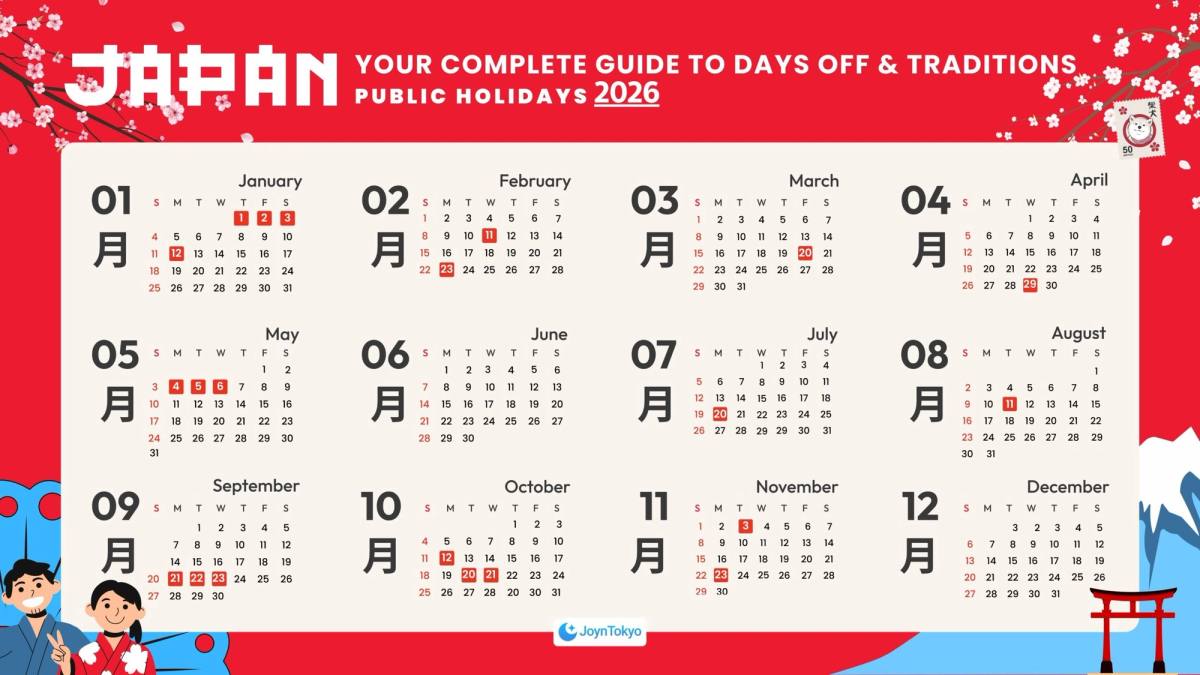
If you are planning work, school schedules, travel, or just trying to avoid showing up to a closed bank (it happens), here is a fully updated, more detailed guide to Japan public holidays 2026. Each holiday below includes what it is, how people typically observe it, and what you should expect in terms of closures and crowd levels.
New Year’s Day – January 1
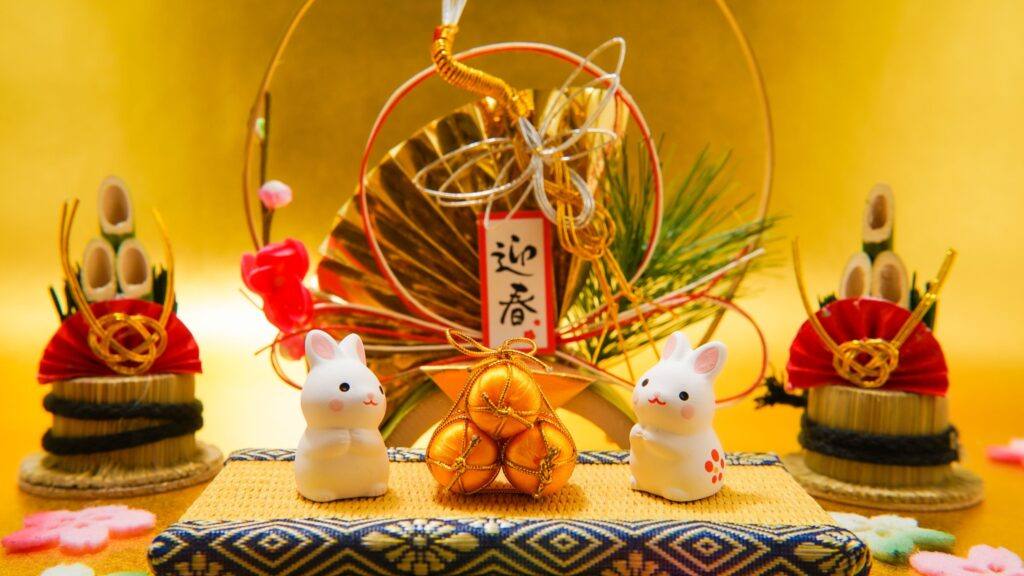
New Year’s Day is the biggest calendar reset in Japan, and it tends to feel quieter than you might expect, especially in big cities. Many families spend the day at home, eat traditional New Year foods, and visit shrines for hatsumode, the first shrine visit of the year. Government offices, banks, and a lot of smaller businesses close, and some places stay on reduced hours for several days. If you need to move around, trains still run, but many shops and restaurants take a short break.
Read More

New Years Eve in Tokyo 2025: The Best Ways to Ring in the New Year
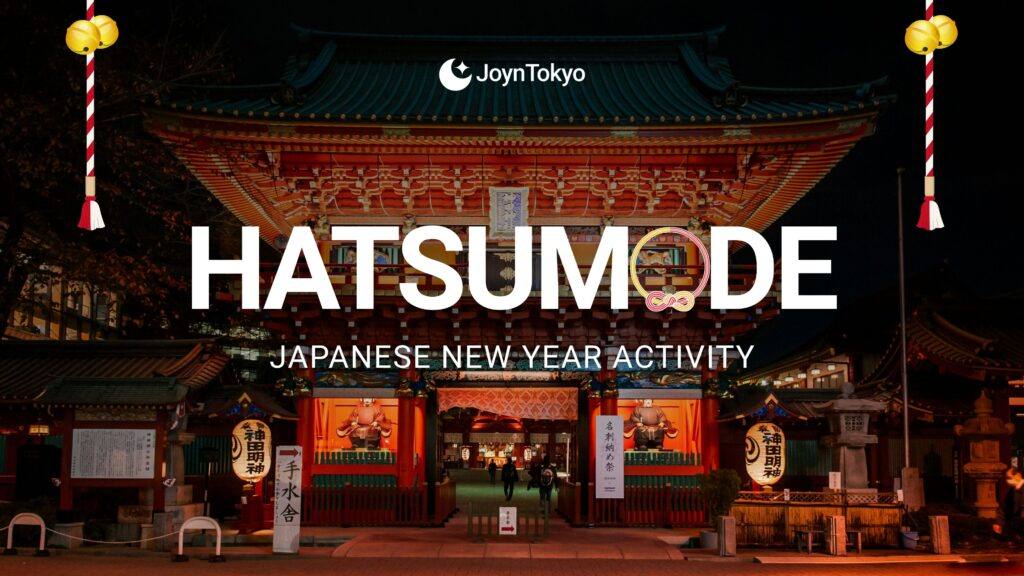
Hatsumode: Japan’s First Shrine Visit of the Year
Coming of Age Day – January 12
Read More

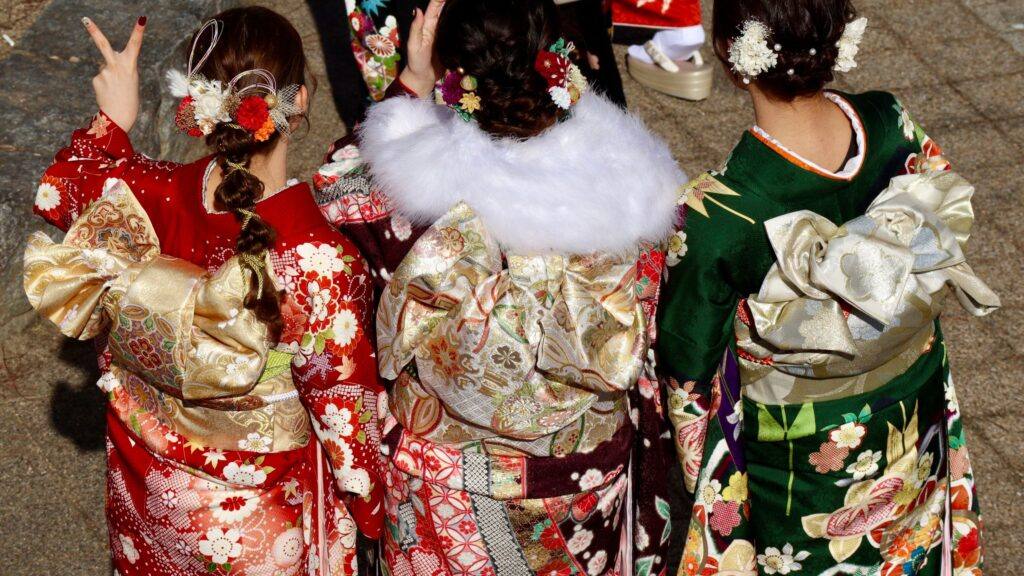
Japan’s Coming of Age Ceremony 2026: Seijinshiki Explained
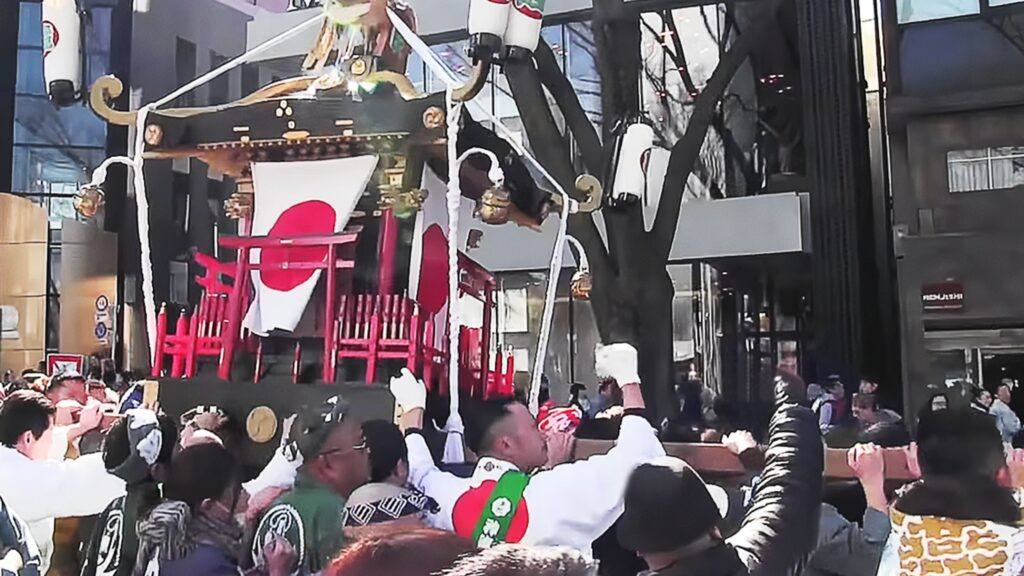
National Foundation Day – February 11
Read More
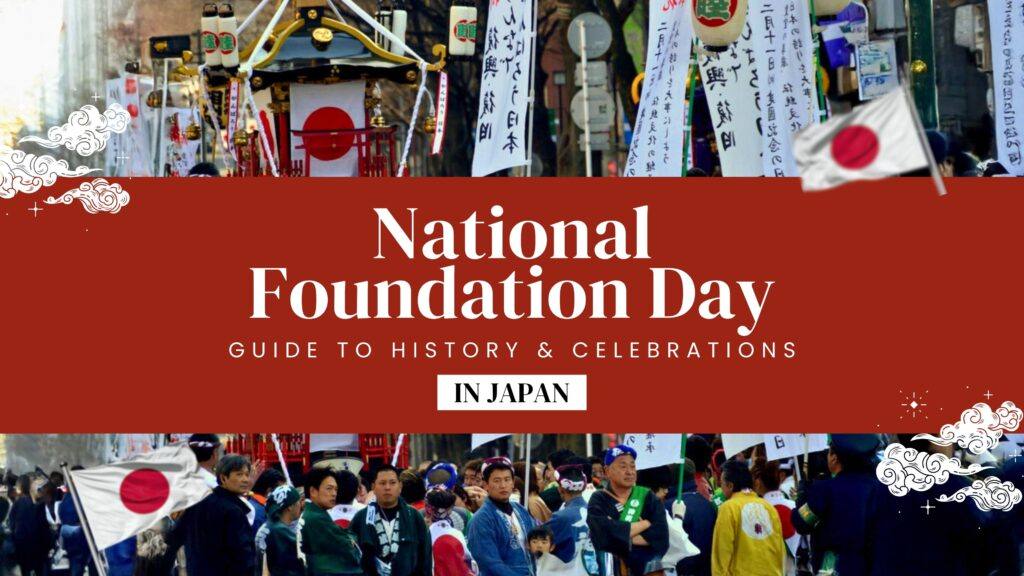
National Foundation Day in Japan: History and Celebration Guide
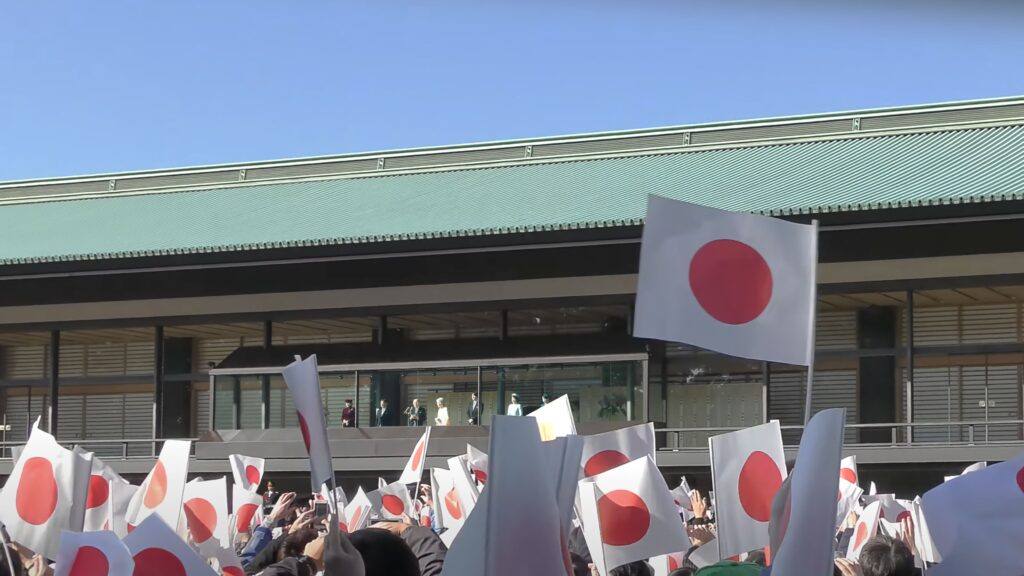
Emperor’s Birthday – February 23
Read More
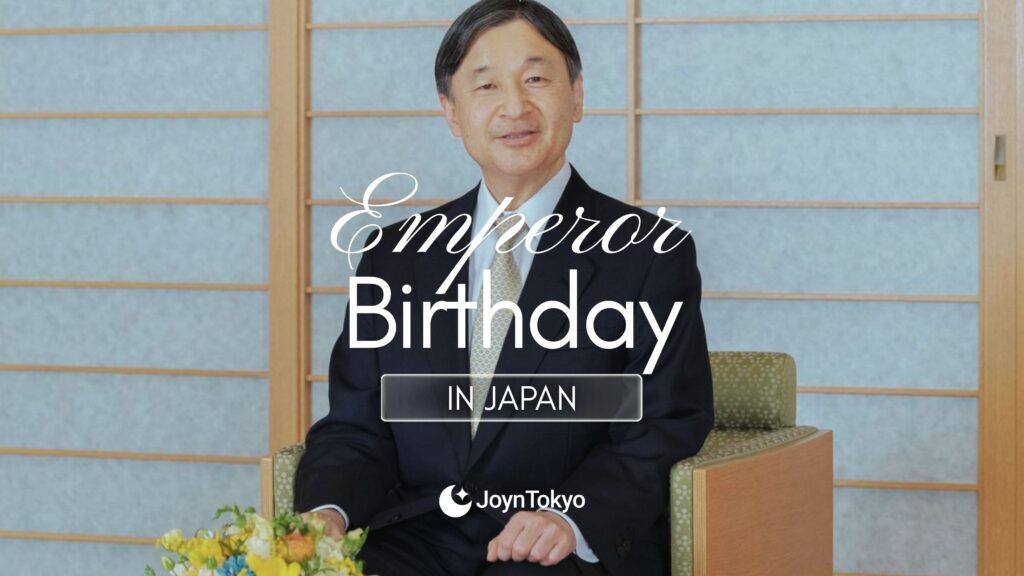
Emperor’s Birthday in Japan – Date, Meaning, and Traditions
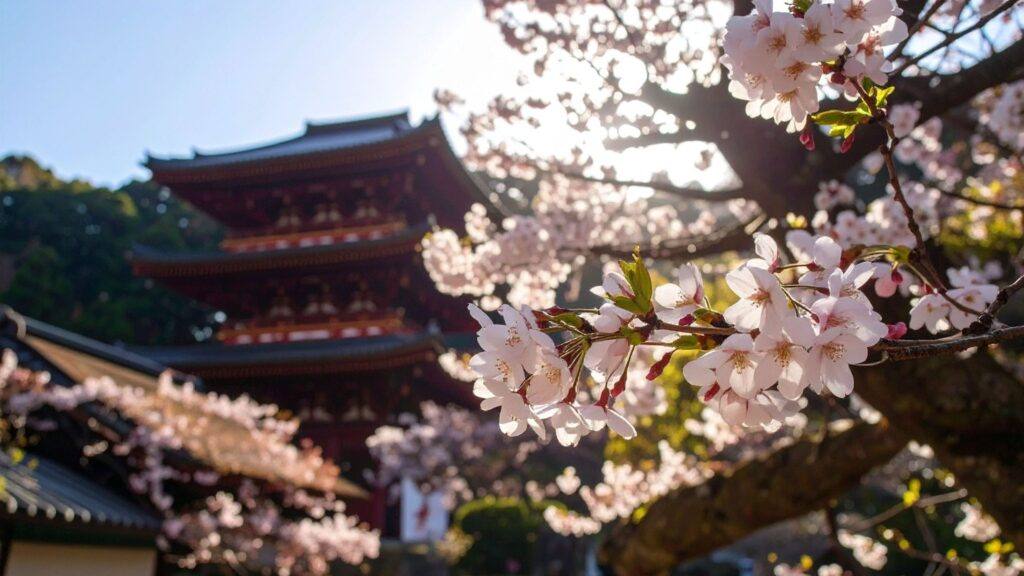
Vernal Equinox Day – March 20
Read More
Shunbun no Hi: Japan’s Spring Equinox Day
Showa Day – April 29
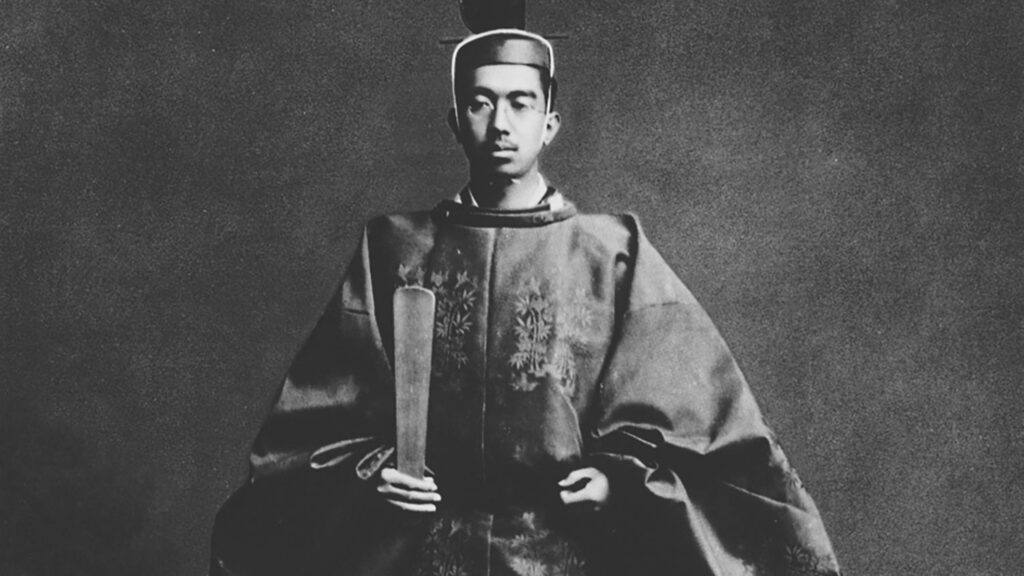
Showa Day honors the Showa era and begins the Golden Week holiday stretch, which is one of the busiest travel periods in Japan. You will see more domestic movement starting around this date, especially if people connect holidays using paid leave. Tourist hotspots, major stations, and airports can feel packed, and hotel prices often rise. If you are not traveling, it is still a pleasant day to explore your local area because neighborhoods can feel relaxed while city centers shift into holiday mode.
Read More
Showa Day (昭和の日) — Japan’s National Holiday on April 29

Golden Week 2026: The Best Spots to Explore Near Tokyo
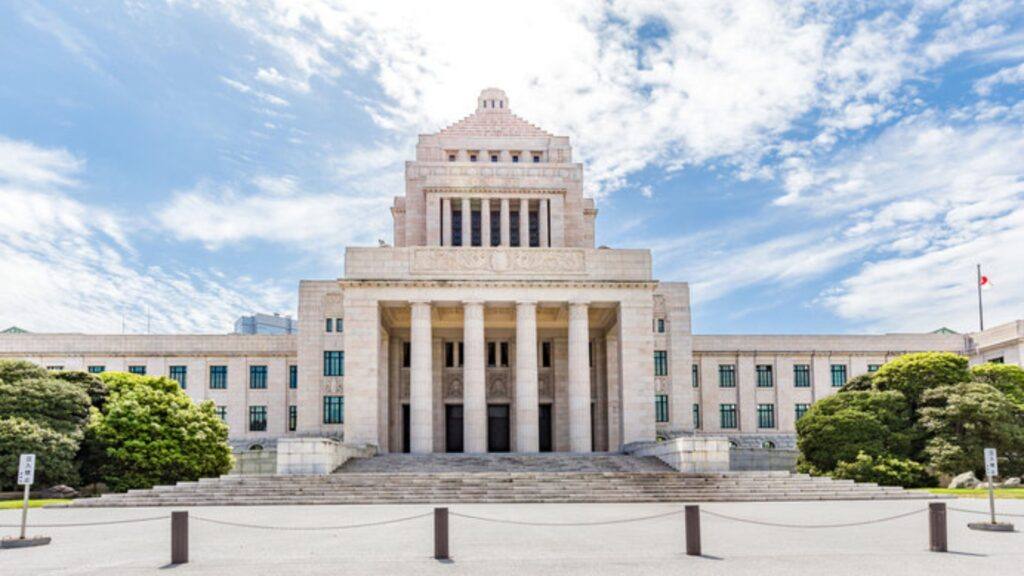
Constitution Memorial Day – May 3
Read More
Constitution Memorial Day in Japan: Meaning, History, and What to Expect on May 3
Greenery Day – May 4
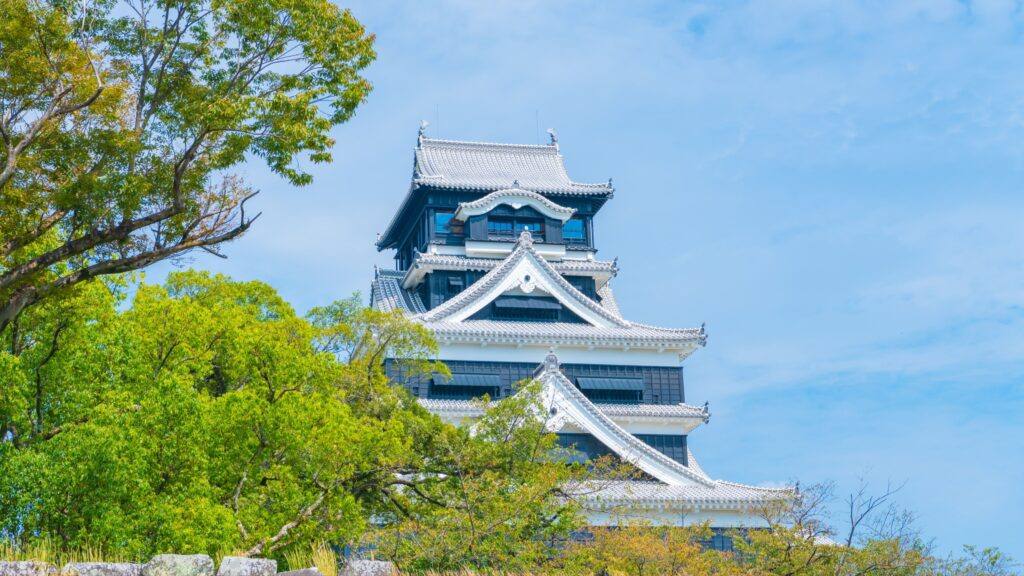
Greenery Day is dedicated to nature and the environment, and because it sits inside Golden Week, it is often used for outdoor activities. Botanical gardens, parks, and scenic day trips become popular, especially if the weather is good. It is also a day when families and friend groups go out in a very casual way, picnic style, nothing formal. The tradeoff is obvious, you get a nice atmosphere, but you also get crowds.
Read More
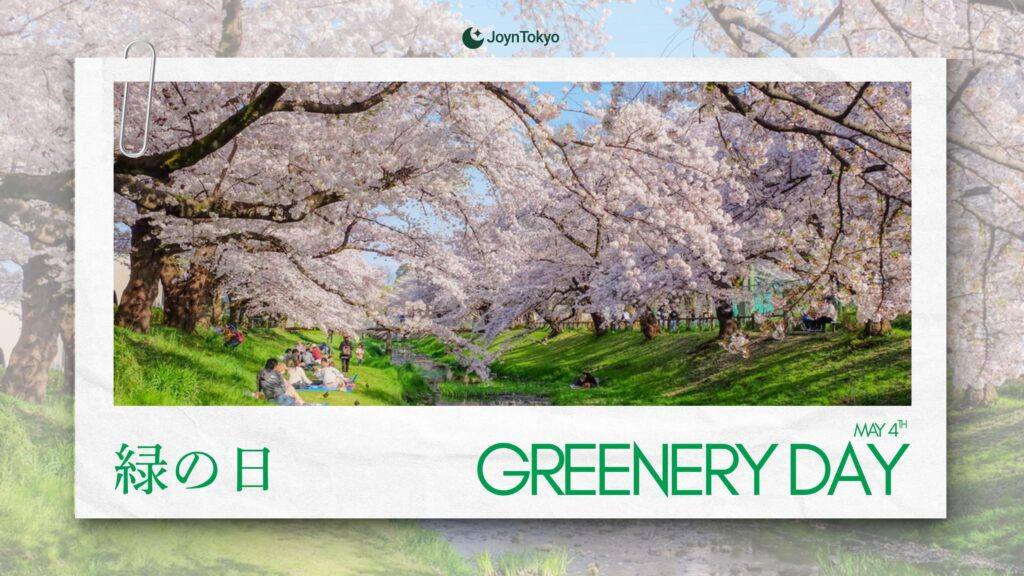
Greenery Day 2026: What to Know About Japan’s Nature Holiday (May 4)
Children’s Day – May 5
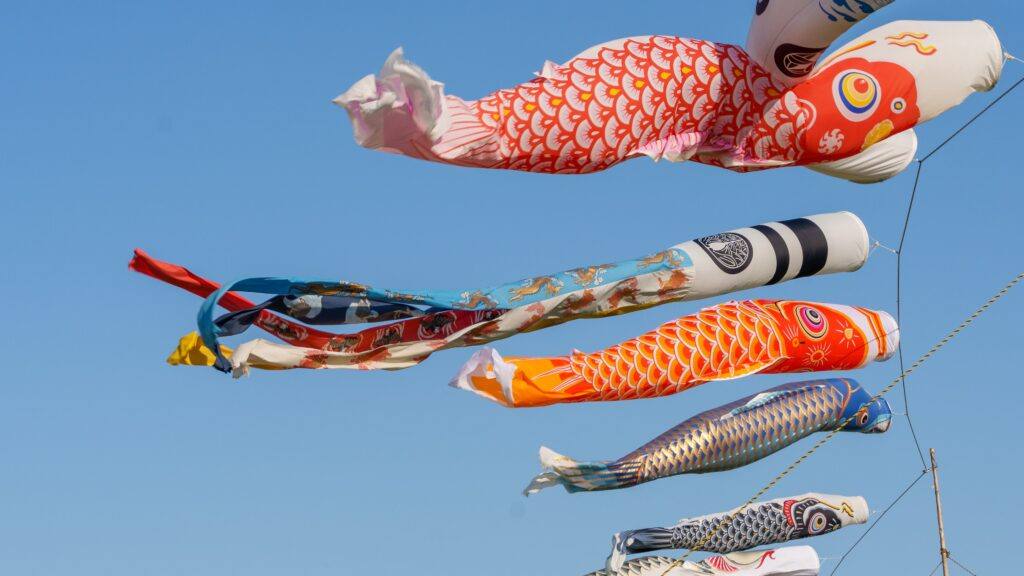
Children’s Day celebrates children’s health and growth and is the final major holiday inside Golden Week. You will see koinobori, carp streamers, in some neighborhoods and riverside areas, plus seasonal sweets in shops. Families often visit parks, theme parks, or grandparents, so transport stays busy. If you are traveling on this day, build in extra time at stations and consider seat reservations where possible.
Marine Day – July 20
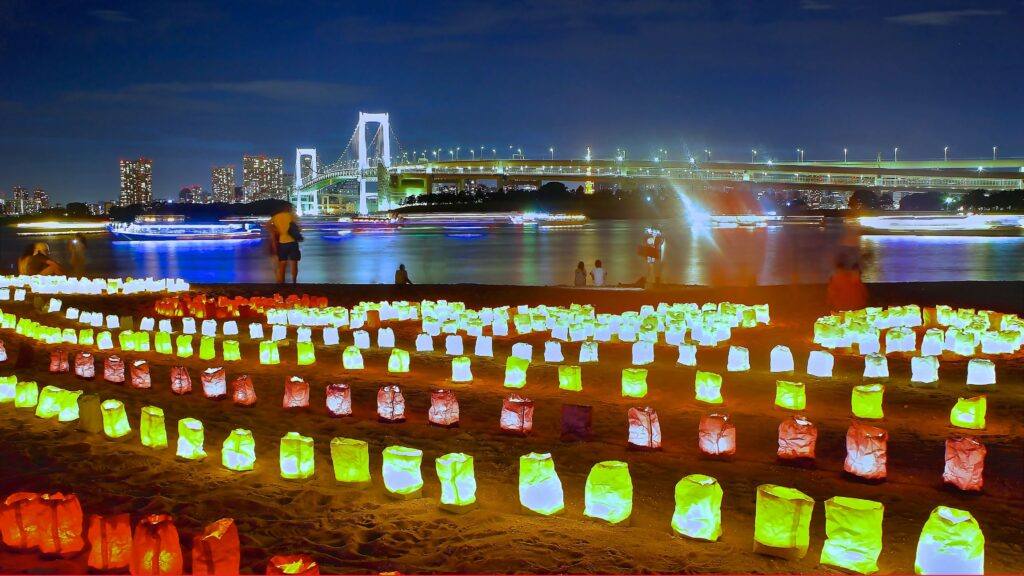
Marine Day is held on the third Monday of July and signals that summer is properly underway. Coastal areas, beach towns, and resort style spots often get a bump in visitors, especially with schools heading into summer break. In cities, you may not feel it strongly beyond closures and a long weekend, but in places like Enoshima or Kamakura it can be noticeably crowded. If you are planning a beach day, go early, and expect packed trains on the way back.
Mountain Day – August 11
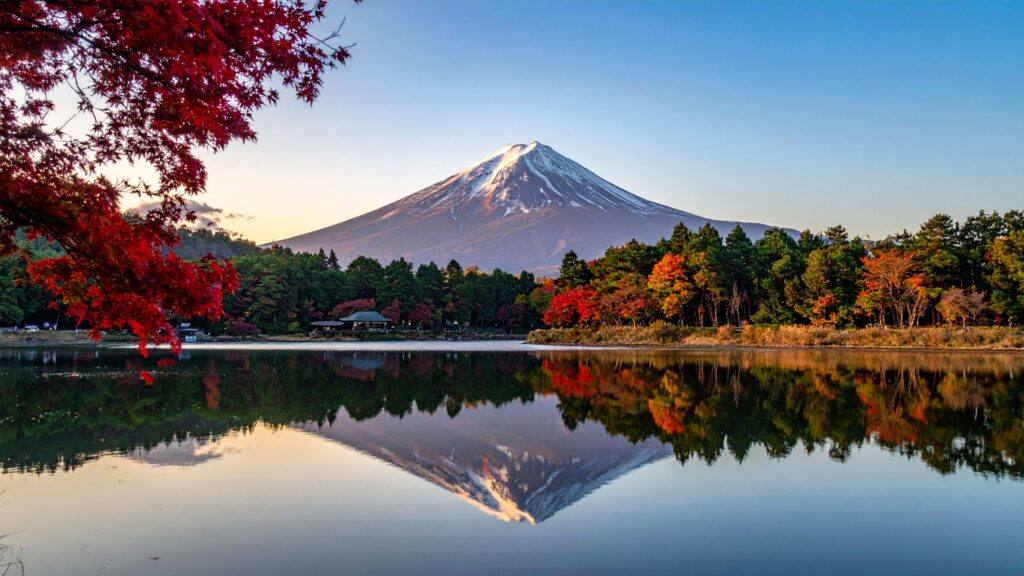
Mountain Day encourages appreciation of Japan’s mountains and nature, and it fits neatly into the broader summer travel season. Hiking areas, national parks, and cooler inland destinations tend to attract people looking to escape the heat. Many companies and schools already take summer vacation around this period, so the holiday can blend into a longer break. If you are booking accommodation in places like Nagano or the Japanese Alps region, earlier is better.
Respect for the Aged Day – September 21
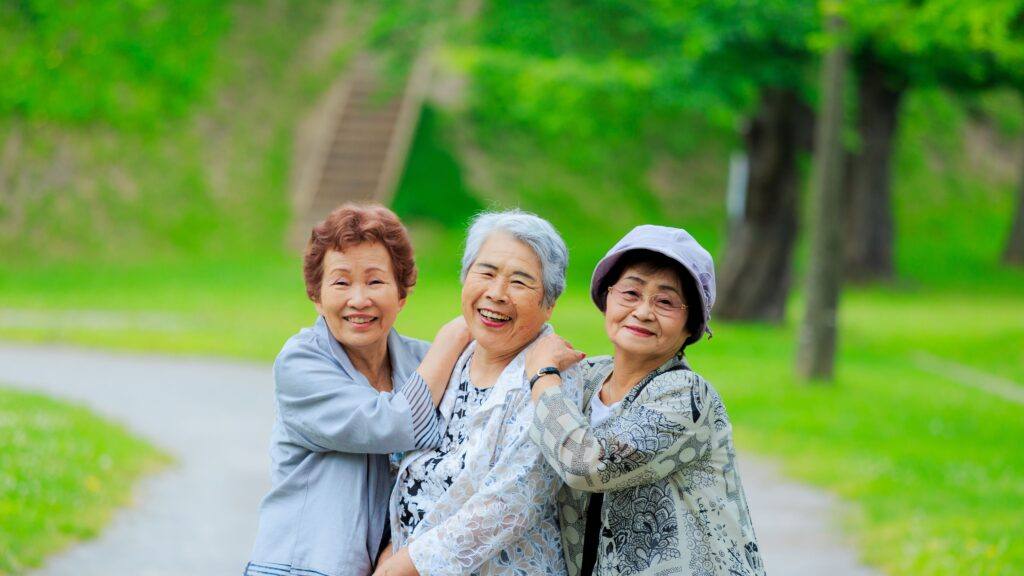
Read More
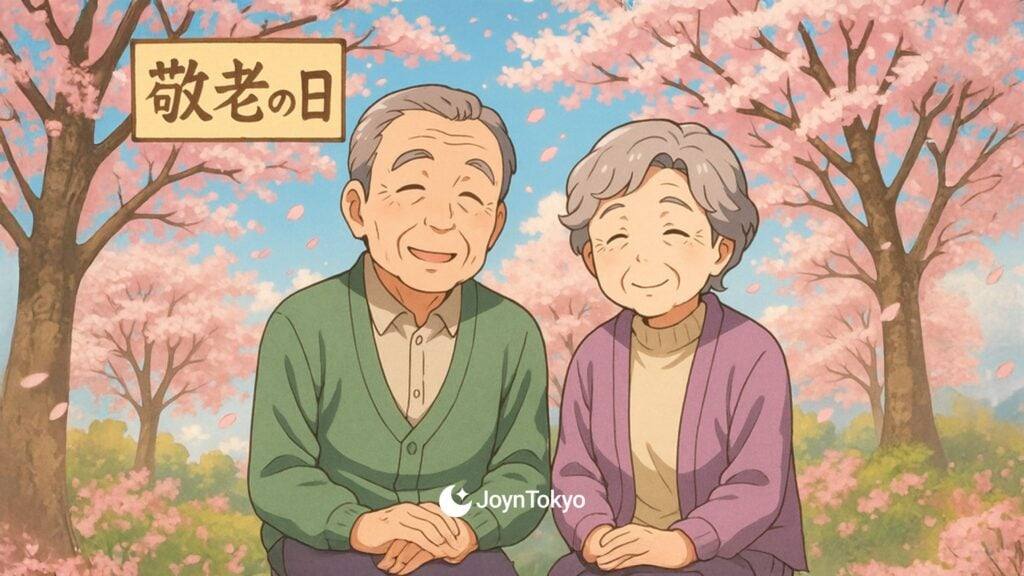
Respect for the Aged Day: What is It? What Should I Do?
Autumnal Equinox Day – September 23
Read More
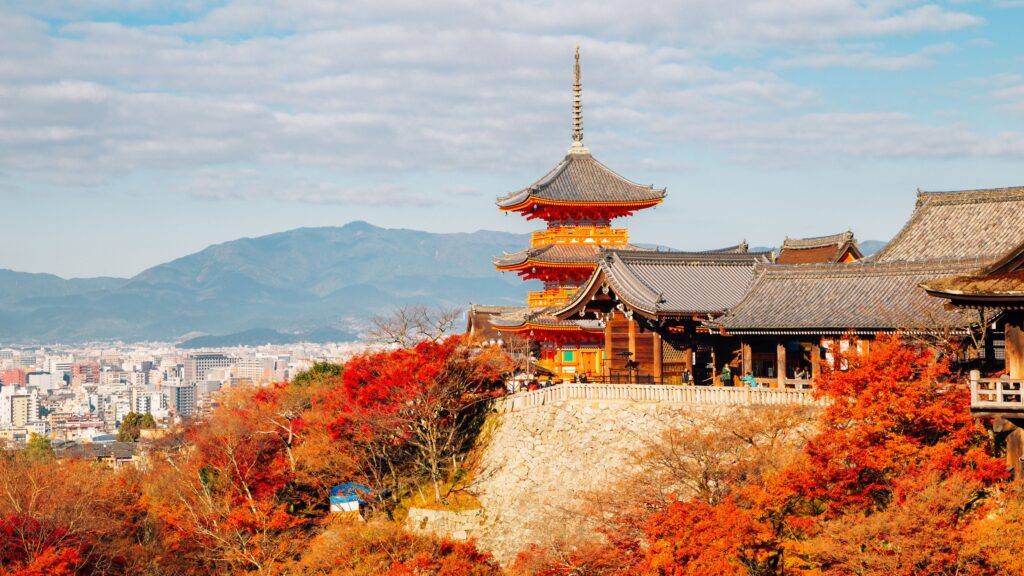
Autumn Equinox in Japan: Traditions, Rituals, Seasonal Flavors and Scenic Beauty
Sports Day – October 12
Read More

Student Life, Childcare, Family, Study
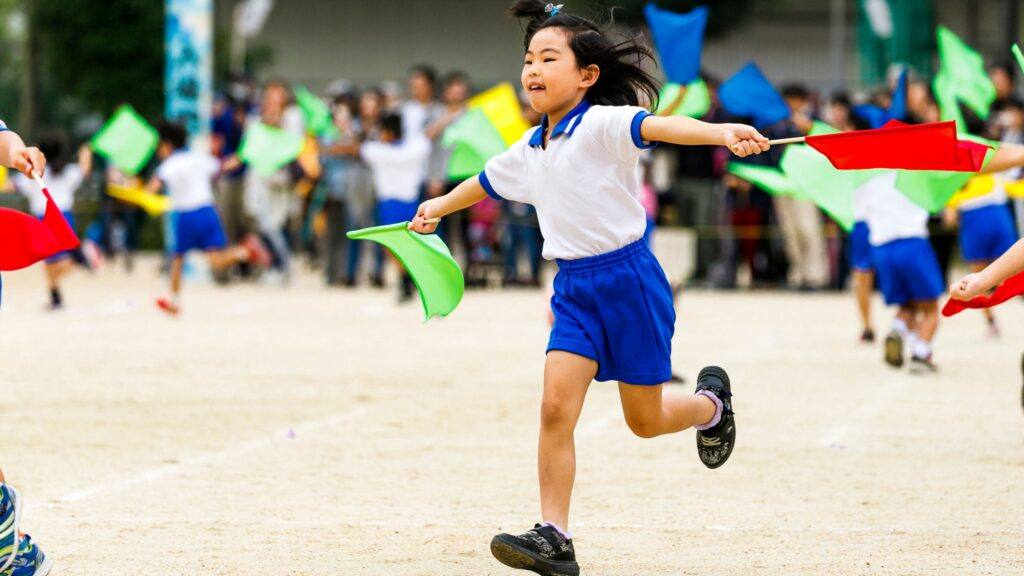
Undokai Explained: The Essential Guide to Japanese Sports Day Traditions
Culture Day – November 3
Read More
Culture Day in Japan: A Complete Guide to Bunka no Hi
Labor Thanksgiving Day – November 23
Labor Thanksgiving Day is the final public holiday of the year and recognizes work and production. It is generally calm, and many people treat it as a restful day at home or a simple long weekend outing. Because it falls late in the year, it can feel like the last breather before December gets busy. If you need to handle banking or administrative tasks, plan to do them on another day, because closures apply as usual.
Japan public holidays 2026 provide a clear framework for planning work, travel, and daily life throughout the year. Knowing these dates in advance helps avoid unexpected closures, manage busy travel periods, and make better use of long weekends. With this calendar in mind, it becomes much easier to plan ahead and move through the year with fewer surprises.
Related JoynTokyo reads

Ultimate Guide to Driving in Japan
A driver spent a week cruising Hokkaido and called it the most relaxing road trip of his life. Another took a mountain route from Kusatsu to Kanazawa and described it as “like being dialled into an F1 race car.” Both were experienced drivers. Both were in Japan. Both are right. Honestly, driving in Japan is

Cash vs Card in Japan: What Should You Use in 2026?
People who went to Japan five years ago will tell you cash is king. People who went last month will tell you they barely touched a note. Both are telling the truth, they just had different trips. The honest answer for 2026 is this: Japan has changed significantly. Most major establishments in cities now accept

Sheila Cliffe on The Kimono Closet and the Stories Kimono Hold
Sheila Cliffe is a longtime kimono researcher and the author of Kimono Style. In her new book, The Kimono Closet, she looks beyond kimono as fashion or art objects and instead explores their deeper place in family life, memory, and identity. She spoke with JoynTokyo to give us an exclusive look at the new book,