
Working Part-Time as a Barista in Japan: Hien’s Story
Meet Hien, originally from Vietnam, who has lived in Japan for about one year. While studying, Hien started working part-time in Japan at a coffee shop as a barista. It’s a very real “starter job” path for students and new arrivals looking up work in Japan or jobs in Japan because it’s accessible, it fits

Meet Hien, originally from Vietnam, who has lived in Japan for about one year. While studying, Hien started working part-time in Japan at a coffee shop as a barista. It’s a very real “starter job” path for students and new arrivals looking up work in Japan or jobs in Japan because it’s accessible, it fits around class schedules, and it forces you to level up Japanese quickly.
In this interview, Hien shares what the daily job actually looks like, how the hiring process felt, what was hardest (spoiler: keigo), and what Hien would tell anyone trying to figure out how to find a job in Japan as a student.
1. Can you introduce yourself

“My name is Hien. I’m from Vietnam, and I’ve lived in Japan for one year. Right now I’m studying here, and I also work part-time, so my life is kind of a balance between school and work.
2. Could you tell me about your current role in Japan? What do you do, and what does a typical day look like?
“Now I’m working in a coffee shop as a barista. My workplace has both morning and night shifts, and I usually work the night shift because it fits my school calendar better.
“When I start my shift, firstly I clean the coffee machine area and make sure the barista station is ready. I check stock and ingredients to see what we have and what is running low. I also check the half-day profits or the handover information from the previous shift, so I know what happened earlier.”
“After that, most of my time is standing at the barista area. I check orders, make drinks carefully based on the order, and I also pay attention to customers. If they have questions about the menu, ingredients, or anything else I need to respond politely and clearly.”
“At the end of the shift, I clean the whole shop, check stock again, and write notes for the morning team. If something is low, if there was an issue, or if there’s anything the next shift needs to know, I leave it clearly so they can start smoothly.”
3. Why did you want to work in Japan specifically, instead of your home country (or another country)?
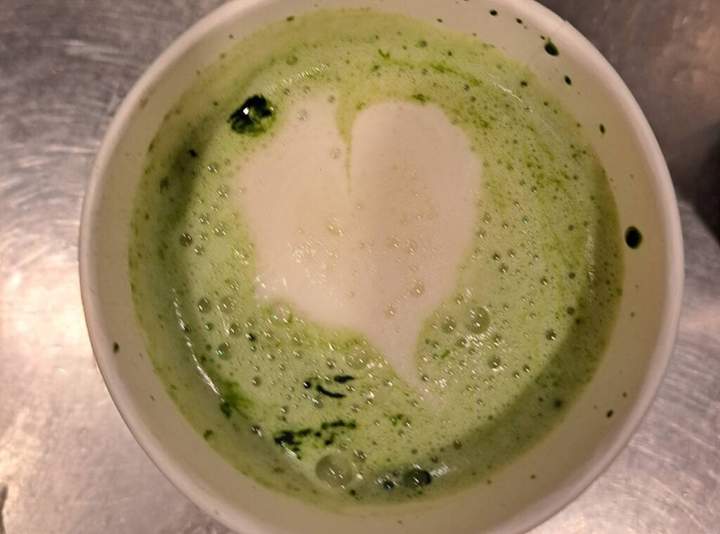
“To be realistic, the pay in Japan is quite high compared to what I expected, so that was one reason I wanted to work here.”
“Another reason is language. I know some English and Japanese, so working here lets me actually use those skills in real life. My coffee shop doesn’t only have Japanese customers there are foreign customers too so sometimes English is useful, and sometimes Japanese is necessary. ”
4. How did you go about finding work in Japan?
“I found the job on the internet and applied. I didn’t get it through connections or referrals. I just searched, found the listing, and sent my application.”
5. What was the application and interview process like for you?
“It was only one interview. They asked me basic questions about my life and my personality like what kind of person I am, what my schedule looks like, and if I can handle customer service.”
“I think because it’s a part-time job, the process was much easier than full-time job hunting in Japan.”
6. What were the biggest difficulties you encountered in the job search or starting work? How did you overcome them?
“The biggest difficulty is language especially keigo. Working as a barista means talking to customers all the time, and in Japan you’re expected to speak politely. Keigo is hard, and I’m not Japanese, so I made a lot of mistakes in the beginning.”
“To overcome it, I asked my colleagues to help me practice speaking every day. I learned by copying their phrases, listening to how they respond, and then trying it myself. ”
7. What have been the best things about working in Japan so far?

“My working environment is really nice. People are friendly and supportive. That matters a lot when you’re a foreigner and still learning Japanese.”
8. How has working in Japan changed you personally or professionally?
“I think working here made me stronger in communication. Before, I only studied Japanese in class, but work forces you to use Japanese in real situations, with real pressure customers waiting, coworkers depending on you, and the need to respond quickly.”
9. If someone wants to work in Japan, what should they prepare in advance?
“I think confidence and language skills are the most important. Even for part-time jobs, communication matters a lot. If you can’t speak at all, it becomes very stressful, especially in customer service.”
10. Any final thoughts you’d like to share about the experience of working in Japan?
“Overall it was a great experience. It’s not always easy, especially with Japanese language and keigo, but it helped me improve fast. I feel like part-time work in Japan is not only about earning money it’s also one of the fastest ways to understand real Japanese life and grow your confidence.”
Related JoynTokyo reads

Ultimate Guide to Driving in Japan
A driver spent a week cruising Hokkaido and called it the most relaxing road trip of his life. Another took a mountain route from Kusatsu to Kanazawa and described it as “like being dialled into an F1 race car.” Both were experienced drivers. Both were in Japan. Both are right. Honestly, driving in Japan is

Cash vs Card in Japan: What Should You Use in 2026?
People who went to Japan five years ago will tell you cash is king. People who went last month will tell you they barely touched a note. Both are telling the truth, they just had different trips. The honest answer for 2026 is this: Japan has changed significantly. Most major establishments in cities now accept
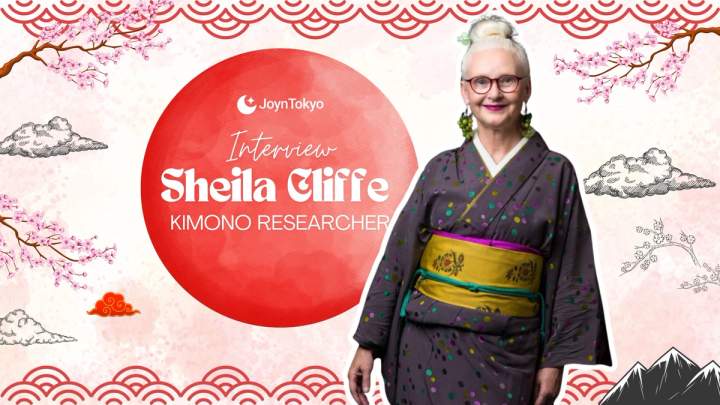
Sheila Cliffe on The Kimono Closet and the Stories Kimono Hold
Sheila Cliffe is a longtime kimono researcher and the author of Kimono Style. In her new book, The Kimono Closet, she looks beyond kimono as fashion or art objects and instead explores their deeper place in family life, memory, and identity. She spoke with JoynTokyo to give us an exclusive look at the new book,