
Working in Japan as a Filipino Software Engineer: Danmarl’s Story
Meet Danmarl, originally from the Philippines, who has lived in Japan for six years. Danmarl did middle school and high school in Japan, which made daily life here feel more familiar compared to someone arriving for the first time as an adult. Today, Danmarl works in Japan as a software engineer—one of the most common
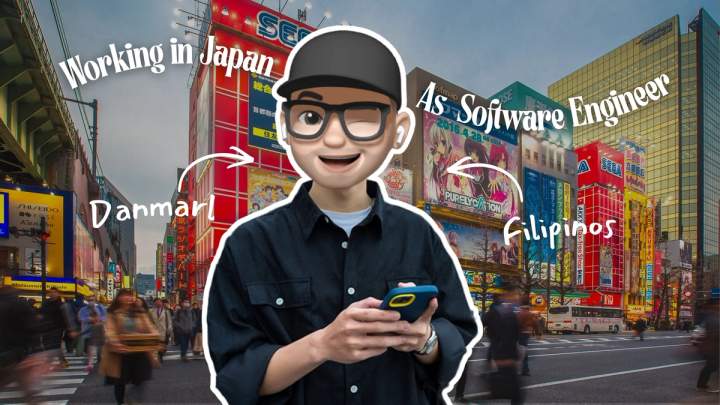
Meet Danmarl, originally from the Philippines, who has lived in Japan for six years. Danmarl did middle school and high school in Japan, which made daily life here feel more familiar compared to someone arriving for the first time as an adult. Today, Danmarl works in Japan as a software engineer—one of the most common “foreigner-friendly” paths people explore to find work in Japan.
In this interview, Danmarl shares what the job search looked like, what the interview process felt like in tech, what was unexpectedly hard after getting hired, and what advice matters most if you’re trying to figure out how to get a job in Japan.
1. Can you introduce yourself?

“My name is Danmarl. I’m from the Philippines, and I’ve lived in Japan for six years. I did my middle school and high school here, so Japan has been part of my daily life for a while. Because of that, working in Japan didn’t feel like starting from zero, but it still felt like a new chapter once I entered full-time work.”
2. Could you tell me about your current role in Japan? What do you do, and what does a typical day look like?
“Right now I’m a software engineer. My daily life is honestly pretty routine. I go to work, do my tasks, then go home and rest. It’s not super dramatic day to day, but that’s kind of the point. It’s stable.”
“I’d say the typical rhythm is work, sleep, repeat. Some days are busier depending on what I’m working on, but overall it feels like a regular routine, and I’ve gotten used to that.”
3. Why did you want to work in Japan specifically, instead of your home country (or another country)?
“To be honest, it’s the pay. Salary was the biggest reason. When you’re thinking about long-term work, it’s hard to ignore the practical side. Working in Japan felt like the best choice financially for where I’m at right now.”
4. How did you go about finding work in Japan? (job platforms, networking, recruiters, referrals, company sites, etc.)
“For me, the process was fast. I didn’t feel like I was stuck job hunting forever. Once I decided to seriously apply, things moved quickly.”
“I didn’t have a long complicated route. I focused on getting the opportunity, applying, and moving forward step by step until it worked out.”
5. What was the application and interview process like for you? Any memorable differences compared to what you expected?
“I had an initial interview first, and then a technical interview. That was basically the main structure.”
“The technical interview was the part that mattered most, because it shows whether you can actually do the work. Compared to what some people expect from Japanese companies, it didn’t feel like endless rounds. It felt direct.”
6. What were the biggest difficulties you encountered in the job search or starting work? How did you overcome them?
“The hardest part for me wasn’t the technical work. It was getting to know new people. I’m shy, so starting in a new workplace and meeting coworkers can feel stressful.”
“I don’t think there’s a magic solution. For me, it just takes time. The more you show up, work with people, and slowly talk more, it gets easier. I’m still not the loudest person in the room, but I’ve gotten more comfortable.”
7. What have been the best things about working in Japan so far?
“The best thing is my job has work-life balance. That matters a lot.”
“I know Japan has a reputation for being intense with overtime, but it really depends on the company. In my case, it feels balanced enough that I can work and still rest properly.”
8. How has working in Japan changed you personally or professionally?
“I’m more confident in my job now, because I’ve been given more responsibilities. When you first start, you might feel unsure, but over time you get trusted with more tasks, and that builds confidence naturally.”
“I feel like I’m growing through doing the work, not just studying it. Having responsibility makes you level up faster.”
9. If someone wants to work in Japan, what should they prepare in advance?
“You can get a job without knowing Japanese, but it will be hard. It depends on the job and the field.”
“For tech, it’s possible in some cases, but you still have to be realistic. Even if your work is in English, daily life is still Japan, and being able to communicate helps. So I wouldn’t say ‘don’t learn Japanese.’ I’d say it’s possible without it, but you’re making everything harder for yourself.”
10. Any final thoughts you’d like to share about the experience of working in Japan?
“My advice is just be honest and be confident in your interviews. Especially in technical roles, people can tell quickly if you’re pretending. It’s better to be clear about what you can do and what you’re still learning.”
“Overall, working in Japan is busy, but it’s fulfilling. Even if the routine is simple, it feels good to have stability, income, and a job where you can grow.”
Related JoynTokyo reads

Ultimate Guide to Driving in Japan
A driver spent a week cruising Hokkaido and called it the most relaxing road trip of his life. Another took a mountain route from Kusatsu to Kanazawa and described it as “like being dialled into an F1 race car.” Both were experienced drivers. Both were in Japan. Both are right. Honestly, driving in Japan is
Cash vs Card in Japan: What Should You Use in 2026?
People who went to Japan five years ago will tell you cash is king. People who went last month will tell you they barely touched a note. Both are telling the truth, they just had different trips. The honest answer for 2026 is this: Japan has changed significantly. Most major establishments in cities now accept
Sheila Cliffe on The Kimono Closet and the Stories Kimono Hold
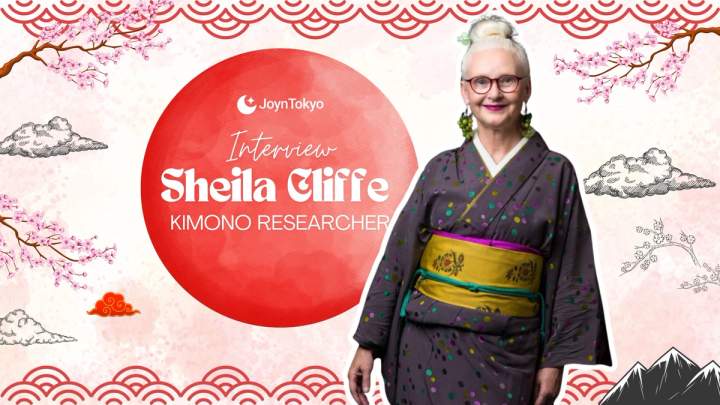
Sheila Cliffe is a longtime kimono researcher and the author of Kimono Style. In her new book, The Kimono Closet, she looks beyond kimono as fashion or art objects and instead explores their deeper place in family life, memory, and identity. She spoke with JoynTokyo to give us an exclusive look at the new book,